
Recent from talks
Dost Mohammad Khan
Knowledge base stats:
Talk channels stats:
Members stats:
Dost Mohammad Khan
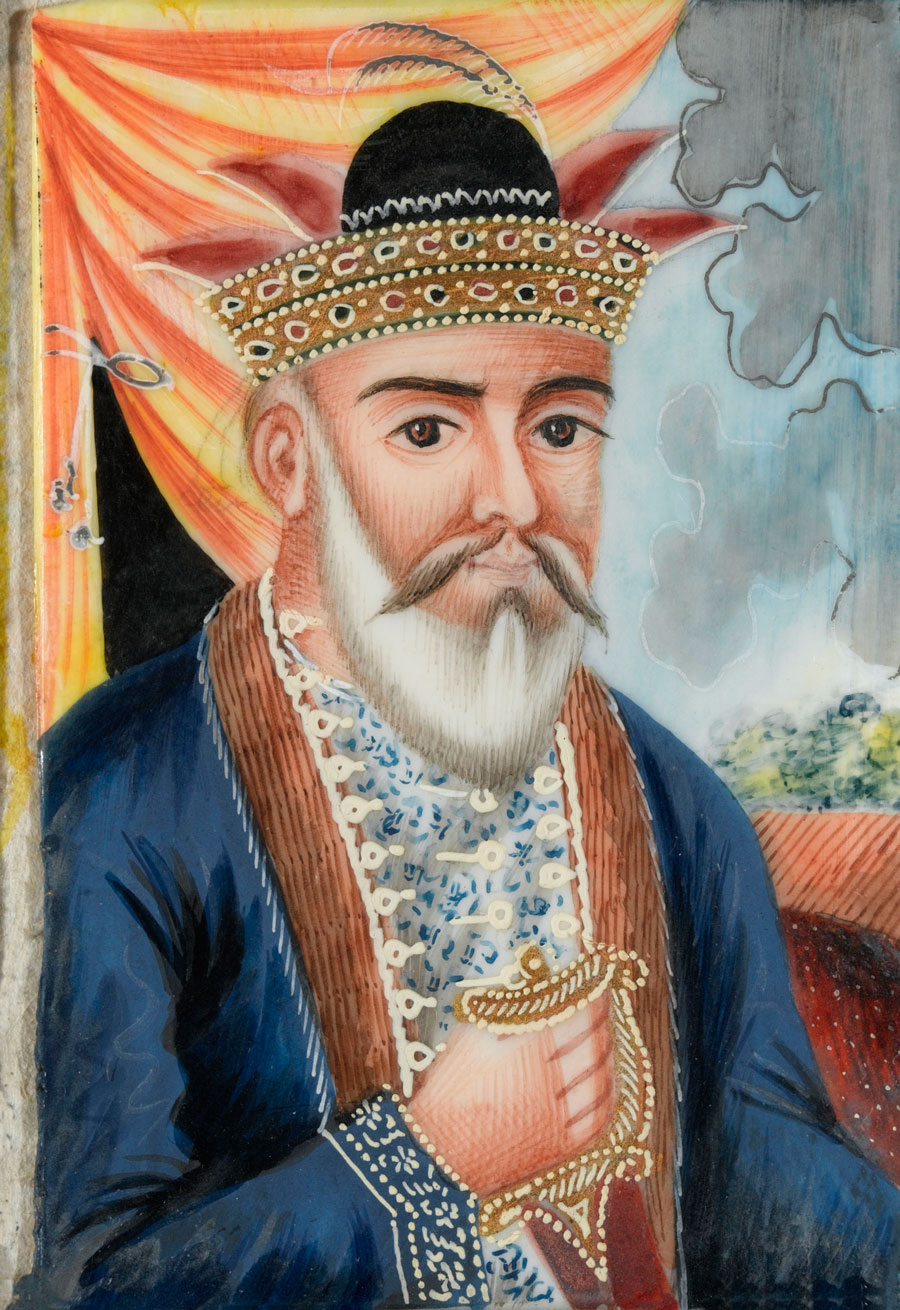
Dost Mohammad Khan (Pashto; Persian: دوست محمد خان, 23 December 1792 – 9 June 1863), nicknamed the Great Emir, was the founder of the Barakzai dynasty and one of the prominent rulers of Afghanistan during the First Anglo-Afghan War. With the decline of the Durrani dynasty, he became the Emir of Afghanistan in 1826. An ethnic Pashtun, he belonged to the Barakzai tribe. He was the 11th son of Payinda Khan, chief of the Barakzai Pashtuns, who was killed in 1799 by King Zaman Shah Durrani.
At the beginning of his rule, the Afghans lost their former stronghold of Peshawar Valley in March 1823 to the Sikh Khalsa Army of Ranjit Singh at the Battle of Nowshera. The Afghan forces in the battle were led by Azim Khan, half-brother of Dost Mohammad Khan. By the end of his reign, he had reunited the principalities of Kandahar and Herat with Kabul. Dost had ruled for a lengthy 36 years, a span exceeded only by Zahir Shah more than a century later.
A brilliant strategist, and ruthless fighter from a young age, Dost Mohammad is regarded as one of the greatest rulers in the history of Afghanistan, his myriad of campaigns had successfully forged the cities of Kabul, Kandahar, and Herat into one state, which all his predecessors, with the exception of Ahmad Shah Durrani, had failed to do.
Dost Mohammad Khan was born to an influential Pashtun family on 23 December 1792 in Kandahar, Durrani Empire. His father, Payinda Khan, was chief of the Barakzai tribe and a civil servant in the Durrani dynasty. Their family could be traced back to Abdal (the founder of the Abdali tribe), through Hajji Jamal Khan, Yousef, Yaru, Mohammad, Omar Khan, Khisar Khan, Ismail, Nek, Daru, Saifal, and Barak. Abdal had four sons, Popal, Barak, Achak and Alako. Dost Mohammad Khan's mother belonged to the Qizilbash group. Dost Mohammad Khan spoke Pashto, Persian, Punjabi and Turkish. He was also credited with knowledge of Kashmiri by Mohan Lal.
His elder brother, the chief of the Barakzai, Fateh Khan, took an important part in installing Mahmud Shah Durrani as the sovereign of Afghanistan in 1800 and in restoring him to the throne in 1809. Dost Mohammad accompanied his elder brother and then Prime Minister of Kabul Wazir Fateh Khan to the Battle of Attock against the invading Sikhs. Mahmud Shah repaid Fateh Khan's services by having him brutally assassinated in 1818, thus incurring the enmity of his tribe. After a bloody conflict, Mahmud Shah was deprived of all his possessions but Herat, the rest of his dominions being divided among Fateh Khan's brothers. Of these, Dost Mohammad received Ghazni, to which in 1826 he added Kabul, the richest of the Afghan provinces. At the time of his enthronement, his government revenue was about 500,000 rupees, and by the 1830s it had increased to 2.5 million rupees.
From the commencement of his reign he found himself involved in disputes with Ranjit Singh, the Sikh ruler of the Punjab region, who used the dethroned Sadozai prince, Shah Shujah Durrani, as his instrument. In 1834, Shah Shujah made an attempt to recover his kingdom. Dost Mohammad Khan mobilized for this, beginning initially with the Jalalabad campaign, and then marching on Kandahar, where Shah Shuja was defeated by Dost Mohammad Khan under the walls of Kandahar, but Ranjit Singh seized the opportunity to annex Peshawar which was ruled by the Peshawar Sardars under his deposed brother, Sultan Mohammad Khan. Dost Mohammad sent his son Akbar Khan to defeat the Sikhs at the Battle of Jamrud in 1837.
At the intersection of British, Russian and, to a lesser degree, French imperial interests, political maneuvering was necessary. Rejecting overtures from Russia, he endeavoured to form an alliance with Great Britain, and welcomed Alexander Burnes to Kabul in 1837. Burnes, however, was unable to prevail on the governor-general, Lord Auckland, to respond to the Emir's advances. Dost Mohammad was enjoined to abandon the attempt to recover Peshawar, and to place his foreign policy under British guidance. He replied by renewing his relations with Russia, and in 1838 Lord Auckland set the British troops in motion against him. To enable such an action, the British manufactured the evidence needed to justify the overthrow of the Afghan ruler.
In 1835, Dost Mohammad Khan, the youngest and the most energetic of the Barakzai brothers, who had supplanted the Durrani dynasty and become Emir (lord, chief or king) of Kabul in 1825, advanced up to Khaibar Pass threatening to recover Peshawar. In 1836, Hari Singh Nalwa, the Sikh general who along with Prince Nau Nihal Singh was guarding that frontier, built a chain of forts, including one at Jamrud at the eastern end of the Khyber Pass to defend the pass. Dost Muhammad erected a fort at `Ali Masjid at the other end. In the beginning of 1837, as Prince Nau Nihal Singh returned to Lahore to get married and the Maharaja and his court got busy with preparations for the wedding.
Hub AI
Dost Mohammad Khan AI simulator
(@Dost Mohammad Khan_simulator)
Dost Mohammad Khan
Dost Mohammad Khan (Pashto; Persian: دوست محمد خان, 23 December 1792 – 9 June 1863), nicknamed the Great Emir, was the founder of the Barakzai dynasty and one of the prominent rulers of Afghanistan during the First Anglo-Afghan War. With the decline of the Durrani dynasty, he became the Emir of Afghanistan in 1826. An ethnic Pashtun, he belonged to the Barakzai tribe. He was the 11th son of Payinda Khan, chief of the Barakzai Pashtuns, who was killed in 1799 by King Zaman Shah Durrani.
At the beginning of his rule, the Afghans lost their former stronghold of Peshawar Valley in March 1823 to the Sikh Khalsa Army of Ranjit Singh at the Battle of Nowshera. The Afghan forces in the battle were led by Azim Khan, half-brother of Dost Mohammad Khan. By the end of his reign, he had reunited the principalities of Kandahar and Herat with Kabul. Dost had ruled for a lengthy 36 years, a span exceeded only by Zahir Shah more than a century later.
A brilliant strategist, and ruthless fighter from a young age, Dost Mohammad is regarded as one of the greatest rulers in the history of Afghanistan, his myriad of campaigns had successfully forged the cities of Kabul, Kandahar, and Herat into one state, which all his predecessors, with the exception of Ahmad Shah Durrani, had failed to do.
Dost Mohammad Khan was born to an influential Pashtun family on 23 December 1792 in Kandahar, Durrani Empire. His father, Payinda Khan, was chief of the Barakzai tribe and a civil servant in the Durrani dynasty. Their family could be traced back to Abdal (the founder of the Abdali tribe), through Hajji Jamal Khan, Yousef, Yaru, Mohammad, Omar Khan, Khisar Khan, Ismail, Nek, Daru, Saifal, and Barak. Abdal had four sons, Popal, Barak, Achak and Alako. Dost Mohammad Khan's mother belonged to the Qizilbash group. Dost Mohammad Khan spoke Pashto, Persian, Punjabi and Turkish. He was also credited with knowledge of Kashmiri by Mohan Lal.
His elder brother, the chief of the Barakzai, Fateh Khan, took an important part in installing Mahmud Shah Durrani as the sovereign of Afghanistan in 1800 and in restoring him to the throne in 1809. Dost Mohammad accompanied his elder brother and then Prime Minister of Kabul Wazir Fateh Khan to the Battle of Attock against the invading Sikhs. Mahmud Shah repaid Fateh Khan's services by having him brutally assassinated in 1818, thus incurring the enmity of his tribe. After a bloody conflict, Mahmud Shah was deprived of all his possessions but Herat, the rest of his dominions being divided among Fateh Khan's brothers. Of these, Dost Mohammad received Ghazni, to which in 1826 he added Kabul, the richest of the Afghan provinces. At the time of his enthronement, his government revenue was about 500,000 rupees, and by the 1830s it had increased to 2.5 million rupees.
From the commencement of his reign he found himself involved in disputes with Ranjit Singh, the Sikh ruler of the Punjab region, who used the dethroned Sadozai prince, Shah Shujah Durrani, as his instrument. In 1834, Shah Shujah made an attempt to recover his kingdom. Dost Mohammad Khan mobilized for this, beginning initially with the Jalalabad campaign, and then marching on Kandahar, where Shah Shuja was defeated by Dost Mohammad Khan under the walls of Kandahar, but Ranjit Singh seized the opportunity to annex Peshawar which was ruled by the Peshawar Sardars under his deposed brother, Sultan Mohammad Khan. Dost Mohammad sent his son Akbar Khan to defeat the Sikhs at the Battle of Jamrud in 1837.
At the intersection of British, Russian and, to a lesser degree, French imperial interests, political maneuvering was necessary. Rejecting overtures from Russia, he endeavoured to form an alliance with Great Britain, and welcomed Alexander Burnes to Kabul in 1837. Burnes, however, was unable to prevail on the governor-general, Lord Auckland, to respond to the Emir's advances. Dost Mohammad was enjoined to abandon the attempt to recover Peshawar, and to place his foreign policy under British guidance. He replied by renewing his relations with Russia, and in 1838 Lord Auckland set the British troops in motion against him. To enable such an action, the British manufactured the evidence needed to justify the overthrow of the Afghan ruler.
In 1835, Dost Mohammad Khan, the youngest and the most energetic of the Barakzai brothers, who had supplanted the Durrani dynasty and become Emir (lord, chief or king) of Kabul in 1825, advanced up to Khaibar Pass threatening to recover Peshawar. In 1836, Hari Singh Nalwa, the Sikh general who along with Prince Nau Nihal Singh was guarding that frontier, built a chain of forts, including one at Jamrud at the eastern end of the Khyber Pass to defend the pass. Dost Muhammad erected a fort at `Ali Masjid at the other end. In the beginning of 1837, as Prince Nau Nihal Singh returned to Lahore to get married and the Maharaja and his court got busy with preparations for the wedding.
Recent media