Hubbry Logo
EicosanoidEicosanoidMain
Open search
Eicosanoid
Community hub
Eicosanoid
logo
8 pages, 0 posts
0 subscribers
Be the first to start a discussion here.
Eicosanoid
Eicosanoid
from Wikipedia
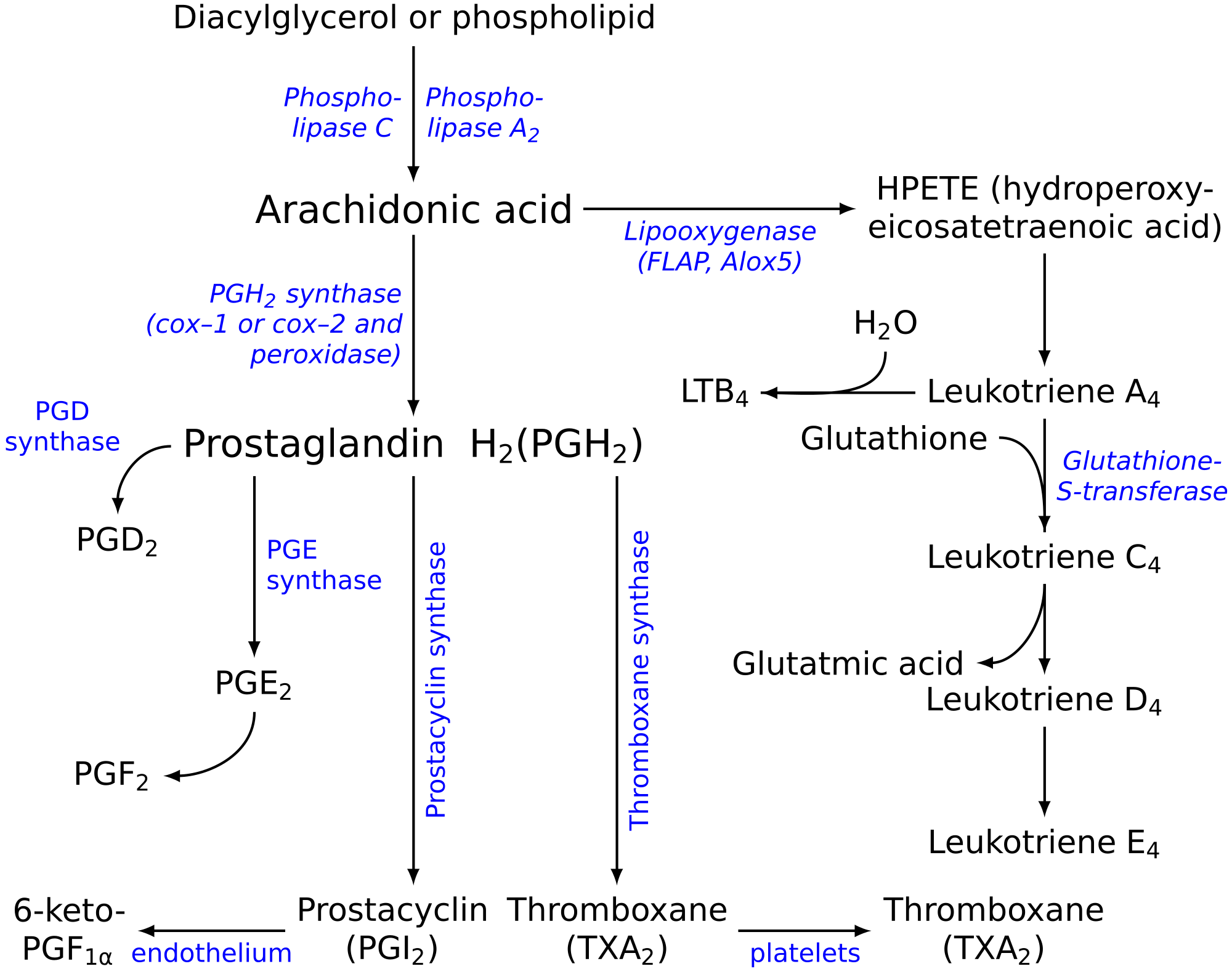
Pathways in biosynthesis of eicosanoids from arachidonic acid: there are parallel paths from EPA & DGLA.

Eicosanoids are signaling molecules made by the enzymatic or non-enzymatic oxidation of arachidonic acid or other polyunsaturated fatty acids (PUFAs) that are, similar to arachidonic acid, around 20 carbon units in length. Eicosanoids are a sub-category of oxylipins, i.e. oxidized fatty acids of diverse carbon units in length, and are distinguished from other oxylipins by their overwhelming importance as cell signaling molecules. Eicosanoids function in diverse physiological systems and pathological processes such as: mounting or inhibiting inflammation, allergy, fever and other immune responses; regulating the abortion of pregnancy and normal childbirth; contributing to the perception of pain; regulating cell growth; controlling blood pressure; and modulating the regional flow of blood to tissues. In performing these roles, eicosanoids most often act as autocrine signaling agents to impact their cells of origin or as paracrine signaling agents to impact cells in the proximity of their cells of origin. Some eicosanoids, such as prostaglandins, may also have endocrine roles as hormones to influence the function of distant cells.[1][2]

There are multiple subfamilies of eicosanoids, including most prominently the prostaglandins, thromboxanes, leukotrienes, lipoxins, resolvins, and eoxins.[1] For each subfamily, there is the potential to have at least 4 separate series of metabolites, two series derived from the ω−6 PUFAs arachidonic and dihomo-gamma-linolenic acids, one series derived from the ω−3 PUFA eicosapentaenoic acid, and one series derived from the ω−9 PUFA mead acid. This subfamily distinction is important. Mammals, including humans, are unable to convert ω−6 into ω−3 PUFA. In consequence, tissue levels of the ω−6 and ω−3 PUFAs and their corresponding eicosanoid metabolites link directly to the amount of dietary ω−6 versus ω−3 PUFAs consumed.[3] Since certain of the ω−6 and ω−3 PUFA series of metabolites have almost diametrically opposing physiological and pathological activities, it has often been suggested that the deleterious consequences associated with the consumption of ω−6 PUFA-rich diets reflects excessive production and activities of ω−6 PUFA-derived eicosanoids, while the beneficial effects associated with the consumption of ω−3 PUFA-rich diets reflect the excessive production and activities of ω−3 PUFA-derived eicosanoids.[4][5][6][7] In this view, the opposing effects of ω−6 PUFA-derived and ω−3 PUFA-derived eicosanoids on key target cells underlie the detrimental and beneficial effects of ω−6 and ω−3 PUFA-rich diets on inflammation and allergy reactions, atherosclerosis, hypertension, cancer growth, and a host of other processes.

Nomenclature

[edit]

Fatty acid sources

[edit]

"Eicosanoid" (from Greek eicosa- 'twenty') is the collective term[8] for straight-chain PUFAs (polyunsaturated fatty acids) of 20 carbon units in length that have been metabolized or otherwise converted to oxygen-containing products. The PUFA precursors to the eicosanoids include:

  • Arachidonic acid (AA), i.e. 5Z,8Z,11Z,14Z-eicosatetraenoic acid is an ω−6 fatty acid with four double bonds in the cis configuration (denoted Z in E–Z notation), each located between carbons 5-6, 8-9, 11-12, and 14-15 (see carbon numbering).
  • Adrenic acid (AdA), i.e. 7Z,10Z,13Z,16Z-docosatetraenoic acid, is an ω−6 fatty acid with four cis double bonds, each located between carbons 7-8, 10-11, 13-14, and 16-17.
  • Eicosapentaenoic acid (EPA), i.e. 5Z,8Z,11Z,14Z,17Z-eicosapentaenoic acid is an ω−3 fatty acid with five cis double bonds, each located between carbons 5-6, 8-9, 11-12, 14-15, and 17-18.
  • Dihomo-gamma-linolenic acid (DGLA), i.e. 8Z,11Z,14Z-eicosatrienoic acid is an ω−6 fatty acid with three cis double bonds, each located between carbons 8-9, 11-12, and 14-15.
  • Mead acid, i.e. 5Z,8Z,11Z-eicosatrienoic acid, is an ω−9 fatty acid containing three cis double bonds, each located between carbons 5-6, 8-9, and 11-12.

Abbreviation

[edit]

A particular eicosanoid is denoted by a four-character abbreviation, composed of:

  • its two-letter abbreviation (LT, EX or PG, as described below),[9]
  • one A-B-C sequence-letter,[10]
  • A subscript or plain script number following the designated eicosanoid's trivial name indicates the number of its double bonds. Examples are:
    • The EPA-derived prostanoids have three double bonds (e.g. PGG3 or PGG3) while leukotrienes derived from EPA have five double bonds (e.g. LTB5 or LTB5).
    • The AA-derived prostanoids have two double bonds (e.g. PGG2 or PGG2) while their AA-derived leukotrienes have four double bonds (e.g. LTB4 or LTB4).
  • Hydroperoxy-, hydroxyl-, and oxo-eicosanoids possess a hydroperoxy (-OOH), hydroxy (-OH), or oxygen atom (=O) substituents link to a PUFA carbon by a single (-) or double (=) bond. Their trivial names indicate the substituent as: Hp or HP for a hydroperoxy residue (e.g. 5-hydroperooxy-eicosatraenoic acid or 5-HpETE or 5-HPETE); H for a hydroxy residue (e.g. 5-hydroxy-eicosatetraenoic acid or 5-HETE); and oxo- for an oxo residue (e.g. 5-oxo-eicosatetraenioic acid or 5-oxo-ETE or 5-oxoETE). The number of their double bonds is indicated by their full and trivial names: AA-derived hydroxy metabolites have four (i.e. 'tetra' or 'T') double bonds (e.g. 5-hydroxy-eicosatetraenoic acid or 5-HETE; EPA-derived hydroxy metabolites have five ('penta' or 'P') double bonds (e.g. 5-hydroxy-eicosapentaenoic acid or 5-HEPE); and DGLA-derived hydroxy metabolites have three ('tri' or 'Tr') double bonds (e.g. 5-hydroxy-eicosatrienoic acid or 5-HETrE).

The stereochemistry of the eicosanoid products formed may differ among the pathways. For prostaglandins, this is often indicated by Greek letters (e.g. PGF versus PGF). For hydroperoxy and hydroxy eicosanoids an S or R designates the chirality of their substituents (e.g. 5S-hydroxy-eicosateteraenoic acid [also termed 5(S)-, 5S-hydroxy-, and 5(S)-hydroxy-eicosatetraenoic acid] is given the trivial names of 5S-HETE, 5(S)-HETE, 5S-HETE, or 5(S)-HETE). Since eicosanoid-forming enzymes commonly make S isomer products either with marked preference or essentially exclusively, the use of S/R designations has often been dropped (e.g. 5S-HETE is 5-HETE). Nonetheless, certain eicosanoid-forming pathways do form R isomers and their S versus R isomeric products can exhibit dramatically different biological activities.[11] Failing to specify S/R isomers can be misleading. Here, all hydroperoxy and hydroxy substituents have the S configuration unless noted otherwise.

Classic eicosanoids

[edit]

Current usage limits the term eicosanoid to:

Hydroxyeicosatetraenoic acids, leukotrienes, eoxins and prostanoids are sometimes termed "classic eicosanoids".[20][21][22]

Nonclassic eicosanoids

[edit]

In contrast to the classic eicosanoids, several other classes of PUFA metabolites have been termed 'novel', 'eicosanoid-like' or 'nonclassic eicosanoids'.[23][24][25][26] These included the following classes:

Metabolism of eicosapentaenoic acid to HEPEs, leukotrienes, prostanoids, and epoxyeicosatetraenoic acids as well as the metabolism of dihomo-gamma-linolenic acid to prostanoids and mead acid to 5(S)-hydroxy-6E,8Z,11Z-eicosatrienoic acid (5-HETrE), 5-oxo-6,8,11-eicosatrienoic acid (5-oxo-ETrE), LTA3, and LTC3 involve the same enzymatic pathways that make their arachidonic acid-derived analogs.

Biosynthesis

[edit]

Eicosanoids typically are not stored within cells but rather synthesized as required. They derive from the fatty acids that make up the cell membrane and nuclear membrane. These fatty acids must be released from their membrane sites and then metabolized initially to products which most often are further metabolized through various pathways to make the large array of products we recognize as bioactive eicosanoids.

Fatty acid mobilization

[edit]

Eicosanoid biosynthesis begins when a cell is activated by mechanical trauma, ischemia, other physical perturbations, attack by pathogens, or stimuli made by nearby cells, tissues, or pathogens such as chemotactic factors, cytokines, growth factors, and even certain eicosanoids. The activated cells then mobilize enzymes, termed phospholipases A2 (PLA2), capable of releasing ω−6 and ω−3 fatty acids from membrane storage. These fatty acids are bound in ester linkage to the SN2 position of membrane phospholipids; PLA2 act as esterases to release the fatty acid. There are several classes of PLA2 with type IV cytosolic PLA2 (cPLA2) appearing to be responsible for releasing the fatty acids under many conditions of cell activation. The cPLA2 act specifically on phospholipids that contain AA, EPA or GPLA at their SN2 position. cPLA2 may also release the lysophospholipid that becomes platelet-activating factor.[30]

Peroxidation and reactive oxygen species

[edit]

Next, the free fatty acid is oxygenated along any of several pathways; see the Pathways table. The eicosanoid pathways (via lipoxygenase or COX) add molecular oxygen (O2). Although the fatty acid is symmetric, the resulting eicosanoids are chiral; the oxidations proceed with high stereoselectivity (enzymatic oxidations are considered practically stereospecific).

Four families of enzymes initiate or contribute to the initiation of the catalysis of fatty acids to eicosanoids:

  • Cyclooxygenases (COXs): COX-1 and COX-2 initiate the metabolism of arachidonic acid to prostanoids that contain two double bonds, i.e. the prostaglandins (e.g. PGE2), prostacyclins (i.e. PGI2), and thromboxanes (e.g. TXA2). The two COX enzymes likewise initiate the metabolism of: a) Eicosapentaenoic acid, which has 5 double bonds compared to the 4 double bonds of arachidonic acid, to prostanoid, prostacyclin, and thromboxane products that have three double bonds, e.g. PGE3, PGI3, and TXA3 and b) Dihomo-γ-linolenic acid, which has three double bonds, to prostanoid, prostacyclin, and thromboxane products that have only one double bond, e.g. PGE1, PGI1, and TXA1.[31]
  • Lipoxygenases (LOXs): 5-Lipoxygenase (5-LOX or ALOX5) initiates the metabolism of arachidonic acid to 5-hydroperoxyeicosatetraenoic acid (5-HpETE) which then may be rapidly reduced to 5-hydroxyeicosatetraenoic acid (5-HETE) or further metabolized to the leukotrienes (e.g. LTB4 and LTC4); 5-HETE may be oxidized to 5-oxo-eicosatetraenoic acid (5-oxo-ETE). In similar fashions, 15-lipoxygenase (15-lipoxygenase 1, 15-LOX, 15-LOX1, or ALOX15) initiates the metabolism of arachidonic acid to 15-HpETE, 15-HETE, eoxins, 8,15-dihydroxyeicosatetraenoic acid (i.e. 8,15-DiHETE), and 15-oxo-ETE and 12-lipoxygenase (12-LOX or ALOX12) initiates the metabolism of arachidonic acid to 12-HpETE, 12-HETE, hepoxilins, and 12-oxo-ETE. These enzymes also initiate the metabolism of; a) Eicosapentaenoic acid to analogs of the arachidonic acid metabolites that contain 5 rather than four double bonds, e.g. 5-hydroxyeicosapentaenoic acid (5-HEPE), LTB5, LTC5, 5-oxo-EPE, 15-HEPE, and 12-HEPE; b) The three double bond-containing dihomo-γ-linolenic acid to products that contain 3 double bonds, e.g. 8-hydroxy-eicosatrienoic acid (8-HETrE), 12-HETrE, and 15-HETrE (this fatty acid cannot be converted to leukotrienes); and the three double bond-containing mead acid (by ALOX5) to 5-hydroperoxy-eicosatrienoic acid (5-HpETrE), 5-HETrE, and 5-oxo-HETrE. In the most studied of these pathways, ALOX5 metabolizes eicosapentaenoic acid to 5-hydroperoxyeicosapentaenoic acid (5-HpEPE), 5-HEPE, and LTB5, and 5-oxo-EPE, all of which are less active than there arachidonic acid analogs. Since eicosapentaenoic acid competes with arachidonic acid for ALOX5, production of the eicosapentaenoate metabolites leads to a reduction in the eicosatetraenoate metabolites and therefore reduction in the latter metabolites' signaling.[31][32] The initial mono-hydroperoxy and mono-hydroxy products made by the aforementioned lipoxygenases have their hydroperosy and hydroxyl residues positioned in the S chiral configuration and are more properly termed 5S-HpETE, 5S-HETE, 12S-HpETE, 12S-HETE, 15S-HpETE and, 15S-HETE. ALOX12B (i.e. arachidonate 12-lipoxygenase, 12R type) forms R chirality products, i.e. 12R-HpETE and 12R-HETE. Similarly, ALOXE3 (i.e. epidermis-type lipoxygenase 3 or eLOX3) metabolizes arachidonic acid to 12R-HpETE and 12R-HETE; however these are minor products that this enzyme forms only under a limited set of conditions. ALOXE3 preferentially metabolizes arachidonic acid to hepoxilins.
  • Epoxygenases: these are cytochrome P450 enzymes which generate nonclassic eicosanoid epoxides derived from: a) Arachidonic acid viz., 5,6-epoxy-eicosatrienoic acid (5,6-EET), 8,9-EET, 11,12-EET, and 14,15-EET (see Epoxyeicosatrienoic acid); b) Eicosapentaenoic acid viz., 5,6,-epoxy-eicosatetraenoic acid (5,6-EEQ), 8,9-EEQ, 11,12-EEQ, 14,15-EEQ, and 17,18-EEQ (see Epoxyeicosatetraenoic acid); c) Dihomo-γ-linolenic acid viz., 8,9-epoxy-eicosadienoic acid (8,9-EpEDE), 11,12-EpEDE, and 14,15-EpEDE; and d) Adrenic acid viz., 7,8-epox-eicosatrienoic acid (7,8-EpETrR), 10,11-EpTrE, 13,14-EpTrE, and 16,17-EpETrE. All of these epoxides are converted, sometimes rapidly, to their dihydroxy metabolites, by various cells and tissues. For example, 5,6-EET is converted to 5,6-dihydroxy-eicosatrienoic acid (5,6-DiHETrE), 8,9-EEQ to 8,9-dihydroxy-eicosatetraenoic acid (8,9-DiHETE, 11,12-EpEDE to 11,12-dihydroxy-eicosadienoic acid (11,12DiHEDE), and 16,17-EpETrE to 16,17-dihydroxy-eicosatrienoic acid (16,17-DiETrE.[31]
  • Cytochrome P450 microsome ω hydroxylases: CYP4A11, CYP4A22, CYP4F2, and CYP4F3 metabolize arachidonic acid primarily to 20-hydroxyeicosatetraenoic acid (20-HETE) but also to 16-HETE, 17-HETE, 18-HETE, and 19-HETE; they also metabolize eicosapentaenoic acid primarily to 20-hydroxy-eicosapentaenoic acid (20-HEPE) but also to 19-HEPE.[31]

Two different enzymes may act in series on a PUFA to form more complex metabolites. For example, ALOX5 acts with ALOX12 or aspirin-treated COX-2 to metabolize arachidonic acid to lipoxins and with cytochrome P450 monooxygenase(s), bacterial cytochrome P450 (in infected tissues), or aspirin-treated COX2 to metabolize eicosapentaenoic acid to the E series resolvins (RvEs) (see Specialized pro-resolving mediators). When this occurs with enzymes located in different cell types and involves the transfer of one enzyme's product to a cell which uses the second enzyme to make the final product it is referred to as transcellular metabolism or transcellular biosynthesis.[33]

The oxidation of lipids is hazardous to cells, particularly when close to the nucleus. There are elaborate mechanisms to prevent unwanted oxidation. COX, the lipoxygenases, and the phospholipases are tightly controlled—there are at least eight proteins activated to coordinate generation of leukotrienes. Several of these exist in multiple isoforms.[7]

Oxidation by either COX or lipoxygenase releases reactive oxygen species (ROS) and the initial products in eicosanoid generation are themselves highly reactive peroxides. LTA4 can form adducts with tissue DNA. Other reactions of lipoxygenases generate cellular damage; murine models implicate 15-lipoxygenase in the pathogenesis of atherosclerosis.[34][35] The oxidation in eicosanoid generation is compartmentalized; this limits the peroxides' damage. The enzymes that are biosynthetic for eicosanoids (e.g., glutathione-S-transferases, epoxide hydrolases, and carrier proteins) belong to families whose functions are involved largely with cellular detoxification. This suggests that eicosanoid signaling might have evolved from the detoxification of ROS.

The cell must realize some benefit from generating lipid hydroperoxides close-by its nucleus. PGs and LTs may signal or regulate DNA transcription there; LTB4 is ligand for PPARα.[5] (See diagram at PPAR.)

Structures of selected eicosanoids
Prostaglandin E1. The 5-member ring is characteristic of the class. Thromboxane A2. Oxygens
have moved into the ring.
Leukotriene B4. Note the 3 conjugated double bonds.
Prostacyclin I2. The second ring distinguishes it from the prostaglandins. Leukotriene E4, an example of a cysteinyl leukotriene.

Prostanoid pathways

[edit]

Both COX1 and COX2 (also termed prostaglandin-endoperoxide synthase-1 (PTGS1) and PTGS2, respectively) metabolize arachidonic acid by adding molecular O2 between carbons 9 and 11 to form an endoperoxide bridge between these two carbons, adding molecular O2 to carbon 15 to yield a 15-hydroperoxy product, creating a carbon-carbon bond between carbons 8 and 12 to create a cyclopentane ring in the middle of the fatty acid, and in the process making PGG2, a product that has two fewer double bonds than arachidonic acid. The 15-hydroperoxy residue of PGG2 is then reduced to a 15-hydroxyl residue thereby forming PGH2. PGH2 is the parent prostanoid to all other prostanoids. It is metabolized by (see diagram in Prostanoid): a) The prostaglandin E synthase pathway in which any one of three isozymes, PTGES, PTGES2, or PTGES3, convert PGH2 to PGE2 (subsequent products of this pathway include PGA2 and PGB2 (see Prostanoid § Biosynthesis of prostaglandins); b) PGF synthase which converts PGH2 to PGF; c) Prostaglandin D2 synthase which converts PGH2 to PGD2 (subsequent products in this pathway include 15-dPGJ2 (see Cyclopentenone prostaglandin); d) Thromboxane synthase which converts PGH2 to TXA2 (subsequent products in this pathway include TXB2); and e) Prostacyclin synthase which converts PGH2 to PGI2 (subsequent products in this pathway include 6-keto-PGFα.[36][37] These pathways have been shown or in some cases presumed to metabolize eicosapentaenoic acid to eicosanoid analogs of the sited products that have three rather than two double bonds and therefore contain the number 3 in place of 2 attached to their names (e.g. PGE3 instead of PGE2).[38]

The PGE2, PGE1, and PGD2 products formed in the pathways just cited can undergo a spontaneous dehydration reaction to form PGA2, PGA1, and PGJ2, respectively; PGJ2 may then undergo a spontaneous isomerization followed by a dehydration reaction to form in series Δ12-PGJ2 and 15-deoxy-Δ12,14-PGJ2.[39]

PGH2 has a 5-carbon ring bridged by molecular oxygen. Its derived PGS have lost this oxygen bridge and contain a single, unsaturated 5-carbon ring with the exception of thromboxane A2 which possesses a 6-member ring consisting of one oxygen and 5 carbon atoms. The 5-carbon ring of prostacyclin is conjoined to a second ring consisting of 4 carbon and one oxygen atom. And, the 5 member ring of the cyclopentenone prostaglandins possesses an unsaturated bond in a conjugated system with a carbonyl group that causes these PGs to form bonds with a diverse range of bioactive proteins (for more see the diagrams at Prostanoid).

Hydroxyeicosatetraenoate (HETE) and leukotriene (LT) pathways

[edit]

The enzyme 5-lipoxygenase (5-LO or ALOX5) converts arachidonic acid into 5-hydroperoxyeicosatetraenoic acid (5-HPETE), which may be released and rapidly reduced to 5-hydroxyeicosatetraenoic acid (5-HETE) by ubiquitous cellular glutathione-dependent peroxidases.[40] Alternately, ALOX5 uses its LTA synthase activity to act convert 5-HPETE to leukotriene A4 (LTA4). LTA4 is then metabolized either to LTB4 by leukotriene A4 hydrolase or leukotriene C4 (LTC4) by either LTC4 synthase or microsomal glutathione S-transferase 2 (MGST2). Either of the latter two enzymes act to attach the sulfur of cysteine's thio- (i.e. SH) group in the tripeptide glutamate-cysteine-glycine to carbon 6 of LTA4 thereby forming LTC4. After release from its parent cell, the glutamate and glycine residues of LTC4 are removed step-wise by gamma-glutamyltransferase and a dipeptidase to form sequentially LTD4 and LTE4.[41][42] The decision to form LTB4 versus LTC4 depends on the relative content of LTA4 hydrolase versus LTC4 synthase (or glutathione S-transferase in cells; eosinophils, mast cells, and alveolar macrophages possess relatively high levels of LTC4 synthase and accordingly form LTC4 rather than or to a far greater extent than LTB4. 5-LOX may also work in series with cytochrome P450 oxygenases or aspirin-treated COX2 to form Resolvins RvE1, RvE2, and 18S-RvE1 (see Specialized pro-resolving mediators § EPA-derived resolvins).

The enzyme arachidonate 12-lipoxygenase (12-LO or ALOX12) metabolizes arachidonic acid to the S stereoisomer of 12-hydroperoxyeicosatetraenoic acid (12-HPETE) which is rapidly reduced by cellular peroxidases to the S stereoisomer of 12-hydroxyeicosatetraenoic acid (12-HETE) or further metabolized to hepoxilins (Hx) such as HxA3 and HxB.[43][44]

The enzymes 15-lipoxygenase-1 (15-LO-1 or ALOX15) and 15-lipoxygenase-2 (15-LO-2, ALOX15B) metabolize arachidonic acid to the S stereoisomer of 15-hydroperoxyeicosatetraenoic acid (15(S)-HPETE) which is rapidly reduced by cellular peroxidases to the S stereoisomer of 15-hydroxyeicosatetraenoic acid (15(S)-HETE).[45][46] The 15-lipoxygenases (particularly ALOX15) may also act in series with 5-lipoxygenase, 12-lipoxygenase, or aspirin-treated COX2 to form the lipoxins and epi-lipoxins or with P450 oxygenases or aspirin-treated COX2 to form Resolvin E3 (see Specialized pro-resolving mediators § EPA-derived resolvins).

A subset of cytochrome P450 (CYP450) microsome-bound ω hydroxylases metabolize arachidonic acid to 20-hydroxyeicosatetraenoic acid (20-HETE) and 19-hydroxyeicosatetraenoic acid by an omega oxidation reaction.[47]

Epoxyeicosanoid pathway

[edit]

The human cytochrome P450 (CYP) epoxygenases, CYP1A1, CYP1A2, CYP2C8, CYP2C9, CYP2C18, CYP2C19, CYP2E1, CYP2J2, and CYP2S1 metabolize arachidonic acid to the non-classic epoxyeicosatrienoic acids (EETs) by converting one of the fatty acid's double bonds to its epoxide to form one or more of the following EETs, 14,15-ETE, 11,12-EET, 8,9-ETE, and 4,5-ETE.[48][49] 14,15-EET and 11,12-EET are the major EETs produced by mammalian, including human, tissues.[49][50][51][52][53] The same CYPs but also CYP4A1, CYP4F8, and CYP4F12 metabolize eicosapentaenoic acid to five epoxide epoxyeicosatetraenoic acids (EEQs) viz., 17,18-EEQ, 14,15-EEQ, 11,12-EEQ. 8,9-EEQ, and 5,6-EEQ.[54]

Function, pharmacology, and clinical significance

[edit]

The following table lists a sampling of the major eicosanoids that possess clinically relevant biological activity, the cellular receptors (see Cell surface receptor) that they stimulate or, where noted, antagonize to attain this activity, some of the major functions which they regulate (either promote or inhibit) in humans and mouse models, and some of their relevancies to human diseases.

Eicosanoid Targeted receptors Functions regulated Clinical relevancy
PGE2 PTGER1, PTGER2, PTGER3, PTGER4 inflammation; fever; pain perception; allodynia; parturition NSAIDs inhibit its production to reduce inflammation, fever, and pain; used to promote labor in childbirth; an abortifacient[37][55][56]
PGD2 Prostaglandin DP1 receptor 1, Prostaglandin DP2 receptor allergy reactions; allodynia; hair growth NSAIDs may target it to inhibit allodynia and male-pattern hair loss[37][57][58][59][60]
TXA2 Thromboxane receptor α and β blood platelet aggregation; blood clotting; allergic reactions NSAIDs inhibit its production to reduce incidence of strokes and heart attacks[37][61]
PGI2 Prostacyclin receptor platelet aggregation, vascular smooth muscle contraction PGI2 analogs used to treat vascular disorders like pulmonary hypertension, Raynaud's syndrome, and Buerger's disease[62][63][64]
15-d-Δ12,14-PGJ2 PPARγ, Prostaglandin DP2 receptor inhibits inflammation and cell growth inhibits diverse inflammatory responses in animal models; structural model for developing anti-inflammatory agents[12][59][60]
20-HETE ? vasoconstriction, inhibits platelets inactivating mutations in the 20-HETE-forming enzyme, CYP2U1, associated with hereditary spastic paraplegia[65]
5-Oxo-ETE OXER1 chemotactic factor for and activator of eosinophils studies needed to determine if inhibiting its production or action inhibits allergic reactions[32]
LTB4 LTB4R, LTB4R2 chemotactic factor for and activator of leukocytes; inflammation studies to date shown no clear benefits of LTB4 receptor antagonists for human inflammatory diseases[66][67][68]
LTC4 CYSLTR1, CYSLTR2, GPR17 vascular permeability; vascular smooth muscle contraction; allergy antagonists of CYSLTR1 used in asthma as well as other allergic and allergic-like reactions[69][70]
LTD4 CYSLTR1, CYSLTR2, GPR17 vascular permeability; vascular smooth muscle contraction; allergy antagonists of CYSLTR1 used in asthma as well as other allergic and allergic-like reactions[66]
LTE4 GPR99 increases vascular permeability and airway mucin secretion thought to contribute to asthma as well as other allergic and allergic-like reactions[71]
LxA4 FPR2 inhibits functions of pro-inflammatory cells Specialized pro-resolving mediators class of inflammatory reaction suppressors[72][73]
LxB4 FPR2, GPR32, AHR inhibits functions of pro-inflammatory cells Specialized pro-resolving mediators class of inflammatory reaction suppressors[72][73]
RvE1 CMKLR1, inhibits BLT, TRPV1, TRPV3, NMDAR, TNFR inhibits functions of pro-inflammatory cells Specialized pro-resolving mediators class of inflammatory reaction suppressors; also suppresses pain perception[74][75][76]
RvE2 CMKLR1, receptor antagonist of BLT inhibits functions of pro-inflammatory cells Specialized pro-resolving mediators class of inflammatory reaction suppressors[72][73][76][77]
14,15-EET ? vasodilation, inhibits platelets and pro-inflammatory cells role(s) in human disease not yet proven[78][79]

Prostanoids

[edit]

Many of the prostanoids are known to mediate local symptoms of inflammation: vasoconstriction or vasodilation, coagulation, pain, and fever. Inhibition of COX-1 and/or the inducible COX-2 isoforms is the hallmark of NSAIDs (non-steroidal anti-inflammatory drugs), such as aspirin. Prostanoids also activate the PPARγ members of the steroid/thyroid family of nuclear hormone receptors, and directly influence gene transcription.[80] Prostanoids have numerous other relevancies to clinical medicine as evidence by their use, the use of their more stable pharmacological analogs, of the use of their receptor antagonists as indicated in the following chart.

Medicine Type Medical condition or use Medicine Type Medical condition or use
Alprostadil PGE1 Erectile dysfunction, maintaining a patent ductus arteriosus in the fetus Beraprost PGI2 analog Pulmonary hypertension, avoiding reperfusion injury
Bimatoprost PGF analog Glaucoma, ocular hypertension Carboprost PGF analog Labor induction, abortifacient in early pregnancy
Dinoprostone PGE2 Labor induction Iloprost PGI2 analog Pulmonary artery hypertension
Latanoprost PGF analog Glaucoma, ocular hypertension Misoprostol PGE1 analog Stomach ulcers labor induction, abortifacient
Travoprost PGF analog Glaucoma, ocular hypertension U46619 Longer lived TX analog Research only

Cyclopentenone prostaglandins

[edit]

PGA1, PGA2, PGJ2, Δ12-PGJ2, and 15-deox-Δ12,14-PGJ2 exhibit a wide range of anti-inflammatory and inflammation-resolving actions in diverse animal models.[39] They therefore appear to function in a manner similar to specialized pro-resolving mediators although one of their mechanisms of action, forming covalent bonds with key signaling proteins, differs from those of the specialized pro-resolving mediators.

HETEs and oxo-ETEs

[edit]

As indicated in their individual Wikipedia pages, 5-hydroxyeicosatetraenoic acid (which, like 5-oxo-eicosatetraenoic acid, acts through the OXER1 receptor), 5-oxo-eicosatetraenoic acid, 12-hydroxyeicosatetraenoic acid, 15-hydroxyeicosatetraenoic acid, and 20-hydroxyeicosatetraenoic acid show numerous activities in animal and human cells as well as in animal models that are related to, for example, inflammation, allergic reactions, cancer cell growth, blood flow to tissues, and/or blood pressure. However, their function and relevancy to human physiology and pathology have not as yet been shown.

Leukotrienes

[edit]

The three cysteinyl leukotrienes, LTC4, LTD4, and LTE4, are potent bronchoconstrictors, increasers of vascular permeability in postcapillary venules, and stimulators of mucus secretion that are released from the lung tissue of asthmatic subjects exposed to specific allergens. They play a pathophysiological role in diverse types of immediate hypersensitivity reactions.[81] Drugs that block their activation of the CYSLTR1 receptor viz., montelukast, zafirlukast, and pranlukast, are used clinically as maintenance treatment for allergen-induced asthma and rhinitis; nonsteroidal anti-inflammatory drug-induced asthma and rhinitis (see aspirin-exacerbated respiratory disease); exercise- and cold-air induced asthma (see Exercise-induced bronchoconstriction); and childhood sleep apnea due to adenotonsillar hypertrophy (see Acquired non-inflammatory myopathy § Diet and Trauma Induced Myopathy).[82][83][84][85] When combined with antihistamine drug therapy, they also appear useful for treating urticarial diseases such as hives.[86]

Lipoxins and epi-lipoxins

[edit]

LxA4, LxB4, 15-epi-LxA4, and 15-epi-LXB4, like other members of the specialized pro-resolving mediators class of eicosanoids, possess anti-inflammatory and inflammation resolving activity. In a randomized controlled trial, AT-LXA4 and a comparatively stable analog of LXB4, 15R/S-methyl-LXB4, reduced the severity of eczema in a study of 60 infants[87] and, in another study, inhaled LXA4 decreased LTC4-initiated bronchoprovocation in patients with asthma.[88]

Eoxins

[edit]

The eoxins (EXC4, EXD4, EXE5) are newly described. They stimulate vascular permeability in an ex vivo human vascular endothelial model system,[89] and in a small study of 32 volunteers EXC4 production by eosinophils isolated from severe and aspirin-intolerant asthmatics was greater than that from healthy volunteers and mild asthmatic patients; these findings have been suggested to indicate that the eoxins have pro-inflammatory actions and therefore potentially involved in various allergic reactions.[90] Production of eoxins by Reed–Sternberg cells cells has also led to suggestion that they are involved in Hodgkins disease.[91] However, the clinical significance of eoxins has not yet been demonstrated.

Resolvin metabolites of eicosapentaenoic acid

[edit]

RvE1, 18S-RvE1, RvE2, and RvE3, like other members of the specialized pro-resolving mediators) class of eicosanoids, possess anti-inflammatory and inflammation resolving activity. A synthetic analog of RvE1 is in clinical phase III testing (see Phases of clinical research) for the treatment of the inflammation-based dry eye syndrome; along with this study, other clinical trials (NCT01639846, NCT01675570, NCT00799552 and NCT02329743) using an RvE1 analogue to treat various ocular conditions are underway.[88] RvE1 is also in clinical development studies for the treatment of neurodegenerative diseases and hearing loss.[92]

Other metabolites of eicosapentaenoic acid

[edit]

The metabolites of eicosapentaenoic acid that are analogs of their arachidonic acid-derived prostanoid, HETE, and LT counterparts include: the 3-series prostanoids (e.g. PGE3, PGD3, PGF, PGI3, and TXA3), the hydroxyeicosapentaenoic acids (e.g. 5-HEPE, 12-HEPE, 15-HEPE, and 20-HEPE), and the 5-series LTs (e.g. LTB5, LTC5, LTD5, and LTE5). Many of the 3-series prostanoids, the hydroxyeicosapentaenoic acids, and the 5-series LT have been shown or thought to be weaker stimulators of their target cells and tissues than their arachidonic acid-derived analogs. They are proposed to reduce the actions of their arachidonate-derived analogs by replacing their production with weaker analogs.[93][94] Eicosapentaenoic acid-derived counterparts of the eoxins have not been described.

Epoxyeicosanoids

[edit]

The epoxy eicosatrienoic acids (or EETs)—and, presumably, the epoxy eicosatetraenoic acids—have vasodilating actions on heart, kidney, and other blood vessels as well as on the kidney's reabsorption of sodium and water, and act to reduce blood pressure and ischemic and other injuries to the heart, brain, and other tissues; they may also act to reduce inflammation, promote the growth and metastasis of certain tumors, promote the growth of new blood vessels, in the central nervous system, regulate the release of neuropeptide hormones, and in the peripheral nervous system inhibit or reduce pain perception.[48][49][51]

The ω−3 and ω−6 series

[edit]

The reduction in AA-derived eicosanoids and the diminished activity of the alternative products generated from ω-3 fatty acids serve as the foundation for explaining some of the beneficial effects of greater ω-3 intake.

— Kevin Fritsche, Fatty Acids as Modulators of the Immune Response[95]

Arachidonic acid (AA; 20:4 ω−6) sits at the head of the "arachidonic acid cascade" – more than twenty eicosanoid-mediated signaling paths controlling a wide array of cellular functions, especially those regulating inflammation, immunity, and the central nervous system.[6]

In the inflammatory response, two other groups of dietary fatty acids form cascades that parallel and compete with the arachidonic acid cascade. EPA (20:5 ω−3) provides the most important competing cascade. DGLA (20:3 ω−6) provides a third, less prominent cascade. These two parallel cascades soften the inflammatory effects of AA and its products. Low dietary intake of these less-inflammatory fatty acids, especially the ω−3s, has been linked to several inflammation-related diseases, and perhaps some mental illnesses.

The U.S. National Institutes of Health and the National Library of Medicine state that there is 'A' level evidence that increased dietary ω−3 improves outcomes in hypertriglyceridemia, secondary cardiovascular disease prevention, and hypertension. There is 'B' level evidence ('good scientific evidence') for increased dietary ω−3 in primary prevention of cardiovascular disease, rheumatoid arthritis, and protection from ciclosporin toxicity in organ transplant patients. They also note more preliminary evidence showing that dietary ω−3 can ease symptoms in several psychiatric disorders.[96]

Besides the influence on eicosanoids, dietary polyunsaturated fats modulate immune response through three other molecular mechanisms. They (a) alter membrane composition and function, including the composition of lipid rafts; (b) change cytokine biosynthesis; and (c) directly activate gene transcription.[95] Of these, the action on eicosanoids is the best explored

Recent data in 2024 has emerged that neuronal integrity breakdown was reduced by ω−3 treatment in APOE*E4 carriers, suggesting that this treatment may be beneficial for this specific group suggested fish oil supplements might help older adults fight Alzheimer's disease.[97][98]

Mechanisms of ω−3 action

[edit]
EFA sources: Essential fatty acid production and metabolism to form eicosanoids. At each step, the ω−3 and ω−6 cascades compete for the enzymes.

In general, the eicosanoids derived from AA promote inflammation, and those from EPA and from GLA (via DGLA) are less inflammatory, or inactive, or even anti-inflammatory and pro-resolving.

The figure shows the ω−3 and −6 synthesis chains, along with the major eicosanoids from AA, EPA, and DGLA.

Dietary ω−3 and GLA counter the inflammatory effects of AA's eicosanoids in three ways, along the eicosanoid pathways:

  • Displacement—Dietary ω−3 decreases tissue concentrations of AA, so there is less to form ω−6 eicosanoids.
  • Competitive inhibition—DGLA and EPA compete with AA for access to the cyclooxygenase and lipoxygenase enzymes. So the presence of DGLA and EPA in tissues lowers the output of AA's eicosanoids.
  • Counteraction—Some DGLA and EPA derived eicosanoids counteract their AA derived counterparts.

Role in inflammation

[edit]

Since antiquity, the cardinal signs of inflammation have been known as: calor (warmth), dolor (pain), tumor (swelling), and rubor (redness). The eicosanoids are involved with each of these signs.

Redness—An insect's sting will trigger the classic inflammatory response. Short acting vasoconstrictors — TXA2 — are released quickly after the injury. The site may momentarily turn pale. Then TXA2 mediates the release of the vasodilators PGE2 and LTB4. The blood vessels engorge and the injury reddens.
Swelling—LTB4 makes the blood vessels more permeable. Plasma leaks out into the connective tissues, and they swell. The process also loses pro-inflammatory cytokines.
Pain—The cytokines increase COX-2 activity. This elevates levels of PGE2, sensitizing pain neurons.
Heat—PGE2 is also a potent pyretic agent. Aspirin and NSAIDS—drugs that block the COX pathways and stop prostanoid synthesis—limit fever or the heat of localized inflammation.

History

[edit]

In 1930, gynecologist Raphael Kurzrok and pharmacologist Charles Leib characterized prostaglandin as a component of semen. Between 1929 and 1932, George and Mildred Burr showed that restricting fat from animals' diets led to a deficiency disease, and first described the essential fatty acids.[99] In 1935, von Euler identified prostaglandin. In 1964, Bergström and Samuelsson linked these observations when they showed that the "classical" eicosanoids were derived from arachidonic acid, which had earlier been considered to be one of the essential fatty acids.[100] In 1971, Vane showed that aspirin and similar drugs inhibit prostaglandin synthesis.[101] Von Euler received the Nobel Prize in medicine in 1970, which Samuelsson, Vane, and Bergström also received in 1982. E. J. Corey received it in chemistry in 1990 largely for his synthesis of prostaglandins.

See also

[edit]

References

[edit]
[edit]
Revisions and contributorsEdit on WikipediaRead on Wikipedia
from Grokipedia
Eicosanoids are oxidized derivatives of 20-carbon polyunsaturated fatty acids, primarily , formed through enzymatic pathways including (COX), (LOX), and (CYP). These bioactive mediators function locally as autocrine and paracrine signals, exerting control over physiological responses such as , vascular tone, platelet aggregation, and renal blood flow. Key subclasses encompass prostaglandins and thromboxanes generated via COX, leukotrienes via LOX, and epoxyeicosatrienoic acids (EETs) and hydroxyeicosatetraenoic acids (HETEs) via CYP, each contributing to distinct regulatory functions in and . Unlike hormones, eicosanoids are produced on demand from membrane-released precursors rather than stored, enabling rapid responses to stimuli like or . Their dysregulation underlies conditions including chronic , , and cancer, prompting therapeutic interventions such as COX inhibitors (e.g., NSAIDs) that modulate eicosanoid biosynthesis.

Nomenclature and Classification

Definition and general characteristics

Eicosanoids constitute a diverse family of bioactive lipid mediators derived from the enzymatic oxidation of 20-carbon polyunsaturated fatty acids (PUFAs), principally (C20:4 n-6), but also including (EPA, C20:5 n-3) and other related precursors. These molecules are synthesized on demand through pathways involving (COX), (LOX), and (CYP) enzymes, rather than being pre-stored in cells. Unlike classical hormones, eicosanoids primarily exert local autocrine and paracrine effects, influencing nearby cells without systemic circulation in significant amounts. Key general characteristics include their structural basis as oxygenated derivatives—such as prostaglandins, thromboxanes, leukotrienes, and hydroxyeicosatetraenoic acids (HETEs)—typically featuring 20 carbon atoms with varying degrees of unsaturation and functional groups like hydroxyls or epoxides. They exhibit extreme potency, often active at nanomolar concentrations, and possess short half-lives (seconds to minutes), necessitating rapid synthesis in response to stimuli like injury or cytokines. This transience underscores their role in fine-tuning acute physiological responses, with dysregulation implicated in chronic conditions such as and . Eicosanoids' signaling occurs via G-protein-coupled receptors or nuclear receptors, modulating ion channels, enzyme activity, and to regulate processes including vascular tone, platelet aggregation, immune cell recruitment, and pain sensation. Their production is tightly controlled by precursor availability from membrane phospholipids, hydrolyzed by , highlighting a causal link between dietary PUFAs and eicosanoid profiles. While primarily pro-inflammatory in certain contexts, some eicosanoids also promote resolution, reflecting their nuanced, context-dependent bioactivity.

Precursor fatty acids and sources

Eicosanoids are primarily derived from 20-carbon polyunsaturated fatty acids (PUFAs), with (AA; 20:4 n-6) serving as the main precursor in mammalian tissues due to its abundance in phospholipids. Other key precursors include (EPA; 20:5 n-3), which yields less inflammatory eicosanoids, and dihomo-γ-linolenic acid (DGLA; 20:3 n-6), associated with effects. These C20 PUFAs are mobilized from membrane lipids via activity during cellular activation. Endogenous pools of these precursors arise from both direct dietary intake and biosynthetic pathways starting from essential fatty acids. (LA; 18:2 n-6), an omega-6 abundant in vegetable oils, undergoes Δ6-desaturation to γ-linolenic acid (GLA; 18:3 n-6), elongation to DGLA, and further desaturation to AA, primarily in the liver and other tissues. Similarly, (ALA; 18:3 n-3) from plant sources is converted to EPA via comparable enzymatic steps, though conversion efficiency is low (less than 5-10% for EPA). Dietary sources of preformed AA are predominantly animal-based, including (e.g., and providing 0.05-0.2 g/100 g), eggs (about 0.1 g per ), , and dairy products. EPA is chiefly obtained from marine sources like (e.g., , ) and fish oils, delivering 0.5-2 g per serving. DGLA levels depend on GLA intake from seeds and oils of , evening primrose, or , which are then elongated endogenously. Tissue precursor levels reflect dietary patterns, with Western diets favoring AA-derived eicosanoids due to higher omega-6 intake.

Classic eicosanoids

Classic eicosanoids encompass the primary bioactive lipid mediators derived from the enzymatic oxidation of (20:4 n-6), primarily through (COX) and (LOX) pathways, including prostanoids and leukotrienes. These molecules feature a 20-carbon backbone with varying degrees of unsaturation and oxygenation, exerting potent, paracrine effects on , vascular tone, and . Prostanoids, synthesized via COX-1 and COX-2 enzymes, include prostaglandins (PGs such as PGE2, PGD2, PGF), , and . , produced mainly by platelets, promotes platelet aggregation and , while , from endothelial cells, opposes these effects to maintain vascular . PGs mediate diverse responses, including fever induction by PGE2 via hypothalamic action and smooth muscle contraction. Leukotrienes, generated through the 5-LOX pathway, comprise dihydroxy acids like LTB4 and cysteinyl leukotrienes (LTC4, LTD4, LTE4). LTB4 drives and activation in acute , whereas cysteinyl leukotrienes induce and , contributing to .
ClassKey MembersPrimary PathwayMain Functions
ProstanoidsPGE2, TXA2, PGI2COXVasodilation/contraction, platelet regulation, inflammation
LeukotrienesLTB4, LTC4-E45-LOXChemotaxis, bronchoconstriction, edema
These classic eicosanoids differ from nonclassic variants by their predominant pro-inflammatory or homeostatic roles, without the resolving properties of later-discovered mediators like lipoxins. Their short half-lives, often seconds to minutes, underscore their local signaling nature.

Nonclassic eicosanoids and specialized pro-resolving mediators

Nonclassic eicosanoids refer to bioactive molecules derived from the oxygenation of 20-carbon polyunsaturated fatty acids (PUFAs) beyond the primary (AA)-derived prostaglandins, thromboxanes, and leukotrienes produced via (COX) and (LOX) pathways. These include metabolites from (EPA), (DHA), and alternative AA transformations, such as lipoxins and cytochrome P450 (CYP450)-generated epoxides and hydroxyeicosatetraenoic acids (HETEs), which often exhibit or resolving functions rather than initiating . Unlike classic eicosanoids, nonclassic variants are less potent in acute pro-inflammatory signaling but play roles in modulating immune resolution, vascular tone, and tissue , with their frequently involving transcellular or non-enzymatic oxidation. Lipoxins, a prominent subclass, arise from AA via sequential LOX actions (e.g., 5- and 12- or 15-) in transcellular pathways between cell types like neutrophils and epithelial cells, yielding compounds such as A4 (LXA4) and B4 (LXB4). These mediators bind G-protein-coupled receptors like ALX/FPR2 to promote of neutrophils, macrophage of apoptotic cells (), and inhibition of production, thereby switching from pro- to anti-inflammatory phases; studies in murine models demonstrate LXA4 reduces leukocyte recruitment by up to 50-70% in acute lung injury. CYP450-derived nonclassic eicosanoids, including epoxyoctadecenoic acids and HETEs like 20-HETE, further contribute by influencing vascular contraction and renal sodium handling, though their roles vary by tissue and can include both vasoconstrictive and cytoprotective effects. Specialized pro-resolving mediators (SPMs) form a critical subset of nonclassic eicosanoids, biosynthesized enzymatically from omega-3 PUFAs like EPA and DHA through COX-2, , and CYP450 pathways, often stereoselectively during the later stages of . Identified in the early 2000s through profiling in resolving exudates, SPMs encompass resolvins (e.g., E-series from EPA, D-series from DHA), protectins (e.g., protectin D1 or neuroprotectin D1 from DHA), and maresins ( mediators from DHA), which actively terminate rather than merely dampening it. For instance, resolvin E1 (RvE1) from EPA reduces infiltration and promotes -mediated debris clearance in zymosan-induced models, achieving resolution indices comparable to endogenous levels in healthy tissues. SPMs exert effects via specific receptors (e.g., ChemR23 for RvE1, GPR32 for some D-series), enhancing microbial killing while limiting excessive tissue damage; human clinical data link SPM deficits to chronic inflammatory conditions like , where supplementation trials show modest elevations in plasma SPMs correlating with reduced symptom scores. The pro-resolving actions of SPMs distinguish them from classic eicosanoids, as they stimulate non-phlogistic recruitment and tissue regeneration without , supported by evidence of up to 40% increases in rates. requires aspirin-triggered variants in some cases, where acetylated COX-2 shifts 15-LOX epimerization to produce 17R-resolvins, highlighting context-dependent regulation. While promising for therapeutic targeting in unresolved (e.g., , where low SPM profiles predict plaque instability), challenges persist in quantifying endogenous levels due to their picomolar concentrations and rapid metabolism, necessitating advanced for validation. Ongoing emphasizes their derivation from dietary omega-3s, with randomized trials indicating that 2-4 g/day EPA/DHA supplementation elevates SPM production by 20-50% in healthy volunteers, underscoring nutritional influences on eicosanoid balance.

Biosynthesis

Mobilization of arachidonic acid and other precursors

Arachidonic acid (AA; 20:4 n-6), the principal substrate for pro-inflammatory eicosanoids such as prostaglandins and leukotrienes, resides esterified at the sn-2 position of glycerophospholipids within cell membranes and is liberated via hydrolysis by phospholipase A2 (PLA2) enzymes. This direct cleavage releases free AA, which is then available for downstream oxygenation by cyclooxygenases (COX), lipoxygenases (LOX), or cytochrome P450 (CYP) enzymes. Cytosolic PLA2α (cPLA2α), a 85-110 kDa enzyme encoded on chromosome 1q25, predominates in stimulus-induced mobilization, translocating from cytosol to perinuclear and intracellular membranes upon binding intracellular Ca2+ to its C2 domain. Activation of cPLA2α integrates multiple signals: Ca2+ influx via receptor-coupled channels (e.g., from G-protein-coupled receptors or ) enables initial translocation, while at Ser-505 and other sites by mitogen-activated protein kinases (MAPKs, including ERK, p38, and JNK) enhances catalytic activity and sustains AA release during . Complementary pathways involve secretory PLA2s (sPLA2s, low-molecular-weight, extracellularly ) and Ca2+-independent PLA2s (iPLA2s), which handle basal phospholipid remodeling or contribute under and specific cellular contexts, such as activation. Indirect routes via (PLC) or (PLD) generate diacylglycerol or , which are further hydrolyzed by diacylglycerol lipase or lysophospholipase to yield AA, though these are secondary to PLA2-mediated release. Other polyunsaturated fatty acids, including (EPA; 20:5 n-3) and (DHA; 22:6 n-3), function as precursors for less inflammatory 3-series prostanoids, 5-series leukotrienes, or , mobilized analogously by PLA2 from sn-2 positions despite lower membrane incorporation compared to AA (typically <5% vs. up to 20% in inflammatory cells). Dihomo-γ-linolenic acid (DGLA; 20:3 n-6) similarly yields 1-series prostanoids upon release. Mobilization rates depend on dietary supply, endogenous elongation/desaturation from linoleic or α-linolenic acids, and tissue-specific phospholipid pools, with AA pools in platelets reaching ~5 mM equivalents. Dysregulated PLA2 activity correlates with excessive eicosanoid production in pathologies like , underscoring its rate-limiting role.

Enzymatic pathways: COX, LOX, and CYP450

Free , released from membrane phospholipids, undergoes enzymatic metabolism primarily through three pathways: the (COX), (LOX), and (CYP450) pathways, generating bioactive eicosanoids that mediate , vascular tone, and other processes. These pathways compete for substrate, with their relative activities influenced by cellular context, enzyme expression, and inhibitors like NSAIDs for COX. The COX pathway involves COX-1 and COX-2 enzymes, which catalyze the bis-oxygenation of to form prostaglandin G2 (PGG2) followed by reduction to (PGH2), the central intermediate for prostanoid synthesis. COX-1 is constitutively expressed in most tissues, supporting basal prostanoid production, while COX-2 is inducible by inflammatory stimuli such as cytokines and growth factors. PGH2 serves as a substrate for terminal synthases producing prostaglandins (e.g., PGE2, PGD2), (TXA2) in platelets, and (PGI2) in . In the LOX pathway, lipoxygenases—isoforms including 5-LOX, 12-LOX, and 15-LOX—insert molecular oxygen into at specific carbons, yielding hydroperoxyeicosatetraenoic acids (HPETEs) that reduce to hydroxyeicosatetraenoic acids (HETEs) or undergo further transformations. 5-LOX, predominant in leukocytes, requires 5-lipoxygenase-activating protein (FLAP) for translocation and activity, leading to leukotriene A4 (LTA4), which branches to pro-inflammatory (LTB4) or cysteinyl leukotrienes (LTC4, LTD4, LTE4). 12- and 15-LOX isoforms generate HETEs and contribute to formation via transcellular metabolism. The CYP450 pathway metabolizes arachidonic acid via epoxygenases (primarily CYP2C and CYP2J subfamilies) to cis-epoxyeicosatrienoic acids (EETs) and ω-hydroxylases (CYP4A/F) to 20-hydroxyeicosatetraenoic acid (20-HETE). Epoxygenation adds oxygen across double bonds, producing four regioisomeric EETs (5,6-; 8,9-; 11,12-; 14,15-EET), which are often vasodilatory and anti-inflammatory before rapid hydrolysis by soluble epoxide hydrolase (sEH). The ω-hydroxylation at carbon 20 yields 20-HETE, implicated in vasoconstriction and renal sodium transport. CYP450 enzymes exhibit broad tissue distribution, with expression modulated by factors like hypoxia and peroxisome proliferator-activated receptors.

Prostanoid biosynthesis

Prostanoid biosynthesis begins with the release of (AA, C20:4 n-6) from the sn-2 position of membrane glycerophospholipids, primarily catalyzed by group IVA (cPLA2), which is activated by intracellular calcium and phosphorylation in response to stimuli such as hormones or cytokines. AA is then metabolized by enzymes (COX-1 and COX-2, also known as prostaglandin H synthases PGHS-1 and PGHS-2) in a two-step process: first, the cyclooxygenase activity inserts two oxygen molecules into AA to form the endoperoxide prostaglandin G2 (PGG2); second, the peroxidase activity reduces PGG2 to the unstable allylic hydroperoxide (PGH2), the central committed intermediate for prostanoid formation. COX-1 is constitutively expressed in most tissues, supporting basal prostanoid production for physiological such as gastric mucosal protection and platelet aggregation, while COX-2 is inducible by inflammatory signals like interleukin-1β or tumor necrosis factor-α, driving elevated synthesis during , fever, or tissue injury. PGH2 is rapidly converted to specific prostanoids by terminal isomerase or synthase enzymes, whose tissue- and cell-specific expression determines the local prostanoid profile. In endothelial cells, prostacyclin synthase (PGIS) isomerizes PGH2 to prostacyclin (PGI2), while thromboxane synthase (TXAS) in platelets converts it to thromboxane A2 (TXA2), establishing a vascular balance between vasodilation/anti-thrombosis (PGI2) and vasoconstriction/platelet activation (TXA2). Prostaglandin E2 (PGE2), a key mediator in inflammation and pain, arises from PGH2 via prostaglandin E synthases, including the constitutive cytosolic form (cPGES) coupled to COX-1 and the inducible microsomal form (mPGES-1) preferentially linked to COX-2. Prostaglandin D2 (PGD2) is produced by prostaglandin D synthases—either hematopoietic-type (H-PGDS) in immune cells or lipocalin-type (L-PGDS) in the brain and mast cells—while prostaglandin F2α (PGF2α) forms via prostaglandin F synthase (PGFS), often through reduction of PGE2 or PGD2 intermediates. The efficiency of prostanoid synthesis is regulated at multiple levels, including substrate availability (AA pools influenced by diet and phospholipase activity), COX isoform selectivity (COX-2 shows higher activity toward downstream synthases like mPGES-1 and PGIS), and compartmentalization within cellular membranes such as the endoplasmic reticulum or nuclear envelope. Although the canonical pathway dominates, minor non-enzymatic rearrangements of PGH2 can yield isoprostanes or other cyclopentane derivatives under oxidative stress, but these are not primary prostanoids. Prostanoids act locally as autacoids due to their short half-lives (e.g., TXA2 ~30 seconds, PGI2 ~3 minutes), diffusing to nearby receptors without systemic circulation.

Leukotriene and HETE pathways

The leukotriene biosynthesis pathway branches from via the 5-lipoxygenase (5-LOX) enzyme, which requires the accessory protein 5-lipoxygenase-activating protein (FLAP) for efficient catalysis. Upon cellular activation, cytosolic releases from membrane phospholipids, which is then oxygenated by 5-LOX at the to form 5S-hydroperoxyeicosatetraenoic acid (5S-HPETE). 5-LOX subsequently dehydrates 5S-HPETE to the unstable intermediate (LTA4), the committed precursor for all . LTA4 is shunted into two main branches: hydrolysis by leukotriene A4 hydrolase (LTA4H) yields , a dihydroxy that acts as a chemoattractant and promotes . Alternatively, conjugation with by leukotriene C4 synthase (LTC4S) produces leukotriene C4 (LTC4), which is sequentially modified by γ-glutamyl leukotrienase and dipeptidases to form leukotriene D4 (LTD4) and leukotriene E4 (LTE4); these cysteinyl mediate , , and allergic responses. This pathway predominates in leukocytes such as , , and macrophages, with synthesis upregulated by stimuli like allergens or pathogens. Hydroxyeicosatetraenoic acids (HETEs) arise from via (LOX) and (CYP450) monooxygenase pathways, yielding regioisomeric monohydroxy products with diverse bioactivities. In the LOX branch, 5-LOX generates 5-HETE as a byproduct or alternative to LTA4 formation, while 12-LOX and 15-LOX produce 12-HETE and 15-HETE, respectively, primarily in platelets, epithelial cells, and endothelial cells. These LOX-derived HETEs modulate ion channels, , and without epoxide intermediates. The CYP450 pathway contributes additional HETEs through ω- and mid-chain , with CYP4A and CYP4F isoforms catalyzing the formation of 20-HETE, a vasoconstrictor abundant in renal and vascular tissues. Other CYP enzymes, such as CYP1A and CYP2J, yield regioisomers like 5-HETE, 8-HETE, 11-HETE, 12-HETE, and 15-HETE via non-selective epoxidation followed by or direct . Unlike leukotrienes, HETE production is not strictly FLAP-dependent and occurs in a broader range of tissues, including liver and , influencing vascular tone and renal function.

Epoxyeicosanoid and hydroxyepoxide pathways

The cytochrome P450 (CYP450) epoxygenase pathway metabolizes arachidonic acid to epoxyeicosatrienoic acids (EETs), a class of epoxyeicosanoids, through NADPH-dependent monooxygenation that inserts an epoxide moiety across one of the double bonds in the fatty acid chain. This process yields four primary regioisomers—5,6-EET, 8,9-EET, 11,12-EET, and 14,15-EET—with tissue-specific production dominated by enzymes such as CYP2C8, CYP2C9, CYP2C19 in the liver and kidneys, and CYP2J2 in endothelial and epithelial cells. These EETs are bioactive lipids that can be further metabolized by soluble epoxide hydrolase (sEH) to dihydroxyeicosatrienoic acids (DiHETrEs), which exhibit reduced biological activity compared to the parent epoxides. The hydroxyepoxide pathway, distinct from the primary CYP epoxygenase route, generates hepoxilins—epoxy-hydroxy eicosanoids—via the 12S-lipoxygenase (12S-LOX) cascade. is first converted by 12S-LOX to 12S-hydroperoxyeicosatetraenoic acid (12S-HpETE), which then undergoes intramolecular epoxide formation catalyzed by hepoxilin (a activity), producing primarily (12S)-hepoxilin A3 (HxA3) and (12S)-hepoxilin B3 (HxB3). This pathway is prominent in leukocytes, , and neurons, where hepoxilins serve as signaling mediators before rapid by epoxide hydrolases, including sEH, to trihydroxy alcohols known as trioxilins. Unlike , hepoxilins incorporate a pre-existing hydroxyl group from the LOX step, conferring hydroxyepoxide structural features. Both pathways intersect at the level of hydrolysis, with sEH—also identified as hepoxilin hydrolase—playing a key degradative role, hydrolyzing the rings of EETs and hepoxilins to less active diols or triols under physiological conditions. CYP450 enzymes can additionally produce mid-chain hydroxyeicosatetraenoic acids (HETEs) via ω/ω-1 branches, such as 16-, 17-, 18-, 19-, and 20-HETE, but these are hydroxyl rather than derivatives and fall outside the core epoxyeicosanoid classification. Regulation of these pathways involves substrate availability from A2-mediated release and cofactor dependencies like NADPH for CYP activity.

Physiological Roles

Prostanoids in vascular homeostasis and reproduction

Prostanoids regulate vascular homeostasis primarily through the counterbalancing effects of (PGI₂) and (TXA₂). PGI₂, synthesized by endothelial cells via cyclooxygenase-1 (COX-1) and , promotes and inhibits platelet aggregation by activating the IP receptor, which elevates cyclic AMP (cAMP) levels in vascular and platelets. TXA₂, generated mainly by platelets through COX-1 and , exerts opposing effects by binding the TP receptor to induce and platelet activation, facilitating . This dynamic equilibrium between endothelial-derived PGI₂ and platelet-derived TXA₂ prevents undue while maintaining adequate vascular tone and blood flow. (PGE₂) further modulates tone via EP receptor subtypes, exhibiting vasodilatory effects in certain vascular beds to support overall cardiovascular stability. Disruptions in this balance, as observed with nonsteroidal anti-inflammatory drugs (NSAIDs) that inhibit COX enzymes, underscore prostanoids' role, with low-dose aspirin selectively suppressing TXA₂ to favor PGI₂ dominance and reduce thrombotic risk. In reproduction, prostanoids orchestrate key ovarian and uterine events. PGE₂ drives by facilitating cumulus- complex expansion, follicle rupture, and oocyte release through EP receptor signaling, with COX-2-derived PGE₂ essential for these inflammatory-like processes triggered by the surge. PGF₂α mediates luteolysis in non-pregnant cycles by regressing the , primarily via uterine release around days 15–17 in ruminants and similar species, inducing structural breakdown and progesterone decline. During implantation, prostanoids like PGE₂ support endometrial and invasion. In parturition, PGE₂ and PGF₂α promote cervical ripening by remodeling and enhancing myometrial contractility, with PGE₂ acting via EP receptors to increase intracellular calcium and contractions, facilitating labor onset. These actions highlight prostanoids' paracrine roles in synchronizing reproductive timing, with COX enzymes upregulated at critical stages.

Leukotrienes and lipoxins in immune modulation

Leukotrienes are potent mediators derived from via the 5-lipoxygenase (5-LOX) pathway, exerting proinflammatory effects that modulate innate and adaptive immune responses. (LTB4), the primary non-cysteinyl leukotriene, acts as a chemoattractant for neutrophils, , and monocytes by binding to the high-affinity BLT1 receptor, triggering G-protein-coupled signaling that promotes cytoskeletal rearrangement, polarization, and directed migration toward sites. This chemotactic activity amplifies acute inflammatory responses, facilitating leukocyte and activation during host defense against pathogens, including and viruses. In experimental models, LTB4-driven neutrophil swarming enhances bacterial clearance but can exacerbate tissue damage if unchecked. Cysteinyl leukotrienes (LTC4, LTD4, LTE4) bind to CysLT1 and CysLT2 receptors on immune cells, promoting degranulation, recruitment, and Th2 production, which underpin allergic inflammation and pathogenesis. These mediators increase and bronchial contraction, contributing to and airflow obstruction in reactions. Leukotrienes also influence function by modulating release, such as enhancing IL-12 while suppressing IL-10, thereby skewing immune responses toward Th1 or Th2 profiles depending on context. Lipoxins, generated through transcellular metabolism involving 5-LOX and 12- or 15-LOX enzymes, counterbalance leukotriene-driven inflammation as (SPMs). A4 (LXA4) binds to the ALX/FPR2 receptor on neutrophils and , inhibiting firm adhesion to , transmigration, and production, thus limiting excessive leukocyte infiltration. LXA4 promotes non-phlogistic recruitment and enhances —the of apoptotic neutrophils—preventing secondary and necrosis-associated inflammation. In resolution models, lipoxins stimulate macrophage polarization toward an M2-like phenotype, increasing IL-10 and TGF-β secretion while reducing proinflammatory cytokines like TNF-α and IL-1β. The interplay between leukotrienes and exemplifies temporal control in immune modulation: early LTB4 surges initiate defense, while subsequent biosynthesis, often aspirin-triggered or from ω-3 precursors, enforces resolution to avert chronicity. Dysregulated leukotriene excess, as in 5-LOX overexpression, correlates with persistent inflammation in conditions like and , whereas deficiency impairs clearance, prolonging immune activation. Therapeutic antagonism of receptors (e.g., for CysLT1) reduces symptoms in allergic diseases, underscoring their immunomodulatory dominance in pathology. analogs, in preclinical studies, accelerate resolution in inflammatory models by restoring SPM signaling without immunosuppression.

Epoxyeicosanoids in renal and cardiovascular function

Epoxyeicosatrienoic acids (EETs), primary epoxyeicosanoids derived from cytochrome P450 epoxygenases acting on arachidonic acid, exert vasodilatory effects in renal afferent arterioles, promoting renal blood flow and counteracting vasoconstriction induced by angiotensin II. These metabolites inhibit sodium reabsorption in the proximal tubule and collecting duct by suppressing epithelial sodium channel (ENaC) activity, thereby facilitating natriuresis and contributing to blood pressure homeostasis. In experimental models of hypertension, such as spontaneously hypertensive rats, reduced renal EET levels correlate with elevated blood pressure and impaired sodium handling, while augmentation via soluble epoxide hydrolase (sEH) inhibition restores EET bioavailability and ameliorates these deficits. In kidney injury contexts, including ischemia-reperfusion and radiation nephropathy, EETs mitigate tubular epithelial cell , , and by activating protective signaling pathways like PI3K/Akt and reducing infiltration. Synthetic EET analogs administered orally lower blood pressure, decrease renal , and improve glomerular filtration rates in hypertensive models with , independent of systemic hemodynamic changes. Conversely, genetic disruption of CYP epoxygenases exacerbates susceptibility, underscoring EETs' endogenous renoprotective role. In , induce endothelium-dependent through activation of channels (e.g., BKCa) in vascular , reducing and protecting against in and . They attenuate cardiac remodeling post-myocardial infarction by suppressing proliferation, deposition, and release, with sEH inhibitors preserving EET levels to limit and improve in rodent models. Circulating EET levels inversely associate with cardiovascular events in human cohorts, including diabetes-related complications, where higher EETs correlate with reduced progression. also confer cardioprotection against viral by enhancing viral clearance and preventing systolic dysfunction, as demonstrated in coxsackievirus-infected models treated with EET precursors or analogs. Overall, diminished EET signaling via sEH upregulation links to adverse outcomes in both renal and cardiac pathologies, positioning epoxyeicosanoid modulation as a therapeutic target.

Other eicosanoids in cellular signaling

Isoprostanes, generated non-enzymatically through free radical-catalyzed peroxidation of arachidonic acid, function as bioactive signaling molecules during oxidative stress. These F2-isoprostanes (F2-IsoPs) bind to thromboxane/prostaglandin (TP) receptors on cells such as hepatic stellate cells and macrophages, activating downstream pathways including mitogen-activated protein kinases (MAPKs) via Gqα and Giα proteins, which promote fibrogenic responses and cell migration. In platelets, isoprostanes modulate aggregation and signaling, potentially exacerbating thrombotic events independent of enzymatic eicosanoid production. Hepoxilins, epoxyalcohol metabolites primarily from the 12-lipoxygenase pathway acting on 12-hydroperoxyeicosatetraenoic acid (12-HPETE), contribute to and in immune cells. Hepoxilin A3 (HXA3), released by epithelial cells, induces calcium mobilization in neutrophils via an , facilitating directed transepithelial migration distinct from pathways, as evidenced by independent cellular sources and additive effects in models. In neurons, HXA3 enhances nerve growth factor-dependent signaling, potentially influencing neurotrophic responses. Additional minor eicosanoids, such as certain oxo-derivatives or non-canonical products, may engage G-protein-coupled receptors to modulate ion channels and cytoskeletal dynamics, though their signaling roles remain less characterized compared to classical pathways. These compounds highlight the diversity of eicosanoid-mediated in maintaining cellular under stress.

Pathophysiological Roles

In acute and chronic inflammation

Eicosanoids, derived primarily from via (COX), (LOX), and (CYP450) pathways, play central roles in orchestrating acute inflammatory responses by amplifying , leukocyte recruitment, and pain sensitization. In acute inflammation, (PGE2), synthesized predominantly by inducible COX-2 in response to injury or , induces and enhances formation, contributing to the classic signs of redness and swelling observed within hours of onset. Concurrently, (LTB4), generated through the 5-LOX pathway in activated leukocytes, acts as a potent chemoattractant for neutrophils, directing their migration to sites of tissue damage and exacerbating early phagocytic activity. These mediators collectively heighten local blood flow and immune cell infiltration, facilitating pathogen clearance but also risking excessive tissue disruption if unchecked. In chronic inflammation, sustained eicosanoid production shifts from resolution toward maladaptive persistence, driven by chronic stimuli such as autoimmune triggers or persistent infections, leading to prolonged cytokine-eicosanoid crosstalk that amplifies fibroblast activation and remodeling. Elevated PGE2 levels in conditions like correlate with synovial hyperplasia and joint destruction, as evidenced by COX-2 overexpression in affected tissues promoting activity and inhibiting in inflammatory cells. Leukotrienes, particularly cysteinyl leukotrienes (LTC4, LTD4, LTE4), sustain and involvement in diseases such as and , where their receptor signaling via CysLT1 exacerbates hypersecretion and contraction over months to years. Empirical data from inhibitor studies, including NSAIDs reducing PGE2-driven pain in and leukotriene antagonists alleviating chronic airway inflammation, underscore the causal contribution of these eicosanoids to progression rather than mere correlation. Dysregulation, often involving an imbalance favoring ω-6-derived pro-inflammatory species, perpetuates a low-grade inflammatory state linked to comorbidities like , where and PGE2 promote platelet aggregation and .

Contributions to cardiovascular diseases

Eicosanoids derived from , particularly prostanoids, contribute to cardiovascular diseases through dysregulation of vascular tone and thrombotic processes. (TXA2), produced primarily by platelets via cyclooxygenase-1 (COX-1), promotes platelet aggregation and , exacerbating in . In atherosclerosis, increased TXA2 biosynthesis from activated platelets fosters plaque instability and acute coronary events. Conversely, (PGI2) from endothelial cells inhibits platelet activation and induces , but an imbalance favoring TXA2 over PGI2—observed in hypercholesterolemic conditions—accelerates atherogenesis by enhancing vascular and smooth muscle proliferation. Studies in animal models demonstrate that TXA2 receptor antagonism reduces formation, underscoring its pro-atherogenic role. Leukotrienes, generated via the 5-lipoxygenase pathway, amplify inflammatory responses in cardiovascular pathologies. Cysteinyl leukotrienes (LTC4, LTD4, LTE4) induce vascular constriction and , contributing to and ischemia in . Elevated leukotriene levels correlate with atherosclerotic plaque progression and myocardial infarction risk, as they promote monocyte recruitment and formation. Leukotriene B4 (LTB4) further drives infiltration and in plaques, linking 5-lipoxygenase activation to increased cardiovascular event rates in human cohorts. Inhibition of leukotriene synthesis attenuates in preclinical models, highlighting their causal involvement. Epoxyeicosanoids, such as epoxyeicosatrienoic acids (EETs) from cytochrome P450 metabolism, generally exert cardioprotective effects, but their deficiency contributes to disease susceptibility. Reduced EET bioavailability—due to soluble epoxide hydrolase (sEH) activity—impairs vasodilation and anti-inflammatory signaling, promoting hypertension and endothelial injury in heart failure. In ischemic conditions, diminished EETs exacerbate cardiac dysfunction by failing to mitigate oxidative stress and apoptosis in cardiomyocytes. Genetic variants elevating eicosanoid levels, including those affecting EET pathways, associate with higher ischemic heart disease risk, suggesting dysregulated epoxide signaling as a modifiable factor. Overall, eicosanoid imbalances—favoring pro-thrombotic and pro-inflammatory mediators—underlie key mechanisms in , , and , with therapeutic targeting of COX, , and sEH pathways showing promise in mitigating these contributions.

Roles in cancer progression and immunity

Prostanoids, particularly (PGE2) derived from (COX-2), contribute to cancer progression by enhancing tumor , inhibiting , and promoting , , and in various epithelial-derived tumors. Overexpression of COX-2 in neoplastic tissues correlates with increased PGE2 levels, which foster a protumorigenic microenvironment through autocrine and . In the context of immunity, PGE2 suppresses antitumor responses by impairing the function of conventional dendritic cells type 1 (cDC1), which are essential for priming + T cell responses, thereby limiting effective adaptive immunity. Tumor-derived PGE2 restricts the proliferative expansion and effector differentiation of stem-like + T cells, reducing their infiltration and within the . Additionally, PGE2 signaling via EP2/EP4 receptors induces by disrupting the of both innate and adaptive immune cells, including macrophages and T lymphocytes, while promoting myeloid-derived suppressor cell activity. Disseminated tumor cells further exploit PGE2 to induce natural killer (NK) cell dysfunction, facilitating metastatic evasion of immune surveillance. Leukotrienes, including leukotriene B4 (LTB4) and cysteinyl leukotrienes (CysLTs), drive cancer progression by amplifying inflammation-associated processes such as leukocyte recruitment and cytokine release, which support tumor growth and metastasis. LTB4, acting through its high-affinity receptor BLT1, creates a protumorigenic niche by chemotactically attracting neutrophils and other myeloid cells that remodel the extracellular matrix and enhance vascular permeability. CysLTs contribute to colorectal cancer (CRC) development by linking chronic inflammation in the bowel to neoplastic transformation, with elevated levels observed in inflammatory bowel disease-associated CRC. Regarding immunity, leukotrienes modulate responses in ways that often favor tumor tolerance; for instance, BLT1-mediated signaling influences composition, indirectly promoting colon while dampening protective immune clearance. CysLT pathways exacerbate tumor-associated , bridging innate immune activation to progression without consistent evidence of antitumor resolution in most solid tumors. Epoxyeicosanoids, such as epoxyeicosatrienoic acids () produced via metabolism, accelerate cancer dissemination by stimulating multiorgan and awakening dormant tumor cells through enhanced endothelial permeability and angiogenic signaling. promote tumor lymphangiogenesis and vascular remodeling, supporting primary growth and secondary site colonization in models of breast and other carcinomas. In immune contexts, indirectly bolster progression by fostering immunosuppressive , though direct effects on immune effector cells remain less characterized compared to prostanoids. Inhibition of soluble , which elevates EET levels, has shown protumor effects in preclinical studies, underscoring their net promotional role.

Involvement in infections and resolution

Eicosanoids play dual roles in infections, initially amplifying the to before facilitating resolution to restore tissue . Upon recognition, cyclooxygenase-derived prostaglandins like PGE2 promote , , and fever, enhancing immune cell access to sites, while lipoxygenase-derived leukotrienes such as LTB4 drive potent and for bacterial killing. These pro-inflammatory actions are triggered within minutes of , as seen in bacterial models where LTB4 levels surge to direct migration. The resolution phase involves a programmed switch to (SPMs), including (LXs) from via dual pathways. A4 (LXA4) inhibits further recruitment, promotes of apoptotic cells, and enhances antimicrobial activity, thereby limiting excessive during bacterial or viral infections like . In human studies of , improved and bacterial clearance, reducing airway without compromising host defense. Dysregulated eicosanoid signaling prolongs inflammation in severe infections, as evidenced by elevated pro-inflammatory prostaglandins and leukotrienes in COVID-19 patients correlating with cytokine storms and acute respiratory distress syndrome. SPMs counteract this by temporally resetting resolution programs; for instance, low-dose LXA4 administration in infection models accelerates debris clearance and tissue repair while preserving pathogen elimination. In viral contexts, SPMs like resolvins (though partly ω-3 derived) synergize with lipoxins to regulate adaptive immunity, limiting T-cell hyperactivation and promoting regulatory phenotypes. This active resolution prevents chronic sequelae, underscoring eicosanoids' causal role in transitioning from defense to repair.

ω-3 and ω-6 Eicosanoids

Structural and biosynthetic differences

ω-6 eicosanoids derive primarily from arachidonic acid (AA; 20:4 n-6), a 20-carbon polyunsaturated fatty acid with cis double bonds at positions Δ5,8,11,14, while ω-3 eicosanoids derive from eicosapentaenoic acid (EPA; 20:5 n-3), which shares the same double bonds up to Δ14 but includes an additional cis double bond at Δ17. This structural distinction in the precursor fatty acids leads to eicosanoids classified into different series: 2-series prostanoids and 4-series leukotrienes from AA, versus 3-series prostanoids and 5-series leukotrienes from EPA. Biosynthetically, both AA and EPA are liberated from membrane phospholipids by (PLA2) in response to cellular stimuli. AA is then converted via (COX-1 or COX-2) to (PGH2), the precursor to 2-series prostanoids such as PGE2, PGD2, PGF2α, PGI2, and (TXA2); EPA follows a parallel pathway to PGH3, yielding 3-series analogs like PGE3 and TXA3. (LOX) pathways differ similarly: AA yields 5-hydroperoxyeicosatetraenoic acid (5-HPETE) via 5-LOX, leading to 4-series leukotrienes (e.g., LTB4, LTC4), whereas EPA produces 5-hydroperoxyeicosapentaenoic acid (5-HEPE), resulting in 5-series leukotrienes (e.g., LTB5). Cytochrome P450 (CYP) epoxygenases metabolize both substrates to epoxy-eicosatrienoic acids () from AA and epoxy-eicosatetraenoic acids (EpETEs) from EPA, with the latter featuring an extra . Competition occurs at enzymatic sites, as EPA binds to COX and with lower affinity than AA, reducing overall 3- and 5-series production relative to 2- and 4-series under typical conditions. Upstream, AA forms from (LA; 18:2 n-6) via Δ6-desaturation, elongation, and Δ5-desaturation, while EPA arises from (ALA; 18:3 n-3) through analogous steps, though Δ6-desaturase exhibits a preference for ω-3 substrates, potentially favoring EPA synthesis when ALA is abundant.

Comparative effects on inflammation and resolution

Eicosanoids derived from ω-6 fatty acids, particularly via (COX) and (LOX) pathways, generate mediators such as (PGE2), (TXA2), and (LTB4), which initiate and sustain acute by inducing , enhancing , stimulating and fever responses, and promoting leukocyte and activation. These effects amplify immune responses during or but can contribute to chronic if unchecked, as LTB4 recruits neutrophils and PGE2 upregulates pro-inflammatory cytokines like interleukin-1β (IL-1β) and tumor necrosis factor-α (TNF-α). In comparison, ω-3 fatty acid-derived eicosanoids from (EPA) and (DHA) produce less potent 3-series prostaglandins (e.g., PGE3) and thromboxanes, alongside (SPMs) including (e.g., resolvin D1 from DHA) and protectins (e.g., protectin D1), which actively terminate rather than merely suppressing it. These SPMs inhibit excessive neutrophil influx, promote macrophage of apoptotic cells (), and reduce cytokine storms, thereby accelerating resolution phases in models of and . The biosynthetic competition between ω-6 and ω-3 substrates for shared enzymes like COX-2 and 5-LOX underlies their divergent impacts: elevated EPA/DHA incorporation into cell membranes displaces arachidonic acid, yielding fewer pro-inflammatory 2-series prostaglandins and 4-series leukotrienes while boosting SPM production. Empirical data from human studies show that ω-3 supplementation reduces circulating PGE2 and LTB4 levels while increasing resolvin E1, correlating with decreased inflammatory markers such as C-reactive protein in rheumatoid arthritis patients. However, ω-6 eicosanoids are not exclusively pro-inflammatory; lipoxins (e.g., lipoxin A4 from arachidonic acid via 5-LOX/15-LOX transcellular metabolism) exhibit pro-resolving actions by halting leukocyte recruitment, though their production is often overwhelmed in high ω-6 environments compared to the more robust SPM repertoire from ω-3 precursors. In resolution dynamics, ω-3 SPMs enforce temporal control, limiting duration to hours in murine models versus prolonged states with predominant ω-6 signaling, where unchecked LTB4 sustains persistence. Clinical trials, including those with (providing 1-2 g/day EPA/DHA), demonstrate faster resolution of post-surgical and reduced chronic flares, attributed to SPM-mediated reprogramming of macrophages from pro- to phenotypes. This comparative profile underscores ω-3 eicosanoids' role in counterbalancing ω-6-driven amplification, though outcomes vary by dosage, baseline diet, and genetic factors influencing activity.

Dietary sources, ratios, and empirical outcomes

Dietary precursors of ω-6 eicosanoids primarily derive from (LA, 18:2 n-6), abundant in seed oils such as , corn, and sunflower oils, as well as nuts, seeds, and grain-fed meats; LA constitutes about 90% of dietary ω-6 (PUFA) intake and is elongated to (AA, 20:4 n-6), the main substrate for series-2 prostaglandins and thromboxanes. In contrast, ω-3 eicosanoid precursors stem from α-linolenic acid (ALA, 18:3 n-3) in plant sources like flaxseed, chia seeds, walnuts, and certain vegetable oils, with (EPA, 20:5 n-3) and (DHA, 22:6 n-3) obtained mainly from (e.g., , , sardines) and marine ; conversion of ALA to EPA/DHA is inefficient, typically <5-10% in humans. Modern Western diets exhibit ω-6:ω-3 ratios of 10:1 to 20:1, driven by high LA intake from processed foods and vegetable oils alongside low EPA/DHA consumption, compared to estimated ancestral ratios of 1:1 to 4:1 from balanced wild plant, game, and fish sources. Recommended ratios for health often target 4:1 or lower, though absolute ω-3 intake may influence outcomes more than ratio alone in some analyses. Empirical studies link higher plasma ω-6:ω-3 ratios to elevated of cardiovascular disease (CVD), cancer, and all-cause mortality; a 2024 prospective cohort analysis of over 100,000 participants found ratios >10:1 associated with 20-30% increased CVD mortality hazard ratios after adjusting for confounders. Meta-analyses of randomized trials show ω-3 supplementation (especially EPA monotherapy at 1-4 g/day) reduces major CV events by 6-18% and triglycerides by 15-30%, with weaker effects from combined EPA/DHA, while higher dietary ω-6 intake correlates inversely with CHD risk in observational data, potentially due to LDL-lowering effects independent of . On , ω-3 PUFAs lower biomarkers like CRP and IL-6 in meta-analyses of diabetic and CVD patients, but interventions balancing ratios via reduced LA yield inconsistent reductions in pro-inflammatory eicosanoids versus ω-3 enrichment alone.
Fatty AcidPrimary Dietary SourcesTypical Intake Contribution
(ω-6)Soybean/corn/sunflower oils, nuts/seeds, grain-fed poultry/meat90% of ω-6 PUFA; 5-10% of modern energy intake
α-Linolenic Acid (ω-3)Flaxseed, chia, walnuts, leafy greens<2% of energy; poor conversion to EPA/DHA
EPA/DHA (ω-3)Fatty fish (salmon, sardines), fish/algae oils100-200 mg/day in Western diets; optimal >250 mg/day for CV benefits

Pharmacology and Therapeutics

Inhibitors of synthesis (e.g., NSAIDs, COX-2 selective)

Non-steroidal anti-inflammatory drugs (NSAIDs) inhibit eicosanoid synthesis primarily by blocking (COX) enzymes, which catalyze the conversion of to (PGH2), a precursor to pro-inflammatory prostaglandins and thromboxanes. This mechanism, elucidated by in 1971, underlies their , , and anti-inflammatory effects, as reduced prostaglandin levels diminish pain signaling, fever, and in inflamed tissues. Traditional NSAIDs like ibuprofen and naproxen non-selectively inhibit both constitutive COX-1 and inducible COX-2 isoforms, suppressing basal eicosanoid production alongside inflammation-driven synthesis. COX-2 selective inhibitors, such as celecoxib and the withdrawn , preferentially target COX-2 to minimize disruption of COX-1-mediated protective eicosanoids in and platelets, thereby reducing gastrointestinal ulceration risks compared to non-selective NSAIDs. Clinical trials demonstrated that COX-2 inhibitors like lowered endoscopic ulcer rates by approximately 50% relative to non-selective agents in patients. However, by sparing COX-1-derived while inhibiting vasodilatory , these drugs elevate thrombotic cardiovascular risks; the APPROVe trial reported a 1.92-fold increase in adverse cardiovascular events with after 18 months, prompting its withdrawal in September 2004. Aspirin uniquely acetylates COX enzymes irreversibly, providing longer-lasting platelet inhibition via thromboxane suppression, which underpins its cardioprotective role at low doses (e.g., 81 mg daily) despite broader eicosanoid inhibition at higher doses. Renal side effects from NSAID-induced reductions in prostaglandin-mediated renal blood flow affect 1-5% of users, manifesting as , particularly in dehydrated or elderly patients. Long-term use of both non-selective and selective inhibitors correlates with and edema due to unopposed vasoconstrictive influences. Emerging evidence suggests NSAIDs may shunt toward pathways, potentially exacerbating certain inflammatory conditions like in sensitive individuals.

Receptor modulators and antagonists

Leukotriene receptor antagonists, primarily targeting the cysteinyl leukotriene 1 (CysLT1) receptor, represent a established class of eicosanoid modulators used in respiratory diseases. Drugs such as , , and pranlukast competitively inhibit binding of cysteinyl leukotrienes (LTC4, LTD4, LTE4) to CysLT1, thereby reducing , , and eosinophil recruitment in and . Clinical trials have demonstrated their as add-on to inhaled corticosteroids for moderate persistent , with improving lung function and reducing exacerbations by 20-30% in adults and children. These agents are orally administered, with once-daily dosing, and are particularly beneficial in due to their blockade of leukotriene-mediated pathways. Thromboxane receptor antagonists block the thromboxane-prostanoid (TP) receptor, mitigating platelet aggregation, , and pro-inflammatory effects of (TXA2). Seratrodast, approved in since 1997, selectively antagonizes TP receptors and has been used for management by reducing airway hyperresponsiveness, though its efficacy is modest compared to modifiers. Ramatroban, another dual TP and receptor antagonist, is indicated in for bronchial and , with studies showing decreased nasal symptoms and improved rates in patients with perennial . Investigational agents like terutroban (S18886) have advanced to phase III trials for secondary prevention of cardiovascular events, demonstrating inhibition of TP-mediated and progression in diabetic models without the gastrointestinal risks of synthesis inhibitors. Prostaglandin receptor antagonists target specific EP, FP, or DP subtypes to modulate , , and ocular conditions. , a selective EP4 , is approved for veterinary use in dogs to alleviate by blocking PGE2-induced sensitization of nociceptors, with clinical data indicating reduced lameness scores and improved mobility without affecting gastrointestinal production. For FP receptors, non-competitive antagonists like AL-3138 inhibit PGF2α signaling and have shown potential in models by reducing , though human applications remain preclinical. Emerging EP2 antagonists, such as TG8-260, exhibit neuroprotective effects in by suppressing microglial activation, as evidenced in hippocampal models of . These subtype-specific modulators offer advantages over broad synthesis inhibition by preserving beneficial eicosanoid functions, though many await confirmatory large-scale trials for broader therapeutic approval.

Emerging targets: Specialized pro-resolving mediators and epoxyeicosanoids

(SPMs) represent a class of eicosanoid-derived mediators biosynthesized from omega-3 polyunsaturated fatty acids such as (DHA) and (EPA), as well as omega-6-derived lipoxins, through enzymatic pathways involving lipoxygenases and cyclooxygenases. These molecules actively promote the resolution of by enhancing macrophage of apoptotic neutrophils, countering excessive leukocyte infiltration, and facilitating tissue repair, distinct from mere suppression of pro-inflammatory signals. Preclinical studies demonstrate SPMs' efficacy in models of autoimmune diseases, where resolvins like RvD1 reduce neutrophil activity and promote , potentially mitigating chronic in conditions such as and . In cancer contexts, SPMs such as maresin-1 enhance anti-tumor immunity by reprogramming tumor-associated s toward pro-resolving phenotypes, improving responses to in murine models. However, clinical translation remains limited, with ongoing trials exploring SPM supplementation for showing preliminary reductions in inflammatory markers but requiring larger randomized controlled studies to confirm causality. Therapeutic strategies targeting SPM pathways include synthetic analogs and precursors, with aspirin-triggered SPMs (e.g., AT-RvD1) investigated for their enhanced stability and potency in resolving pulmonary inflammation. Endogenous SPM deficits correlate with unresolved inflammation in metabolic disorders, prompting into dietary omega-3 enrichment to boost production, though empirical outcomes vary due to individual enzymatic variability. Challenges include short half-lives and context-specific actions, necessitating targeted delivery systems; nonetheless, SPMs offer a from blockade to resolution promotion, supported by evidence of reduced disease severity in infection models without risks. Epoxyeicosanoids, primarily epoxyeicosatrienoic acids () generated via epoxygenases acting on , exert cytoprotective effects including , anti-inflammation, and endothelial stabilization. These mediators inhibit nuclear factor-kappa B activation and cytokine release in vascular cells, contributing to reduction in hypertensive models; for instance, EET analogs lower systolic pressure by 20-30 mmHg in studies. Soluble epoxide hydrolase (sEH) inhibitors, which prevent EET degradation to less active diols, represent a key pharmacological approach, with compounds like TPPU demonstrating renoprotective effects in by preserving EET levels and attenuating . In regenerative contexts, accelerate tissue repair, as evidenced by enhanced liver regrowth post-resection in mice via endothelial signaling and reduced . For , sEH inhibition modulates neuropathic pathways, with clinical phase II trials of AR9281 reporting modest analgesia in , though efficacy is inconsistent across populations due to genetic polymorphisms in CYP450 enzymes. models further highlight ' antifibrotic roles, inhibiting cardiac remodeling through peroxisome proliferator-activated receptor-gamma activation. Overall, epoxyeicosanoid stabilization holds promise for cardiovascular and inflammatory disorders, but long-term safety data from human trials, including potential off-target effects on , remain essential for validation.

Debates and Misconceptions

Oversimplification of ω-6 as purely pro-inflammatory

The portrayal of ω-6 polyunsaturated fatty acids (PUFAs), particularly (LA) and its metabolite (AA), as exclusively precursors to pro-inflammatory eicosanoids overlooks their context-dependent physiological roles. While AA-derived mediators such as (PGE2) and (LTB4) contribute to the initiation of by promoting leukocyte recruitment and production, this represents only one phase of a tightly regulated process. Human observational and intervention studies consistently fail to demonstrate elevated inflammatory markers with increased dietary ω-6 intake; for instance, a 2012 meta-analysis found no association between higher LA consumption and circulating inflammatory biomarkers, and a sub-study of the 2017 BALANCE Program Trial reported that a 1 g/1000 kcal increase in n-6 PUFA intake reduced interleukin-1β (IL-1β) levels by 8%. Similarly, Virtanen et al. (2018) observed lower (CRP) concentrations and reduced mortality in cohorts with the highest ω-6 quintiles. These findings challenge the biochemical assumption of inherent pro-inflammatoriness, as LA-to-AA conversion rates remain low (approximately 10% in hepatocytes and 40% in monocytes), limiting excessive eicosanoid production under normal conditions. AA-derived eicosanoids exhibit dual functionality, mediating both inflammatory escalation and resolution. PGE2, often cited as pro-inflammatory via EP1 receptor signaling that exacerbates storms and depressive behaviors in stress models, simultaneously exerts effects through EP2 and EP4 receptors by suppressing microglial pro-inflammatory responses and modulating immune . Lipoxins, such as A4 (LXA4), generated via pathways from AA, actively promote resolution by inhibiting reactive oxygen species (ROS), reducing influx, and enhancing of apoptotic cells, as evidenced in models of ischemic stroke and where LXA4 attenuates tissue damage. Aspirin-triggered lipoxins further amplify these pro-resolving actions. This biphasic nature extends to (SPMs) derived from AA, which provide to prevent unchecked , underscoring that labeling all AA eicosanoids as pro-inflammatory ignores their essential contributions to , vascular tone via , and neural development. Empirically, no randomized controlled trials link elevated ω-6 intake to heightened or ; re-analyses of trials like the Diet-Heart Study attribute adverse outcomes to trans fats rather than ω-6 PUFAs. Substituting saturated fats with polyunsaturated fats, including ω-6, reduces coronary heart disease risk by 15-21% in observational data, reflecting ω-6's essentiality—deficiency impairs skin integrity and immune function, requiring ~2 g/day of LA. The oversimplification persists partly due to early animal models emphasizing acute responses, but prioritizes balance over demonization, with expert consensus affirming that ω-6 enrichment does not drive chronic inflammation when adequate ω-3 coexists.

Evidence against exaggerated dietary ratio concerns

Higher intakes of , the primary dietary omega-6 polyunsaturated , have been associated with reduced risk of coronary heart disease in multiple prospective cohort studies and randomized controlled trials, challenging claims that elevated omega-6 consumption inherently promotes pathological via eicosanoid overproduction. A 2009 advisory reviewed epidemiological evidence indicating that each 5% increase in energy from linoleic acid correlates with approximately 14% lower CHD risk, with no corresponding rise in adverse cardiovascular events despite ratios exceeding 10:1 in many Western diets. Similarly, meta-analyses of intervention trials substituting saturated fats with omega-6-rich polyunsaturated fats demonstrate 10-20% reductions in major coronary events, without evidence of harm from imbalanced ratios. Human clinical trials have consistently failed to demonstrate that increased dietary omega-6 intake exacerbates , contrary to extrapolations from models where supplementation directly amplifies pro-inflammatory eicosanoids. A 2019 review of randomized controlled trials by the found that higher consumption either reduced or had neutral effects on inflammatory markers such as and interleukin-6, even at omega-6:omega-3 ratios up to 20:1. This aligns with metabolic studies showing that the conversion of to —the precursor to many omega-6-derived eicosanoids—is tightly regulated by delta-6 desaturase enzyme activity, limiting excess accumulation regardless of dietary loads above 2% of energy intake. Prospective observational data further indicate no support for harm from high omega-6 absolute intakes, as populations with comprising 6-10% of calories exhibit lower cardiovascular mortality compared to those with restricted intake. Critiques of the hypothesis emphasize its overreliance on and animal data, where enzyme competition between omega-6 and omega-3 substrates for and pathways appears more pronounced than in humans, who maintain eicosanoid through feedback inhibition and tissue-specific . Although some reanalyses of older trials, such as a 2018 study suggesting neutral or adverse effects from replacing saturated fats with omega-6 , have fueled concerns, these have been contested for excluding non-fatal outcomes and relying on selective data imputation, with broader meta-evidence reaffirming cardiovascular benefits. In healthy adults, supplementation trials increasing omega-6 without altering omega-3 levels show no elevation in pro-inflammatory eicosanoids like or beyond physiological ranges needed for immune function. Thus, empirical human data prioritize absolute adequacy over rigid ratio optimization, as omega-6 deficiency—rare in modern diets—impairs and eicosanoid synthesis essential for vascular health.

Risks of overemphasizing anti-inflammatory hype

Acute , mediated in part by eicosanoids such as prostaglandins and leukotrienes derived from , serves as a critical host defense mechanism against pathogens and , facilitating immune cell recruitment, , and tissue repair to restore . Overemphasizing strategies risks impairing these adaptive responses, as evidenced by studies showing that indiscriminate suppression can delay resolution and increase vulnerability to secondary complications. Pharmacological inhibition of eicosanoid synthesis via nonsteroidal anti-inflammatory drugs (NSAIDs), which target (COX) enzymes, exemplifies these perils; while effective for acute pain and swelling, prolonged use elevates cardiovascular risks by disrupting thromboxane-prostacyclin balance, with meta-analyses indicating a 25% higher incidence of major vascular events like or , particularly with high doses of or ibuprofen.60900-9/fulltext) Gastrointestinal complications arise from reduced protective prostaglandins, leading to mucosal erosion, ulcers, and bleeding, with long-term exposure linked to strictures and a dose-dependent rise in adverse events.36666-0/fulltext) Beyond organ-specific harms, NSAID-mediated eicosanoid blockade heightens susceptibility by blunting migration and bacterial clearance, with clinical data associating exposure to increased severity of and systemic infections, including a 50% complication rate in some cohorts. is similarly compromised, as prostaglandins promote , deposition, and epithelialization; animal and human studies demonstrate that COX inhibition delays , , and repair, potentially exacerbating postoperative outcomes. This hype extends to dietary interventions favoring ω-3-derived eicosanoids over ω-6 precursors, yet empirical trials reveal that excessive shifts may undermine acute inflammatory signaling essential for immune priming, without commensurate benefits in preventing chronic when baseline is absent. Such approaches, amplified by media and supplement marketing, overlook causal evidence that eicosanoids orchestrate both initiation and resolution phases, where blanket suppression could foster unresolved threats rather than health.

Recent Developments

Eicosanoids in post-COVID and infectious disease severity

In severe cases of , dysregulation of eicosanoid signaling contributes to hyperinflammation, with elevated plasma and levels of pro-inflammatory mediators such as , (LTB4), and (PGE2) observed in patients requiring intensive care. This shift in the serum lipidome, characterized by imbalances favoring pro-inflammatory over resolving eicosanoids, correlates with disease severity and multi-organ damage, as evidenced by targeted in cohorts of hospitalized patients. Broader infectious disease contexts reveal eicosanoids as coordinators of antiviral immunity, where leukotrienes and prostaglandins modulate production, leukocyte recruitment, and vascular responses; excessive production, as in respiratory viral infections, can exacerbate tissue damage and prolong recovery. For instance, PGE2 impairs innate and adaptive immune responses, facilitating pathogen persistence in models of and other viruses, while LTB4 drives influx that may tip toward in uncontrolled . In specifically, soluble hydrolase (sEH) inhibition has been explored to mitigate eicosanoid storms by preserving anti-inflammatory epoxy-eicosanoids, though it does not fully suppress concurrent elevations. Post-COVID syndrome involves persistent eicosanoid alterations, with monocyte-derived macrophages from individuals recovering from mild infections retaining upregulated pro-inflammatory profiles, including sustained and eicosanoid production, potentially underlying chronic fatigue and inflammatory sequelae observed up to months post-infection. Preliminary interventions, such as supplementation with omega-3-derived mediators, aim to restore resolution pathways, but empirical data on long-term outcomes remain limited as of 2024. These findings underscore eicosanoids' role in amplifying severity without implying uniform across all infections, as host factors and modulate their impact.

Advances in cancer immunoregulation and novel inhibitors

Prostaglandin E2 (PGE2), a prominent eicosanoid derived from (COX-2) activity, suppresses anti-tumor immunity by inhibiting the expansion and function of tumor-infiltrating stem-like + T cells, as demonstrated in preclinical mouse models where PGE2 blockade enhanced T cell effector responses and reduced tumor escape. Similarly, PGE2 signaling through and EP4 receptors induces immunosuppressive features in tumor-associated monocytes and myeloid-derived suppressor cells (MDSCs), promoting T cell dysfunction and accumulation within the (TME). These mechanisms contribute to immune evasion, with elevated PGE2 levels correlating with poor prognosis in cancers such as and gastrointestinal tumors. Recent studies from 2024 highlight how PGE2-EP2/EP4 axis fosters (pDC) dysfunction, impairing and type I production essential for cytotoxic responses. Advances in immunoregulation research have elucidated eicosanoid roles beyond PGE2, including leukotrienes from 5-lipoxygenase (5-) pathways that recruit immunosuppressive MDSCs and neutrophils to the TME, exacerbating inflammation-driven progression in pancreatic and models. In 2024 investigations, arachidonic acid-derived eicosanoids were shown to modulate complex cancer-immune cell interactions, with COX and metabolites sustaining chronic inflammation that favors tumor growth over resolution. Dietary influences on eicosanoid profiles have been linked to altered TME dynamics, where ω-6 derived prostanoids predominate in promoting immunosuppressive shifts, though empirical data emphasize pathway-specific effects over broad ratios. Novel inhibitors targeting eicosanoid pathways have advanced toward precision oncology, with EP2/EP4 receptor antagonists restoring monocyte anti-tumor activity and synergizing with checkpoint inhibitors in mouse models, avoiding gastrointestinal toxicities of upstream COX inhibitors. Dual COX/LOX inhibitors, such as those blocking both prostaglandin and leukotriene synthesis, have shown promise in preclinical cancer prevention by disrupting AA metabolism without the cardiovascular risks of selective COX-2 agents. In neuroblastoma, combined PGE2 and leukotriene pathway inhibition via targeted antagonists reduced tumor burden by enhancing NK and T cell infiltration, as reported in 2024 studies. Terminal synthase inhibitors and receptor modulators represent emerging strategies, with clinical trials exploring their integration into immunotherapy to counteract TME-mediated resistance. These developments, grounded in 2020-2025 research, underscore eicosanoids as actionable nodes in cancer immunology, prioritizing mechanistic specificity over historical NSAID limitations.

Genetic and metabolic pathway insights (2020-2025)

A genome-wide association study published in 2023 identified 41 genetic loci associated with circulating levels of 92 distinct eicosanoids measured in plasma from over 8,000 participants, revealing substantial heritability in their biosynthesis and metabolism. Key loci included variants in FADS1 and FADS2, which encode delta-5 and delta-6 desaturases critical for converting essential fatty acids to arachidonic acid precursors, influencing levels of prostanoids, leukotrienes, and epoxy-eicosanoids. Similarly, polymorphisms in ELOVL2 affected elongation steps in polyunsaturated fatty acid metabolism, while cytochrome P450 genes such as CYP2C9 and CYP4A11 were linked to oxidative metabolism producing hydroxy- and epoxy-derivatives. Variants in SLCO1B1, a hepatic transporter, were associated with clearance of multiple eicosanoids, underscoring post-synthesis regulatory mechanisms. In the pathway, specific alleles like CYP2J27 (prevalence 1.1–17%) and CYP2C83 reduce epoxyeicosatrienoic acid (EET) production by up to 45%, correlating with elevated risks of and . A 2024 analysis further established causal genetic links between elevated plasma eicosanoid concentrations—particularly pro-inflammatory species—and increased incidence, independent of traditional risk factors. Metabolic pathway research from 2021 highlighted enhanced bioavailability of through inhibition of soluble epoxide hydrolase (sEH), which attenuates cardiac hypertrophy by preserving anti-inflammatory epoxy metabolites derived from via CYP2J2. Studies in 2025 demonstrated dynamic, time-dependent expression of eicosanoid-synthesizing s—, cyclooxygenases, and lipoxygenases—in response to inflammatory stimuli, revealing coordinated upregulation in leukocyte subsets that drives differential production of leukotrienes and prostaglandins in . These insights integrate genetic predispositions with real-time metabolic flux, emphasizing tissue-specific enzyme regulation over static pathway models.

History

Early discoveries of prostaglandins and thromboxanes

In the early 1930s, initial observations of biologically active substances in seminal fluid laid the groundwork for discovery. Raphael Kurzrock and Charles Lieb reported in 1930 that human seminal fluid elicited either stimulation or relaxation in isolated uterine tissue strips, hinting at pharmacologically potent components. Independently, Maurice Goldblatt identified similar -stimulating effects from sheep prostate gland extracts around 1933, while Ulf von Euler, working with human semen and sheep seminal vesicle extracts, confirmed these properties by 1934–1935, noting potent contractions in intestinal and uterine alongside modulation. Von Euler coined the term "" in 1935, erroneously attributing the origin to the prostate gland based on its abundance in vesicular extracts, though later studies clarified primary synthesis in diverse tissues via metabolism. Early characterization relied on bioassays due to the compounds' instability and trace quantities; von Euler's group demonstrated prostaglandins' role in seminal fluid's hypotensive effects and smooth muscle activity, distinguishing them from known hormones. By the late , partial purification from sheep yielded active fractions, but chemical identity remained elusive amid challenges like oxidation sensitivity. Progress stalled until the , when Sune Bergström's team at Karolinska Institutet isolated and structurally elucidated key prostaglandins (e.g., PGE and PGF series) from vesicular glands, confirming their derivation from essential fatty acids and cyclic structures. Thromboxane discovery emerged in the 1970s amid endoperoxide research. Bengt Samuelsson's laboratory, building on endoperoxide intermediates (PGG2 and PGH2) identified by Bergström, observed in that platelet aggregation involved rapid transformation of PGH2 into unstable, highly active derivatives distinct from prostacyclins.63681-1/fulltext) By 1975, Samuelsson's team, including Michael Hamberg and Jan Svensson, isolated and characterized (TXA2) as a potent platelet aggregator and vasoconstrictor with a under 30 seconds, hydrolyzing to stable thromboxane B2 (TXB2); its bicyclic oxane structure was confirmed via and synthesis. These findings illuminated ' causal role in and , contrasting ' often vasodilatory effects, and were pivotal in mapping eicosanoid pathways from . Samuelsson's work underscored ' derivation specifically from platelet-endoperoxide interactions, advancing understanding of vascular imbalances in pathology.63681-1/fulltext)

Elucidation of leukotriene and epoxide pathways

The elucidation of the pathway began in the mid-1970s with investigations into metabolism in leukocytes. In 1976, Pierre Borgeat, Mats Hamberg, and Bengt Samuelsson demonstrated that undergoes oxygenation via 5-lipoxygenase in rabbit polymorphonuclear leukocytes, yielding 5-hydroperoxyeicosatetraenoic acid (5-HPETE) and subsequently dihydroxy derivatives. This discovery revealed a novel lipoxygenase-dependent branch distinct from the pathway, culminating in the identification of leukotriene A4 (LTA4), an ephemeral intermediate formed by dehydration of 5-HPETE. LTA4 serves as the precursor for (LTB4), a dihydroxy acid promoting and , and for cysteinyl leukotrienes (LTC4, LTD4, LTE4) via conjugation with , which were later confirmed as the components of slow-reacting substance of anaphylaxis (SRS-A) implicated in . The full chemical structures of these leukotrienes were characterized by Samuelsson's team by 1979, earning Samuelsson the 1982 in or for this work alongside discoveries in prostaglandins and thromboxanes. Parallel efforts unveiled the epoxide pathway through (CYP) monooxygenases, establishing it as the third major eicosanoid biosynthesis route by 1980. Early reports documented CYP-mediated epoxidation of in hepatic microsomes, producing four regioisomeric epoxyeicosatrienoic acids (: 5,6-; 8,9-; 11,12-; and 14,15-EET). Pioneering studies by Jorge Capdevila, John R. Falck, and Ronald W. Estabrook in the early 1980s detailed the enzymatic mechanism, stereochemistry, and tissue distribution, highlighting EETs' roles in vasodilation and ion transport modulation. Unlike the pro-inflammatory leukotrienes, EETs exhibit cytoprotective effects, rapidly metabolized by soluble epoxide hydrolase to less active diols, underscoring the pathway's regulatory significance in vascular and . These findings expanded understanding of eicosanoid diversity, linking CYP epoxygenases to endogenous signaling beyond .

Milestones in ω-3 derived mediators

The identification of (EPA)-derived E1 (RvE1) in 2000 marked the first milestone in recognizing omega-3-derived pro-resolving mediators, demonstrating its role in limiting infiltration and promoting during self-limited in murine models. This discovery by Charles Serhan and colleagues established RvE1 as an endogenous mediator biosynthesized from EPA via and pathways, shifting focus from omega-3 fatty acids' mere substrate role to active resolution signals. In 2002, the elucidation of (DHA)-derived D-series resolvins (e.g., RvD1) extended this paradigm, revealing their stereoselective actions in countering pro-inflammatory effects and enhancing microbial clearance without immunosuppression. These mediators, produced through sequential actions often triggered by aspirin acetylated COX-2, were isolated from resolving exudates, highlighting enzymatic control over inflammation termination. The 2006 identification of DHA-derived protectins, including protectin D1 (PD1 or neuroprotectin D1), represented a further advance, with PD1 shown to protect neural tissues from and in ischemia-reperfusion models, biosynthesized via 15-lipoxygenase pathways. This family underscored omega-3 mediators' tissue-specific neuroprotective functions, distinct from classical eicosanoids. By 2008, maresins emerged as macrophage-derived mediators from DHA, with maresin 1 () identified for its potent enhancement of and bacterial containment in efferocytic leukocytes, produced via 12-lipoxygenase. This discovery completed the core families of (SPMs), emphasizing omega-3 PUFA's role in active resolution programs across . Subsequent milestones included biosynthetic pathway mappings (2010s) confirming stereochemical requirements for SPM bioactions and receptor identifications like GPR32 for RvD1, enabling targeted pharmacology. Human plasma profiling post-omega-3 supplementation verified endogenous SPM production, linking dietary intake to mediator levels.

References

Add your contribution
Related Hubs
User Avatar
No comments yet.