
Recent from talks
Electronic bidet
Knowledge base stats:
Talk channels stats:
Members stats:
Electronic bidet
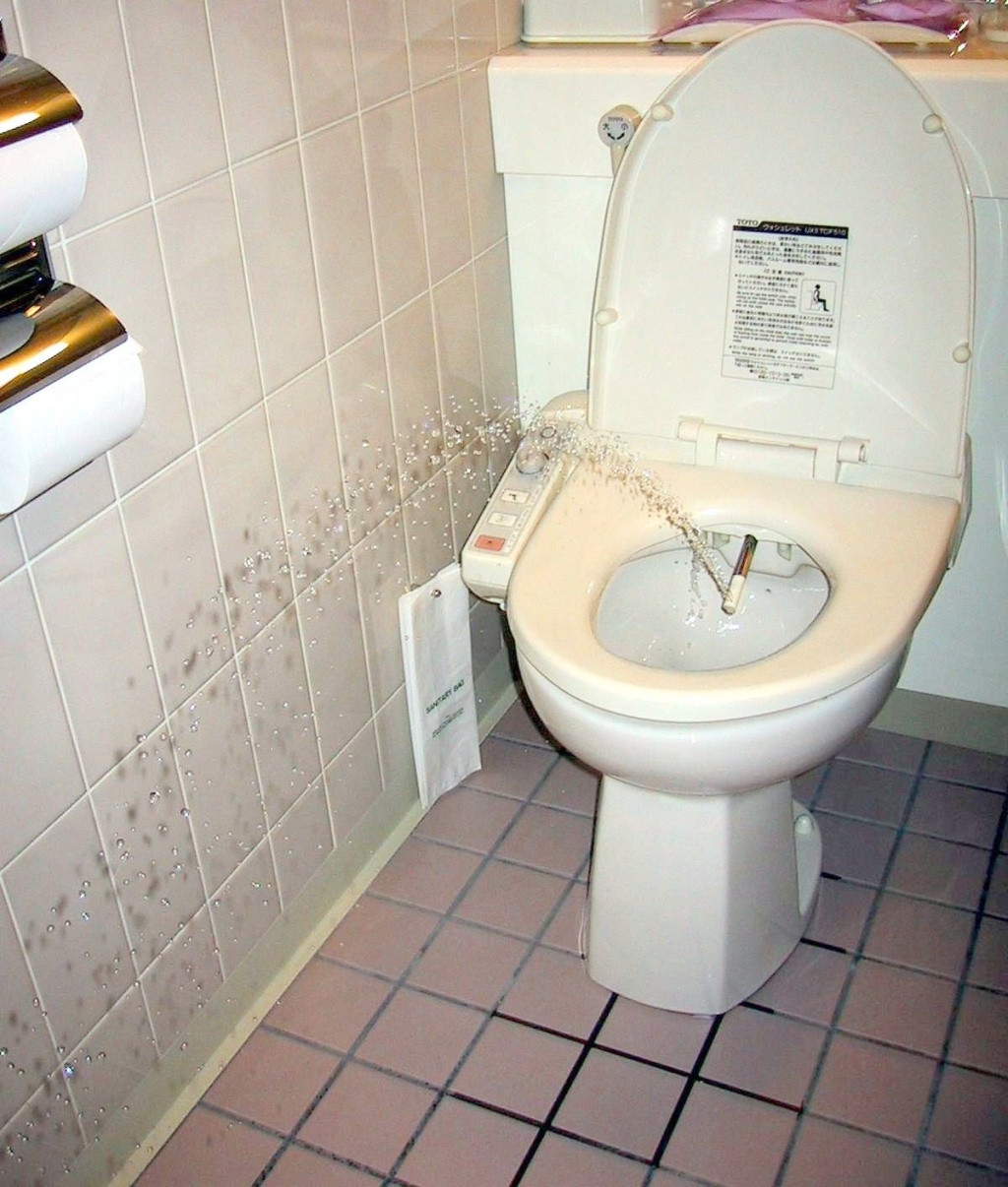
An electronic bidet is a seat attached to an existing toilet or a part of the toilet itself, with a nozzle to squirt a jet of warm water for cleaning the anus and female genitals, electrically powered and with electronic controls. It replaces the conventional bidet, a separate plumbing fixture not attached to a toilet. Some bidets of this type have one adjustable nozzle on the side rim for anus and genital areas, or two nozzles on the back rim, a shorter one for washing the area around the anus, and a longer one for women to wash their vulva.
The essential feature is the nozzle that comes out from underneath the toilet seat and squirts water. It typically has two settings: rear cleaning to wash the anus, and feminine cleaning to wash the vulva, which can be particularly useful during menstruation.
In the early 1950s, a Swiss engineer Hans Maurer developed the first loo with a warm water jet and a warm-air hairdryer for intimate areas. In 1956 he filed for a Swiss patent and brought the toilet to the market as "Closomat" (from "Closet" and "Automatic"). The first generation had a large number of teething problems and was not very successful. In 1961 he introduced the second generation and sold 10 000 units within the next 15 years.
In the early 1960s, the father of Arnold Cohen of Brooklyn, New York, US had a medical condition that caused pain in the rectal area. Arnold designed a toilet seat bidet system, which featured a nozzle that sprayed warm water and blew hot air. In 1964, Arnold patented his design, founded the American Bidet Company, and started marketing the innovative bidet product, dubbed "American Sitzbath", by using large ads and attending trade shows. It was intended for use at hospitals by patients who had difficulty using toilet paper or reaching around to wipe themselves. Arnold installed thousands of these seats in the suburbs of New York, and the company had offices across the country. Due to cultural barriers, advertising was almost impossible; few wanted to run the ads that the company produced.
Following the failure of the product in North America, Cohen licensed his invention and patent to the TOTO company in Japan. In 1967, TOTO imported Arnold's bidet system, now rebranded as 'Wash Air Seat' in Japan. The bidet system failed in Japan as well, because it was too expensive and the bidet function was too foreign for Japanese consumers.
In Japan, the INAX Sanitarina 61 (1967) was the first commercial bidet toilet with warm water spray and drying functions. The INAX Sanitarina F1 (1976) bidet toilet introduced a heated toilet seat.
Between 1978 and 1980, TOTO developed the first Washlet. In 1980, TOTO introduced the Washlet G, which debuted with three functions: rear cleansing, dryer, and a heated seat. In 1982, the first Washlet television commercial aired, featuring the singer Jun Togawa telling viewers that 'even though it's a bottom, it wants to be washed too'. In another ad, she was shown standing on a fake buttock reading a letter supposedly from her bottom, which writes that 'even bottoms have feelings'.
The Wash Air Seat and the early Washlet operated mechanically, and it took several minutes for the spray to start and for the water to heat. These problems were solved by implementing electronic operation. The Washlet's nozzle was made to extend and retract at an angle of 43 degrees, which prevented any used cleansing water from falling back onto the nozzle ("backwash").
Hub AI
Electronic bidet AI simulator
(@Electronic bidet_simulator)
Electronic bidet
An electronic bidet is a seat attached to an existing toilet or a part of the toilet itself, with a nozzle to squirt a jet of warm water for cleaning the anus and female genitals, electrically powered and with electronic controls. It replaces the conventional bidet, a separate plumbing fixture not attached to a toilet. Some bidets of this type have one adjustable nozzle on the side rim for anus and genital areas, or two nozzles on the back rim, a shorter one for washing the area around the anus, and a longer one for women to wash their vulva.
The essential feature is the nozzle that comes out from underneath the toilet seat and squirts water. It typically has two settings: rear cleaning to wash the anus, and feminine cleaning to wash the vulva, which can be particularly useful during menstruation.
In the early 1950s, a Swiss engineer Hans Maurer developed the first loo with a warm water jet and a warm-air hairdryer for intimate areas. In 1956 he filed for a Swiss patent and brought the toilet to the market as "Closomat" (from "Closet" and "Automatic"). The first generation had a large number of teething problems and was not very successful. In 1961 he introduced the second generation and sold 10 000 units within the next 15 years.
In the early 1960s, the father of Arnold Cohen of Brooklyn, New York, US had a medical condition that caused pain in the rectal area. Arnold designed a toilet seat bidet system, which featured a nozzle that sprayed warm water and blew hot air. In 1964, Arnold patented his design, founded the American Bidet Company, and started marketing the innovative bidet product, dubbed "American Sitzbath", by using large ads and attending trade shows. It was intended for use at hospitals by patients who had difficulty using toilet paper or reaching around to wipe themselves. Arnold installed thousands of these seats in the suburbs of New York, and the company had offices across the country. Due to cultural barriers, advertising was almost impossible; few wanted to run the ads that the company produced.
Following the failure of the product in North America, Cohen licensed his invention and patent to the TOTO company in Japan. In 1967, TOTO imported Arnold's bidet system, now rebranded as 'Wash Air Seat' in Japan. The bidet system failed in Japan as well, because it was too expensive and the bidet function was too foreign for Japanese consumers.
In Japan, the INAX Sanitarina 61 (1967) was the first commercial bidet toilet with warm water spray and drying functions. The INAX Sanitarina F1 (1976) bidet toilet introduced a heated toilet seat.
Between 1978 and 1980, TOTO developed the first Washlet. In 1980, TOTO introduced the Washlet G, which debuted with three functions: rear cleansing, dryer, and a heated seat. In 1982, the first Washlet television commercial aired, featuring the singer Jun Togawa telling viewers that 'even though it's a bottom, it wants to be washed too'. In another ad, she was shown standing on a fake buttock reading a letter supposedly from her bottom, which writes that 'even bottoms have feelings'.
The Wash Air Seat and the early Washlet operated mechanically, and it took several minutes for the spray to start and for the water to heat. These problems were solved by implementing electronic operation. The Washlet's nozzle was made to extend and retract at an angle of 43 degrees, which prevented any used cleansing water from falling back onto the nozzle ("backwash").
Recent media