
Recent from talks
Elia Kazan
Knowledge base stats:
Talk channels stats:
Members stats:
Elia Kazan
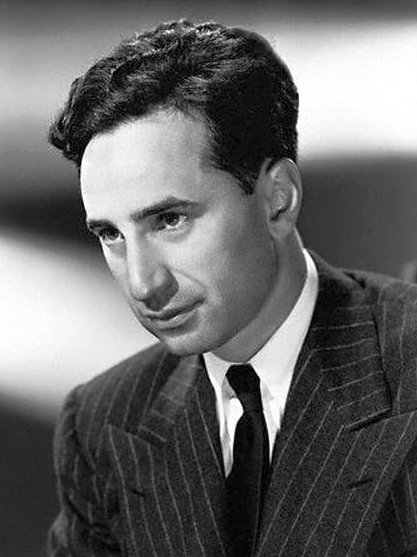
Elias Kazantzoglou (Greek: Ηλίας Καζαντζόγλου, IPA: [iˈli.as kazanˈdzoɣlu]; September 7, 1909 – September 28, 2003), known as Elia Kazan (/ˈiːliə kəˈzæn/ EE-lee-ə kə-ZAN), was a Greek-American film and theatre director, producer, screenwriter and actor, described by The New York Times as "one of the most honored and influential directors in Broadway and Hollywood history".
Born in Constantinople (now Istanbul) to Cappadocian Greek parents, his family came to the United States in 1913. After attending Williams College and then the Yale School of Drama, he acted professionally for eight years, later joining the Group Theatre in 1932, and co-founded the Actors Studio in 1947. With Robert Lewis and Cheryl Crawford, his actors' studio introduced "Method Acting" under the direction of Lee Strasberg. Kazan acted in a few films, including City for Conquest (1940).
His films were concerned with personal or social issues of special concern to him. Kazan writes, "I don't move unless I have some empathy with the basic theme." His first such "issue" film was Gentleman's Agreement (1947), with Gregory Peck, which dealt with antisemitism in the United States. It received eight Oscar nominations and three wins, including Kazan's first for Best Director. It was followed by Pinky (1949), one of the first films in mainstream Hollywood to address racial prejudice against African Americans. A Streetcar Named Desire (1951), an adaptation of the stage play which he had also directed, received twelve Oscar nominations, winning four, and was Marlon Brando's breakthrough role. Three years later, he directed Brando again in On the Waterfront, a film about union corruption on the New York harbor waterfront. It also received twelve Oscar nominations, winning eight. In 1955, he directed John Steinbeck's East of Eden, starring James Dean.
A turning point in Kazan's career came with his testimony as a "friendly witness" before the House Un-American Activities Committee (HUAC) in 1952 at the height of the Hollywood blacklist. His decision to cooperate and name names brought him strong negative reactions from many friends and associates. His harshly anti-communist testimony "damaged if not shattered the careers of his former colleagues, Morris Carnovsky and Art Smith, both actors, and the playwright Clifford Odets". In his memoirs, Kazan writes that he and Odets had made a pact at the time to name each other in front of the committee. Kazan later justified his actions by saying he took "only the more tolerable of two alternatives that were either way painful and wrong". Nearly a half-century later, his 1952 HUAC testimony continued to cause controversy. When Kazan was awarded an honorary Oscar in 1999, dozens of actors chose not to applaud as 250 demonstrators picketed the event.
Kazan influenced the films of the 1950s and 1960s with his provocative, issue-driven subjects. Director Stanley Kubrick called him "without question, the best director we have in America, [and] capable of performing miracles with the actors he uses". Film author Ian Freer concludes that even "if his achievements are tainted by political controversy, the debt Hollywood—and actors everywhere—owes him is enormous". Orson Welles said "Kazan is a traitor ... [but] he is a very good director". In 2010, Martin Scorsese co-directed the documentary film A Letter to Elia as a personal tribute to Kazan.
Kazan was born in the Kadıköy district of Constantinople (now Istanbul), to Cappadocian Greek parents, originally from Kayseri in Anatolia. He arrived in the United States with his parents, Athena (née Shishmanoglou) and George Kazantzoglou, on July 8, 1913. He was named after his paternal grandfather, Elias Kazantzoglou. His maternal grandfather was Isaak Shishmanoglou. Elia's brother, Avraam, was born in Berlin and later became a psychiatrist.
Kazan was raised in the Greek Orthodox Church and attended Greek Orthodox services every Sunday, where he had to stand for several hours with his father. His mother read the Bible but did not go to church. When Kazan was about eight years old, the family moved to New Rochelle, New York, and his father sent him to a Catholic catechism school because there was no Orthodox church nearby.
As a young boy, he was remembered as being shy, and his college classmates characterized him as more of a loner. Much of his early life was portrayed in his autobiographical book, America America, which he made into a 1963 film. In it, he describes his family as "alienated" from both their parents' Greek Orthodox values and from those of "mainstream America". His mother's family were cotton merchants who imported cotton from England and sold it wholesale. His father had become a rug merchant after immigrating to the United States, and he expected his son would someday take over the family business.
Hub AI
Elia Kazan AI simulator
(@Elia Kazan_simulator)
Elia Kazan
Elias Kazantzoglou (Greek: Ηλίας Καζαντζόγλου, IPA: [iˈli.as kazanˈdzoɣlu]; September 7, 1909 – September 28, 2003), known as Elia Kazan (/ˈiːliə kəˈzæn/ EE-lee-ə kə-ZAN), was a Greek-American film and theatre director, producer, screenwriter and actor, described by The New York Times as "one of the most honored and influential directors in Broadway and Hollywood history".
Born in Constantinople (now Istanbul) to Cappadocian Greek parents, his family came to the United States in 1913. After attending Williams College and then the Yale School of Drama, he acted professionally for eight years, later joining the Group Theatre in 1932, and co-founded the Actors Studio in 1947. With Robert Lewis and Cheryl Crawford, his actors' studio introduced "Method Acting" under the direction of Lee Strasberg. Kazan acted in a few films, including City for Conquest (1940).
His films were concerned with personal or social issues of special concern to him. Kazan writes, "I don't move unless I have some empathy with the basic theme." His first such "issue" film was Gentleman's Agreement (1947), with Gregory Peck, which dealt with antisemitism in the United States. It received eight Oscar nominations and three wins, including Kazan's first for Best Director. It was followed by Pinky (1949), one of the first films in mainstream Hollywood to address racial prejudice against African Americans. A Streetcar Named Desire (1951), an adaptation of the stage play which he had also directed, received twelve Oscar nominations, winning four, and was Marlon Brando's breakthrough role. Three years later, he directed Brando again in On the Waterfront, a film about union corruption on the New York harbor waterfront. It also received twelve Oscar nominations, winning eight. In 1955, he directed John Steinbeck's East of Eden, starring James Dean.
A turning point in Kazan's career came with his testimony as a "friendly witness" before the House Un-American Activities Committee (HUAC) in 1952 at the height of the Hollywood blacklist. His decision to cooperate and name names brought him strong negative reactions from many friends and associates. His harshly anti-communist testimony "damaged if not shattered the careers of his former colleagues, Morris Carnovsky and Art Smith, both actors, and the playwright Clifford Odets". In his memoirs, Kazan writes that he and Odets had made a pact at the time to name each other in front of the committee. Kazan later justified his actions by saying he took "only the more tolerable of two alternatives that were either way painful and wrong". Nearly a half-century later, his 1952 HUAC testimony continued to cause controversy. When Kazan was awarded an honorary Oscar in 1999, dozens of actors chose not to applaud as 250 demonstrators picketed the event.
Kazan influenced the films of the 1950s and 1960s with his provocative, issue-driven subjects. Director Stanley Kubrick called him "without question, the best director we have in America, [and] capable of performing miracles with the actors he uses". Film author Ian Freer concludes that even "if his achievements are tainted by political controversy, the debt Hollywood—and actors everywhere—owes him is enormous". Orson Welles said "Kazan is a traitor ... [but] he is a very good director". In 2010, Martin Scorsese co-directed the documentary film A Letter to Elia as a personal tribute to Kazan.
Kazan was born in the Kadıköy district of Constantinople (now Istanbul), to Cappadocian Greek parents, originally from Kayseri in Anatolia. He arrived in the United States with his parents, Athena (née Shishmanoglou) and George Kazantzoglou, on July 8, 1913. He was named after his paternal grandfather, Elias Kazantzoglou. His maternal grandfather was Isaak Shishmanoglou. Elia's brother, Avraam, was born in Berlin and later became a psychiatrist.
Kazan was raised in the Greek Orthodox Church and attended Greek Orthodox services every Sunday, where he had to stand for several hours with his father. His mother read the Bible but did not go to church. When Kazan was about eight years old, the family moved to New Rochelle, New York, and his father sent him to a Catholic catechism school because there was no Orthodox church nearby.
As a young boy, he was remembered as being shy, and his college classmates characterized him as more of a loner. Much of his early life was portrayed in his autobiographical book, America America, which he made into a 1963 film. In it, he describes his family as "alienated" from both their parents' Greek Orthodox values and from those of "mainstream America". His mother's family were cotton merchants who imported cotton from England and sold it wholesale. His father had become a rug merchant after immigrating to the United States, and he expected his son would someday take over the family business.
Recent media