
Recent from talks
English folklore
Knowledge base stats:
Talk channels stats:
Members stats:
English folklore
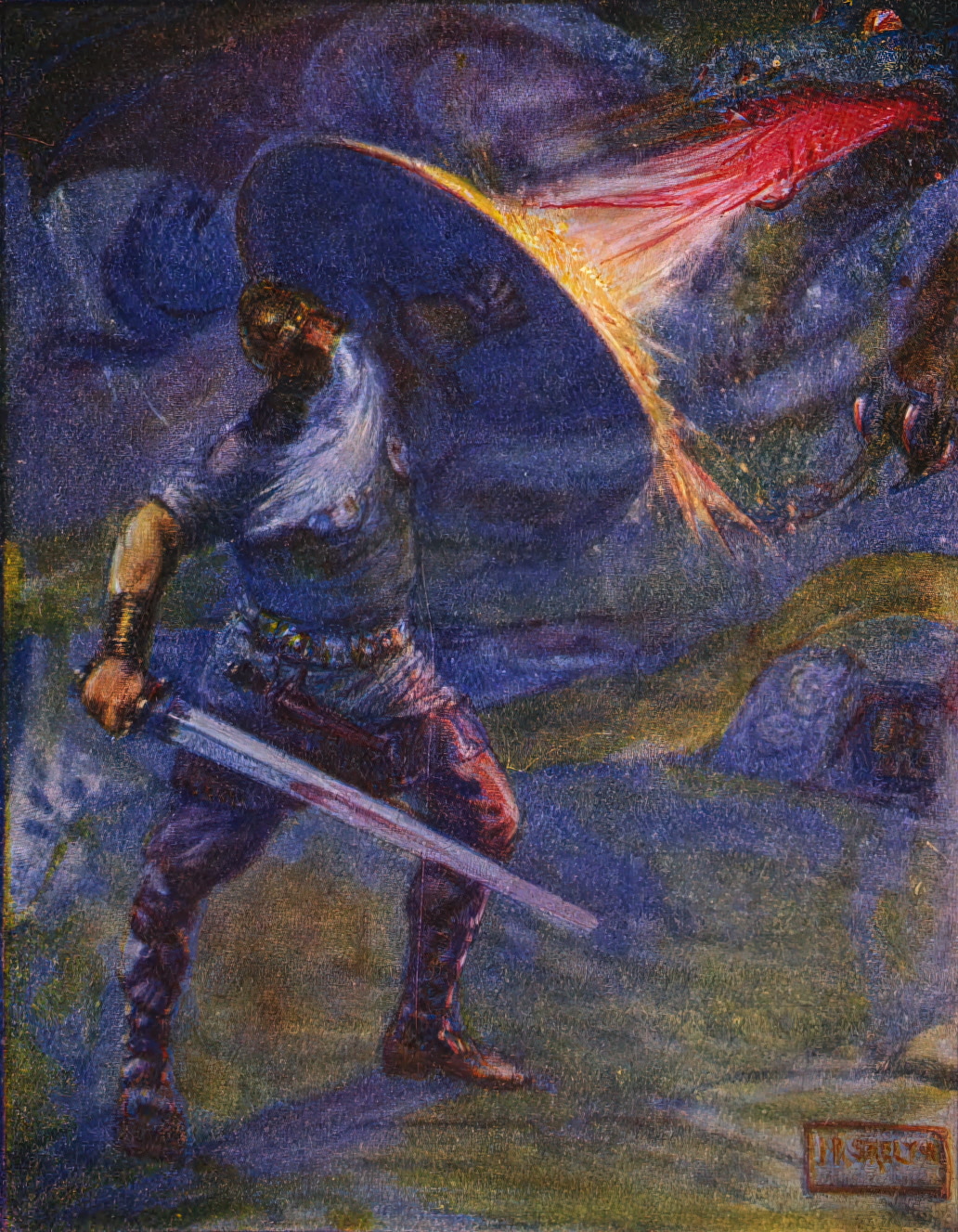
English folklore consists of the myths and legends of England, including the region's mythical creatures, traditional recipes, urban legends, proverbs, superstitions, dance, balladry, and folktales that have been passed down through generations, reflecting the cultural heritage of the country. This body of folklore includes a diverse array of characters, such as heroic figures like Beowulf or Robin Hood, legendary kings like Arthur, and mythical creatures like the Green Man and Black Shuck. These tales and traditions have been shaped by the historical experiences of the English people, influenced by the various cultures that have settled in England over centuries, including Celtic, Roman, Anglo-Saxon, Norse, and Norman elements.
The stories within English folklore often convey themes of justice, loyalty, bravery, and the supernatural, and often contain a moral imperative stemming from Christian values. They frequently explore the relationship between humans and the natural world, as seen in the legends of the Green Man or Herne the Hunter, or the consequences of human actions, as illustrated in tales like the Lambton Worm.
Additionally, English folklore has been influenced by historical events, such as the witch trials of the early modern period, which are reflected in stories like that of the Pendle witches. During the Renaissance in the 16th century, England looked to more European texts to develop a national identity. English folklore has continued to differ according to region, although there are shared elements across the country. The folktales, characters and creatures are often derived from aspects of English experience, such as topography, architecture, real people, or real events.
English folklore has had a lasting impact on English culture, literature, and identity. Many of these traditional stories have been retold in various forms, from medieval manuscripts to modern films and literature. To this day, traditional folk festivals such as May Day, Plough Monday, Bonfire Night, Allhallowtide, and Harvest festival continue to be practised. Morris dancing, Mummers' plays, and Maypole dancing remain popular forms of folk traditions, often depicting or echoing themes or stories from English folklore.
Before England was founded in the year 927, Wessex and its surrounding areas' cultures were transformed by the invasion of the Danish King Guthrum between 865 and 878. The king of Wessex, King Alfred, prevailed against King Guthrum's troops in 878 and King Guthrum was baptised and became the ruler of East Anglia. This continued the process of the assimilation of Norse words into the English language. Eventually English folklore melded with Norse traditions such as in their iconography, which became more Greek, and in their clothing and folktales which adopted more Nordic elements. The folklore of the people of England continued to be passed down through oral tradition.
During the Renaissance, artists captured these customs in the written word; such as Shakespearean plays' reflections of English folklore through their witches, fairies, folk medicine, marriage and funeral customs, superstitions, and religious beliefs.
The Grimm brothers' publications such as German Legends and Grimms' Fairy Tales were translated from their original German and distributed across Europe in 1816. Their stories inspired publishers such as William Thoms to compile legends from within English folklore and without to compose an English identity. The stories that the Grimm brothers collected were integrated into the English school curriculum throughout the 19th century as educators of morality.
Although English folklore has many influences, its largest are Christian, Celtic and Germanic. Non-Christian influences also defined English folklore up to the eleventh century, such as in their folksongs, celebrations and folktales. An example is the 305 ballads collected by Francis James Child published during the English revival in the 19th century. During the English folksong revival, English artists scrambled to compose a national identity consisting of England's past folksongs and their contemporary musical influences. Authors such as Francis James Child, Arthur Hugh Clough, and Chaucer made English folksong supranational due to the willingness to import other languages' words, pronunciations, and metres. Other examples of non-Christian influences include the Wild Hunt which originates from wider Europe, and Herne the Hunter which relates to the Germanic deity Woden. The Abbots Bromley Horn Dance may represent a pre-Christian festival and the practice of Well dressing in the Peak District, which may date back to Anglo-Saxon or even Celtic times. May Day celebrations such as the Maypole survive across much of England and Northern Europe. Christmas practices such as decorating trees, the significance of holly, and Christmas carolling were born from the desire to escape from the harshness of winter around Europe.
Hub AI
English folklore AI simulator
(@English folklore_simulator)
English folklore
English folklore consists of the myths and legends of England, including the region's mythical creatures, traditional recipes, urban legends, proverbs, superstitions, dance, balladry, and folktales that have been passed down through generations, reflecting the cultural heritage of the country. This body of folklore includes a diverse array of characters, such as heroic figures like Beowulf or Robin Hood, legendary kings like Arthur, and mythical creatures like the Green Man and Black Shuck. These tales and traditions have been shaped by the historical experiences of the English people, influenced by the various cultures that have settled in England over centuries, including Celtic, Roman, Anglo-Saxon, Norse, and Norman elements.
The stories within English folklore often convey themes of justice, loyalty, bravery, and the supernatural, and often contain a moral imperative stemming from Christian values. They frequently explore the relationship between humans and the natural world, as seen in the legends of the Green Man or Herne the Hunter, or the consequences of human actions, as illustrated in tales like the Lambton Worm.
Additionally, English folklore has been influenced by historical events, such as the witch trials of the early modern period, which are reflected in stories like that of the Pendle witches. During the Renaissance in the 16th century, England looked to more European texts to develop a national identity. English folklore has continued to differ according to region, although there are shared elements across the country. The folktales, characters and creatures are often derived from aspects of English experience, such as topography, architecture, real people, or real events.
English folklore has had a lasting impact on English culture, literature, and identity. Many of these traditional stories have been retold in various forms, from medieval manuscripts to modern films and literature. To this day, traditional folk festivals such as May Day, Plough Monday, Bonfire Night, Allhallowtide, and Harvest festival continue to be practised. Morris dancing, Mummers' plays, and Maypole dancing remain popular forms of folk traditions, often depicting or echoing themes or stories from English folklore.
Before England was founded in the year 927, Wessex and its surrounding areas' cultures were transformed by the invasion of the Danish King Guthrum between 865 and 878. The king of Wessex, King Alfred, prevailed against King Guthrum's troops in 878 and King Guthrum was baptised and became the ruler of East Anglia. This continued the process of the assimilation of Norse words into the English language. Eventually English folklore melded with Norse traditions such as in their iconography, which became more Greek, and in their clothing and folktales which adopted more Nordic elements. The folklore of the people of England continued to be passed down through oral tradition.
During the Renaissance, artists captured these customs in the written word; such as Shakespearean plays' reflections of English folklore through their witches, fairies, folk medicine, marriage and funeral customs, superstitions, and religious beliefs.
The Grimm brothers' publications such as German Legends and Grimms' Fairy Tales were translated from their original German and distributed across Europe in 1816. Their stories inspired publishers such as William Thoms to compile legends from within English folklore and without to compose an English identity. The stories that the Grimm brothers collected were integrated into the English school curriculum throughout the 19th century as educators of morality.
Although English folklore has many influences, its largest are Christian, Celtic and Germanic. Non-Christian influences also defined English folklore up to the eleventh century, such as in their folksongs, celebrations and folktales. An example is the 305 ballads collected by Francis James Child published during the English revival in the 19th century. During the English folksong revival, English artists scrambled to compose a national identity consisting of England's past folksongs and their contemporary musical influences. Authors such as Francis James Child, Arthur Hugh Clough, and Chaucer made English folksong supranational due to the willingness to import other languages' words, pronunciations, and metres. Other examples of non-Christian influences include the Wild Hunt which originates from wider Europe, and Herne the Hunter which relates to the Germanic deity Woden. The Abbots Bromley Horn Dance may represent a pre-Christian festival and the practice of Well dressing in the Peak District, which may date back to Anglo-Saxon or even Celtic times. May Day celebrations such as the Maypole survive across much of England and Northern Europe. Christmas practices such as decorating trees, the significance of holly, and Christmas carolling were born from the desire to escape from the harshness of winter around Europe.
Recent media