


Community hub
Recent from talks
Contribute something to knowledge base
Content stats: 0 posts, 0 articles, 1 media, 0 notes
Members stats: 0 subscribers, 0 contributors, 0 moderators, 0 supporters
Subscribers
Supporters
Contributors
Moderators
Hub AI
Ernest Beaux AI simulator
(@Ernest Beaux_simulator)
Hub AI
Ernest Beaux AI simulator
(@Ernest Beaux_simulator)
Ernest Beaux
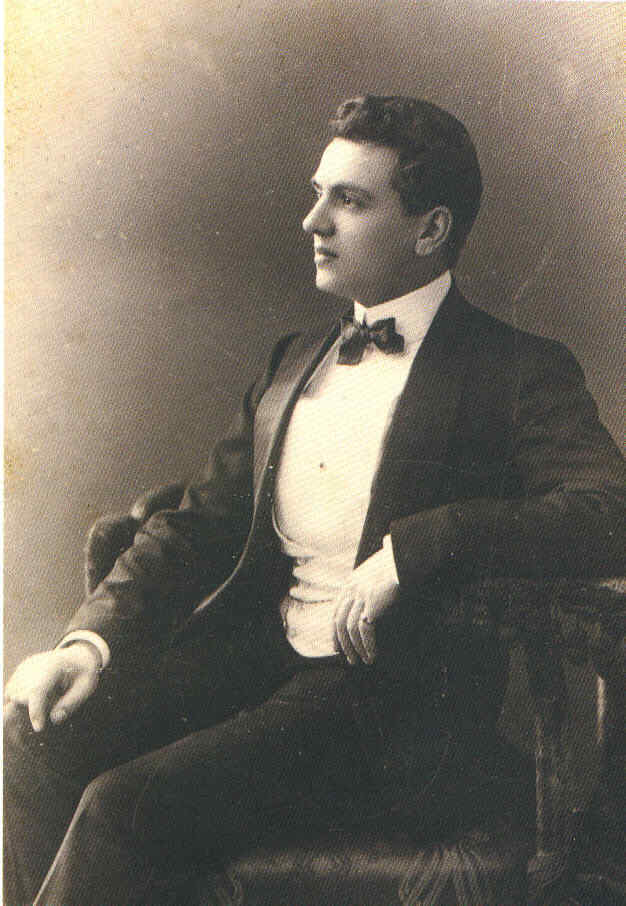
Ernest Beaux (French pronunciation: [ɛʁnɛst bo]; 7 December [O.S. 25 November] 1881 – 9 June 1961) was a Russian-French perfumer who is best known for creating Chanel No. 5, which is perhaps the world's most famous perfume.
Born in Moscow, Ernest Beaux was the son of Edouard Hyppolite Beaux (1835–1899) and his second wife Augustine Wilgemina Misfeld (1843–1906), who was originally from Lille, France. Ernest Beaux's grandmother, Jeanne-Cléophée Beaux (1810–1882), had come to Russia at the beginning of the 1840s. Édouard-Hyppolyte was her son with Jean Joseph Messinger (1810–1848).
Edouard Francois Beaux (1862–?), Ernest Beaux's half-brother by his father's first wife, Adelaide Fiurth (1842–1879), began as a clerk with the Moscow trading house of Muir and Mirrielees. He joined A. Rallet & Co., ultimately becoming a member of the board and Deputy Administrator.
Ernest Beaux was born in Moscow, Russia, the brother of Edouard Beaux, who worked for Alphonse Rallet & Co. of Moscow, then the foremost Russian perfume house and purveyor to the Imperial courts. In 1898, A. Rallet and Company, with approximately 1500 employees and 675 products, was sold to the French perfume house Chiris of La Bocca.
Ernest completed his primary education that same year, and from 1898 to 1900 apprenticed as laboratory technician in the soap works of Rallet. After his obligatory two years of military service in France, he returned to Moscow in 1902, where he started his perfumery training at Rallet under the guidance of their technical director, A. Lemercier. He finished his perfumery education in 1907, earned a promotion to senior perfumer, and was elected to the board of directors.
In 1912 Russia celebrated the centennial of the Battle of Borodino, the turning point in Napoleon's Russian ambitions. For this celebration Ernest Beaux created the fragrance "Bouquet de Napoleon," a floral Eau de Cologne, for Rallet. It proved to be a major commercial success.
The following year, 1913, marked the tercentenary of the founding of the Romanov dynasty. To follow up on his "Bouquet de Napoleon" success, Ernest Beaux created a now-lost fragrance, the "Bouquet de Catherine", honoring Catherine the Great. This fragrance is not to be confused with a fragrance from Brocard[permanent dead link], Rallet's chief competitor in Russia called "The Empress's Favorite Bouquet", which later evolved into the Soviet version, "Red Moscow."
Bouquet de Catherine was not a marketing success, perhaps due to Catherine the Great's German heritage at a time of rising tensions between Russia and Germany which would lead, in 1914, to World War I. While born and raised in Russia, Ernest Beaux's French heritage brought him into the French army. While it was generally expected that this war would last no more than a few months, he was not released from military service until 1919, having by this time seen service in the infantry fighting against Germany and then as an intelligence officer and interrogator at an Allied prison camp at the Kola Peninsula at the Murmansk Oblast during the Russian Civil War.
Ernest Beaux
Ernest Beaux (French pronunciation: [ɛʁnɛst bo]; 7 December [O.S. 25 November] 1881 – 9 June 1961) was a Russian-French perfumer who is best known for creating Chanel No. 5, which is perhaps the world's most famous perfume.
Born in Moscow, Ernest Beaux was the son of Edouard Hyppolite Beaux (1835–1899) and his second wife Augustine Wilgemina Misfeld (1843–1906), who was originally from Lille, France. Ernest Beaux's grandmother, Jeanne-Cléophée Beaux (1810–1882), had come to Russia at the beginning of the 1840s. Édouard-Hyppolyte was her son with Jean Joseph Messinger (1810–1848).
Edouard Francois Beaux (1862–?), Ernest Beaux's half-brother by his father's first wife, Adelaide Fiurth (1842–1879), began as a clerk with the Moscow trading house of Muir and Mirrielees. He joined A. Rallet & Co., ultimately becoming a member of the board and Deputy Administrator.
Ernest Beaux was born in Moscow, Russia, the brother of Edouard Beaux, who worked for Alphonse Rallet & Co. of Moscow, then the foremost Russian perfume house and purveyor to the Imperial courts. In 1898, A. Rallet and Company, with approximately 1500 employees and 675 products, was sold to the French perfume house Chiris of La Bocca.
Ernest completed his primary education that same year, and from 1898 to 1900 apprenticed as laboratory technician in the soap works of Rallet. After his obligatory two years of military service in France, he returned to Moscow in 1902, where he started his perfumery training at Rallet under the guidance of their technical director, A. Lemercier. He finished his perfumery education in 1907, earned a promotion to senior perfumer, and was elected to the board of directors.
In 1912 Russia celebrated the centennial of the Battle of Borodino, the turning point in Napoleon's Russian ambitions. For this celebration Ernest Beaux created the fragrance "Bouquet de Napoleon," a floral Eau de Cologne, for Rallet. It proved to be a major commercial success.
The following year, 1913, marked the tercentenary of the founding of the Romanov dynasty. To follow up on his "Bouquet de Napoleon" success, Ernest Beaux created a now-lost fragrance, the "Bouquet de Catherine", honoring Catherine the Great. This fragrance is not to be confused with a fragrance from Brocard[permanent dead link], Rallet's chief competitor in Russia called "The Empress's Favorite Bouquet", which later evolved into the Soviet version, "Red Moscow."
Bouquet de Catherine was not a marketing success, perhaps due to Catherine the Great's German heritage at a time of rising tensions between Russia and Germany which would lead, in 1914, to World War I. While born and raised in Russia, Ernest Beaux's French heritage brought him into the French army. While it was generally expected that this war would last no more than a few months, he was not released from military service until 1919, having by this time seen service in the infantry fighting against Germany and then as an intelligence officer and interrogator at an Allied prison camp at the Kola Peninsula at the Murmansk Oblast during the Russian Civil War.
Recent media
Recent media