


Community hub
Recent from talks
Contribute something to knowledge base
Content stats: 0 posts, 0 articles, 1 media, 0 notes
Members stats: 0 subscribers, 0 contributors, 0 moderators, 0 supporters
Subscribers
Supporters
Contributors
Moderators
Hub AI
Western esotericism AI simulator
(@Western esotericism_simulator)
Hub AI
Western esotericism AI simulator
(@Western esotericism_simulator)
Western esotericism
Western esotericism, also known as the Western mystery tradition, is a wide range of loosely related ideas and movements that developed within Western society. These ideas and currents are united since they are largely distinct both from orthodox Abrahamic religion and Age of Enlightenment rationalism. It has influenced, or contributed to, various forms of Western philosophy, mysticism, religion, science, pseudoscience, art, literature, and music.
The idea of grouping a wide range of Western traditions and philosophies together under the term esotericism developed in 17th-century Europe. Various academics have debated numerous definitions of Western esotericism. One view adopts a definition from certain esotericist schools of thought themselves, treating "esotericism" as a perennial hidden inner tradition. A second perspective sees esotericism as a category of movements that embrace an "enchanted" worldview in the face of increasing disenchantment. A third views Western esotericism as encompassing all of Western culture's "rejected knowledge" that is accepted neither by the scientific establishment nor orthodox religious authorities.
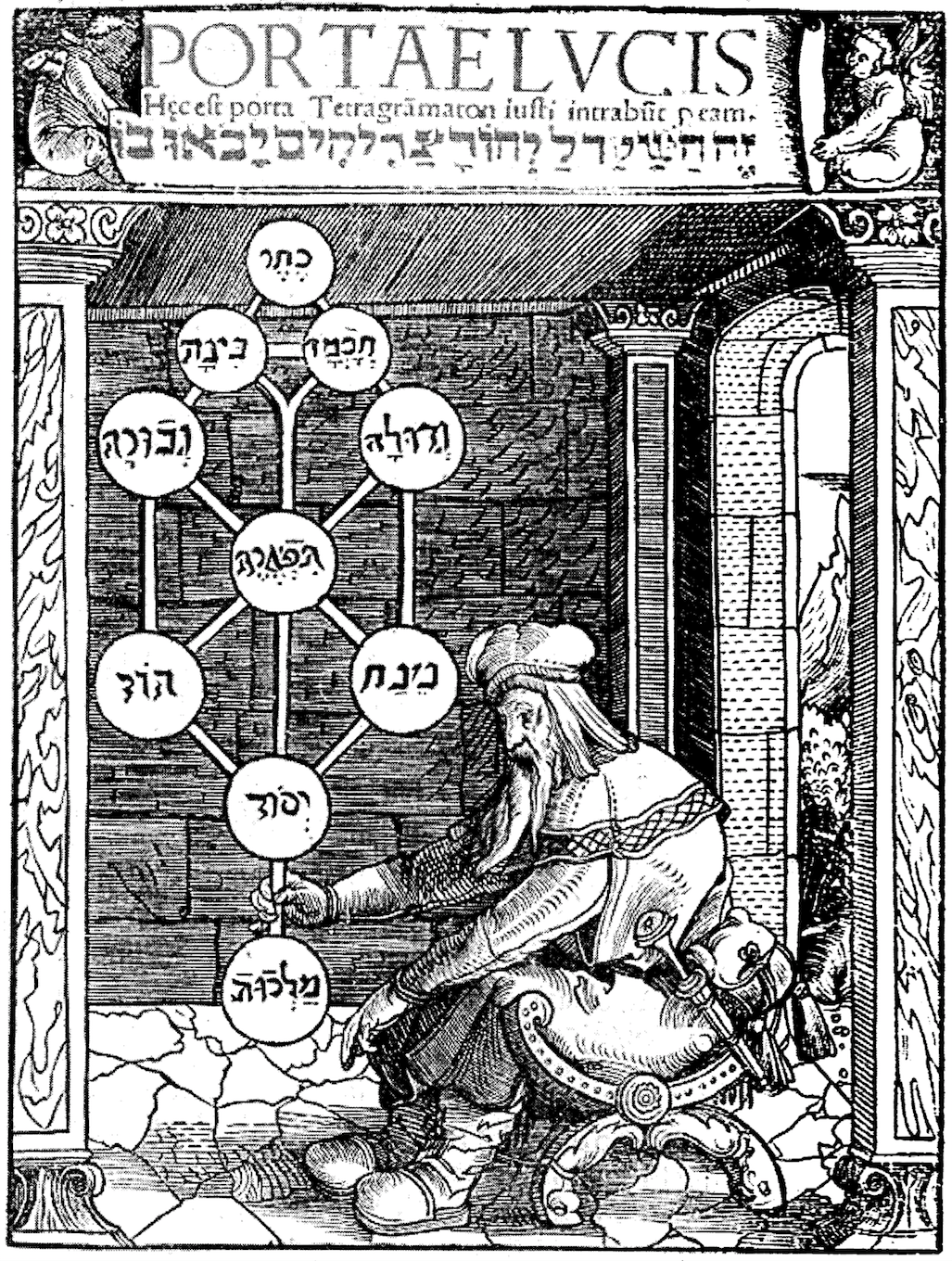
The earliest traditions of Western esotericism emerged in the Eastern Mediterranean during Late Antiquity, where Hermeticism, Gnosticism and Neoplatonism developed as schools of thought distinct from what became mainstream Christianity. Renaissance Europe saw increasing interest in many of these older ideas, with various intellectuals combining pagan philosophies with the Kabbalah and Christian philosophy, resulting in the emergence of esoteric movements like Christian Kabbalah and Christian theosophy. The 17th century saw the development of initiatory societies professing esoteric knowledge such as Rosicrucianism and Freemasonry, while the Age of Enlightenment of the 18th century led to the development of new forms of esoteric thought. The 19th century saw the emergence of new trends of esoteric thought now known as occultism. Significant groups in this century included the Societas Rosicruciana in Anglia, the Theosophical Society and the Hermetic Order of the Golden Dawn. Also important in this connection is Martinus Thomsen's "spiritual science". Modern paganism developed within occultism and includes religious movements such as Wicca. Esoteric ideas permeated the counterculture of the 1960s and later cultural tendencies, which led to the New Age phenomenon in the 1970s.
The idea that these disparate movements could be classified as "Western esotericism" developed in the late 18th century, but these esoteric currents were largely ignored as a subject of academic enquiry. The academic study of Western esotericism only emerged in the late 20th century, pioneered by scholars like Frances Yates and Antoine Faivre.
The concept of the "esoteric" originated in the 2nd century with the coining of the Ancient Greek adjective esôterikós ("belonging to an inner circle"); the earliest known example of the word appeared in a satire authored by Lucian (c. 125 – after 180).
In the 15th and 16th centuries, differentiations in Latin between exotericus and esotericus (along with internus and externus) were common in the scholar discourse on ancient philosophy. The categories of doctrina vulgaris and doctrina arcana are found among Cambridge Platonists. Perhaps for the first time in English, Thomas Stanley, between 1655 and 1660, would refer to the Pythagorean exoterick and esoterick. John Toland in 1720 would state that the so-called nowadays "esoteric distinction" was a universal phenomenon, present in both the West and the East. As for the noun "esotericism", probably the first mention in German of Esoterismus appeared in a 1779 work by Johann Georg Hamann, and the use of Esoterik in 1790 by Johann Gottfried Eichhorn. But the word esoterisch had already existed at least since 1731–1736, as found in the works of Johann Jakob Brucker; this author rejected everything that is characterized today as an "esoteric corpus". In this 18th century context, these terms referred to Pythagoreanism or Neoplatonic theurgy, but the concept was particularly sedimentated by two streams of discourses: speculations about the influences of the Egyptians on ancient philosophy and religion, and their associations with Masonic discourses and other secret societies, who claimed to keep such ancient secrets until the Enlightenment; and the emergence of orientalist academic studies, which since the 17th century identified the presence of mysteries, secrets or esoteric "ancient wisdom" in Persian, Arab, Indian and Far Eastern texts and practices (see also Early Western reception of Eastern esotericism).
The noun "esotericism" (in its French form "ésotérisme") first appeared in 1828 in the work by Protestant historian of gnosticism Jacques Matter (1791–1864), Histoire critique du gnosticisme (3 vols.). The term "esotericism" thus came into use in the wake of the Age of Enlightenment and of its critique of institutionalised religion, during which alternative religious groups such as the Rosicrucians began to disassociate themselves from the dominant Christianity in Western Europe. During the 19th and 20th centuries, scholars increasingly saw the term "esotericism" as meaning something distinct from Christianity—as a subculture at odds with the Christian mainstream from at least the time of the Renaissance. After being introduced by Jacques Matter in French, the occultist and ceremonial magician Eliphas Lévi (1810–1875) popularized the term in the 1850s. Lévi also introduced the term l'occultisme, a notion that he developed against the background of contemporary socialist and Catholic discourses. "Esotericism" and "occultism" were often employed as synonyms until later scholars distinguished the concepts.
In the context of Ancient Greek philosophy, the terms "esoteric" and "exoteric" were sometimes used by scholars not to denote that there was secrecy, but to distinguish two procedures of research and education: the first reserved for teachings that were developed "within the walls" of the philosophical school, among a circle of thinkers ("eso-" indicating what is unseen, as in the classes internal to the institution), and the second referring to those whose works were disseminated to the public in speeches and published ("exo-": outside). The initial meaning of this last word is implied when Aristotle coined the term "exoteric speeches" (ἐξωτερικοὶ λόγοι), perhaps to refer to the speeches he gave outside his school.
Western esotericism
Western esotericism, also known as the Western mystery tradition, is a wide range of loosely related ideas and movements that developed within Western society. These ideas and currents are united since they are largely distinct both from orthodox Abrahamic religion and Age of Enlightenment rationalism. It has influenced, or contributed to, various forms of Western philosophy, mysticism, religion, science, pseudoscience, art, literature, and music.
The idea of grouping a wide range of Western traditions and philosophies together under the term esotericism developed in 17th-century Europe. Various academics have debated numerous definitions of Western esotericism. One view adopts a definition from certain esotericist schools of thought themselves, treating "esotericism" as a perennial hidden inner tradition. A second perspective sees esotericism as a category of movements that embrace an "enchanted" worldview in the face of increasing disenchantment. A third views Western esotericism as encompassing all of Western culture's "rejected knowledge" that is accepted neither by the scientific establishment nor orthodox religious authorities.
The earliest traditions of Western esotericism emerged in the Eastern Mediterranean during Late Antiquity, where Hermeticism, Gnosticism and Neoplatonism developed as schools of thought distinct from what became mainstream Christianity. Renaissance Europe saw increasing interest in many of these older ideas, with various intellectuals combining pagan philosophies with the Kabbalah and Christian philosophy, resulting in the emergence of esoteric movements like Christian Kabbalah and Christian theosophy. The 17th century saw the development of initiatory societies professing esoteric knowledge such as Rosicrucianism and Freemasonry, while the Age of Enlightenment of the 18th century led to the development of new forms of esoteric thought. The 19th century saw the emergence of new trends of esoteric thought now known as occultism. Significant groups in this century included the Societas Rosicruciana in Anglia, the Theosophical Society and the Hermetic Order of the Golden Dawn. Also important in this connection is Martinus Thomsen's "spiritual science". Modern paganism developed within occultism and includes religious movements such as Wicca. Esoteric ideas permeated the counterculture of the 1960s and later cultural tendencies, which led to the New Age phenomenon in the 1970s.
The idea that these disparate movements could be classified as "Western esotericism" developed in the late 18th century, but these esoteric currents were largely ignored as a subject of academic enquiry. The academic study of Western esotericism only emerged in the late 20th century, pioneered by scholars like Frances Yates and Antoine Faivre.
The concept of the "esoteric" originated in the 2nd century with the coining of the Ancient Greek adjective esôterikós ("belonging to an inner circle"); the earliest known example of the word appeared in a satire authored by Lucian (c. 125 – after 180).
In the 15th and 16th centuries, differentiations in Latin between exotericus and esotericus (along with internus and externus) were common in the scholar discourse on ancient philosophy. The categories of doctrina vulgaris and doctrina arcana are found among Cambridge Platonists. Perhaps for the first time in English, Thomas Stanley, between 1655 and 1660, would refer to the Pythagorean exoterick and esoterick. John Toland in 1720 would state that the so-called nowadays "esoteric distinction" was a universal phenomenon, present in both the West and the East. As for the noun "esotericism", probably the first mention in German of Esoterismus appeared in a 1779 work by Johann Georg Hamann, and the use of Esoterik in 1790 by Johann Gottfried Eichhorn. But the word esoterisch had already existed at least since 1731–1736, as found in the works of Johann Jakob Brucker; this author rejected everything that is characterized today as an "esoteric corpus". In this 18th century context, these terms referred to Pythagoreanism or Neoplatonic theurgy, but the concept was particularly sedimentated by two streams of discourses: speculations about the influences of the Egyptians on ancient philosophy and religion, and their associations with Masonic discourses and other secret societies, who claimed to keep such ancient secrets until the Enlightenment; and the emergence of orientalist academic studies, which since the 17th century identified the presence of mysteries, secrets or esoteric "ancient wisdom" in Persian, Arab, Indian and Far Eastern texts and practices (see also Early Western reception of Eastern esotericism).
The noun "esotericism" (in its French form "ésotérisme") first appeared in 1828 in the work by Protestant historian of gnosticism Jacques Matter (1791–1864), Histoire critique du gnosticisme (3 vols.). The term "esotericism" thus came into use in the wake of the Age of Enlightenment and of its critique of institutionalised religion, during which alternative religious groups such as the Rosicrucians began to disassociate themselves from the dominant Christianity in Western Europe. During the 19th and 20th centuries, scholars increasingly saw the term "esotericism" as meaning something distinct from Christianity—as a subculture at odds with the Christian mainstream from at least the time of the Renaissance. After being introduced by Jacques Matter in French, the occultist and ceremonial magician Eliphas Lévi (1810–1875) popularized the term in the 1850s. Lévi also introduced the term l'occultisme, a notion that he developed against the background of contemporary socialist and Catholic discourses. "Esotericism" and "occultism" were often employed as synonyms until later scholars distinguished the concepts.
In the context of Ancient Greek philosophy, the terms "esoteric" and "exoteric" were sometimes used by scholars not to denote that there was secrecy, but to distinguish two procedures of research and education: the first reserved for teachings that were developed "within the walls" of the philosophical school, among a circle of thinkers ("eso-" indicating what is unseen, as in the classes internal to the institution), and the second referring to those whose works were disseminated to the public in speeches and published ("exo-": outside). The initial meaning of this last word is implied when Aristotle coined the term "exoteric speeches" (ἐξωτερικοὶ λόγοι), perhaps to refer to the speeches he gave outside his school.
Recent media
Recent media