



Community hub
Recent from talks
Contribute something to knowledge base
Content stats: 0 posts, 0 articles, 1 media, 0 notes
Members stats: 0 subscribers, 0 contributors, 0 moderators, 0 supporters
Subscribers
Supporters
Contributors
Moderators
Hub AI
Ethiopians AI simulator
(@Ethiopians_simulator)
Hub AI
Ethiopians AI simulator
(@Ethiopians_simulator)
Ethiopians
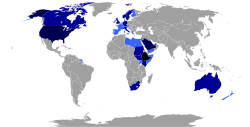
Ethiopians are the native inhabitants of Ethiopia, as well as the global diaspora of Ethiopia. Ethiopians constitute several component ethnic groups, many of which are closely related to ethnic groups in neighboring Eritrea and other parts of the Horn of Africa.
The first documented use of the name "Ethiopia" from Greek name Αἰθίοψ, Aithíops was in the 4th century during the reign of Aksumite king Ezana. There were three ethnolinguistic groups in the Kingdom of Aksum; Semitic, Cushitic, and Nilo-Saharan (ancestors of the modern-day Kunama and Nara). The Kingdom of Aksum remained a geopolitically influential entity until the decline of its capital — also named Axum — beginning in the 7th century. Nevertheless, the core Aksumite civilization was preserved and continued into the successive Zagwe dynasty. By this time, new ethnic groups emerged – the Tigrayans and Amharas. During the Solomonic period, the latter established major political and cultural influence in the Horn of Africa. In the Late Middle Ages, Muslim states were established, including the Sultanate of Ifat, and its successor the Adal Sultanate. Discontent with territory and religious dominance led to intense war between the Ethiopian Empire, the Christian state, (consisting of the Amhara, Tigrayan, Soddo Gurage, and Agaw ethnic groups) and the Muslim state Adal Sultanate (consisting of Semitic speaking Harari formally known as the Harla people, and the Argobba). During the 1600s, there were large-scale migrations of the Oromo from the south into the highlands and also alongside the Somali into Adal or what was known as "Hararghe" (land of the Hararis).
A period of stability and peace continued through the Gondarine period in 16th and 17th century, but Ethiopia was divided into de facto autonomous regions in the mid-18th century. During this time, Ethiopia was nominally ruled by an Emperor who functioned as a puppet monarch of various regional lords and noblemen. This era was known as the Zemene Mesafint or "Era of the Princes". Emperor Tewodros II managed to unify the decentralized Ethiopian Empire in 1855 and inaugurated a process of modernization that continued into successive regimes, resurrecting the empire as a regional power.
In the late 19th century during the reign of Menelik II, against the backdrop of the Scramble for Africa, the notion of Ethiopian national integrity was strengthened by Italian efforts at colonization. The Italian invasion engendered a formidable national resistance, culminating in the Battle of Adwa in 1896 which resulted in a major Ethiopian victory against the Italians. The resulting Treaty of Addis Ababa ended the Italo-Ethiopian War, and along with the nation's contemporaneous territorial expansion, largely established the modern-day boundaries of Ethiopia.
Present-day Ethiopia has a diverse population with many different languages and ethnic groups. Ethiopians speak Afro-Asiatic languages (Semitic, Cushitic, and Omotic) and Nilo-Saharan languages. The Oromo, Amhara, Somali and Tigrayans make up more than three-quarters (75%) of the population, but there are more than 80 different ethnic groups within Ethiopia. Some of these have as few as 10,000 members.
Archaeologists found remains of early hominins, one of the most specimen was Australopithecus afarensis, also called "Lucy", which was discovered in the country's Awash Valley, so-called Hadar in 1974. It is estimated to be 3.5 million years old. In October 2015, scientists discovered the remains of a man called "Mota" in a cave in south-central Ethiopia, he lived 4,500 years ago. Atypical of Euroasians, who were believed to have reached the region after him, Mota's genetic variants did not include traits such as "light-colored eyes or skin," resembling the modern Aari tribes that live in the southern area of the country. Other research suggests Euroasians that arrived in the region resemble modern-day Sardinians, or likely LBK culture of antiquity. By proofing Mota has no European genome, archeologist theorized the Near East population migrated to Africa in 3,000 years ago. Other evidence concluded that Eurasian population made significant contribution as a result of back migration between 1,500 and 3,500 years ago. Nilo-Saharan peoples do not exhibit this genetic similarity; instead, their DNA shows evidence of more recent admixture (less than 1200 years ago) with other African peoples. It was thought that Hamitic people from Asia Minor had migrated before Semitic Arabian people in the 7th century BC. In 1933, G.W.B Huntingford proposed a theory of Azanian civilization could existed in Kenya, and northern Tanzania, between the Stone Age and Islamic period. It was supposed that these people evicted from Ethiopia and Somalia by Muslim invasion to southern region in present-day Kenya and Tanzania where perished around 14th- and 15th-century.
About 7000 BC, Afro-Asiatic-speaking population namely Cushitic and Omotic-speaking people grouped in the present day of Ethiopia after which diversification thrived in the area and allowed the other local groups, the Agaws, Somali, Oromo, and numerous Omotic-speaking groups to unify. Originally a hunter gatherers, those people began domesticating indigenous plants thereafter, including the grasses teff, eleusine, enset, root crop, and domestication of cattles and other animals to fill agricultural livelihoods that still contemporary followed. By the late first millennium BC, the Agaws occupied the northern Ethiopian region, as the Sidamo occupied the central and southern parts of Ethiopia, making inaugural historical development of Ethiopia.
Afro-Asiatic languages were present in Africa and the Middle East by the eighth to sixth millennium BCE. This language family includes various modern and extinct African and Asian languages such as Oromo, Somali, Egyptian, Berber, Hausa, Hebrew, Arabic, Aramaic, and Akkadian. Ge'ez was developed around sixth century BCE and evident by inscriptions of contemporary kingdom of D'mt. The language dominance was eclipsed by 1000 AD, but the highland inhabitants used it as written scholar and liturgical language between 300s and 1800s.
Ethiopians
Ethiopians are the native inhabitants of Ethiopia, as well as the global diaspora of Ethiopia. Ethiopians constitute several component ethnic groups, many of which are closely related to ethnic groups in neighboring Eritrea and other parts of the Horn of Africa.
The first documented use of the name "Ethiopia" from Greek name Αἰθίοψ, Aithíops was in the 4th century during the reign of Aksumite king Ezana. There were three ethnolinguistic groups in the Kingdom of Aksum; Semitic, Cushitic, and Nilo-Saharan (ancestors of the modern-day Kunama and Nara). The Kingdom of Aksum remained a geopolitically influential entity until the decline of its capital — also named Axum — beginning in the 7th century. Nevertheless, the core Aksumite civilization was preserved and continued into the successive Zagwe dynasty. By this time, new ethnic groups emerged – the Tigrayans and Amharas. During the Solomonic period, the latter established major political and cultural influence in the Horn of Africa. In the Late Middle Ages, Muslim states were established, including the Sultanate of Ifat, and its successor the Adal Sultanate. Discontent with territory and religious dominance led to intense war between the Ethiopian Empire, the Christian state, (consisting of the Amhara, Tigrayan, Soddo Gurage, and Agaw ethnic groups) and the Muslim state Adal Sultanate (consisting of Semitic speaking Harari formally known as the Harla people, and the Argobba). During the 1600s, there were large-scale migrations of the Oromo from the south into the highlands and also alongside the Somali into Adal or what was known as "Hararghe" (land of the Hararis).
A period of stability and peace continued through the Gondarine period in 16th and 17th century, but Ethiopia was divided into de facto autonomous regions in the mid-18th century. During this time, Ethiopia was nominally ruled by an Emperor who functioned as a puppet monarch of various regional lords and noblemen. This era was known as the Zemene Mesafint or "Era of the Princes". Emperor Tewodros II managed to unify the decentralized Ethiopian Empire in 1855 and inaugurated a process of modernization that continued into successive regimes, resurrecting the empire as a regional power.
In the late 19th century during the reign of Menelik II, against the backdrop of the Scramble for Africa, the notion of Ethiopian national integrity was strengthened by Italian efforts at colonization. The Italian invasion engendered a formidable national resistance, culminating in the Battle of Adwa in 1896 which resulted in a major Ethiopian victory against the Italians. The resulting Treaty of Addis Ababa ended the Italo-Ethiopian War, and along with the nation's contemporaneous territorial expansion, largely established the modern-day boundaries of Ethiopia.
Present-day Ethiopia has a diverse population with many different languages and ethnic groups. Ethiopians speak Afro-Asiatic languages (Semitic, Cushitic, and Omotic) and Nilo-Saharan languages. The Oromo, Amhara, Somali and Tigrayans make up more than three-quarters (75%) of the population, but there are more than 80 different ethnic groups within Ethiopia. Some of these have as few as 10,000 members.
Archaeologists found remains of early hominins, one of the most specimen was Australopithecus afarensis, also called "Lucy", which was discovered in the country's Awash Valley, so-called Hadar in 1974. It is estimated to be 3.5 million years old. In October 2015, scientists discovered the remains of a man called "Mota" in a cave in south-central Ethiopia, he lived 4,500 years ago. Atypical of Euroasians, who were believed to have reached the region after him, Mota's genetic variants did not include traits such as "light-colored eyes or skin," resembling the modern Aari tribes that live in the southern area of the country. Other research suggests Euroasians that arrived in the region resemble modern-day Sardinians, or likely LBK culture of antiquity. By proofing Mota has no European genome, archeologist theorized the Near East population migrated to Africa in 3,000 years ago. Other evidence concluded that Eurasian population made significant contribution as a result of back migration between 1,500 and 3,500 years ago. Nilo-Saharan peoples do not exhibit this genetic similarity; instead, their DNA shows evidence of more recent admixture (less than 1200 years ago) with other African peoples. It was thought that Hamitic people from Asia Minor had migrated before Semitic Arabian people in the 7th century BC. In 1933, G.W.B Huntingford proposed a theory of Azanian civilization could existed in Kenya, and northern Tanzania, between the Stone Age and Islamic period. It was supposed that these people evicted from Ethiopia and Somalia by Muslim invasion to southern region in present-day Kenya and Tanzania where perished around 14th- and 15th-century.
About 7000 BC, Afro-Asiatic-speaking population namely Cushitic and Omotic-speaking people grouped in the present day of Ethiopia after which diversification thrived in the area and allowed the other local groups, the Agaws, Somali, Oromo, and numerous Omotic-speaking groups to unify. Originally a hunter gatherers, those people began domesticating indigenous plants thereafter, including the grasses teff, eleusine, enset, root crop, and domestication of cattles and other animals to fill agricultural livelihoods that still contemporary followed. By the late first millennium BC, the Agaws occupied the northern Ethiopian region, as the Sidamo occupied the central and southern parts of Ethiopia, making inaugural historical development of Ethiopia.
Afro-Asiatic languages were present in Africa and the Middle East by the eighth to sixth millennium BCE. This language family includes various modern and extinct African and Asian languages such as Oromo, Somali, Egyptian, Berber, Hausa, Hebrew, Arabic, Aramaic, and Akkadian. Ge'ez was developed around sixth century BCE and evident by inscriptions of contemporary kingdom of D'mt. The language dominance was eclipsed by 1000 AD, but the highland inhabitants used it as written scholar and liturgical language between 300s and 1800s.
Recent media
Recent media