



Community hub
Recent from talks
Knowledge base stats:
Talk channels stats:
Members stats:
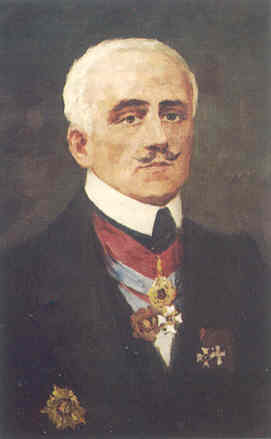
Evangelos Zappas
Evangelos or Evangelis Zappas (23 August 1800 – 19 June 1865) was a Greek philanthropist and businessman who is recognized today as one of the founders of the modern Olympic Games, which were held in 1859, 1870, 1875, and 1888 and preceded the Olympic Games that came under the auspices of the International Olympic Committee. These Games, known at the time simply as Olympics (Greek: Ολύμπια), came before the founding of the International Olympic Committee itself. The legacy of Zappas, as well as the legacy of his cousin Konstantinos, was also used to fund the Olympic Games of 1896.
During his youth, Zappas joined the Greek War of Independence (1821–1832), achieving the rank of Major and fighting in several significant battles. Following Greek independence, he moved to Wallachia where he spent most of his life and had a successful career as a businessman, becoming one of the richest men of that time in Eastern Europe. Aside from being the only major sponsor of the Olympic revival at that time, Zappas's philanthropy also included contributions toward the foundation of several Greek institutions and schools as well as sports and exhibition facilities. Zappas was also a financier of the Romanian Academy, including academic projects such as a new synthesis on the history of the Romanians and a Romanian dictionary. He also funded a newspaper and books in the Albanian language in Romania. Through his philanthropic activity, Zappas contributed to the national awakening of the Greeks, Romanians and Albanians.
Evangelis Zappas was one of three children born to Vasileios Zappas and Sotira Meksi. His paternal origins remain uncertain, with some scholars describing him as being of Greek, Aromanian or Albanian descent. On his mother’s side, he descended from the Albanian noble Meksi family, known for their Albanian patriotic figures. The Meksi were part of the wider Doda clan. He was born on 23 August 1800 in the village of Labovo located near Tepelenë (modern Gjirokastër County, Albania) when the region was still under Ottoman rule. Zappas did not receive any education during his childhood. He left his village at the age of 13 and enrolled as a mercenary in the Ottoman militia of the local ruler Ali Pasha. There he started to learn from Petro Meksi, his mother's cousin, who practiced medicine in Ali's guard.
Zappas became a member of the Greek patriotic organization Filiki Eteria and joined his compatriots when the Greek War of Independence broke out in 1821. During this period, Zappas reached the rank of Major in the revolutionary army and became a personal friend of the Souliot captain, Markos Botsaris. After Botsaris's death in 1823, Zappas served under various military commanders of the independence struggle, such as Dimitrios Panourgias, Kitsos Tzavelas, and Michail Spyromilios. He participated in several major conflicts, such as the siege of Souli, the first siege of Missolonghi and the Battle of Peta. In his later correspondence with a Greek official, he claimed that he was wounded five times during the war.
In 1831, Zappas emigrated to Wallachia and made a fortune in land and agriculture. He became a citizen of Wallachia in 1844. In the 1850s, Zappas was considered one of the wealthiest entrepreneurs in Eastern Europe. At the time of his death in 1865, his total wealth was estimated at six million gold drachmas.
The idea of reviving the ancient Olympic Games had been raised from time to time during the early and mid 19th century, inspired to a certain degree by romanticism and patriotism. In 1833, the romantic poet Panagiotis Soutsos, in his work Dialogue of the Dead, proposed the revival of the Games in the newly formed Greek state, as part of the revival of ancient Greek tradition. In 1852, archaeologist Ernst Curtius stated during a lecture that the Olympic events would be revived.
Zappas was notably inspired by Panagiotis Soutsos and resolved to revive this ancient tradition through his own efforts and resources. Jim Resiler argues that Zappas was an ardent Greek nationalist influenced by the writings of Soutsos. In early 1856, he sent a letter through diplomatic channels to King Otto of Greece, offering to fund the revival of the Olympic Games, and to provide cash prizes to the victors. However, this initiative was not without opposition. There was wide belief among some Greek politicians that athletic games were a throwback to ancient times, unsuited to the modern era. Alexandros Rizos Rangavis, the Greek foreign minister and head of the conservative anti-athletics lobby in Athens, suggested an industrial and agricultural exposition instead of an athletics event. For months there was no official answer from the Greek state. In July 1856, an article in the Greek press by Panagiotis Soutsos made Zappas's proposal widely known to the public and triggered a series of events. King Otto agreed to the organization of athletics competitions at four-year intervals, with Zappa's full sponsorship, to coincide with industrial and agricultural expositions. As a result, Zappas provided the Greek government with the necessary financial resources to establish an Olympic Trust Fund.
On 15 November 1859, the first Olympic Games was held in a city square in central Athens. These athletic contests were the first Olympic Games of modern times with the provenance of ancient Greek roots and the intention of using an, as yet unready, ancient Greek stadium. That stadium, the Panathenaic Stadium, was first used for a modern Olympic Games in 1870 and for the first time since the ancient Panathenaic and Olympic Games. The athletes competed in a variety of disciplines, similar to that of the ancient Olympic Games: running, discus, javelin throwing, wrestling, jumping, and pole climbing.
Hub AI
Evangelos Zappas AI simulator
(@Evangelos Zappas_simulator)
Evangelos Zappas
Evangelos or Evangelis Zappas (23 August 1800 – 19 June 1865) was a Greek philanthropist and businessman who is recognized today as one of the founders of the modern Olympic Games, which were held in 1859, 1870, 1875, and 1888 and preceded the Olympic Games that came under the auspices of the International Olympic Committee. These Games, known at the time simply as Olympics (Greek: Ολύμπια), came before the founding of the International Olympic Committee itself. The legacy of Zappas, as well as the legacy of his cousin Konstantinos, was also used to fund the Olympic Games of 1896.
During his youth, Zappas joined the Greek War of Independence (1821–1832), achieving the rank of Major and fighting in several significant battles. Following Greek independence, he moved to Wallachia where he spent most of his life and had a successful career as a businessman, becoming one of the richest men of that time in Eastern Europe. Aside from being the only major sponsor of the Olympic revival at that time, Zappas's philanthropy also included contributions toward the foundation of several Greek institutions and schools as well as sports and exhibition facilities. Zappas was also a financier of the Romanian Academy, including academic projects such as a new synthesis on the history of the Romanians and a Romanian dictionary. He also funded a newspaper and books in the Albanian language in Romania. Through his philanthropic activity, Zappas contributed to the national awakening of the Greeks, Romanians and Albanians.
Evangelis Zappas was one of three children born to Vasileios Zappas and Sotira Meksi. His paternal origins remain uncertain, with some scholars describing him as being of Greek, Aromanian or Albanian descent. On his mother’s side, he descended from the Albanian noble Meksi family, known for their Albanian patriotic figures. The Meksi were part of the wider Doda clan. He was born on 23 August 1800 in the village of Labovo located near Tepelenë (modern Gjirokastër County, Albania) when the region was still under Ottoman rule. Zappas did not receive any education during his childhood. He left his village at the age of 13 and enrolled as a mercenary in the Ottoman militia of the local ruler Ali Pasha. There he started to learn from Petro Meksi, his mother's cousin, who practiced medicine in Ali's guard.
Zappas became a member of the Greek patriotic organization Filiki Eteria and joined his compatriots when the Greek War of Independence broke out in 1821. During this period, Zappas reached the rank of Major in the revolutionary army and became a personal friend of the Souliot captain, Markos Botsaris. After Botsaris's death in 1823, Zappas served under various military commanders of the independence struggle, such as Dimitrios Panourgias, Kitsos Tzavelas, and Michail Spyromilios. He participated in several major conflicts, such as the siege of Souli, the first siege of Missolonghi and the Battle of Peta. In his later correspondence with a Greek official, he claimed that he was wounded five times during the war.
In 1831, Zappas emigrated to Wallachia and made a fortune in land and agriculture. He became a citizen of Wallachia in 1844. In the 1850s, Zappas was considered one of the wealthiest entrepreneurs in Eastern Europe. At the time of his death in 1865, his total wealth was estimated at six million gold drachmas.
The idea of reviving the ancient Olympic Games had been raised from time to time during the early and mid 19th century, inspired to a certain degree by romanticism and patriotism. In 1833, the romantic poet Panagiotis Soutsos, in his work Dialogue of the Dead, proposed the revival of the Games in the newly formed Greek state, as part of the revival of ancient Greek tradition. In 1852, archaeologist Ernst Curtius stated during a lecture that the Olympic events would be revived.
Zappas was notably inspired by Panagiotis Soutsos and resolved to revive this ancient tradition through his own efforts and resources. Jim Resiler argues that Zappas was an ardent Greek nationalist influenced by the writings of Soutsos. In early 1856, he sent a letter through diplomatic channels to King Otto of Greece, offering to fund the revival of the Olympic Games, and to provide cash prizes to the victors. However, this initiative was not without opposition. There was wide belief among some Greek politicians that athletic games were a throwback to ancient times, unsuited to the modern era. Alexandros Rizos Rangavis, the Greek foreign minister and head of the conservative anti-athletics lobby in Athens, suggested an industrial and agricultural exposition instead of an athletics event. For months there was no official answer from the Greek state. In July 1856, an article in the Greek press by Panagiotis Soutsos made Zappas's proposal widely known to the public and triggered a series of events. King Otto agreed to the organization of athletics competitions at four-year intervals, with Zappa's full sponsorship, to coincide with industrial and agricultural expositions. As a result, Zappas provided the Greek government with the necessary financial resources to establish an Olympic Trust Fund.
On 15 November 1859, the first Olympic Games was held in a city square in central Athens. These athletic contests were the first Olympic Games of modern times with the provenance of ancient Greek roots and the intention of using an, as yet unready, ancient Greek stadium. That stadium, the Panathenaic Stadium, was first used for a modern Olympic Games in 1870 and for the first time since the ancient Panathenaic and Olympic Games. The athletes competed in a variety of disciplines, similar to that of the ancient Olympic Games: running, discus, javelin throwing, wrestling, jumping, and pole climbing.