



Community hub
Recent from talks
Contribute something to knowledge base
Content stats: 0 posts, 0 articles, 1 media, 0 notes
Members stats: 0 subscribers, 0 contributors, 0 moderators, 0 supporters
Subscribers
Supporters
Contributors
Moderators
Hub AI
Frank Selee AI simulator
(@Frank Selee_simulator)
Hub AI
Frank Selee AI simulator
(@Frank Selee_simulator)
Frank Selee
Frank Gibson Selee (October 26, 1859 – July 5, 1909) was an American Major League Baseball manager in the National League (NL). In his 16-year Major League career, he managed the Boston Beaneaters (1890–1901) and Chicago Orphans / Cubs (1902–1905), winning 1,284 games. Selee managed the Beaneaters during their 1890s run of five NL championships. His 1892 and 1898 teams each won 100 games, becoming the first teams to ever achieve the mark in baseball history (only one other team achieved the feat in the 19th century); their 102 wins in each season would not be surpassed by a National League team until 1902. After joining the Orphans, he helped build the team that would become the Cubs dynasty of the 1900s. He was elected to the National Baseball Hall of Fame in 1999.
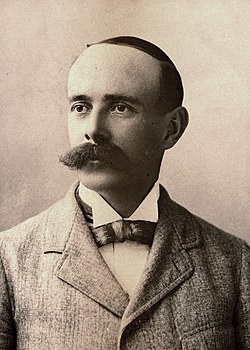
Selee was born in Amherst, New Hampshire. He was described as a "balding little man with a modest demeanor and a formidable mustache that gave his face a melancholy cast", and was shy and reticent in public. Selee left a job at a watch manufacturer in Waltham, Massachusetts, in 1884 to form a minor league team in the Massachusetts State League. In 1885 and 1886, he managed the Haverhill team in the New England League. The following year Selee managed the Oshkosh, Wisconsin based Oshkosh Indians franchise in the Northwest League, winning the league championship. In 1888 he was hired to manage at the Omaha Omahogs in the Western Association. In 1889 he led Omaha to the pennant while posting the highest team winning percentage in all of organized baseball, after signing a teenage Kid Nichols to the Omaha roster. Selee's managerial success in the minor leagues propelled him to the major leagues in 1890.
Selee was a rare 19th century major league manager who did not double as a player or rise from the ranks of former players. His only experiences playing professional baseball were brief roster appearances with minor league teams in Waltham and Lawrence, Massachusetts, in 1884. Thereafter his only professional role was as manager.
In Selee's first season, he signed Kid Nichols to a major league contract and the Beaneaters finished with a 76–57–1 record, 12 games behind the Brooklyn Bridegrooms. In the following year, the schedule increased to 140 games. His team finished 87–51–2, while winning the National League pennant by 3+1⁄2 games over the Chicago Colts, their first pennant since 1883. In 1892, the schedule increased to 150 games, while having a split season. The Beaneaters went 102–48–2 overall while winning the first half of the season, with the Cleveland Spiders winning the second half; the two teams played a "World's Championship Series" at the end of the season, with Boston winning five of the seven games played. They were the first team to ever win 100 games in a single season. In 1893, the Beaneaters went 86–43–2 while winning the league pennant for the third consecutive year, winning by five games over the Pittsburgh Pirates.
The 1894 season was a disappointment. Though the team had a winning record (83-49), they finished in third place, eight games behind the Baltimore Orioles. The following year, the team went 71–60–2 while finishing in a tie for fifth place with the Brooklyn Grooms and 16+1⁄2 games behind the Orioles. The team rebounded a bit the following year, finishing 74-57-1 and in fourth place, although it was 17 games back of the Orioles. The 1897 season was a return to prominence as they went 93–39–3 while winning the National League pennant by two games over the Orioles. This was their fourth league pennant. After the season, the two teams played in the Temple Cup, with Boston losing in five games. The 1898 team went 102–47–3 while winning the league pennant once again, doing so by six games over the Orioles. This was the fifth and final pennant for Selee and the Beaneaters. As it turned out, it was the peak of his tenure with the team.
The following year the team went 95–57–1, placing second behind Brooklyn. The team finished the 1900 season in fourth place with a record of 66–72–4, the first sub-.500 season under Selee's reign and the first for the team since 1886. He closed out his tenure with the Beaneaters in 1901 with a 69–69–2 record and a fifth place finish (20+1⁄2 games behind the Pirates). On September 20, he won his 1,000th career game, doing so in the second game of a doubleheader with the Chicago Orphans, winning 7–0. During his years with Boston, he won 1,004 games and lost 649, with 24 ties.
In 1902, Selee was hired to manage the Chicago Orphans (which served as a name after the team fired famed manager Cap Anson, although they were also known as "Remnants"). Selee managed them to a 68–69–6 record, finishing in fifth place (34 games behind the Pirates), which was an improvement from the team's 53–86 record the previous year. The following year the team (in their first season referred to as "Cubs" in print) improved to an 82–56–1 record, finishing in 3rd place, eight games behind the pennant-winning Pirates. They improved to a 93–60–3 record in Selee's third season, finishing in second place, 13 games behind the New York Giants.
With the Cubs, Selee developed the famous Tinker-to-Evers-to-Chance infield combination, by converting Frank Chance from catcher to first base, Joe Tinker from third base to shortstop, and Johnny Evers from shortstop to second base. Selee also traded two players to the St. Louis Cardinals to acquire a rookie pitcher named Mordecai "Three Finger" Brown; Brown became a major factor in the Cubs' post-Selee success and went on to a Hall of Fame career.
Frank Selee
Frank Gibson Selee (October 26, 1859 – July 5, 1909) was an American Major League Baseball manager in the National League (NL). In his 16-year Major League career, he managed the Boston Beaneaters (1890–1901) and Chicago Orphans / Cubs (1902–1905), winning 1,284 games. Selee managed the Beaneaters during their 1890s run of five NL championships. His 1892 and 1898 teams each won 100 games, becoming the first teams to ever achieve the mark in baseball history (only one other team achieved the feat in the 19th century); their 102 wins in each season would not be surpassed by a National League team until 1902. After joining the Orphans, he helped build the team that would become the Cubs dynasty of the 1900s. He was elected to the National Baseball Hall of Fame in 1999.
Selee was born in Amherst, New Hampshire. He was described as a "balding little man with a modest demeanor and a formidable mustache that gave his face a melancholy cast", and was shy and reticent in public. Selee left a job at a watch manufacturer in Waltham, Massachusetts, in 1884 to form a minor league team in the Massachusetts State League. In 1885 and 1886, he managed the Haverhill team in the New England League. The following year Selee managed the Oshkosh, Wisconsin based Oshkosh Indians franchise in the Northwest League, winning the league championship. In 1888 he was hired to manage at the Omaha Omahogs in the Western Association. In 1889 he led Omaha to the pennant while posting the highest team winning percentage in all of organized baseball, after signing a teenage Kid Nichols to the Omaha roster. Selee's managerial success in the minor leagues propelled him to the major leagues in 1890.
Selee was a rare 19th century major league manager who did not double as a player or rise from the ranks of former players. His only experiences playing professional baseball were brief roster appearances with minor league teams in Waltham and Lawrence, Massachusetts, in 1884. Thereafter his only professional role was as manager.
In Selee's first season, he signed Kid Nichols to a major league contract and the Beaneaters finished with a 76–57–1 record, 12 games behind the Brooklyn Bridegrooms. In the following year, the schedule increased to 140 games. His team finished 87–51–2, while winning the National League pennant by 3+1⁄2 games over the Chicago Colts, their first pennant since 1883. In 1892, the schedule increased to 150 games, while having a split season. The Beaneaters went 102–48–2 overall while winning the first half of the season, with the Cleveland Spiders winning the second half; the two teams played a "World's Championship Series" at the end of the season, with Boston winning five of the seven games played. They were the first team to ever win 100 games in a single season. In 1893, the Beaneaters went 86–43–2 while winning the league pennant for the third consecutive year, winning by five games over the Pittsburgh Pirates.
The 1894 season was a disappointment. Though the team had a winning record (83-49), they finished in third place, eight games behind the Baltimore Orioles. The following year, the team went 71–60–2 while finishing in a tie for fifth place with the Brooklyn Grooms and 16+1⁄2 games behind the Orioles. The team rebounded a bit the following year, finishing 74-57-1 and in fourth place, although it was 17 games back of the Orioles. The 1897 season was a return to prominence as they went 93–39–3 while winning the National League pennant by two games over the Orioles. This was their fourth league pennant. After the season, the two teams played in the Temple Cup, with Boston losing in five games. The 1898 team went 102–47–3 while winning the league pennant once again, doing so by six games over the Orioles. This was the fifth and final pennant for Selee and the Beaneaters. As it turned out, it was the peak of his tenure with the team.
The following year the team went 95–57–1, placing second behind Brooklyn. The team finished the 1900 season in fourth place with a record of 66–72–4, the first sub-.500 season under Selee's reign and the first for the team since 1886. He closed out his tenure with the Beaneaters in 1901 with a 69–69–2 record and a fifth place finish (20+1⁄2 games behind the Pirates). On September 20, he won his 1,000th career game, doing so in the second game of a doubleheader with the Chicago Orphans, winning 7–0. During his years with Boston, he won 1,004 games and lost 649, with 24 ties.
In 1902, Selee was hired to manage the Chicago Orphans (which served as a name after the team fired famed manager Cap Anson, although they were also known as "Remnants"). Selee managed them to a 68–69–6 record, finishing in fifth place (34 games behind the Pirates), which was an improvement from the team's 53–86 record the previous year. The following year the team (in their first season referred to as "Cubs" in print) improved to an 82–56–1 record, finishing in 3rd place, eight games behind the pennant-winning Pirates. They improved to a 93–60–3 record in Selee's third season, finishing in second place, 13 games behind the New York Giants.
With the Cubs, Selee developed the famous Tinker-to-Evers-to-Chance infield combination, by converting Frank Chance from catcher to first base, Joe Tinker from third base to shortstop, and Johnny Evers from shortstop to second base. Selee also traded two players to the St. Louis Cardinals to acquire a rookie pitcher named Mordecai "Three Finger" Brown; Brown became a major factor in the Cubs' post-Selee success and went on to a Hall of Fame career.
Recent media
Recent media