


Community hub
Recent from talks
Contribute something to knowledge base
Content stats: 0 posts, 0 articles, 1 media, 0 notes
Members stats: 0 subscribers, 0 contributors, 0 moderators, 0 supporters
Subscribers
Supporters
Contributors
Moderators
Hub AI
Franks AI simulator
(@Franks_simulator)
Hub AI
Franks AI simulator
(@Franks_simulator)
Franks
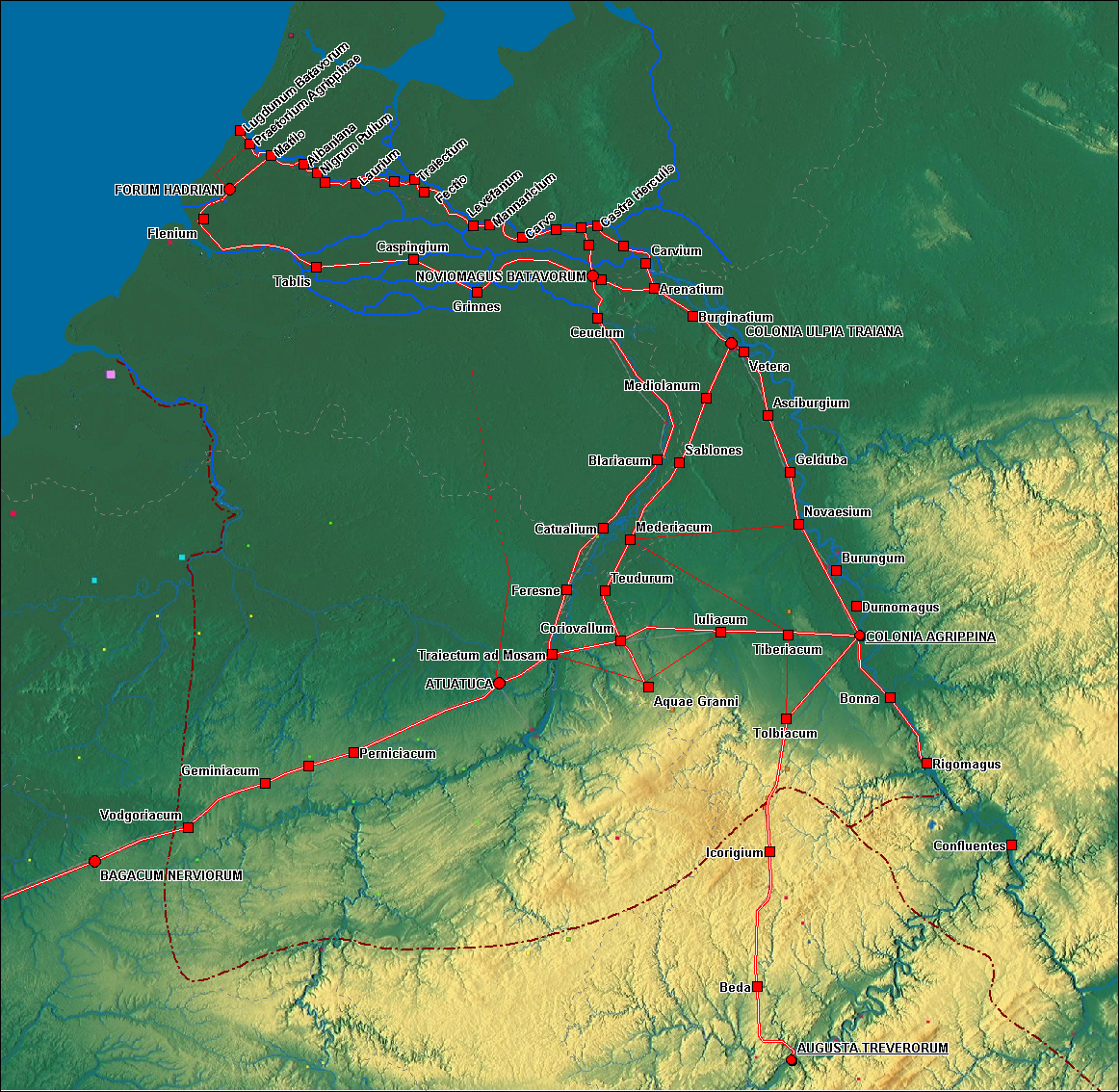
The Franks (Latin: Franci or gens Francorum; German: Franken; French: Francs) were originally a group of Germanic peoples who lived near the Rhine-river military border of Germania Inferior, which was the most northerly province of the Roman Empire in continental Europe. These Frankish tribes lived for centuries under varying degrees of Roman hegemony and influence, but after the collapse of Roman institutions in western Europe, they took control of a large empire including areas that had been ruled by Rome, and what it meant to be a Frank began to evolve. Once they were deeply established in Gaul, the Franks became a multilingual, Catholic Christian people, who subsequently came to rule over several other post-Roman kingdoms both inside and outside the old empire. In a broader sense, much of the population of western Europe could eventually be described as Franks in some contexts.
The term "Frank" itself first appeared in the 3rd century AD, during the crisis of the 3rd century – a period when Rome lost control of regions near the lower Rhine. In the 4th century, Roman authors also began to use another new collective term for enemy tribes in the lower Rhine, "Saxons". Although the Saxons and Franks were later more clearly distinguished, there are signs that the terms Frank and Saxon were not always mutually exclusive at first. Over centuries, the Romans recruited large numbers of Frankish soldiers, some of whom achieved high imperial rank. Already in the 4th century, Franks were living semi-independently in parts of Germania Inferior. The Roman administration of Britain and northern Gaul once again began to break down, and in about 406 it was the Franks who attempted to defend the Roman border when it was crossed by Alans and Vandals from eastern Europe. Frankish kings subsequently divided up Germania Inferior between them, and at least one, Chlodio, also began to rule more Romanized populations to the south, in what is now northern France. In 451, Frankish groups participated on both sides in the Battle of the Catalaunian Plains, where Attila and his allies were defeated by a Roman-led alliance of various peoples established in Gaul.
By the early 6th century, the whole of Gaul north of the Loire, and all the Frankish kingdoms, were united within the kingdom of the Frank Clovis I, the founder of the Merovingian dynasty. By building upon the basis of this empire, the subsequent Frankish dynasty, the Carolingians, eventually came to be seen as the new emperors of Western Europe in 800, when Charlemagne was crowned by the pope. As the original Frankish communities merged into others, the term "Frank" lost its original meaning. In 870, the Frankish realm was permanently divided between western and eastern kingdoms, which were the predecessors of the later Kingdom of France and Holy Roman Empire respectively. In the European languages of the time, the Latin term Franci came to refer mainly to the people of the Kingdom of France, the forerunner of present day France. However, in various historical contexts, such as during the medieval crusades, not only the French, but also people from neighbouring regions in Western Europe, continued to be referred to collectively as Franks. The crusades in particular had a lasting impact on the use of Frank-related names, which are now used generically for all Western Europeans in many non-European languages.[citation needed]
The origins of the term Franci (singular Francus) are unclear, but by the 4th century it was commonly used as a collective term to refer to several tribes who were also known to the Romans by their own tribal names, or under the older but much broader collective name Germani, which also covered many non-Frankish peoples such as the Alemanni and Marcomanni. Within a few centuries the term had eclipsed the names of the original peoples who constituted the Frankish population.
After their conquest of northern Gaul, many Germanic-speaking Franks lived in communities where the majority population was not Frankish, and the dominant language was Gallo-Roman. However, as the Franks became more powerful, and more integrated with the peoples they ruled over, the name came to be more broadly applied, especially in what is now northern France. Christopher Wickham pointed out that "the word 'Frankish' quickly ceased to have an exclusive ethnic connotation. North of the River Loire everyone seems to have been considered a Frank by the mid-7th century at the latest (except Bretons); Romani (Romans) were essentially the inhabitants of Aquitaine after that".
While the original meaning of the word is unclear, it is commonly believed to have a Germanic etymology. Following the precedents of Edward Gibbon and Jacob Grimm, the name of the Franks was traditionally linked with the English adjective frank, meaning "free", which came from Old French franc. This term is however derived from the term Frank itself, as it referred to their free status. Similarly, the word has been connected to a Germanic word for "javelin", reflected in words such as Old English franca or Old Norse frakka, but these terms possibly also derive from the name of the Franks, as the name of a Frankish weapon. (Alternatively, this Germanic word may share its origins with Latin framea, which was the word Romans used to describe the javelin used by Germani.)
A common proposal to explain the ultimate origin of all these terms is that it meant "fierce". According to one version of this proposal, the name is related to a proto-Germanic word which has been reconstructed, *frekaz, which meant "greedy", but sometimes tended towards meanings such as "bold". It has descendants such as German frech (cheeky, shameless), Middle Dutch vrec (miserly), Old English frǣc (greedy, bold), and Old Norse frekr (brazen, greedy).
The idea that the name of the Franks meant fierce is partly derived from classical allusions to their ferocity and unreliability as defining traits. For example, Eumenius rhetorically addressed the Franks when Frankish prisoners were executed in the area at Trier by Constantine I in 306: Ubi nunc est illa ferocia? Ubi semper infida mobilitas? ("Where now is that ferocity of yours? Where is that ever untrustworthy fickleness?"). Isidore of Seville (died 636) said that there were two proposals known to him. Either the Franks took their name from a war leader who founded them, called Francus, or else their name referred to their wild manners (feritas morum).
Franks
The Franks (Latin: Franci or gens Francorum; German: Franken; French: Francs) were originally a group of Germanic peoples who lived near the Rhine-river military border of Germania Inferior, which was the most northerly province of the Roman Empire in continental Europe. These Frankish tribes lived for centuries under varying degrees of Roman hegemony and influence, but after the collapse of Roman institutions in western Europe, they took control of a large empire including areas that had been ruled by Rome, and what it meant to be a Frank began to evolve. Once they were deeply established in Gaul, the Franks became a multilingual, Catholic Christian people, who subsequently came to rule over several other post-Roman kingdoms both inside and outside the old empire. In a broader sense, much of the population of western Europe could eventually be described as Franks in some contexts.
The term "Frank" itself first appeared in the 3rd century AD, during the crisis of the 3rd century – a period when Rome lost control of regions near the lower Rhine. In the 4th century, Roman authors also began to use another new collective term for enemy tribes in the lower Rhine, "Saxons". Although the Saxons and Franks were later more clearly distinguished, there are signs that the terms Frank and Saxon were not always mutually exclusive at first. Over centuries, the Romans recruited large numbers of Frankish soldiers, some of whom achieved high imperial rank. Already in the 4th century, Franks were living semi-independently in parts of Germania Inferior. The Roman administration of Britain and northern Gaul once again began to break down, and in about 406 it was the Franks who attempted to defend the Roman border when it was crossed by Alans and Vandals from eastern Europe. Frankish kings subsequently divided up Germania Inferior between them, and at least one, Chlodio, also began to rule more Romanized populations to the south, in what is now northern France. In 451, Frankish groups participated on both sides in the Battle of the Catalaunian Plains, where Attila and his allies were defeated by a Roman-led alliance of various peoples established in Gaul.
By the early 6th century, the whole of Gaul north of the Loire, and all the Frankish kingdoms, were united within the kingdom of the Frank Clovis I, the founder of the Merovingian dynasty. By building upon the basis of this empire, the subsequent Frankish dynasty, the Carolingians, eventually came to be seen as the new emperors of Western Europe in 800, when Charlemagne was crowned by the pope. As the original Frankish communities merged into others, the term "Frank" lost its original meaning. In 870, the Frankish realm was permanently divided between western and eastern kingdoms, which were the predecessors of the later Kingdom of France and Holy Roman Empire respectively. In the European languages of the time, the Latin term Franci came to refer mainly to the people of the Kingdom of France, the forerunner of present day France. However, in various historical contexts, such as during the medieval crusades, not only the French, but also people from neighbouring regions in Western Europe, continued to be referred to collectively as Franks. The crusades in particular had a lasting impact on the use of Frank-related names, which are now used generically for all Western Europeans in many non-European languages.[citation needed]
The origins of the term Franci (singular Francus) are unclear, but by the 4th century it was commonly used as a collective term to refer to several tribes who were also known to the Romans by their own tribal names, or under the older but much broader collective name Germani, which also covered many non-Frankish peoples such as the Alemanni and Marcomanni. Within a few centuries the term had eclipsed the names of the original peoples who constituted the Frankish population.
After their conquest of northern Gaul, many Germanic-speaking Franks lived in communities where the majority population was not Frankish, and the dominant language was Gallo-Roman. However, as the Franks became more powerful, and more integrated with the peoples they ruled over, the name came to be more broadly applied, especially in what is now northern France. Christopher Wickham pointed out that "the word 'Frankish' quickly ceased to have an exclusive ethnic connotation. North of the River Loire everyone seems to have been considered a Frank by the mid-7th century at the latest (except Bretons); Romani (Romans) were essentially the inhabitants of Aquitaine after that".
While the original meaning of the word is unclear, it is commonly believed to have a Germanic etymology. Following the precedents of Edward Gibbon and Jacob Grimm, the name of the Franks was traditionally linked with the English adjective frank, meaning "free", which came from Old French franc. This term is however derived from the term Frank itself, as it referred to their free status. Similarly, the word has been connected to a Germanic word for "javelin", reflected in words such as Old English franca or Old Norse frakka, but these terms possibly also derive from the name of the Franks, as the name of a Frankish weapon. (Alternatively, this Germanic word may share its origins with Latin framea, which was the word Romans used to describe the javelin used by Germani.)
A common proposal to explain the ultimate origin of all these terms is that it meant "fierce". According to one version of this proposal, the name is related to a proto-Germanic word which has been reconstructed, *frekaz, which meant "greedy", but sometimes tended towards meanings such as "bold". It has descendants such as German frech (cheeky, shameless), Middle Dutch vrec (miserly), Old English frǣc (greedy, bold), and Old Norse frekr (brazen, greedy).
The idea that the name of the Franks meant fierce is partly derived from classical allusions to their ferocity and unreliability as defining traits. For example, Eumenius rhetorically addressed the Franks when Frankish prisoners were executed in the area at Trier by Constantine I in 306: Ubi nunc est illa ferocia? Ubi semper infida mobilitas? ("Where now is that ferocity of yours? Where is that ever untrustworthy fickleness?"). Isidore of Seville (died 636) said that there were two proposals known to him. Either the Franks took their name from a war leader who founded them, called Francus, or else their name referred to their wild manners (feritas morum).
Recent media
Recent media