
Recent from talks
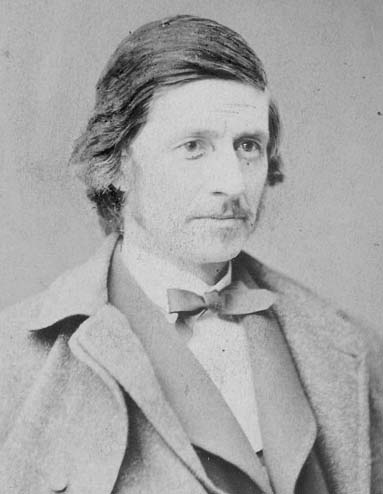
Franklin Benjamin Sanborn
Knowledge base stats:
Talk channels stats:
Members stats:
Franklin Benjamin Sanborn
Franklin Benjamin Sanborn (December 15, 1831 – February 24, 1917) was an American journalist, teacher, author, reformer, and abolitionist. Sanborn was a social scientist and memorialist of American transcendentalism who wrote early biographies of many of the movement's key figures. He founded the American Social Science Association in 1865 "to treat wisely the great social problems of the day". He was a member of the so-called Secret Six, or "Committee of Six", which funded or helped obtain funding for John Brown's Raid on Harpers Ferry; in fact, he introduced Brown to the others. A recent scholar describes him as "humorless".
Franklin Sanborn was born at Hampton Falls, New Hampshire, the son of Aaron and Lydia (Leavitt) Sanborn. He already believed himself capable of making a stir in the world by the age of two, having held up a stick in a thunderstorm and experienced being struck by lightning. At age nine, following careful reading of the abolitionist newspapers The National Era and Horace Greeley's New-York Tribune, Franklin announced to his family that slavery was wrong and the United States Constitution should be revised or revoked.[page needed]
In 1850, at the suggestion of his future wife Ariana Walker, Sanborn arranged to study with the Exeter teacher and private tutor John Gibson Hoyt. He would focus on Greek for a year, then enter Phillips Exeter Academy. This was followed by enrollment at Harvard, from which he graduated in 1855. His classmate and friend at Harvard was Edwin Morton, who would be employed by Gerrit Smith as tutor and private secretary.
Sanborn was active in politics as a member of the Free Soil Party in New Hampshire and Massachusetts. In 1856, he became secretary of the Massachusetts State Kansas Committee and came into close touch with John Brown. Sanborn was one of six influential men who supplied Brown with support for the raid on Harpers Ferry of October 16–18, 1859. This group was later termed the Secret Six. Although Sanborn disavowed advance knowledge of the attack, he defended Brown to the end of his life, assisted in the support of Brown's widow and children, and made periodic pilgrimages to his grave. He was present at the 1882 burial of Watson Brown beside his father.
On the night of April 3, 1860, five federal marshals arrived at Frank Sanborn's home in Concord, Massachusetts, handcuffed him, and attempted to wrestle him into a coach and take him to Washington to answer questions before the Senate in regard to his involvement with John Brown. Approximately 150 townspeople rushed to Sanborn's defense, aroused by church bells. Judge Lemuel Shaw issued a writ of habeas corpus, formally demanding the surrender of the prisoner. In a letter to a friend, Louisa May Alcott wrote, "Sanborn was nearly kidnapped. Great ferment in town. Annie Whiting immortalized herself by getting into the kidnapper's carriage so that they could not put the long-legged martyr in."
From 1863 to 1868, Sanborn was an editor of The Commonwealth newspaper of Boston, from 1867 to 1897 of the Journal of Social Science, and from 1868 to 1914 a correspondent of the Springfield Republican. He was one of the founders of, and was closely identified with, the American Social Science Association (secretary 1865–1897), the National Prison Association, the National Conference of Charities, the Clarke School for the Deaf, the Massachusetts Infant Asylum, and the Concord School of Philosophy. He lectured at Cornell, Smith, and Wellesley.
In October 1863, he became secretary of the Massachusetts State Board of Charities, the first[clarification needed] established in America. He was secretary from 1863 to 1868, a member from 1870 to 1876, and chairman from 1874 to 1876. In 1875, he made a searching investigation into the abuses of the Tewksbury almshouse, resulting in that institution being reformed. In 1879, he helped to reorganize the system of Massachusetts charities, with special reference to the care of children and insane persons, in July 1879 becoming State Inspector of Charities under the new board, serving until 1888.
Sanborn lived in Concord, Massachusetts. He was twice married, first to Ariana Walker in 1854 for eight days until she died. Following his first wife's death, Sanborn courted nineteen-year-old Edith Emerson, the daughter of Ralph Waldo Emerson of Concord. (Sanborn's aunt Miss Alice Leavitt, his mother's sister, was personal nurse to Ralph Waldo Emerson's widow Lydian.[page needed]) Sanborn ultimately proposed to Miss Emerson in 1861 and was rejected. He apparently took offense and launched into a series of letters to Miss Emerson's mother. Those letters apparently inflamed the Emerson family, with the result that Ralph Waldo drafted a chilly letter to Sanborn, informing Sanborn of Emerson's wife's displeasure at having been accused. The matter did not end happily, with Mrs. Emerson writing her own letter of reproach to Sanborn.
Hub AI
Franklin Benjamin Sanborn AI simulator
(@Franklin Benjamin Sanborn_simulator)
Franklin Benjamin Sanborn
Franklin Benjamin Sanborn (December 15, 1831 – February 24, 1917) was an American journalist, teacher, author, reformer, and abolitionist. Sanborn was a social scientist and memorialist of American transcendentalism who wrote early biographies of many of the movement's key figures. He founded the American Social Science Association in 1865 "to treat wisely the great social problems of the day". He was a member of the so-called Secret Six, or "Committee of Six", which funded or helped obtain funding for John Brown's Raid on Harpers Ferry; in fact, he introduced Brown to the others. A recent scholar describes him as "humorless".
Franklin Sanborn was born at Hampton Falls, New Hampshire, the son of Aaron and Lydia (Leavitt) Sanborn. He already believed himself capable of making a stir in the world by the age of two, having held up a stick in a thunderstorm and experienced being struck by lightning. At age nine, following careful reading of the abolitionist newspapers The National Era and Horace Greeley's New-York Tribune, Franklin announced to his family that slavery was wrong and the United States Constitution should be revised or revoked.[page needed]
In 1850, at the suggestion of his future wife Ariana Walker, Sanborn arranged to study with the Exeter teacher and private tutor John Gibson Hoyt. He would focus on Greek for a year, then enter Phillips Exeter Academy. This was followed by enrollment at Harvard, from which he graduated in 1855. His classmate and friend at Harvard was Edwin Morton, who would be employed by Gerrit Smith as tutor and private secretary.
Sanborn was active in politics as a member of the Free Soil Party in New Hampshire and Massachusetts. In 1856, he became secretary of the Massachusetts State Kansas Committee and came into close touch with John Brown. Sanborn was one of six influential men who supplied Brown with support for the raid on Harpers Ferry of October 16–18, 1859. This group was later termed the Secret Six. Although Sanborn disavowed advance knowledge of the attack, he defended Brown to the end of his life, assisted in the support of Brown's widow and children, and made periodic pilgrimages to his grave. He was present at the 1882 burial of Watson Brown beside his father.
On the night of April 3, 1860, five federal marshals arrived at Frank Sanborn's home in Concord, Massachusetts, handcuffed him, and attempted to wrestle him into a coach and take him to Washington to answer questions before the Senate in regard to his involvement with John Brown. Approximately 150 townspeople rushed to Sanborn's defense, aroused by church bells. Judge Lemuel Shaw issued a writ of habeas corpus, formally demanding the surrender of the prisoner. In a letter to a friend, Louisa May Alcott wrote, "Sanborn was nearly kidnapped. Great ferment in town. Annie Whiting immortalized herself by getting into the kidnapper's carriage so that they could not put the long-legged martyr in."
From 1863 to 1868, Sanborn was an editor of The Commonwealth newspaper of Boston, from 1867 to 1897 of the Journal of Social Science, and from 1868 to 1914 a correspondent of the Springfield Republican. He was one of the founders of, and was closely identified with, the American Social Science Association (secretary 1865–1897), the National Prison Association, the National Conference of Charities, the Clarke School for the Deaf, the Massachusetts Infant Asylum, and the Concord School of Philosophy. He lectured at Cornell, Smith, and Wellesley.
In October 1863, he became secretary of the Massachusetts State Board of Charities, the first[clarification needed] established in America. He was secretary from 1863 to 1868, a member from 1870 to 1876, and chairman from 1874 to 1876. In 1875, he made a searching investigation into the abuses of the Tewksbury almshouse, resulting in that institution being reformed. In 1879, he helped to reorganize the system of Massachusetts charities, with special reference to the care of children and insane persons, in July 1879 becoming State Inspector of Charities under the new board, serving until 1888.
Sanborn lived in Concord, Massachusetts. He was twice married, first to Ariana Walker in 1854 for eight days until she died. Following his first wife's death, Sanborn courted nineteen-year-old Edith Emerson, the daughter of Ralph Waldo Emerson of Concord. (Sanborn's aunt Miss Alice Leavitt, his mother's sister, was personal nurse to Ralph Waldo Emerson's widow Lydian.[page needed]) Sanborn ultimately proposed to Miss Emerson in 1861 and was rejected. He apparently took offense and launched into a series of letters to Miss Emerson's mother. Those letters apparently inflamed the Emerson family, with the result that Ralph Waldo drafted a chilly letter to Sanborn, informing Sanborn of Emerson's wife's displeasure at having been accused. The matter did not end happily, with Mrs. Emerson writing her own letter of reproach to Sanborn.
Recent media