
Recent from talks
Horace Greeley
Knowledge base stats:
Talk channels stats:
Members stats:
Horace Greeley
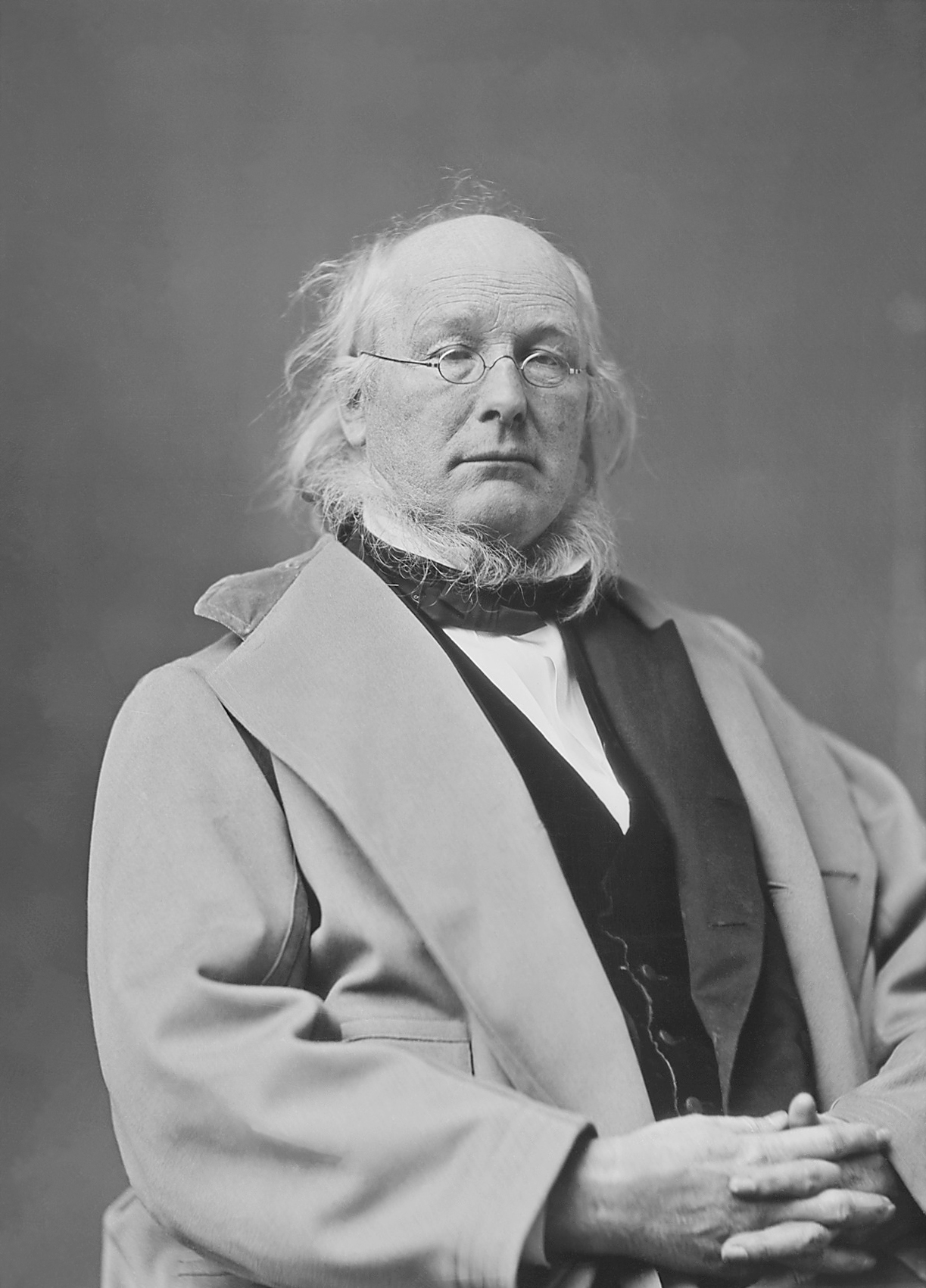
Horace Greeley (February 3, 1811 – November 29, 1872) was an American newspaper editor and publisher who was the founder and editor of the New-York Tribune. Long active in politics, he served briefly as a congressman from New York and was the unsuccessful candidate of the new Liberal Republican Party in the 1872 presidential election against incumbent President Ulysses S. Grant, who won by a landslide.
Greeley was born to a poor family in Amherst, New Hampshire. He was apprenticed to a printer in Vermont and went to New York City in 1831 to seek his fortune. He wrote for or edited several publications, involved himself in Whig Party politics, and took a significant part in William Henry Harrison's successful 1840 presidential campaign.
The following year, Greeley founded the Tribune, which became the highest-circulating newspaper in the country through weekly editions sent by mail. Among many other issues, he urged the settlement of the American Old West, which he saw as a land of opportunity for the young and the unemployed. He popularized the slogan "Go West, young man, and grow up with the country." He endlessly promoted radical reforms such as socialism, vegetarianism, agrarianism, feminism, and temperance and hired the best talent that he could find.
Greeley's alliance with William H. Seward and Thurlow Weed led to his serving three months in the U.S. House of Representatives, where he angered many by investigating Congress in his newspaper. In 1854, he helped found the Republican Party. Republican newspapers across the nation regularly reprinted his editorials. During the Civil War, he mostly supported President Abraham Lincoln but urged him to commit to the end of slavery before Lincoln was willing to do so. After Lincoln's assassination, he supported the Radical Republicans in opposition to President Andrew Johnson. He broke with the Radicals and with Republican President Ulysses Grant because of the party's corruption and Greeley's view that Reconstruction-era policies were no longer needed.
Greeley was the new Liberal Republican Party's presidential nominee in 1872. He lost in a landslide despite having the additional support of the Democratic Party. He was devastated by the death of his wife five days before the election and died one month later, prior to the meeting of the Electoral College.
Greeley was born on February 3, 1811, on a small farm about five miles from Amherst, New Hampshire. He could not breathe for the first twenty minutes of his life. It is suggested that this deprivation may have caused him to develop Asperger's syndrome—some of his biographers, such as Mitchell Snay, maintain that this condition would account for his eccentric behaviors in later life. His father's family was of English descent, and his forebears included early settlers of Massachusetts and New Hampshire, while his mother's family descended from Scots-Irish immigrants from the village of Garvagh in County Londonderry who had settled Londonderry, New Hampshire. Some of Greeley's maternal ancestors were present at the siege of Derry during the Williamite War in Ireland in 1689.
Greeley was the son of poor farmers Zaccheus and Mary (Woodburn) Greeley. Zaccheus was not successful, and moved his family several times, as far west as Pennsylvania. Horace attended the local schools and was a brilliant student.
Seeing the boy's intelligence, some neighbors offered to pay Horace's way at Phillips Exeter Academy, but the Greeleys did not want to accept charity. In 1820, Zaccheus's financial reverses caused him to flee New Hampshire with his family lest he be imprisoned for debt, and settle in Vermont. Even as his father struggled to make a living as a hired hand, Horace Greeley read everything he could—the Greeleys had a neighbor who let Horace use his library. In 1822, Horace ran away from home to become a printer's apprentice, but was told he was too young.
Hub AI
Horace Greeley AI simulator
(@Horace Greeley_simulator)
Horace Greeley
Horace Greeley (February 3, 1811 – November 29, 1872) was an American newspaper editor and publisher who was the founder and editor of the New-York Tribune. Long active in politics, he served briefly as a congressman from New York and was the unsuccessful candidate of the new Liberal Republican Party in the 1872 presidential election against incumbent President Ulysses S. Grant, who won by a landslide.
Greeley was born to a poor family in Amherst, New Hampshire. He was apprenticed to a printer in Vermont and went to New York City in 1831 to seek his fortune. He wrote for or edited several publications, involved himself in Whig Party politics, and took a significant part in William Henry Harrison's successful 1840 presidential campaign.
The following year, Greeley founded the Tribune, which became the highest-circulating newspaper in the country through weekly editions sent by mail. Among many other issues, he urged the settlement of the American Old West, which he saw as a land of opportunity for the young and the unemployed. He popularized the slogan "Go West, young man, and grow up with the country." He endlessly promoted radical reforms such as socialism, vegetarianism, agrarianism, feminism, and temperance and hired the best talent that he could find.
Greeley's alliance with William H. Seward and Thurlow Weed led to his serving three months in the U.S. House of Representatives, where he angered many by investigating Congress in his newspaper. In 1854, he helped found the Republican Party. Republican newspapers across the nation regularly reprinted his editorials. During the Civil War, he mostly supported President Abraham Lincoln but urged him to commit to the end of slavery before Lincoln was willing to do so. After Lincoln's assassination, he supported the Radical Republicans in opposition to President Andrew Johnson. He broke with the Radicals and with Republican President Ulysses Grant because of the party's corruption and Greeley's view that Reconstruction-era policies were no longer needed.
Greeley was the new Liberal Republican Party's presidential nominee in 1872. He lost in a landslide despite having the additional support of the Democratic Party. He was devastated by the death of his wife five days before the election and died one month later, prior to the meeting of the Electoral College.
Greeley was born on February 3, 1811, on a small farm about five miles from Amherst, New Hampshire. He could not breathe for the first twenty minutes of his life. It is suggested that this deprivation may have caused him to develop Asperger's syndrome—some of his biographers, such as Mitchell Snay, maintain that this condition would account for his eccentric behaviors in later life. His father's family was of English descent, and his forebears included early settlers of Massachusetts and New Hampshire, while his mother's family descended from Scots-Irish immigrants from the village of Garvagh in County Londonderry who had settled Londonderry, New Hampshire. Some of Greeley's maternal ancestors were present at the siege of Derry during the Williamite War in Ireland in 1689.
Greeley was the son of poor farmers Zaccheus and Mary (Woodburn) Greeley. Zaccheus was not successful, and moved his family several times, as far west as Pennsylvania. Horace attended the local schools and was a brilliant student.
Seeing the boy's intelligence, some neighbors offered to pay Horace's way at Phillips Exeter Academy, but the Greeleys did not want to accept charity. In 1820, Zaccheus's financial reverses caused him to flee New Hampshire with his family lest he be imprisoned for debt, and settle in Vermont. Even as his father struggled to make a living as a hired hand, Horace Greeley read everything he could—the Greeleys had a neighbor who let Horace use his library. In 1822, Horace ran away from home to become a printer's apprentice, but was told he was too young.
Recent media