Hubbry Logo
Frederik MeijerFrederik MeijerMain
Open search
Frederik Meijer
Community hub
Frederik Meijer
logo
8 pages, 0 posts
0 subscribers
Be the first to start a discussion here.
Frederik Meijer
Frederik Meijer
from Wikipedia

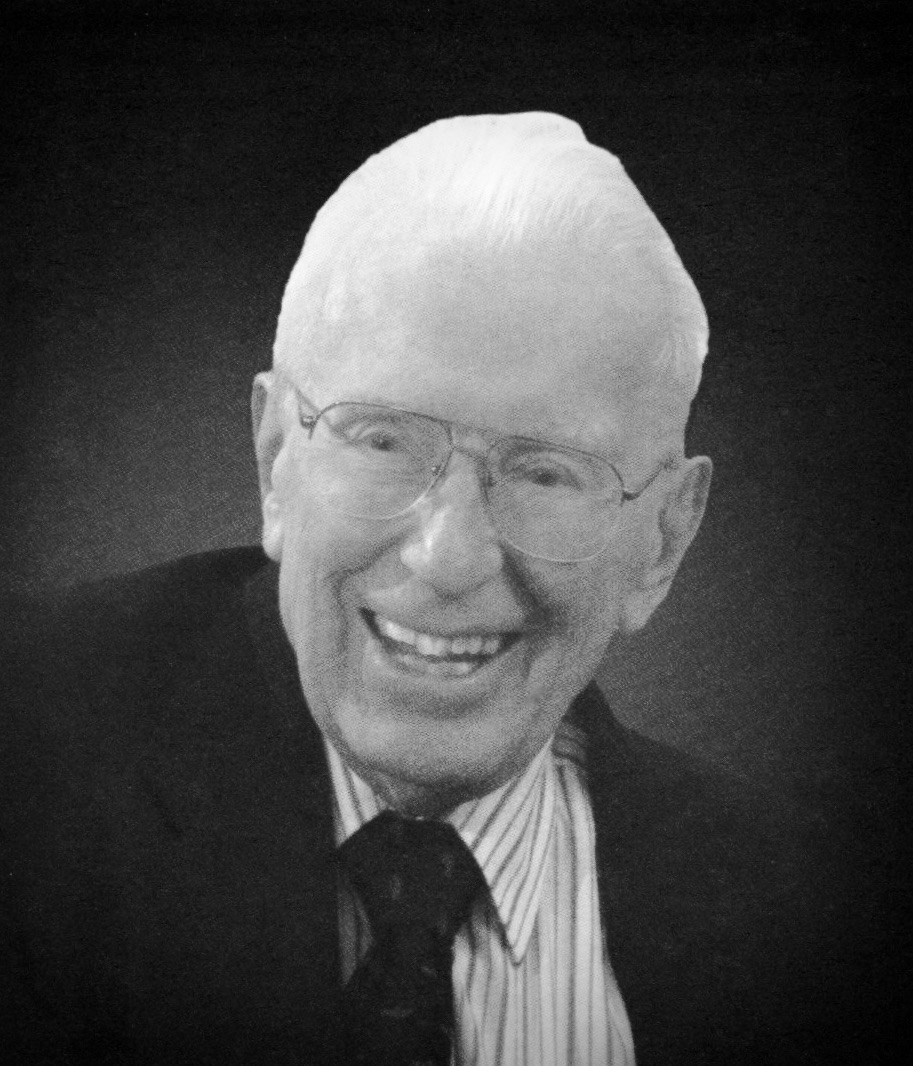
Frederik Gerhard Hendrik "Fred" Meijer (December 7, 1919 – November 25, 2011) was an American billionaire businessman who was the chairman of the Meijer hypermarket chain, headquartered near his former hometown in Grand Rapids, Michigan.[1]

Key Information

Early life

[edit]

Meijer was born in Greenville, Michigan,[1] the son of Gezina Mantel and Hendrik Meijer, Dutch immigrants who had married in Greenville in 1912.[2] In 1934, at age 14, he worked with his father Hendrik to found Meijer's North Side Grocery in Greenville.[1]

Career

[edit]

In 1962, he launched Meijer Thrifty Acres with his father and pioneered one-stop shopping.[1] He inherited the company after the death of his father in 1964.[1] In 1990, he handed over the company to his sons, Doug and Hank, although he remained the chairman of the board until his death.[1]

As of September 2011, he was worth US$5 billion.[1] He was the 60th richest person in the United States at the time of his death.[1][3]

Personal life

[edit]

In 1946, he married Lena Rader (1919–2022), the daughter of farmers, who had been a cashier in one of his stores.[2] They had three sons, Doug, Hank and Mark Meijer.[4] His grandson Peter was the U.S. representative for Michigan's 3rd congressional district from 2021 to 2023.[5] Meijer died on November 25, 2011, at the Spectrum Health System in Grand Rapids, Michigan, after suffering a stroke in his Grand Rapids home.[6] His wife Lena died at 102 years old on January 15, 2022.[7]

Legacy

[edit]
Frederik Meijer Gardens & Sculpture Park in Grand Rapids Charter Township, Michigan

Meijer helped establish the Frederik Meijer Gardens and Sculpture Park.[8] An Honors College at Grand Valley State University is named for him.[9] A Chair in Dutch culture at Calvin University is also named for him.[10] The Frederik Meijer Trail in Kent County, Michigan, and the Fred Meijer White Pine Trail State Park are named after him following donations by the Frederik and Lena Meijer Foundation.[11][12]

References

[edit]

Further reading

[edit]
Revisions and contributorsEdit on WikipediaRead on Wikipedia
from Grokipedia
Frederik Gerhard Hendrik Meijer (December 7, 1919 – November 25, 2011) was an American retail pioneer, billionaire businessman, and philanthropist best known for co-founding and expanding Meijer, Inc., into a major supercenter chain that revolutionized one-stop shopping in the United States. Born in , to Dutch immigrant , he joined his father at age 14 to open their first amid the , laying the groundwork for a family enterprise that grew from a single outlet in 1934 to over 190 stores across the Midwest by the time of his death. Under Meijer's leadership, the company innovated the supercenter model in 1962 by opening Thrifty Acres in —a massive store combining groceries, apparel, and household goods under one roof, which predated similar formats by competitors and transformed American retailing. He emphasized low prices, customer service, and community ties, growing Meijer, Inc., into a privately held powerhouse with annual revenues exceeding $15 billion, while maintaining family control; his sons, Hank and Doug , later assumed executive roles. Beyond business, Meijer was a devoted philanthropist, particularly in the arts and environment, co-founding the Frederik Meijer Gardens & Sculpture Park in Grand Rapids in 1995 with his wife, Lena, which spans 158 acres and features world-class botanical displays and contemporary sculptures, attracting over 850,000 visitors annually as a nonprofit cultural institution. He supported numerous causes, including education, 4-H programs—stemming from his own youth on the family farm—and local foundations, donating tens of millions to enhance Michigan's cultural and communal landscape. Meijer's legacy endures through his company's enduring influence on retail and his vision for accessible public spaces that blend nature, art, and inspiration.

Early life

Family background

Frederik Meijer was born on December 7, 1919, in , to Dutch immigrant parents Hendrik Meijer and Gezina (Mantel) Meijer. His father, Hendrik, was born on December 28, 1883, in , , near the German border, as the third of seven children to Frederick Jan Meijer, a worker, and Maria Loois. Hendrik immigrated to the in the summer of 1907, arriving with his parents and a sister before settling in , where he took on various labor jobs, including work in mills and as a . His fiancée, Gezina, born in 1886 in the , joined him in America in 1912, and the couple married that November in . They purchased a 96-acre in Greenville, where they raised their two children amid the challenges of rural life and the . Frederik, the younger child after his sister Johanna (born 1917), grew up in this modest farming household, learning the values of thrift and hard work from his parents' immigrant experience. The family faced economic hardship, prompting Hendrik to open a small in 1934 to serve needy neighbors during the Depression, with assistance from Gezina, Johanna, and 14-year-old Frederik.

Youth and entry into business

Frederik Gerhard Hendrik Meijer was born on December 7, 1919, in , to , a Dutch immigrant barber, and his wife Gezina. Raised on the family's 96-acre farm in Montcalm County during the , young Fred experienced rural life firsthand, contributing to household needs from an early age. At eight years old, he began managing a horse-drawn route, delivering to local customers and learning the value of and hard work amid economic hardship. Meijer's youth also involved active participation in agricultural activities through , where he was an original member of the Burgess Lake Club in Montcalm County. He raised cows on the , including a prize that he exhibited at the Montcalm County Fair, fostering skills in and community involvement that would later influence his business approach. These formative experiences on the farm and in instilled in him a strong and appreciation for practical , shaping his perspective before transitioning to the family enterprise. In 1934, at age 14, Meijer entered the when his opened the North Side Grocery, a modest 21-by-50-foot store in Greenville designed to provide affordable goods to Depression-era customers. Hendrik, seeking to extend his barbering income, had Meijer assist in preparing the store by stripping plaster walls and salvaging nails, marking Fred's initial immersion in retail operations. By , at age 22, Meijer became a full partner as the business expanded with the opening of a second store, rebranded as Meijer Thrift Market, where he took on greater responsibilities in management and growth. This early involvement laid the foundation for his lifelong commitment to the company, transforming it from a local grocer into a retail innovator.

Career

Establishing the family business

In 1934, during the , Hendrik Meijer, a Dutch immigrant and , opened the first Meijer's Grocery in , using a building he owned and $338.75 in credit to stock goods, with the assistance of his 14-year-old son, Frederik (Fred) Meijer. The store emphasized quality groceries at affordable prices to serve the local community, reflecting Hendrik's customer-centric approach amid economic hardship. Fred, who had begun helping in the family business at age 10, played an early role by introducing shopping with hand-held baskets in 1935, which increased customer throughput and efficiency. By 1937, the family had expanded the original store's size, and in 1942, they opened a second location in Greenville, with Fred, his mother Gezina, and sister contributing to operations. Through the and , the Meijers built a chain of four additional stores in western , transitioning from small groceries to supermarkets after relocating to Grand Rapids following a fire that destroyed their original site. By the late , the business operated over ten stores across Grand Rapids, Muskegon, and , incorporating promotions like the Goodwill stamp program in 1956 to boost loyalty, which was later discontinued in 1961. Fred's involvement grew as he assumed more leadership, focusing on operational improvements and expansion strategies. A pivotal innovation came in June 1962, when Hendrik and Fred opened Thrifty Acres in Grand Rapids, the first supercenter combining groceries, general merchandise, and elements under one roof—a pioneering one-stop model that set the foundation for the company's modern format. This venture, expanded to three locations by 1964, marked the evolution from a regional grocery chain to a discount retail innovator, solidifying the family business's structure before Hendrik's death that year. Fred's vision for integrated retail helped establish as a privately held, family-operated enterprise committed to value and convenience.

Innovation and growth

Under Frederik Meijer's leadership, Meijer Inc. pioneered the modern supercenter concept, transforming the family business from a regional grocery chain into a major Midwest retailer. In 1962, alongside his father Hendrik, Meijer opened the first "Thrifty Acres" store in Grand Rapids, Michigan—a 180,000-square-foot hybrid that combined groceries, general merchandise, a pharmacy, and a café under one roof, predating similar formats by competitors like Walmart and Target. This innovation emphasized one-stop shopping with low prices and self-service features, including early adoption of shopping carts and conveyor-belt checkouts, which boosted efficiency and customer throughput. Prior to launching the supercenter model, the company had 14 supermarkets by 1961. By 1964, following Hendrik's death, Frederik assumed full presidency and had expanded the supercenter model to three stores. The 1960s and 1970s marked aggressive growth within , with dropping trading stamps in 1961 to prioritize everyday low pricing, which captured greater amid competition. Frederik introduced openings starting in Grand Rapids in 1969, extending to all stores by 1976 to meet evolving consumer demands. Expansion beyond began in 1981 with the acquisition of 15 Twin Fair stores in , where successful supercenters in Columbus and Dayton followed in the . By 1988, the company operated 53 stores, many transitioning to 24-hour operations 364 days a year, enhancing accessibility and driving sales to $2 billion that year. In the mid-, the "Rediscover Meijer’s" campaign added in-store delis, bakeries, and fresh seafood departments, further differentiating the supercenters as destination retailers. Further innovations in the solidified Meijer's scale, including the launch of an electronic checking system via the Meijer 1 Card in 1989, which streamlined operations and reduced costs. Geographic expansion accelerated with entries into in 1994 (starting with the Mishawaka store), in 1995 (Champaign, followed by Chicago's Bolingbrook in 1999), southern Ohio's area in 1996 (five stores), and in 1996 and 1998 ( and Louisville locations). By the early , the chain had grown to approximately 170 supercenters, employing tens of thousands and establishing Meijer as a Fortune 400 private company through Frederik's focus on family-owned, customer-centric strategies. In 1986, the rebranding from "Thrifty Acres" to simply "Meijer" unified the identity, supporting sustained growth into a network spanning multiple states.

Retirement and ongoing involvement

In 1990, at the age of 71, Frederik Meijer retired from his active executive role at Meijer Inc., transitioning leadership of the company to his sons and , who became co-chairmen. Despite stepping back from day-to-day operations, he assumed the position of chairman , a role he held until his death in 2011. This title allowed him to maintain a formal advisory capacity while reducing his direct involvement in management decisions. Meijer's ongoing involvement with the company post-retirement was characterized by his role as an unofficial , where he regularly interacted with employees and customers to foster and . He frequently visited stores, distributing promotional items such as "" coupons and offering personal encouragement to staff, embodying the family-oriented culture he had cultivated. Additionally, he continued attending board meetings, providing guidance on strategic matters drawn from his decades of experience in pioneering the supercenter format. This emeritus position enabled Meijer to balance his enduring commitment to the business with expanded pursuits in community and philanthropic endeavors, though he remained a visible symbol of the company's heritage until age 91. His presence helped sustain Inc.'s reputation as a privately held, family-led enterprise amid its growth to over 200 stores across five states.

Personal life

Marriage and children

Frederik Meijer married Lena Elizabeth Selma Rader in 1946 after meeting her at the first Meijer grocery store in , where she worked as a . The couple spent their honeymoon visiting new store locations as part of the growing family business. They relocated to Grand Rapids in 1951 and remained married for 65 years until Frederik's death in 2011. Lena devoted much of her time to raising their family while supporting Frederik's business endeavors, including volunteering at Grand Rapids Public Schools through the PTA at Aberdeen School. The couple shared a passion for , exploring six continents together and participating in activities such as riding, hot-air balloon flights, golf tournaments, and cycling trips. Frederik and Lena had three sons: , , and Mark Meijer. All three sons later became involved in the family business, contributing to its expansion and management. At the time of Lena's death in 2022, the family included seven grandchildren—including former U.S. Rep. —and four great-grandchildren.

Later personal interests

In his later years, Frederik Meijer developed a profound passion for , which became a central personal pursuit after semi-retiring from the day-to-day operations of the family business in the 1980s. This interest was sparked by his encounter with renowned sculptor , leading Meijer to begin collecting significant works of American , including pieces by artists such as and David Smith. He viewed as a timeless art form. This enthusiasm culminated in the co-founding of the in 1995 alongside his wife Lena, blending his love for with her affinity for to create a 158-acre venue featuring over 200 outdoor sculptures integrated into natural landscapes. Meijer's appreciation for the arts extended beyond sculpture to a broader cultural curiosity, including a lifelong interest in history and philosophical reflection, though he lacked formal training in these areas. His interest in the arts stemmed from his youth, influenced by his parents' emphasis on , , and , fostering an early exposure to artistic expression that persisted into adulthood. Despite his ongoing involvement in business, these pursuits provided a personal outlet, allowing him to curate a world-class collection that emphasized figurative and modern works, ultimately enriching public access to in .

Philanthropy and legacy

Charitable foundations and gifts

Frederik Meijer and his wife Lena were prominent philanthropists who channeled much of their wealth into charitable foundations and major gifts, particularly benefiting communities in the areas of , , , and environmental conservation. Their giving emphasized long-term institutional support, often through endowments and lead donations that enabled large-scale projects. Much of their philanthropy was facilitated by the Meijer Foundation, established in 1990 initially to support the development of the Frederik Meijer Gardens and Sculpture Park, with ongoing grants directed toward horticultural societies, , and art museums in the Grand Rapids region. A cornerstone of their charitable efforts was the , a 158-acre nonprofit and outdoor in Grand Rapids that opened to the public in April 1995. The couple provided visionary leadership and substantial funding for its creation, transforming a former gravel-mining site into a cultural landmark featuring themed gardens, walking trails, and nearly 300 sculptures. To ensure its financial sustainability, they helped establish the Frederik Meijer Gardens & Sculpture Foundation in 1992 as a single-purpose endowment fund, which has since grown to support ongoing operations and expansions, including the Lena Meijer Children's Garden. In health care, the Meijers made transformative lead gifts to (now Corewell Health). They were the primary donors for the $137 million Fred and Lena Meijer Heart Center, a nine-story cardiac care facility that opened in November 2004 and has since performed thousands of procedures, including the system's first heart transplant in 2010. Similarly, they provided the lead donation to acquire land in 2002 and fund the $92 million Lemmen-Holton Cancer Pavilion, a 284,000-square-foot facility dedicated in 2008 and named in their honor to recognize friends Harvey Lemmen and Richard Holton while advancing and research in the region. The Meijers also supported through significant contributions to cultural infrastructure. As lead donors, they provided funding for the $10 million renovation of the historic Civic Theatre in Grand Rapids, which reopened in September 2006 as the Meijer Majestic Theatre, preserving a 1920s-era venue for community theater and education programs. Their gifts extended to environmental initiatives, including approximately $10 million donated during 's lifetime to the Rails-to-Trails Conservancy, which facilitated the conversion of abandoned rail lines into public trails; a notable example is the 42-mile Fred Meijer Heartland Trail, completed in 2011 as part of a larger 125-mile network in . Beyond these flagship projects, the Meijers supported a range of community organizations through the Meijer Foundation and direct gifts, including endowments to the Michigan 4-H Foundation—where Meijer himself was an early club member—and patrons of local entities like the Greenville Area Foundation and United Memorial Hospital. Their philanthropy also enabled acquisitions for public institutions, such as sections of the for the , underscoring a commitment to education and historical preservation.

Recognition and lasting impact

Frederik Meijer received widespread recognition for his pioneering contributions to retail and his extensive in . He was hailed as a trailblazer in the development of the one-stop shopping model, which integrated groceries, general merchandise, and apparel under one roof, influencing modern supercenters long before competitors like popularized the format. Under his leadership, the Meijer chain expanded from a single store to over 200 locations across five states, establishing it as the 15th-largest private company in the U.S. by revenue and employing tens of thousands. His earned him a place on ' list of billionaires, reflecting the scale of his economic impact. Meijer's lasting legacy is most evident in his philanthropic endeavors, particularly the establishment of the in Grand Rapids. Alongside his wife Lena, he provided crucial founding support starting in 1990, enabling the 158-acre site's development as a world-class and venue that opened in 1995. Today, the park attracts approximately 800,000 visitors annually and has welcomed over 16 million visitors since inception as of 2025, earning top national rankings as the #1 park in America for multiple years, including 2025, and marking its 30th anniversary with celebrations fostering education, art, and nature appreciation for generations. He also served as a patron for organizations like the Greenville Area Foundation and Lakeview Foundation, channeling resources toward community enhancement. In education, Meijer's influence endures through substantial gifts to (GVSU), including land donations for its regional campuses and millions in funding that supported academic programs. In his honor, the university's honors program was renamed the Frederik Meijer Honors College in 2008 following a family donation, providing interdisciplinary learning opportunities for high-achieving students. His broader support extended to hospitals and arts institutions in Grand Rapids, underscoring a commitment to local welfare. Posthumously, awards like the company's Fred Meijer Award—given annually for embodying his values of humility and service—and the Rotary Club of Grand Rapids' Frederik Meijer Service Above Self Award continue to celebrate his selfless contributions. His family's ongoing perpetuates this impact, ensuring his vision of community prosperity endures.

References

Add your contribution
Related Hubs
User Avatar
No comments yet.