
Recent from talks
Weathering
Knowledge base stats:
Talk channels stats:
Members stats:
Weathering
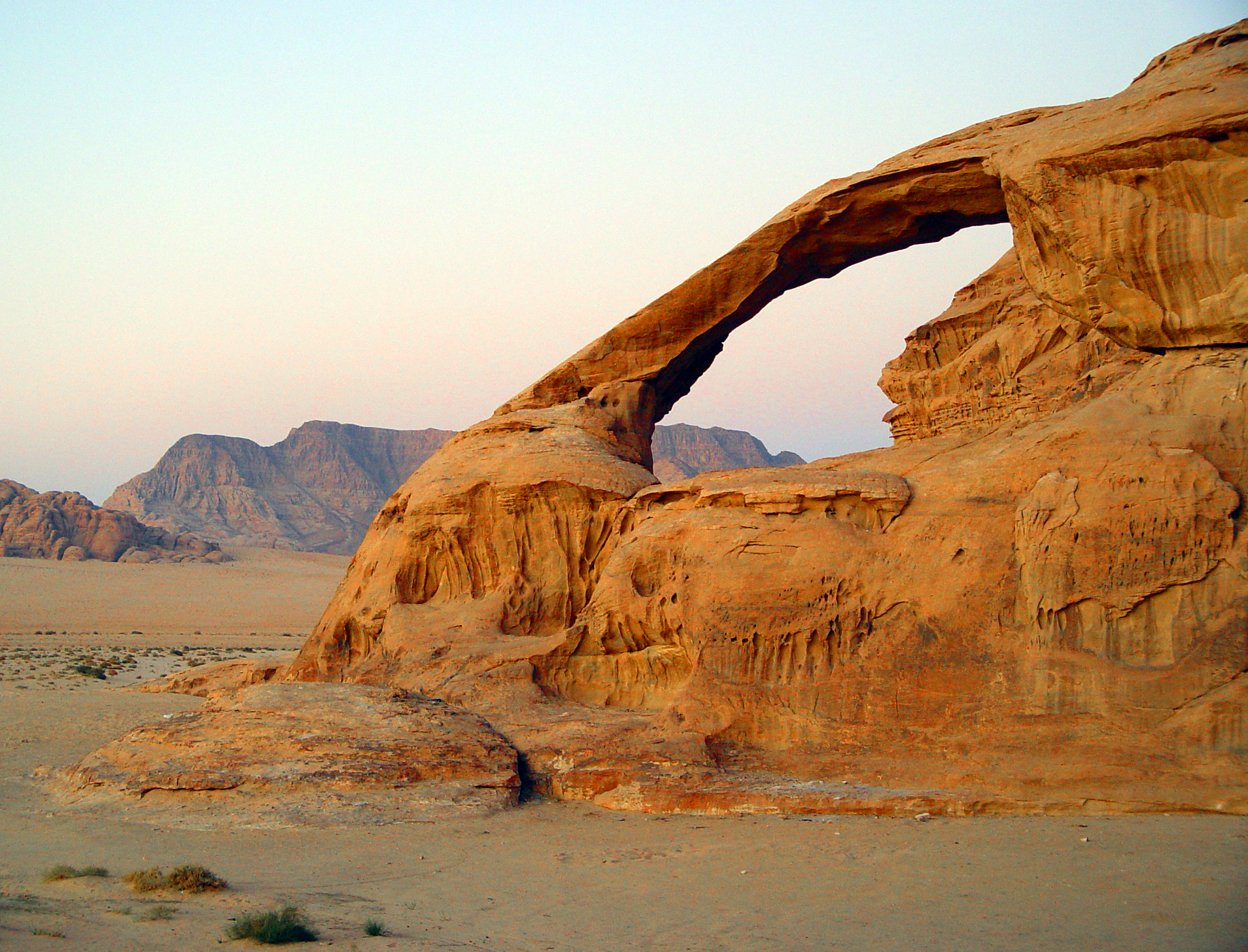
Weathering is the deterioration of rocks, soils and minerals (as well as wood and artificial materials) through contact with water, atmospheric gases, sunlight, and biological organisms. It occurs in situ (on-site, with little or no movement), and so is distinct from erosion, which involves the transport of rocks and minerals by agents such as water, ice, snow, wind, waves and gravity.
Weathering processes are either physical or chemical. The former involves the breakdown of rocks and soils through such mechanical effects as heat, water, ice, and wind. The latter covers reactions to water, atmospheric gases and biologically produced chemicals with rocks and soils. Water is the principal agent behind both kinds, though atmospheric oxygen and carbon dioxide and the activities of biological organisms are also important. Biological chemical weathering is also called biological weathering.
The materials left after the rock breaks down combine with organic material to create soil. Many of Earth's landforms and landscapes are the result of weathering, erosion and redeposition. Weathering is a crucial part of the rock cycle; sedimentary rock, the product of weathered rock, covers 66% of the Earth's continents and much of the ocean floor.
Physical weathering, also called mechanical weathering or disaggregation, is the class of processes that causes the disintegration of rocks without chemical change. Physical weathering involves the breakdown of rocks into smaller fragments through processes such as expansion and contraction, mainly due to temperature changes. Two types of physical breakdown are freeze-thaw weathering and thermal fracturing. Pressure release can also cause weathering without temperature change. It is usually much less important than chemical weathering, but can be significant in subarctic or alpine environments. Furthermore, chemical and physical weathering often go hand in hand. For example, cracks extended by physical weathering will increase the surface area exposed to chemical action, thus amplifying the rate of disintegration.
Frost weathering is the most important form of physical weathering. Next in importance is wedging by plant roots, which sometimes enter cracks in rocks and pry them apart. The burrowing of worms or other animals may also help disintegrate rock, as can "plucking" by lichens.
Frost weathering is the collective name for those forms of physical weathering that are caused by the formation of ice within rock outcrops. It was long believed that the most important of these is frost wedging, which is the widening of cracks or joints in rocks resulting from the expansion of porewater when it freezes. A growing body of theoretical and experimental work suggests that ice segregation, whereby supercooled water migrates to lenses of ice forming within the rock, is the more important mechanism.
When water freezes, its volume increases by 9.2%. This expansion can theoretically generate pressures greater than 200 megapascals (29,000 psi), though a more realistic upper limit is 14 megapascals (2,000 psi). This is still much greater than the tensile strength of granite, which is about 4 megapascals (580 psi). This makes frost wedging, in which pore water freezes and its volumetric expansion fractures the enclosing rock, appear to be a plausible mechanism for frost weathering. Ice will simply expand out of a straight open fracture before it can generate significant pressure. Thus, frost wedging can only take place in small tortuous fractures. The rock must also be almost completely saturated with water, or the ice will simply expand into the air spaces in the unsaturated rock without generating much pressure. These conditions are unusual enough that frost wedging is unlikely to be the dominant process of frost weathering. Frost wedging is most effective where there are daily cycles of melting and freezing of water-saturated rock, so it is unlikely to be significant in the tropics, in polar regions or in arid climates.
Ice segregation is a less well characterized mechanism of physical weathering. It takes place because ice grains always have a surface layer, often just a few molecules thick, that resembles liquid water more than solid ice, even at temperatures well below the freezing point. This premelted liquid layer has unusual properties, including a strong tendency to draw in water by capillary action from warmer parts of the rock. This results in growth of the ice grain that puts considerable pressure on the surrounding rock, up to ten times greater than is likely with frost wedging. This mechanism is most effective in rock whose temperature averages just below the freezing point, −4 to −15 °C (25 to 5 °F). Ice segregation results in growth of ice needles and ice lenses within fractures in the rock and parallel to the rock surface, which gradually pry the rock apart.
Hub AI
Weathering AI simulator
(@Weathering_simulator)
Weathering
Weathering is the deterioration of rocks, soils and minerals (as well as wood and artificial materials) through contact with water, atmospheric gases, sunlight, and biological organisms. It occurs in situ (on-site, with little or no movement), and so is distinct from erosion, which involves the transport of rocks and minerals by agents such as water, ice, snow, wind, waves and gravity.
Weathering processes are either physical or chemical. The former involves the breakdown of rocks and soils through such mechanical effects as heat, water, ice, and wind. The latter covers reactions to water, atmospheric gases and biologically produced chemicals with rocks and soils. Water is the principal agent behind both kinds, though atmospheric oxygen and carbon dioxide and the activities of biological organisms are also important. Biological chemical weathering is also called biological weathering.
The materials left after the rock breaks down combine with organic material to create soil. Many of Earth's landforms and landscapes are the result of weathering, erosion and redeposition. Weathering is a crucial part of the rock cycle; sedimentary rock, the product of weathered rock, covers 66% of the Earth's continents and much of the ocean floor.
Physical weathering, also called mechanical weathering or disaggregation, is the class of processes that causes the disintegration of rocks without chemical change. Physical weathering involves the breakdown of rocks into smaller fragments through processes such as expansion and contraction, mainly due to temperature changes. Two types of physical breakdown are freeze-thaw weathering and thermal fracturing. Pressure release can also cause weathering without temperature change. It is usually much less important than chemical weathering, but can be significant in subarctic or alpine environments. Furthermore, chemical and physical weathering often go hand in hand. For example, cracks extended by physical weathering will increase the surface area exposed to chemical action, thus amplifying the rate of disintegration.
Frost weathering is the most important form of physical weathering. Next in importance is wedging by plant roots, which sometimes enter cracks in rocks and pry them apart. The burrowing of worms or other animals may also help disintegrate rock, as can "plucking" by lichens.
Frost weathering is the collective name for those forms of physical weathering that are caused by the formation of ice within rock outcrops. It was long believed that the most important of these is frost wedging, which is the widening of cracks or joints in rocks resulting from the expansion of porewater when it freezes. A growing body of theoretical and experimental work suggests that ice segregation, whereby supercooled water migrates to lenses of ice forming within the rock, is the more important mechanism.
When water freezes, its volume increases by 9.2%. This expansion can theoretically generate pressures greater than 200 megapascals (29,000 psi), though a more realistic upper limit is 14 megapascals (2,000 psi). This is still much greater than the tensile strength of granite, which is about 4 megapascals (580 psi). This makes frost wedging, in which pore water freezes and its volumetric expansion fractures the enclosing rock, appear to be a plausible mechanism for frost weathering. Ice will simply expand out of a straight open fracture before it can generate significant pressure. Thus, frost wedging can only take place in small tortuous fractures. The rock must also be almost completely saturated with water, or the ice will simply expand into the air spaces in the unsaturated rock without generating much pressure. These conditions are unusual enough that frost wedging is unlikely to be the dominant process of frost weathering. Frost wedging is most effective where there are daily cycles of melting and freezing of water-saturated rock, so it is unlikely to be significant in the tropics, in polar regions or in arid climates.
Ice segregation is a less well characterized mechanism of physical weathering. It takes place because ice grains always have a surface layer, often just a few molecules thick, that resembles liquid water more than solid ice, even at temperatures well below the freezing point. This premelted liquid layer has unusual properties, including a strong tendency to draw in water by capillary action from warmer parts of the rock. This results in growth of the ice grain that puts considerable pressure on the surrounding rock, up to ten times greater than is likely with frost wedging. This mechanism is most effective in rock whose temperature averages just below the freezing point, −4 to −15 °C (25 to 5 °F). Ice segregation results in growth of ice needles and ice lenses within fractures in the rock and parallel to the rock surface, which gradually pry the rock apart.
Recent media