Hubbry Logo
GABA receptorGABA receptorMain
Open search
GABA receptor
Community hub
GABA receptor
logo
8 pages, 0 posts
0 subscribers
Be the first to start a discussion here.
GABA receptor
GABA receptor
from Wikipedia
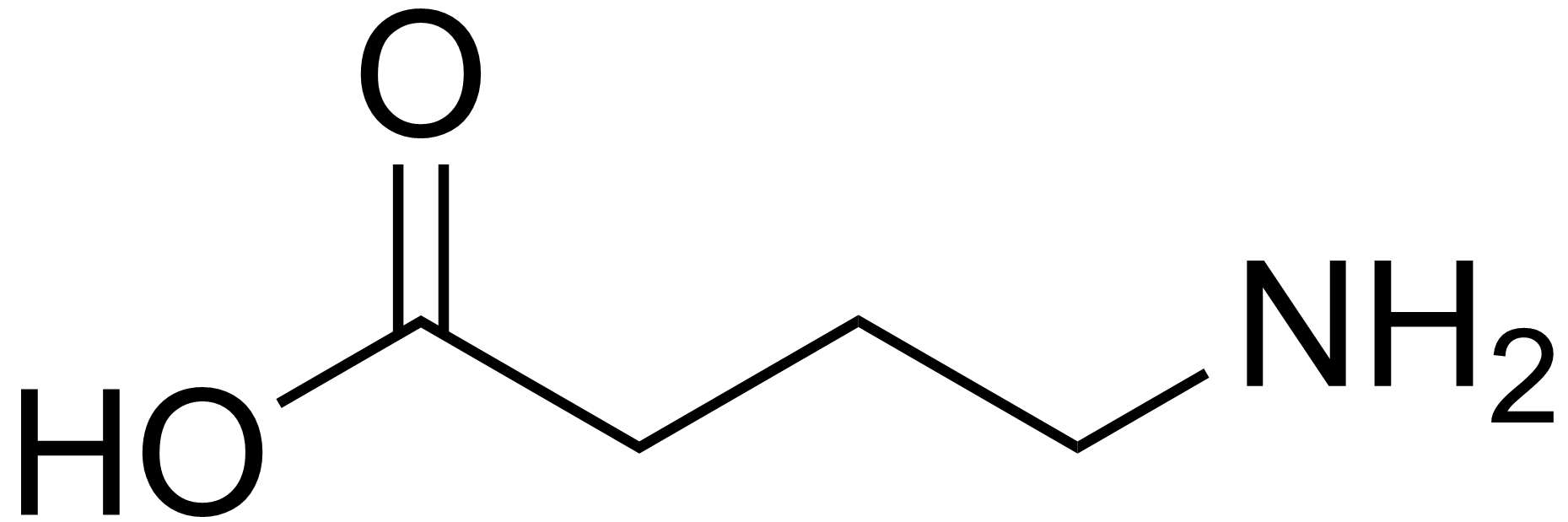
Gamma-aminobutyric acid

The GABA receptors are a class of receptors that respond to the neurotransmitter gamma-aminobutyric acid (GABA), the chief inhibitory compound in the mature vertebrate central nervous system. There are two classes of GABA receptors: GABAA[1] and GABAB. GABAA receptors are ligand-gated ion channels (also known as ionotropic receptors); whereas GABAB receptors are G protein-coupled receptors, also called metabotropic receptors.

Ligand-gated ion channels

[edit]
Cell GABAA receptor.

GABAA receptor

[edit]

It has long been recognized that, for neurons that are stimulated by bicuculline and picrotoxin, the fast inhibitory response to GABA is due to direct activation of an anion channel.[2][3][4][5][6] This channel was subsequently termed the GABAA receptor.[7] Fast-responding GABA receptors are members of a family of Cys-loop ligand-gated ion channels.[8][9][10] Members of this superfamily, which includes nicotinic acetylcholine receptors, GABAA receptors, glycine and 5-HT3 receptors, possess a characteristic loop formed by a disulfide bond between two cysteine residues.[1]

In ionotropic GABAA receptors, binding of GABA molecules to their binding sites in the extracellular part of the receptor triggers opening of a chloride ion-selective pore.[11] The increased chloride conductance drives the membrane potential towards the reversal potential of the Cl¯ ion which is about –75 mV in neurons, inhibiting the firing of new action potentials. This mechanism is responsible for the sedative effects of GABAA allosteric agonists. In addition, activation of GABA receptors lead to the so-called shunting inhibition, which reduces the excitability of the cell independent of the changes in membrane potential.

There have been numerous reports of excitatory GABAA receptors. According to the excitatory GABA theory, this phenomenon is due to increased intracellular concentration of Cl¯ ions either during development of the nervous system[12][13] or in certain cell populations.[14][15][16] After this period of development, a chloride pump is upregulated and inserted into the cell membrane, pumping Cl ions into the extracellular space of the tissue. Further openings via GABA binding to the receptor then produce inhibitory responses. Over-excitation of this receptor induces receptor remodeling and the eventual invagination of the GABA receptor. As a result, further GABA binding becomes inhibited and inhibitory postsynaptic potentials are no longer relevant.

However, the excitatory GABA theory has been questioned as potentially being an artefact of experimental conditions, with most data acquired in in-vitro brain slice experiments susceptible to un-physiological milieu such as deficient energy metabolism and neuronal damage. The controversy arose when a number of studies have shown that GABA in neonatal brain slices becomes inhibitory if glucose in perfusate is supplemented with ketone bodies, pyruvate, or lactate,[17][18] or that the excitatory GABA was an artefact of neuronal damage.[19] Subsequent studies from originators and proponents of the excitatory GABA theory have questioned these results,[20][21][22] but the truth remained elusive until the real effects of GABA could be reliably elucidated in intact living brain. Since then, using technology such as in-vivo electrophysiology/imaging and optogenetics, two in-vivo studies have reported the effect of GABA on neonatal brain, and both have shown that GABA is indeed overall inhibitory, with its activation in the developing rodent brain not resulting in network activation,[23] and instead leading to a decrease of activity.[24][25]

GABA receptors influence neural function by coordinating with glutamatergic processes.[26]

GABAA-ρ receptor

[edit]

A subclass of ionotropic GABA receptors, insensitive to typical allosteric modulators of GABAA receptor channels such as benzodiazepines and barbiturates,[27][28][29] was designated GABAС receptor.[30][31] Native responses of the GABAC receptor type occur in retinal bipolar or horizontal cells across vertebrate species.[32][33][34][35]

GABAС receptors are exclusively composed of ρ (rho) subunits that are related to GABAA receptor subunits.[36][37][38] Although the term "GABAС receptor" is frequently used, GABAС may be viewed as a variant within the GABAA receptor family.[8] Others have argued that the differences between GABAС and GABAA receptors are large enough to justify maintaining the distinction between these two subclasses of GABA receptors.[39][40] However, since GABAС receptors are closely related in sequence, structure, and function to GABAA receptors and since other GABAA receptors besides those containing ρ subunits appear to exhibit GABAС pharmacology, the Nomenclature Committee of the IUPHAR has recommended that the GABAС term no longer be used and these ρ receptors should be designated as the ρ subfamily of the GABAA receptors (GABAA-ρ).[41]

G protein-coupled receptors

[edit]

GABAB receptor

[edit]

A slow response to GABA is mediated by GABAB receptors,[42] originally defined on the basis of pharmacological properties.[43]

In studies focused on the control of neurotransmitter release, it was noted that a GABA receptor was responsible for modulating evoked release in a variety of isolated tissue preparations. This ability of GABA to inhibit neurotransmitter release from these preparations was not blocked by bicuculline, was not mimicked by isoguvacine, and was not dependent on Cl¯, all of which are characteristic of the GABAA receptor. The most striking discovery was the finding that baclofen (β-parachlorophenyl GABA), a clinically employed muscle relaxant[44][45] mimicked, in a stereoselective manner, the effect of GABA.

Later ligand-binding studies provided direct evidence of binding sites for baclofen on central neuronal membranes.[46] cDNA cloning confirmed that the GABAB receptor belongs to the family of G-protein coupled receptors.[47] Additional information on GABAB receptors has been reviewed elsewhere.[48][49][50][51][52][53][54][55]

GABA receptor gene polymorphisms

[edit]

Two separate genes on two chromosomes control GABA synthesis - glutamate decarboxylase and alpha-ketoglutarate decarboxylase genes - though not much research has been done to explain this polygenic phenomenon.[56] GABA receptor genes have been studied more in depth, and many have hypothesized about the deleterious effects of polymorphisms in these receptor genes. The most common single nucleotide polymorphisms (SNPs) occurring in GABA receptor genes rho 1, 2, and 3 (GABBR1, GABBR2, and GABBR3) have been more recently explored in literature, in addition to the potential effects of these polymorphisms. However, some research has demonstrated that there is evidence that these polymorphisms caused by single base pair variations may be harmful.

It was discovered that the minor allele of a single nucleotide polymorphism at GABBR1 known as rs1186902 is significantly associated with a later age of onset for migraines,[57] but for the other SNPs, no differences were discovered between genetic and allelic variations in the control vs. migraine participants. Similarly, in a study examining SNPs in rho 1, 2, and 3, and their implication in essential tremor, a nervous system disorder, it was discovered that there were no differences in the frequencies of the allelic variants of polymorphisms for control vs. essential tremor participants.[58] On the other hand, research examining the effect of SNPs in participants with restless leg syndrome found an "association between GABRR3rs832032 polymorphism and the risk for RLS, and a modifier effect of GABRA4 rs2229940 on the age of onset of RLS" - the latter of which is a modifier gene polymorphism.[59] The most common GABA receptor SNPs do not correlate with deleterious health effects in many cases, but do in a few.

One significant example of a deleterious mutation is the major association between several GABA receptor gene polymorphisms and schizophrenia. Because GABA is integral to the release of inhibitory neurotransmitters which produce a calming effect and play a role in reducing anxiety, stress, and fear, it is not surprising that polymorphisms in these genes result in more consequences relating to mental health than to physical health. Of an analysis on 19 SNPs on various GABA receptor genes, five SNPs in the GABBR2 group were found to be significantly associated with schizophrenia,[60] which produce the unexpected haplotype frequencies not found in the studies mentioned previously.

Several studies have verified association between alcohol use disorder and the rs279858 polymorphism on the GABRA2 gene e, and higher negative alcohol effects scores for individuals who were homozygous at six SNPs.[61] Furthermore, a study examining polymorphisms in the GABA receptor beta 2 subunit gene found an association with schizophrenia and bipolar disorder, and examined three SNPs and their effects on disease frequency and treatment dosage.[62] A major finding of this study was that functional psychosis should be conceptualized as a scale of phenotypes rather than distinct categories.

See also

[edit]

References

[edit]
[edit]
Revisions and contributorsEdit on WikipediaRead on Wikipedia
from Grokipedia
The GABA receptor is a class of membrane receptors that bind the gamma-aminobutyric acid (GABA), the primary inhibitory signaling in the , regulating neuronal excitability and maintaining the balance between excitation and inhibition. These receptors mediate fast and slow inhibitory , with key roles in processes such as , cognitive function, and neurodevelopment, and they are major targets for pharmacological interventions in disorders like , anxiety, and . GABA receptors are classified into three main types based on their molecular structure and signaling mechanisms: the ionotropic GABA_A and GABA_C receptors, which function as ligand-gated ion channels permeable to ions, and the metabotropic GABA_B receptors, which are G-protein-coupled receptors (GPCRs) that modulate second messenger systems. GABA_A receptors, the most abundant and well-studied subtype, form heteropentameric complexes typically composed of two α subunits (α1–6), two β subunits (β1–3), and one γ subunit (γ1–3), arranged around a central -permeable pore; common isoforms like α1β2γ2 are prevalent in synaptic sites and mediate phasic inhibition through rapid influx upon GABA binding, leading to neuronal hyperpolarization. In contrast, GABA_C receptors, also known as ρ receptors, are homopentameric assemblies of ρ1–3 subunits, primarily expressed in the where they contribute to visual via sustained currents, though their roles elsewhere remain under investigation. GABA_B receptors, functioning as obligatory heterodimers of GB1 and GB2 subunits, each with seven transmembrane domains and an extracellular module for binding, activate Gαi/o proteins to inhibit presynaptic calcium channels (reducing release) and activate postsynaptic channels (promoting hyperpolarization), thus mediating slower, prolonged inhibition. These receptors are ubiquitously distributed across brain regions including the hippocampus, , cortex, , and , as well as peripheral tissues like the , influencing diverse physiological functions from to reward and modulation. Pharmacologically, GABA_A receptors feature multiple allosteric binding sites—for benzodiazepines at the α-γ interface, barbiturates and neurosteroids at transmembrane domains, and sensitivity—enabling positive allosteric modulation that enhances GABA affinity and efficacy, as seen with drugs like for anxiety and for seizures. GABA_B receptors are targeted by agonists such as , which treats and shows promise in and by reducing release in reward pathways, while positive allosteric modulators like GS39783 offer improved selectivity and fewer side effects for conditions including depression and . Dysfunctions in GABA receptor signaling, often due to subunit mutations or altered expression, are implicated in neurological disorders such as , , autism spectrum disorders, and mood disturbances, underscoring their therapeutic significance.

Overview and Classification

Definition and physiological role

Gamma-aminobutyric acid (GABA) serves as the principal inhibitory in the , where it plays a critical role in modulating neuronal activity to maintain balanced excitation and inhibition. Synthesized from the excitatory glutamate through catalyzed by decarboxylase (GAD) enzymes, GABA is produced primarily in inhibitory and select projection neurons throughout the and . The core physiological functions of GABA receptors involve reducing neuronal excitability by promoting hyperpolarization, which dampens the likelihood of firing and helps prevent disorders associated with hyperexcitability, such as and anxiety. Ionotropic GABA receptors mediate fast synaptic inhibition through influx, leading to hyperpolarization, while metabotropic receptors achieve slower inhibition via G-protein-coupled modulation of channels and second messengers, further suppressing excitability. These mechanisms collectively ensure precise control over synaptic transmission, with GABAergic signaling accounting for approximately 40% of inhibitory synaptic processing in the mammalian . GABA receptors exhibit remarkable evolutionary conservation, functioning in synaptic inhibition across and vertebrates, a role first elucidated in the through studies of inhibitory processes at neuromuscular junctions. This ancient , preserved over roughly 1,000 million years, underscores the fundamental importance of GABA-mediated inhibition in stability from simple reflexes to complex mammalian . GABA receptors are broadly classified into ionotropic types (GABAA and GABAC) that form ligand-gated channels and metabotropic GABAB receptors that couple to G-proteins, each contributing uniquely to inhibitory dynamics.

Types and subtypes

GABA receptors are classified into two primary categories based on their molecular structure and signaling mechanisms: ionotropic receptors, which are ligand-gated ion channels mediating fast inhibitory , and metabotropic receptors, which are G-protein-coupled receptors involved in slower modulatory effects. The ionotropic class encompasses GABAA and GABAC receptors, while the metabotropic class is represented solely by GABAB receptors. This dichotomy reflects fundamental differences in how GABA binding triggers influx or second-messenger cascades to hyperpolarize neurons. GABAA receptors form the majority of ionotropic GABA receptors and are heteropentameric structures composed of five subunits drawn from 19 distinct types across eight classes: six α subunits (α1–6), three β subunits (β1–3), three γ subunits (γ1–3), one δ subunit, one ε subunit, one θ subunit, one π subunit, and three ρ subunits (ρ1–3). These subunits assemble in various combinations, such as 2α:2β:1γ, to generate diverse subtypes with region-specific distributions and pharmacological profiles, including sensitivity to benzodiazepines at α-γ interfaces. GABAC receptors, also known as ρ receptors, differ from GABAA receptors by forming homopentameric or heteropentameric channels exclusively from ρ1–3 subunits, which share with GABAA subunits but exhibit unique properties. These receptors were first identified through cloning of the ρ1 subunit from human retinal cDNA in 1991 and reclassified as GABAC in the mid-1990s due to their distinct —such as resistance to and benzodiazepines—and predominant localization in the , where they modulate bipolar cell signaling. GABAB receptors operate as obligatory heterodimers of GABAB1 and GABAB2 subunits, with the GABAB1 subunit featuring splice variants like GABAB1a (favoring presynaptic roles in inhibiting release) and GABAB1b (more common in postsynaptic sites for modulating excitability). This heterodimeric assembly ensures proper trafficking, binding at the GABAB1 Venus flytrap domain, and G-protein activation via GABAB2, enabling diverse inhibitory functions across pre- and postsynaptic compartments.

Ionotropic GABA Receptors

GABAA receptor structure and composition

The is a pentameric composed of five transmembrane subunits that form a central chloride-selective pore, with an extracellular domain for binding and intracellular loops for modulation and trafficking. Each subunit consists of a large N-terminal extracellular domain, four transmembrane helices (M1–M4), and a short extracellular , enabling the receptor to integrate into neuronal membranes and respond to GABA binding. Nineteen distinct subunits are known, categorized into families: α1–6, β1–3, γ1–3, δ, ε, θ, π, and ρ1–3, though ρ subunits typically form homomeric or homopentameric GABAC receptors. The principal subunits include α (forming GABA and binding sites at the α-β and α-γ interfaces, respectively), β (contributing to the GABA binding site and channel lining), γ (conferring sensitivity), and δ or ε (often in extrasynaptic receptors mediating tonic inhibition). For example, α subunits determine subtype specificity, with α1, α2, α3, and α5 associating with γ2 for distinct pharmacological profiles. Receptors assemble according to specific stoichiometric rules, with the most common configuration being 2α:2β:1γ subunits arranged counterclockwise as α-β-α-γ-β around the pore, ensuring functional diversity. The α1β2γ2 isoform predominates, comprising approximately 60% of cortical GABAA receptors, while other combinations like α4βδ or α6βδ form extrasynaptic variants. Assembly occurs in the , guided by subunit-specific motifs; for instance, the δ subunit prefers 2α:2β:1δ stoichiometry in extrasynaptic contexts. at N-linked sites, such as Asn32, Asn104, and Asn173 on β2 subunits or Asn110 on α subunits, is essential for proper folding, ER exit, and surface trafficking. Phosphorylation motifs on intracellular domains, including serine residues on β and γ subunits, regulate receptor endocytosis, synaptic clustering, and stability via kinases like PKA and PKC. High-resolution cryo-EM structures, achieved post-2014, reveal the receptor's atomic details, showing a closed-state pore diameter of approximately 0.3 nm constricted by hydrophobic residues at the 9' position, expanding to about 0.6 nm in activated conformations to permit . These structures, such as the human α1β1γ2S complex with GABA at 3.1–3.8 Å resolution, highlight asymmetric subunit arrangements and interactions stabilizing the . Tissue-specific expression patterns further diversify GABAA receptors; for example, α1 subunits are highly expressed in the , contributing to phasic inhibition in granule cells, while δ subunits predominate in hippocampal for extrasynaptic tonic currents. In the hippocampus, δ-containing receptors cluster perisomatically and on dendritic shafts, contrasting with synaptic α1βγ assemblies.

GABAA receptor function and gating

The GABAA receptor functions as a , primarily permeable to ions (Cl⁻), mediating fast inhibitory in the . Upon binding of the γ-aminobutyric acid (GABA) to its orthosteric sites at the extracellular α-β subunit interfaces, the receptor undergoes a conformational change that opens the intrinsic pore. This gating transition allows Cl⁻ influx (or efflux, depending on the ), typically resulting in membrane hyperpolarization due to the Cl⁻ reversal potential of approximately -70 mV in mature neurons. The channel is highly selective for anions, with a permeability ratio for Cl⁻ over (HCO₃⁻) of about 4:1, contributing to the . GABAA receptor activation produces two distinct forms of inhibition: phasic and tonic. Phasic inhibition occurs at synapses, where brief, high-concentration GABA pulses from presynaptic vesicles activate synaptic s containing γ subunits, generating fast inhibitory postsynaptic currents lasting milliseconds. In contrast, tonic inhibition arises from extrasynaptic s, often incorporating δ subunits, which respond to low ambient GABA levels over seconds, providing a sustained modulatory tone on neuronal excitability. These dynamics reflect the receptor's localization and subunit composition, with γ-containing receptors clustered at synapses for rapid signaling and δ-containing ones distributed perisynaptically for prolonged effects. The biophysical properties of the channel include a single-channel conductance of 20-30 pS, enabling efficient Cl⁻ during activation. Prolonged GABA exposure leads to desensitization, where the receptor enters non-conducting states despite occupancy; this process exhibits fast (τ < 10 ms) and slow (τ ≈ 100-150 ms) components, limiting sustained currents and shaping temporal response profiles. Desensitization involves subunit-specific conformational rearrangements in the transmembrane domains, preventing excessive inhibition. Allosteric modulation fine-tunes GABAA receptor function at distinct sites. The benzodiazepine binding site, located at the α-γ subunit interface in the extracellular domain, enhances GABA affinity and increases channel gating efficiency by stabilizing the open state, without directly opening the channel. Similarly, the barbiturate site at the β-α transmembrane interface prolongs channel opening and boosts GABA potency at low concentrations, also acting allosterically to amplify Cl⁻ conductance. The dose-response relationship for GABA activation is often modeled using the Hill equation, which accounts for cooperative binding at the two principal orthosteric sites: I=Imax[GABA]nEC50n+[GABA]nI = I_{\max} \frac{[\text{GABA}]^n}{EC_{50}^n + [\text{GABA}]^n} Here, II is the observed current, ImaxI_{\max} is the maximum current, EC50EC_{50} is the GABA concentration yielding half-maximal response (typically 10-50 μM for common subtypes like α1β2γ2), and nn is the Hill coefficient indicating cooperativity (≈2, reflecting positive interactions between binding events). This model highlights the receptor's sensitivity to GABA levels and underpins quantitative analyses of gating kinetics.

GABAC receptor structure and properties

GABAC receptors, also known as ρ receptors, are ionotropic ligand-gated ion channels that assemble as homopentamers or heteropentamers exclusively from ρ1, ρ2, and ρ3 subunits, distinguishing them from the heteromeric which incorporate α, β, γ, and δ subunits. These ρ subunits lack the γ and δ types, resulting in chloride (Cl⁻) permeable channels that are insensitive to benzodiazepines. The pentameric structure is formed by five identical or mixed ρ subunits arranged around a central ion-conducting pore, a hallmark of the Cys-loop superfamily of receptors. Each ρ subunit features a large N-terminal extracellular domain that harbors the GABA-binding site, composed of loops A–F contributed by principal and complementary faces of adjacent subunits. This domain connects to four transmembrane α-helices (M1–M4), where M2 lines the channel pore to facilitate Cl⁻ permeation. An intracellular loop between M3 and M4 serves as a site for potential modulation by intracellular factors, though it is relatively short in ρ subunits compared to other family members. The C-terminal domain is also intracellular and aids in trafficking and assembly. Seminal crystallographic studies of related Cys-loop receptors, such as the bacterial homolog GLIC, have informed models of ρ receptor topology, confirming the conserved pentameric barrel-like architecture. Recent high-resolution cryo-EM structures of human ρ1 receptors, resolved at 2.0–2.4 Å as of 2025, reveal details of resting, partially locked, and desensitized states in complex with agonists (e.g., GABOB) and antagonists (e.g., THIP, CGP36742), providing direct insights into gating mechanisms, loop C movements, and subtype-specific pharmacology. Phylogenetically, the ρ genes (GABRR1, GABRR2, GABRR3) are clustered on human chromosome 6q14–q21 and evolved separately from the GABAA subunit genes on chromosomes 4, 5, and 15, sharing approximately 35–40% amino acid sequence homology with GABAA subunits, particularly in the transmembrane and ligand-binding domains. This divergence underscores their distinct assembly preferences and pharmacological profiles. Biophysical characterization reveals peak single-channel conductances of 10–20 pS for homomeric ρ1 receptors, with the channel exhibiting high selectivity for anions like Cl⁻ over cations. A defining property of GABAC receptors is their higher affinity for GABA, with half-maximal effective concentrations (EC₅₀) typically ranging from 0.2 to 2 μM, markedly lower than the 10–50 μM observed for most GABAA receptors. They demonstrate slower desensitization kinetics, with time constants (τ) exceeding 1 second during prolonged GABA exposure, enabling sustained inhibitory currents. Pharmacologically, these receptors are insensitive to the competitive antagonist bicuculline (IC₅₀ > 100 μM) but remain sensitive to non-competitive blockade by , which binds within the M2 pore to inhibit Cl⁻ flux at micromolar concentrations. These properties were established through studies in oocytes and HEK cells, highlighting the ρ subunits' unique ligand-binding pocket geometry.

GABAC receptor function and distribution

GABAC receptors are predominantly distributed in the vertebrate , with high expression on the terminals of bipolar cells, where they mediate the majority of inhibition from amacrine cells—accounting for approximately 70-90% of such inputs in various —thereby facilitating contrast detection and in visual . Their localization is also noted on rod- and cone-driven horizontal cells, photoreceptors, and cells, but expression is minimal outside the , distinguishing them from more widespread GABAA receptors. This retina-specific distribution underscores their specialized role in fine-tuning retinal circuitry for visual signal transmission. Functionally, GABAC receptors generate sustained (Cl⁻) currents that produce tonic inhibition, contrasting with the phasic responses of GABAA receptors, and contribute to the refinement of excitatory signals from bipolar cells to inner retinal neurons. These receptors help regulate glutamate release at bipolar terminals, shaping receptive fields and enhancing temporal aspects of visual responses. Studies using ρ1 subunit mice reveal disrupted retinal inhibition, leading to altered electroretinograms and impaired visual , including deficits in spatial acuity and contrast sensitivity. Activation of GABAC receptors is triggered by binding of GABA or the selective agonist cis-4-aminocrotonic acid (CACA), resulting in prolonged membrane hyperpolarization of bipolar cells, with response durations typically spanning 100-500 ms due to slow desensitization kinetics. Unlike GABAA receptors, GABAC responses exhibit little desensitization, supporting sustained inhibitory effects critical for retinal adaptation. GABAC receptor function is modulated by (PKC) , which potentiates current amplitudes and enhances inhibitory efficacy in bipolar cells. These receptors also participate in signaling refractive errors during eye growth, with antagonists demonstrating inhibition of development in animal models. Clinically, mutations in ρ subunits, such as ρ1 variants, are associated with (CSNB), impairing channel function and disrupting retinal signaling.

Metabotropic GABA Receptors

GABAB receptor structure and isoforms

The is an obligate heterodimer composed of two distinct subunits, GABAB1 and GABAB2, each featuring seven transmembrane (7TM) domains characteristic of G protein-coupled receptors (GPCRs). The GABAB1 subunit is responsible for ligand binding, primarily through its large extracellular domain, while the GABAB2 subunit facilitates coupling to G proteins via its intracellular domains. These subunits assemble via a critical coiled-coil interaction at their C-terminal tails, which stabilizes the dimer and masks an retention signal on GABAB1, allowing proper trafficking to the cell surface. Each full-length subunit has a molecular weight of approximately 100 kDa. The ligand-binding site resides exclusively in the extracellular Venus flytrap (VFT) module of the GABAB1 subunit, a bilobed structure that undergoes conformational changes upon GABA binding to close the lobes and initiate receptor activation. This VFT domain exhibits a Kd of approximately 100 nM for GABA, reflecting high-affinity binding typical of metabotropic GABA receptors. In contrast, the VFT of GABAB2 does not bind GABA but contributes to heterodimer stability through inter-subunit interactions at the dimer interface. The obligate nature of this heterodimer ensures functional specificity, as individual subunits expressed alone are retained in the and incapable of surface expression or signaling. GABAB receptors exhibit structural diversity through , generating key isoforms that influence trafficking and localization without altering the core 7TM architecture. The GABAB1 subunit produces two primary N-terminal splice variants: GABAB1a, which includes two extracellular sushi domains that promote presynaptic targeting, and GABAB1b, lacking these domains and favoring postsynaptic expression. Similarly, the GABAB2 subunit has C-terminal isoforms GABAB2a and GABAB2b; the latter features an extended tail that modulates rates, affecting receptor desensitization and recycling. These isoforms combine to form distinct heterodimers (e.g., GABAB1a-GABAB2 or GABAB1b-GABAB2), enabling subcellular specificity while maintaining the overall heterodimeric requirement for function. Structural insights into the GABAB receptor have been advanced by crystallographic studies, notably the 2014 crystal structure of the C-terminal coiled-coil domain, which revealed the precise heterodimeric interface and its role in stabilizing the inactive conformation through hydrophobic and electrostatic interactions. This structure highlights how the coiled-coil assembly prevents premature and ensures subunit . Subsequent cryo-EM analyses have further elucidated the full-length dimer in various states, confirming the VFT-TM linkage and inter-subunit contacts essential for allosteric communication.

GABAB receptor signaling pathways

The , a (GPCR), primarily signals through pertussis toxin-sensitive /o proteins, leading to the dissociation of the into αi/o and βγ subunits that mediate downstream effects. This coupling is facilitated by the obligatory heterodimeric assembly of GABAB1 and GABAB2 subunits, which positions the receptor to interact effectively with Gi/o heterotrimers. In the primary signaling pathway, the Gi/o α subunit inhibits activity, thereby reducing intracellular cyclic AMP (cAMP) levels and downstream (PKA) signaling. This inhibition occurs with an EC50 of approximately 1 μM for the agonist , reflecting the receptor's potency in modulating cAMP production. Concurrently, the released Gβγ subunits directly activate G protein-activated inwardly rectifying (GIRK) channels, promoting K+ efflux and membrane hyperpolarization, which contributes to the slow inhibitory postsynaptic potentials characteristic of activation. Additionally, recent studies have shown that GABAB receptors can be activated independently of GABA by mechanical forces, such as traction and . activation modulates the (MAPK)/extracellular signal-regulated kinase (ERK) pathway, often leading to ERK that supports long-term processes such as long-term depression (LTD). Gβγ subunits also inhibit voltage-gated Ca2+ channels of the Cav2 family (N- and P/Q-type), reducing Ca2+ influx and release probability without altering channel voltage dependence. The kinetics of GABAB receptor signaling are notably slower than those of ionotropic GABA receptors, with an onset of 50-200 ms following binding and a duration extending from seconds to minutes, allowing for sustained modulation of neuronal excitability. This temporal profile arises from the indirect G protein-mediated cascades, contrasting with the millisecond-scale direct of ionotropic receptors. Prolonged activation leads to desensitization through by G protein-coupled receptor kinases (GRKs), particularly GRK4 and GRK5, which recruit β-arrestin to uncouple the receptor from G proteins and promote internalization. This mechanism prevents overstimulation and regulates signaling amplitude. The reduction in cAMP levels can be modeled using the Hill for non-cooperative binding (n=1): [cAMP]=[cAMP]basal1+[GABA]Kd[\text{cAMP}] = \frac{[\text{cAMP}]_{\text{basal}}}{1 + \frac{[\text{GABA}]}{K_d}} where KdK_d represents the , reflecting the concentration of GABA required for half-maximal inhibition.

GABAB receptor presynaptic and postsynaptic roles

The GABAB receptor exerts prominent presynaptic control over release through both and heteroreceptor mechanisms. As on GABAergic terminals, GABAB receptors inhibit GABA release via Gi/o protein-coupled suppression of voltage-gated calcium channels, providing to limit excessive inhibitory transmission. On glutamatergic terminals, presynaptic heteroreceptors similarly reduce glutamate release by inhibiting calcium influx, which can depress excitatory synaptic transmission, thereby balancing excitation in hippocampal circuits. Postsynaptically, GABAB receptors mediate slow inhibitory postsynaptic potentials through activation of G protein-gated inwardly rectifying (GIRK) channels, leading to hyperpolarization and reduced neuronal excitability. This shunting inhibition dampens firing and contributes to the slow phase of inhibitory postsynaptic currents. In the hippocampus, extrasynaptic GABAB receptors facilitate volume transmission of GABA, allowing diffuse signaling beyond synaptic clefts to modulate broader network activity. GABAB receptors are highly expressed in regions such as the , particularly on Purkinje cells, and in thalamic nuclei, where they regulate relay activity. Isoform-specific trafficking directs GABAB1a-containing receptors preferentially to axons for presynaptic functions, while GABAB1b variants localize to dendrites for postsynaptic effects, enabling compartment-specific inhibition. In neural circuits, presynaptic and postsynaptic GABAB actions contribute to rhythm generation and ; for instance, they modulate rhythms in the hippocampus and influence (LTP) and depression (LTD) by gating NMDA receptor-dependent processes. Knockout mice lacking the GABAB1 subunit exhibit hyperactivity, impaired locomotion, and spontaneous seizures, underscoring the receptors' role in maintaining circuit stability. GABAB receptors interact bidirectionally with GABAA receptors to shape inhibition in cortical circuits, where presynaptic GABAB on inhibitory terminals enhances GABAA-mediated shunting, while postsynaptic GABAB hyperpolarization prolongs overall inhibition.

Genetics and Molecular Biology

Gene families and expression

The ionotropic GABA receptors, including GABAA and GABAC subtypes, are encoded by 19 genes in humans, corresponding to subunits α1–6, β1–3, γ1–3, δ, ε, π, θ, and ρ1–3. These genes are organized into clusters on chromosomes 4 (e.g., GABRA2, GABRB1, GABRG1), 5 (e.g., GABRA1, GABRA6, GABRB2, GABRG2), 15 (e.g., GABRA5, GABRB3, GABRG3), and X (e.g., GABRA3, GABRE), reflecting tandem duplications that contributed to subunit diversity. The ρ subunits, which form GABAC receptors, are encoded by genes on (GABRR1 and GABRR2, closely linked at 6q15) and (GABRR3 at 3q11.2). generates isoforms such as the short (γ2S) and long (γ2L) variants of the γ2 subunit, differing by eight in the intracellular loop, which influence receptor trafficking and modulation. The metabotropic GABAB receptors are heterodimers composed of GABBR1 and GABBR2 subunits, encoded by genes on chromosomes 6q13 (GABBR1, spanning approximately 78 kb with 16 exons) and 9q22.1 (GABBR2, spanning about 250 kb with 19 exons). These subunits are co-expressed in a near 1:1 ratio in most brain regions, enabling functional receptor assembly, though regional variations occur, such as higher GABBR1 in certain thalamic nuclei. GABAA receptor genes exhibit tissue-specific expression, with high levels in the ; for instance, quantitative RT-PCR analyses indicate that approximately 60% of GABAA receptors in the and whole brain comprise the α1β2γ2 subtype, underscoring its prevalence in synaptic inhibition. Expression of GABA receptor genes is regulated by promoter elements, including CREB-binding sites in multiple GABAA subunit genes (e.g., α1, β3) that respond to neuronal activity and cAMP signaling, and Sp1/Sp3/Sp4 sites in the GABRA4 promoter that drive basal transcription in cortical neurons. Developmentally, GABAA α1 subunit expression upregulates postnatally, peaking around postnatal day 12 in brainstem nuclei and increasing sharply in hippocampus by , coinciding with a shift toward mature inhibitory circuits. RNA editing is infrequent in ρ subunits compared to α3 (where it alters desensitization), with no established impact on Ca²⁺ permeability in these Cl⁻-selective channels. Evolutionarily, the GABAA arose from gene duplications around 500 million years ago during early genome expansions, with ρ subunits diverging approximately 300 million years ago in the lineage, enabling specialized retinal functions.

Polymorphisms and genetic variations

Polymorphisms in genes encoding GABA receptor subunits have been implicated in altered receptor function and disease susceptibility, with several common single nucleotide polymorphisms (SNPs) showing functional consequences. For instance, the GABRA1 rs2279020 SNP, located in an intronic region of the α1 subunit , has been associated with increased susceptibility to . Similarly, the Pro385Ser variant in the GABRA6 (encoding the α6 subunit) influences sensitivity and has been linked to reduced responses to alcohol, highlighting its role in modulating extrasynaptic GABA_A receptor . In GABRB2 (β2 subunit), certain missense variants contribute to phenotypes by impairing channel gating, though specific common SNPs like those in blocks show variable associations across populations. For metabotropic GABA_B receptors, the GABBR1 rs1186902 SNP has been noted in genetic studies for its potential contribution to risk, with the minor conferring a modest of approximately 1.2 in some cohorts, likely via altered G-protein coupling efficiency. Rare frameshift mutations in GABA_A receptor genes, such as those in GABRB3, are associated with Angelman-like syndromes, where loss-of-function leads to in the 15q11-q13 chromosomal region, disrupting inhibitory signaling and contributing to neurodevelopmental features like and seizures. Functional impacts of these variants often include reduced channel conductance; for example, epilepsy-associated α1 subunit mutants like A322D exhibit approximately 30% lower peak current amplitudes due to faster deactivation rates and impaired trafficking to the synaptic membrane. Genome-wide association studies (GWAS) from the have further implicated GABA receptor loci in anxiety traits, identifying 58 independent genomic loci enriched for signaling pathways in large European-ancestry cohorts of over 122,000 cases. Population differences are evident in frequencies; for example, GABRA6 variants, including the Pro385Ser polymorphism, occur at higher rates in Asian cohorts and elevate risk by enhancing reward-related disinhibition. Haplotype blocks spanning approximately 100 kb across gene clusters on 5q, such as those encompassing GABRA6 and GABRB2, exhibit strong and contribute to these population-specific risks by influencing multiple SNPs in cis. Recent post-2020 investigations using have elucidated effects in ionotropic receptors; while specific GABAC ρ1 remain understudied, analogous rho subunit s reduce bicuculline-insensitive currents by up to 50% in systems, linking them to disorders through disrupted bipolar cell inhibition. These findings underscore the polygenic nature of GABA receptor variations, where common SNPs modulate sensitivity and rare drive severe phenotypes, informing and therapeutic targeting.

Pharmacology

GABAA Receptor Ligands

GABAA receptors, which are ligand-gated ion channels, are activated by orthosteric that bind at the GABA-binding site located at the β-α subunit interface. serves as a broad-spectrum with high potency across various GABAA subtypes, exhibiting an of approximately 0.18 μM in binding assays to α1β3 receptors and around 0.9 μM for of α1β3γ2 receptors. THIP (also known as ) acts as a selective preferring δ subunit-containing extrasynaptic GABAA receptors, such as α4β3δ, where it functions as a full with enhanced sensitivity compared to synaptic subtypes like α1β2γ2, contributing to its effects. Other orthosteric agonists for GABAA receptors include the endogenous ligand GABA itself, isoguvacine, and progabide, which activate the receptor leading to increased chloride conductance. Additionally, piperidine-4-sulfonic acid (P4S) acts as a partial agonist at certain GABAA subtypes. Competitive antagonists at the orthosteric site block agonist-induced influx. is a classic competitive with an of about 0.9 μM against GABA responses in αβγ2 receptors, effectively inhibiting channel opening by reducing conductance duration and frequency. Radioligand binding studies using [3H] demonstrate high-affinity interactions with GABAA receptors, yielding a KD value of approximately 5 nM, which underscores the receptor's sensitivity to orthosteric ligands.

GABAC Receptor Ligands

GABAC receptors, composed of ρ subunits (now classified as GABAA-ρ), exhibit distinct from other GABAA subtypes and are insensitive to typical GABAA modulators like benzodiazepines. The agonist cis-4-aminocrotonic acid (CACA) is selective for GABAC receptors, acting as a with preference over GABAA and GABAB sites, though its potency is lower ( in the low micromolar range for ρ1). Other agonists for GABAC receptors include (S)-2MeGABA and (+)-4-aminocyclopent-2-ene-1-carboxylic acid ((+)-ACPECA), which act as full agonists at ρ1 and ρ2 receptors with high selectivity. TPMPA functions primarily as a selective at GABAC receptors, with an IC50 of around 1.1 μM at ρ1 receptors, showing minimal activity at conventional GABAA receptors ( >300 μM) and thus enabling subtype-specific blockade.

GABAB Receptor Ligands

GABAB receptors, metabotropic G-protein-coupled receptors, respond to orthosteric that activate Gi/o signaling pathways. is a prototypical orthosteric with an of approximately 0.27 μM in suppressing dopamine neuron firing and around 0.5-1 μM in various recombinant and native assays. SKF97541 (also called CGP35024) is a highly potent , surpassing in efficacy, with values in the nanomolar range (e.g., ~7 nM) for presynaptic inhibition. Additional GABAB receptor agonists include sodium oxybate (GHB), which is used clinically and acts as a full agonist, as well as partial agonists such as CGP7930 and ADX71441 that enhance agonist responses at low concentrations. Antagonists competitively inhibit agonist binding at the domain. Phaclofen, an early analog of , acts as a weak with an IC50 of about 100 μM at recombinant GABAB(1b/2) receptors. CGP55845 represents a more potent , with an of 5 nM for blocking -induced responses and a pKi of 8.35 in binding assays, effectively targeting both pre- and postsynaptic sites.

Modulators of GABAA Receptors

Positive allosteric modulators (PAMs) enhance GABAA receptor function by binding at distinct sites, such as the pocket between α and γ subunits. is an α1-selective PAM with high affinity (Ki ~17 nM) for α1-containing receptors and an EC50 of approximately 100 nM for potentiating GABA currents in α1β2γ2 subtypes, promoting effects. serves as a negative allosteric modulator and at the site, non-selectively antagonizing PAMs across α1-α5 subtypes with nanomolar potency, thereby reducing GABA-evoked currents in the presence of endogenous tone.

Allosteric sites and drug binding

GABAA receptors feature multiple allosteric binding sites that fine-tune channel gating and GABA efficacy without overlapping the orthosteric GABA sites at β-α interfaces. The classical benzodiazepine site resides at the extracellular α+/γ- subunit interface, where ligands like bind to enhance GABA affinity, typically increasing it by approximately 10-fold through stabilization of the receptor in a higher-affinity state for the agonist. This modulation primarily boosts the frequency of channel opening events in response to GABA, as revealed by structural studies showing conformational changes that propagate from the extracellular domain to the transmembrane region. Neurosteroids, such as , target distinct allosteric pockets, including the transmembrane α-β interface, where they potentiate GABA-induced currents at low concentrations; at higher doses (e.g., >1 μM), they directly activate the channel by promoting pore opening independently of GABA, mimicking agonist-like effects through interactions with key residues in the M4 . In contrast, GABAC (ρ) receptors display more restricted allosteric modulation compared to GABAA subtypes. Zinc ions interact with specific histidine residues (e.g., H56 in ρ1 subunits) in the extracellular domain, leading to inhibition of GABA responses with an IC50 around 10 μM. This histidine-dependent mechanism underscores the limited diversity of allosteric sites on homomeric ρ receptors, which lack γ subunits and thus benzodiazepine sensitivity. GABAB receptors, as heterodimers of GABAB1 and GABAB2 subunits, harbor allosteric sites primarily within the heptahelical of the GABAB2 subunit. Positive allosteric modulators (PAMs) like GS39783 bind here, enhancing efficacy by up to 200% without intrinsic activity, by stabilizing the active conformation of the receptor and facilitating G-protein . This modulation also promotes heterodimer assembly and surface expression, amplifying downstream signaling through increased potency and maximal response to orthosteric like . Binding kinetics at these allosteric sites vary by ligand and receptor subtype, influencing onset and duration of modulation. For instance, diazepam exhibits rapid association to the GABAA benzodiazepine site with a Kon rate of approximately 10^7 M^{-1} s^{-1} and slower dissociation (Koff ~10^{-2} s^{-1}), enabling sustained enhancement during prolonged exposure. Barbiturates, binding at distinct transmembrane sites on GABAA receptors, display high cooperativity with GABA (cooperativity factor α ≈ 4), reflecting their ability to profoundly prolong channel open times and shift the receptor toward desensitized states at higher occupancies. Recent structural advances, including cryo-EM studies of GABAA receptors bound to various allosteric modulators, illuminate how allosteric ligands induce transmembrane pocket expansion. occupies β+/α- intersubunit cavities in the , causing outward movements of M2-M3 helices that widen the pathway and couple extracellular binding to gating, thereby providing a mechanistic basis for potentiation.

Physiological and Clinical Significance

Role in neurotransmission and plasticity

GABA receptors play a central role in inhibitory within cortical and hippocampal circuits, where they help maintain the balance between excitation and inhibition essential for normal function. In the , feedforward inhibition occurs when excitatory inputs to principal neurons simultaneously activate interneurons, providing rapid suppression via GABAA receptors, while feedback inhibition arises from recurrent connections among principal cells that recruit for self-regulation. GABAA receptors mediate fast phasic inhibition through chloride influx, typically lasting milliseconds, whereas GABAB receptors contribute to slower, metabotropic inhibition via G-protein-coupled activation, extending over hundreds of milliseconds to modulate network dynamics. This excitatory-inhibitory (E/I) balance in healthy cortical circuits involves excitatory and inhibitory conductances of similar magnitude in many regions, ensuring stable firing rates and preventing hyperexcitability or silencing. In , GABA receptors regulate long-term changes that underlie learning and memory. At mossy fiber-CA3 synapses in the hippocampus, activation of presynaptic GABAB receptors induces long-term depression (LTD) by inhibiting , reducing cAMP levels and subsequent activity, which weakens glutamate release probability. This heterosynaptic depression helps refine circuit specificity during activity-dependent refinement. Complementarily, tonic inhibition mediated by extrasynaptic GABAA receptors containing the δ subunit in hippocampal and CA1 regions modulates (LTP); enhancing δ-GABAA activity suppresses LTP induction by elevating the threshold for synaptic strengthening, thereby fine-tuning excitatory plasticity without altering phasic inhibition. GABA receptors also contribute to brain rhythms critical for cognitive processes. GABAA receptor-mediated fast inhibition from parvalbumin-expressing drives gamma oscillations (40-80 Hz) in cortical and hippocampal networks, which synchronize neuronal ensembles during and . In contrast, GABAB receptors modulate rhythms (4-8 Hz) in the hippocampus, where their activation influences excitability to support phase-locking of firing, facilitating spatial and encoding. Blockade of GABAB receptors disrupts power, underscoring their role in rhythm generation. During neural development, GABAA receptor signaling undergoes a critical switch from depolarizing to hyperpolarizing effects, driven by upregulation of the K+/Cl- cotransporter KCC2, which lowers intracellular concentration and shifts the chloride reversal potential. This transition, occurring postnatally in , transforms GABA from an excitatory to an inhibitory , stabilizing emerging circuits and preventing excessive activity. KCC2 expression correlates directly with this polarity reversal, enabling mature .

Involvement in disorders and therapeutics

Dysfunction of GABA receptors has been implicated in various neurological and psychiatric disorders, where altered inhibitory signaling contributes to hyperexcitability or imbalanced . In , mutations in the encoding the α1 subunit of GABA_A receptors lead to reduced channel function and diminished inhibitory currents, contributing to syndromes such as . These genetic variants impair receptor gating and trafficking, resulting in a subset of familial and idiopathic cases characterized by absence, myoclonic, or tonic-clonic seizures. Similarly, in anxiety disorders, disruption of GABA_B receptor signaling, as demonstrated in GABAB1 subunit knockout mice, results in heightened anxiety-like behaviors due to loss of presynaptic inhibition and altered postsynaptic modulation. In addiction, particularly alcohol use disorder, chronic exposure leads to plastic changes in extrasynaptic GABA_A receptors containing δ subunits, where initial potentiation gives way to internalization and reduced sensitivity, contributing to tolerance and withdrawal hyperexcitability. This downregulation of tonic GABAergic inhibition in key brain regions like the ventral tegmental area exacerbates craving and relapse vulnerability. GABA_B agonists such as baclofen mitigate these effects by reducing alcohol craving and promoting abstinence; meta-analyses of randomized controlled trials indicate baclofen increases abstinence rates by up to 179% compared to placebo in some cohorts, though overall evidence shows moderate efficacy with variability by dose and patient severity. Therapeutically, benzodiazepines targeting synaptic GABA_A receptors provide rapid relief for acute anxiety by enhancing phasic inhibition, but are recommended for short-term use (typically 2-4 weeks) due to risks of tolerance, dependence, and withdrawal symptoms upon chronic administration. For , eszopiclone, a non-benzodiazepine agonist selective for α1-, α2-, and α3-containing GABA_A receptors, improves onset and maintenance with a favorable profile over benzodiazepines, though long-term use still carries dependence risks. Emerging GABA_B positive allosteric modulators (PAMs), such as those developed by Addex Therapeutics, show promise in phase II trials for anxious depression, enhancing receptor sensitivity without the of full agonists and demonstrating effects in preclinical models of mood disorders. In retinal degeneration, preclinical studies explore AAV-mediated to restore GABA_C (ρ subunit) receptor function, aiming to preserve bipolar cell inhibition and prevent photoreceptor loss in models of inherited retinal dystrophies, with promising vision restoration in animal paradigms. Key challenges in GABA receptor-targeted therapies include tolerance development, where chronic use causes GABA_A receptor downregulation and uncoupling from agonists, reducing efficacy and precipitating rebound anxiety or seizures during withdrawal. For GABA_B antagonists explored in conditions like or depression, off-target effects such as and gastrointestinal disturbances arise due to broad modulation of metabotropic signaling, limiting clinical translation despite potential benefits in enhancing excitatory balance.

References

Add your contribution
Related Hubs
User Avatar
No comments yet.