
Recent from talks
Geo Bogza
Knowledge base stats:
Talk channels stats:
Members stats:
Geo Bogza
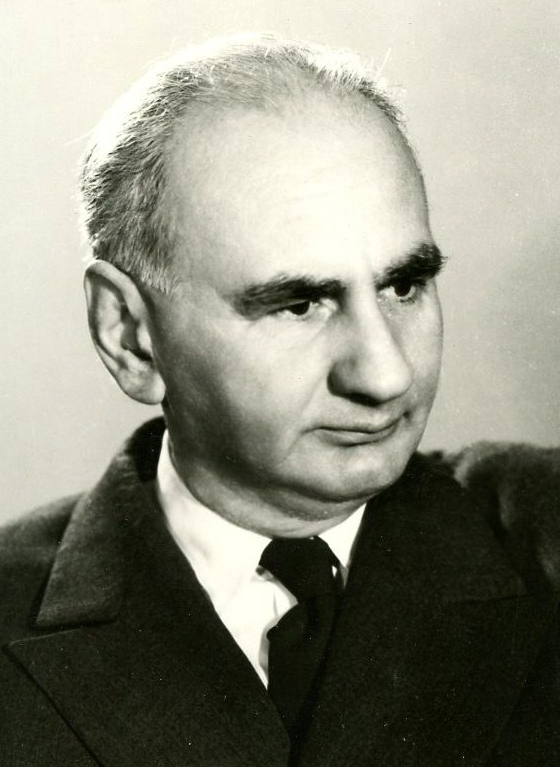
Geo Bogza (Romanian pronunciation: [ˈd͡ʒe.o ˈboɡza]; born Gheorghe Bogza; February 6, 1908 – September 14, 1993) was a Romanian avant-garde theorist, poet, and journalist, known for his left-wing and communist political convictions. As a young man in the interwar period, he was known as a rebel and was one of the most influential Romanian Surrealists. Several of his controversial poems twice led to his imprisonment on grounds of obscenity, and saw him partake in the conflict between young and old Romanian writers, as well as in the confrontation between the avant-garde and the far right. At a later stage, Bogza won acclaim for his many and accomplished reportage pieces, being one of the first to cultivate the genre in Romanian literature, and using it as a venue for social criticism.
After the establishment of Communist Romania, Bogza adapted his style to Socialist realism, and became one of the most important literary figures to have serviced the government. With time, he became a subtle critic of the regime, especially under the rule of Nicolae Ceaușescu, when he adopted a dissident position. Beginning in the late 1960s, he publicized his uncomfortable attitudes as subtext to apparently innocent articles and essays. An editor for Viața Românească and România Literară magazines, Geo Bogza was one of the leaders of the Romanian Writers' Union and a member of the Romanian Academy.
He was the older brother of Radu Tudoran, himself a known writer, whose political choices were in stark contrast with those of Geo Bogza, and made Tudoran the object of communist persecution. Bogza had lifelong contacts with some representatives of the Romanian avant-garde, among them Victor Brauner, Max Blecher, Sesto Pals, Sașa Pană, and Paul Păun, and was friends with, among others, the essayist and theologian Nicolae Steinhardt, the dissident Gheorghe Ursu, and the filmmaker Mircea Săucan.
Geo Bogza was born in Blejoi, Prahova County. At one point during the late 1930s, Bogza was irritated after reading an article authored by one of his fascist adversaries, Alexandru Hodoș (later a member of the Iron Guard). Hodoș implied that Bogza was not an ethnic Romanian, which prompted the latter to elaborate on his origins and his name. Bogza refuted the allegation by indicating that his father was originally from the village of Bogzești, in Secuieni, Neamț County, and that his mother (née Georgescu) was the daughter of a Romanian Transylvanian activist who had fled from Austria-Hungary to the Kingdom of Romania. The lineage was confirmed by literary critic George Călinescu as part of a short biographical essay.
Geo Bogza, who indicated that he was baptized Romanian Orthodox, also stressed that his given name, Gheorghe, had been turned into the hypocoristic Geo while he was still a child, and that he had come to prefer the shortened form. During the early stages of his career, he is known to have signed writings with the name George Bogza (George being a variant of Gheorghe).
Bogza attended school in Ploiești and trained as a sailor at the Naval Academy in Constanța, but never sought employment in the Romanian Naval Forces. Until the age of 28, he made part of his income as a sailor on a commercial vessel. He returned to his native Prahova County, lived in Buștenari, and eventually settled in Bucharest.
In 1927, he made his debut in poetry, writing for the Prahova-based modernist magazine Câmpina, which was edited by poet Alexandru Tudor-Miu. The following year, he contributed to Sașa Pană's avant-garde magazine unu (also known as Unu), edited a short-lived Surrealist and anti-bourgeois magazine that drew inspiration from Urmuz (and was titled after that writer), and published in Tudor Arghezi's Bilete de Papagal. Arghezi admired the younger writer, and he is credited with having suggested the name Urmuz for the magazine.
During that period, Geo Bogza became one of the most recognizable young rebellious authors, a category that also included, among others, Marcel Avramescu, Gherasim Luca, Paul Păun, Constantin Nisipeanu, and Sesto Pals. In time, he became a noted contributor to the leftist and socialist press, and one of the most respected Romanian authors of reportage prose. One of his articles-manifestos read: "I always had the uncomfortable impression that any beauty may enter the consciousness of a bourgeois only on all fours [italics in the original]." Writing for Urmuz, he condemned convention as "a false sun" and "intellectual acrobatics", depicting his magazine as "a lash that whips the mind".
Hub AI
Geo Bogza AI simulator
(@Geo Bogza_simulator)
Geo Bogza
Geo Bogza (Romanian pronunciation: [ˈd͡ʒe.o ˈboɡza]; born Gheorghe Bogza; February 6, 1908 – September 14, 1993) was a Romanian avant-garde theorist, poet, and journalist, known for his left-wing and communist political convictions. As a young man in the interwar period, he was known as a rebel and was one of the most influential Romanian Surrealists. Several of his controversial poems twice led to his imprisonment on grounds of obscenity, and saw him partake in the conflict between young and old Romanian writers, as well as in the confrontation between the avant-garde and the far right. At a later stage, Bogza won acclaim for his many and accomplished reportage pieces, being one of the first to cultivate the genre in Romanian literature, and using it as a venue for social criticism.
After the establishment of Communist Romania, Bogza adapted his style to Socialist realism, and became one of the most important literary figures to have serviced the government. With time, he became a subtle critic of the regime, especially under the rule of Nicolae Ceaușescu, when he adopted a dissident position. Beginning in the late 1960s, he publicized his uncomfortable attitudes as subtext to apparently innocent articles and essays. An editor for Viața Românească and România Literară magazines, Geo Bogza was one of the leaders of the Romanian Writers' Union and a member of the Romanian Academy.
He was the older brother of Radu Tudoran, himself a known writer, whose political choices were in stark contrast with those of Geo Bogza, and made Tudoran the object of communist persecution. Bogza had lifelong contacts with some representatives of the Romanian avant-garde, among them Victor Brauner, Max Blecher, Sesto Pals, Sașa Pană, and Paul Păun, and was friends with, among others, the essayist and theologian Nicolae Steinhardt, the dissident Gheorghe Ursu, and the filmmaker Mircea Săucan.
Geo Bogza was born in Blejoi, Prahova County. At one point during the late 1930s, Bogza was irritated after reading an article authored by one of his fascist adversaries, Alexandru Hodoș (later a member of the Iron Guard). Hodoș implied that Bogza was not an ethnic Romanian, which prompted the latter to elaborate on his origins and his name. Bogza refuted the allegation by indicating that his father was originally from the village of Bogzești, in Secuieni, Neamț County, and that his mother (née Georgescu) was the daughter of a Romanian Transylvanian activist who had fled from Austria-Hungary to the Kingdom of Romania. The lineage was confirmed by literary critic George Călinescu as part of a short biographical essay.
Geo Bogza, who indicated that he was baptized Romanian Orthodox, also stressed that his given name, Gheorghe, had been turned into the hypocoristic Geo while he was still a child, and that he had come to prefer the shortened form. During the early stages of his career, he is known to have signed writings with the name George Bogza (George being a variant of Gheorghe).
Bogza attended school in Ploiești and trained as a sailor at the Naval Academy in Constanța, but never sought employment in the Romanian Naval Forces. Until the age of 28, he made part of his income as a sailor on a commercial vessel. He returned to his native Prahova County, lived in Buștenari, and eventually settled in Bucharest.
In 1927, he made his debut in poetry, writing for the Prahova-based modernist magazine Câmpina, which was edited by poet Alexandru Tudor-Miu. The following year, he contributed to Sașa Pană's avant-garde magazine unu (also known as Unu), edited a short-lived Surrealist and anti-bourgeois magazine that drew inspiration from Urmuz (and was titled after that writer), and published in Tudor Arghezi's Bilete de Papagal. Arghezi admired the younger writer, and he is credited with having suggested the name Urmuz for the magazine.
During that period, Geo Bogza became one of the most recognizable young rebellious authors, a category that also included, among others, Marcel Avramescu, Gherasim Luca, Paul Păun, Constantin Nisipeanu, and Sesto Pals. In time, he became a noted contributor to the leftist and socialist press, and one of the most respected Romanian authors of reportage prose. One of his articles-manifestos read: "I always had the uncomfortable impression that any beauty may enter the consciousness of a bourgeois only on all fours [italics in the original]." Writing for Urmuz, he condemned convention as "a false sun" and "intellectual acrobatics", depicting his magazine as "a lash that whips the mind".
Recent media