
Recent from talks
Kingdom of Romania
Knowledge base stats:
Talk channels stats:
Members stats:
Kingdom of Romania
The Kingdom of Romania (Romanian: Regatul României) was a constitutional monarchy that existed from 25 March [O.S. 13 March] 1881 with the crowning of prince Karl of Hohenzollern-Sigmaringen as King Carol I (thus beginning the Romanian royal family), until 1947 with the abdication of King Michael I and the Romanian parliament's proclamation of the Romanian People's Republic.
From 1859 to 1877, Romania evolved from a personal union of two principalities: (Moldavia and Wallachia) called the Unification of Moldavia and Wallachia also known as "The Little Union" under a single prince to an autonomous principality with a Hohenzollern monarchy. The country gained its independence from the Ottoman Empire during the 1877–1878 Russo-Turkish War (known locally as the Romanian War of Independence), after which it was forced to cede the southern part of Bessarabia in exchange for Northern Dobruja. The kingdom's territory during the reign of King Carol I, between 13 (O.S.) / 25 March 1881 and 27 September (O.S.) / 10 October 1914 is sometimes referred to as the Romanian Old Kingdom, to distinguish it from "Greater Romania", which included the provinces that became part of the state after World War I (Bessarabia, Banat, Bukovina, and Transylvania).
With the exception of the southern halves of Bukovina and Transylvania, these territories were ceded to neighboring countries in 1940, under the pressure of Nazi Germany or the Soviet Union. Following the abolishment of the 1923 constitution by King Carol II in 1938, the Kingdom of Romania became an absolute monarchy, only to become a military dictatorship under Ion Antonescu in 1940 after the forced abdication of King Carol II, with his successor, King Michael I being a figurehead with no effective political power. The country's name was changed to Legionary Romania.
The disastrous World War II campaign on the side of the Axis powers led to King Michael's Coup against Ion Antonescu in 1944, as a result of which the Kingdom of Romania became a constitutional monarchy again and switched sides to the Allies, recovering Northern Transylvania. The influence of the neighbouring Soviet Union and the policies followed by Communist-dominated coalition governments ultimately led to the abolition of the monarchy, with Romania becoming a Soviet satellite state as the People's Republic of Romania on the last day of 1947.
The 1859 ascendancy of Alexandru Ioan Cuza as prince of both Moldavia and Wallachia under the nominal suzerainty of the Ottoman Empire united an identifiably Romanian nation under a single ruler. On 24 January (O.S.) / 5 February 1862, the two principalities were formally united to form the Principality of Romania, with Bucharest as its capital.
On 11 (O.S.) / 23 February 1866 a so-called "monstrous coalition", composed of Conservatives and radical Liberals, forced Cuza to abdicate. The German prince Charles of Hohenzollern-Sigmaringen was appointed as Prince of Romania, in a move to assure German backing to unity and future independence. He immediately adopted the Romanian spelling of his name, Carol, and his cognatic descendants would rule Romania until the overthrow of the monarchy in 1947.
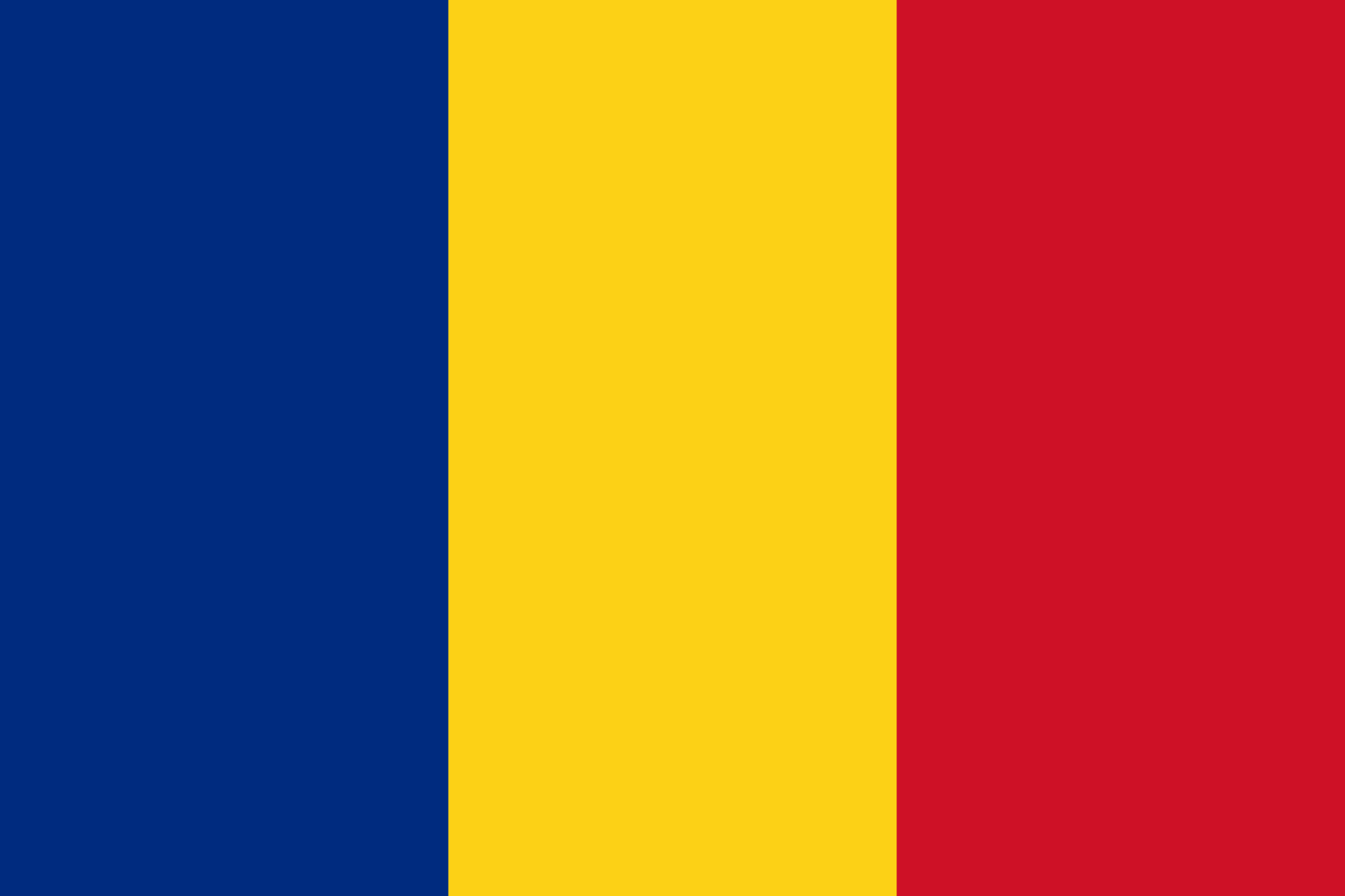
For more than a decade after the formal union of the two principalities, Romania was still nominally a vassal of the Ottoman Empire. However, this was increasingly a legal fiction. Romania had its own flag and anthem, and from 1867 had its own currency as well. Following the Russo-Turkish War of 1877–1878, Romania was recognized as an independent state by the Treaty of Berlin, 1878 and acquired Dobruja, although it was forced to surrender southern Bessarabia (Budjak) to Russia. On 15 March 1881, as an assertion of full sovereignty, the Romanian parliament raised the country to the status of a kingdom, and Carol was crowned king on 10 May.
The new state, squeezed between the Ottoman, Austro-Hungarian, and Russian Empires, with Slavic populations on its southwestern, southern, and northeastern borders, the Black Sea due east, and Hungarian neighbours on its western and northwestern borders, looked to the West, particularly France, for its cultural, educational, and administrative models.
Hub AI
Kingdom of Romania AI simulator
(@Kingdom of Romania_simulator)
Kingdom of Romania
The Kingdom of Romania (Romanian: Regatul României) was a constitutional monarchy that existed from 25 March [O.S. 13 March] 1881 with the crowning of prince Karl of Hohenzollern-Sigmaringen as King Carol I (thus beginning the Romanian royal family), until 1947 with the abdication of King Michael I and the Romanian parliament's proclamation of the Romanian People's Republic.
From 1859 to 1877, Romania evolved from a personal union of two principalities: (Moldavia and Wallachia) called the Unification of Moldavia and Wallachia also known as "The Little Union" under a single prince to an autonomous principality with a Hohenzollern monarchy. The country gained its independence from the Ottoman Empire during the 1877–1878 Russo-Turkish War (known locally as the Romanian War of Independence), after which it was forced to cede the southern part of Bessarabia in exchange for Northern Dobruja. The kingdom's territory during the reign of King Carol I, between 13 (O.S.) / 25 March 1881 and 27 September (O.S.) / 10 October 1914 is sometimes referred to as the Romanian Old Kingdom, to distinguish it from "Greater Romania", which included the provinces that became part of the state after World War I (Bessarabia, Banat, Bukovina, and Transylvania).
With the exception of the southern halves of Bukovina and Transylvania, these territories were ceded to neighboring countries in 1940, under the pressure of Nazi Germany or the Soviet Union. Following the abolishment of the 1923 constitution by King Carol II in 1938, the Kingdom of Romania became an absolute monarchy, only to become a military dictatorship under Ion Antonescu in 1940 after the forced abdication of King Carol II, with his successor, King Michael I being a figurehead with no effective political power. The country's name was changed to Legionary Romania.
The disastrous World War II campaign on the side of the Axis powers led to King Michael's Coup against Ion Antonescu in 1944, as a result of which the Kingdom of Romania became a constitutional monarchy again and switched sides to the Allies, recovering Northern Transylvania. The influence of the neighbouring Soviet Union and the policies followed by Communist-dominated coalition governments ultimately led to the abolition of the monarchy, with Romania becoming a Soviet satellite state as the People's Republic of Romania on the last day of 1947.
The 1859 ascendancy of Alexandru Ioan Cuza as prince of both Moldavia and Wallachia under the nominal suzerainty of the Ottoman Empire united an identifiably Romanian nation under a single ruler. On 24 January (O.S.) / 5 February 1862, the two principalities were formally united to form the Principality of Romania, with Bucharest as its capital.
On 11 (O.S.) / 23 February 1866 a so-called "monstrous coalition", composed of Conservatives and radical Liberals, forced Cuza to abdicate. The German prince Charles of Hohenzollern-Sigmaringen was appointed as Prince of Romania, in a move to assure German backing to unity and future independence. He immediately adopted the Romanian spelling of his name, Carol, and his cognatic descendants would rule Romania until the overthrow of the monarchy in 1947.
For more than a decade after the formal union of the two principalities, Romania was still nominally a vassal of the Ottoman Empire. However, this was increasingly a legal fiction. Romania had its own flag and anthem, and from 1867 had its own currency as well. Following the Russo-Turkish War of 1877–1878, Romania was recognized as an independent state by the Treaty of Berlin, 1878 and acquired Dobruja, although it was forced to surrender southern Bessarabia (Budjak) to Russia. On 15 March 1881, as an assertion of full sovereignty, the Romanian parliament raised the country to the status of a kingdom, and Carol was crowned king on 10 May.
The new state, squeezed between the Ottoman, Austro-Hungarian, and Russian Empires, with Slavic populations on its southwestern, southern, and northeastern borders, the Black Sea due east, and Hungarian neighbours on its western and northwestern borders, looked to the West, particularly France, for its cultural, educational, and administrative models.
Recent media