
Recent from talks
Geoffrey Layton
Knowledge base stats:
Talk channels stats:
Members stats:
Geoffrey Layton
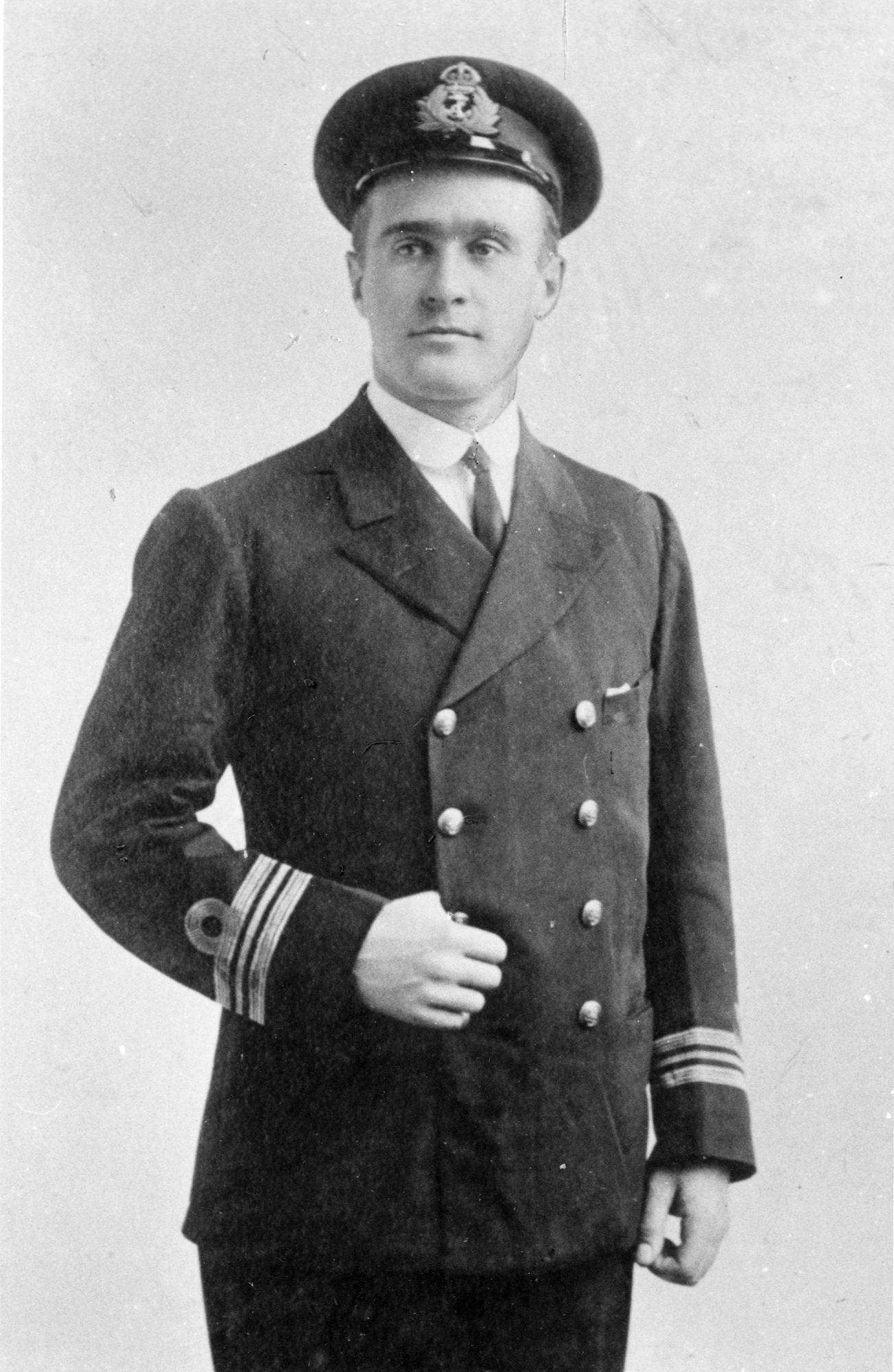
Admiral Sir Geoffrey Layton, GBE, KCB, KCMG, DSO (20 April 1884 – 4 September 1964) was a Royal Navy officer. He was in command of the submarine HMS E13 when, under attack from German vessels, it ran aground off the Danish coast during the First World War. Despite this incident, he rose to senior command in the Second World War and retired in 1947. His final appointment had been as Commander-in-Chief, Portsmouth.
Layton was the son of a Liverpool solicitor, George Layton, and was educated at Eastman's Royal Naval Academy. He joined the Royal Navy as a naval cadet on 15 May 1899 on HMS Britannia. Following this he served as a midshipman aboard cruisers in the English Channel and off the south coast of the United States.
Layton took his lieutenant's course and was promoted to that rank on 30 November 1905. He then he joined the submarine branch of the navy, in which he had his first command. From 1910 he did two years general service and returned to submarines in 1912, commanding several of them during the First World War.
On 18 August 1915 Layton's submarine, HMS E13, was ordered to the Baltic to assist the Russians, but he ran aground on Saltholm off the Danish coast. E13 was destroyed early the following morning by a German torpedo boat, killing half his men. Layton and the others were interned at Copenhagen. Three months later, disguised as a local sailor, he managed to return to Britain. In 1916–17, he commanded the experimental steam submarine S-1. At the end of the war he was awarded the Distinguished Service Order.
Layton was promoted to captain on 31 December 1922 and held the post of Chief of Staff to the Rear Admiral Submarines. In the late 1920s he was appointed Deputy Director of Operations at the Admiralty and in 1930 he attended a course at the Imperial Defence College. From 1931 to 1933, he was posted as Chief of Staff on the China Station. He commanded the Royal Naval Base at Portsmouth from 1934 to 1936, when he became Director of Personnel Services at the Admiralty.
Layton then transferred to battlecruisers, firstly Renown. Then, following another period at the Admiralty, he commanded the Battlecruiser Squadron, flying his flag on Hood, from August 1938 until August 1939. Layton was then appointed second-in-command of the Mediterranean Fleet, firstly under Admiral Sir Dudley Pound and later under Admiral Sir Andrew Cunningham. He is recorded as commanding the 1st Battle Squadron, consisting of the battleships HMS Barham, HMS Warspite, and HMS Malaya, on the outbreak of war on 3 September 1939.
Layton took command of the China Station in September 1940. In May 1941, he was informed that Admiral Sir Tom Phillips would succeed him. The battleship HMS Prince of Wales and battlecruiser HMS Repulse were deployed to Singapore in December 1941 as a deterrent to Japanese attack, with Phillips in Prince of Wales. Layton broadcast a message to the Malayan people, telling them of the improvements to defence on the arrival of these two capital ships in Singapore. On 10 December, he handed over the naval command to Phillips and prepared to return home. Later that day, Prince of Wales and Repulse were sunk off Malaya by Japanese air attack. Layton was then recalled as Commander-in-Chief, Eastern Fleet.
In January 1942, the short-lived American-British-Dutch-Australian Command (ABDACOM) was formed, to direct Allied forces in South East Asia and the South West Pacific. On 5 January, the deputy commander of ABDA naval forces, Rear Admiral Arthur Palliser, made Layton the senior naval officer at Tanjung Priok, the port for Batavia (Jakarta), Java. His main role was organising better convoy protection.
Hub AI
Geoffrey Layton AI simulator
(@Geoffrey Layton_simulator)
Geoffrey Layton
Admiral Sir Geoffrey Layton, GBE, KCB, KCMG, DSO (20 April 1884 – 4 September 1964) was a Royal Navy officer. He was in command of the submarine HMS E13 when, under attack from German vessels, it ran aground off the Danish coast during the First World War. Despite this incident, he rose to senior command in the Second World War and retired in 1947. His final appointment had been as Commander-in-Chief, Portsmouth.
Layton was the son of a Liverpool solicitor, George Layton, and was educated at Eastman's Royal Naval Academy. He joined the Royal Navy as a naval cadet on 15 May 1899 on HMS Britannia. Following this he served as a midshipman aboard cruisers in the English Channel and off the south coast of the United States.
Layton took his lieutenant's course and was promoted to that rank on 30 November 1905. He then he joined the submarine branch of the navy, in which he had his first command. From 1910 he did two years general service and returned to submarines in 1912, commanding several of them during the First World War.
On 18 August 1915 Layton's submarine, HMS E13, was ordered to the Baltic to assist the Russians, but he ran aground on Saltholm off the Danish coast. E13 was destroyed early the following morning by a German torpedo boat, killing half his men. Layton and the others were interned at Copenhagen. Three months later, disguised as a local sailor, he managed to return to Britain. In 1916–17, he commanded the experimental steam submarine S-1. At the end of the war he was awarded the Distinguished Service Order.
Layton was promoted to captain on 31 December 1922 and held the post of Chief of Staff to the Rear Admiral Submarines. In the late 1920s he was appointed Deputy Director of Operations at the Admiralty and in 1930 he attended a course at the Imperial Defence College. From 1931 to 1933, he was posted as Chief of Staff on the China Station. He commanded the Royal Naval Base at Portsmouth from 1934 to 1936, when he became Director of Personnel Services at the Admiralty.
Layton then transferred to battlecruisers, firstly Renown. Then, following another period at the Admiralty, he commanded the Battlecruiser Squadron, flying his flag on Hood, from August 1938 until August 1939. Layton was then appointed second-in-command of the Mediterranean Fleet, firstly under Admiral Sir Dudley Pound and later under Admiral Sir Andrew Cunningham. He is recorded as commanding the 1st Battle Squadron, consisting of the battleships HMS Barham, HMS Warspite, and HMS Malaya, on the outbreak of war on 3 September 1939.
Layton took command of the China Station in September 1940. In May 1941, he was informed that Admiral Sir Tom Phillips would succeed him. The battleship HMS Prince of Wales and battlecruiser HMS Repulse were deployed to Singapore in December 1941 as a deterrent to Japanese attack, with Phillips in Prince of Wales. Layton broadcast a message to the Malayan people, telling them of the improvements to defence on the arrival of these two capital ships in Singapore. On 10 December, he handed over the naval command to Phillips and prepared to return home. Later that day, Prince of Wales and Repulse were sunk off Malaya by Japanese air attack. Layton was then recalled as Commander-in-Chief, Eastern Fleet.
In January 1942, the short-lived American-British-Dutch-Australian Command (ABDACOM) was formed, to direct Allied forces in South East Asia and the South West Pacific. On 5 January, the deputy commander of ABDA naval forces, Rear Admiral Arthur Palliser, made Layton the senior naval officer at Tanjung Priok, the port for Batavia (Jakarta), Java. His main role was organising better convoy protection.
Recent media