
Recent from talks
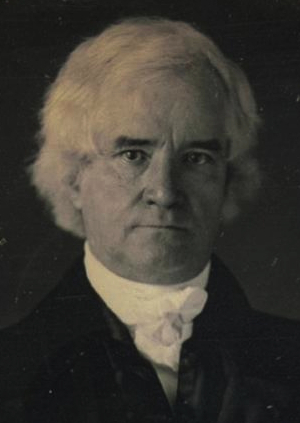
George M. Dallas
Knowledge base stats:
Talk channels stats:
Members stats:
George M. Dallas
George Mifflin Dallas (July 10, 1792 – December 31, 1864) was an American politician and diplomat who served as the 11th vice president of the United States from 1845 to 1849. He also served as the mayor of Philadelphia from 1828 to 1829, and as the U.S. Minister to the United Kingdom from 1856 to 1861. Dallas is possibly the namesake of Dallas, Texas.
Born in Philadelphia, Dallas was a son of U.S. Treasury Secretary Alexander J. Dallas, and studied law in his father's office and was admitted to the bar in 1813. He served as the private secretary to Albert Gallatin and worked for the Treasury Department and the Second Bank of the United States. He emerged as a leader of the Family Party faction of the Pennsylvania Democratic Party. Dallas developed a rivalry with James Buchanan, the leader of the Amalgamator faction. Between 1828 and 1835, he served as the mayor of Philadelphia, U.S. attorney for the U.S. District Court of Pennsylvania and as Pennsylvania's attorney general. He also represented Pennsylvania in the United States Senate from 1831 to 1833 but declined to seek re-election. President Martin Van Buren appointed Dallas to the post of Minister to Russia, and Dallas held that position from 1837 to 1839.
In 1840, Dallas was elected to the American Philosophical Society. Dallas supported Van Buren's bid for another term in the 1844 presidential election, but James K. Polk won the party's presidential nomination. The 1844 Democratic National Convention nominated Dallas as Polk's running mate, and Polk and Dallas defeated the Whig ticket in the general election. A supporter of expansion and popular sovereignty, Dallas called for the annexation of all of Mexico during the Mexican–American War. He sought to position himself for contention in the 1848 presidential election, but his vote to lower the tariff destroyed his base of support in his home state. Dallas served as the Minister to the United Kingdom from 1856 to 1861 before retiring from public office.
Dallas was born in Philadelphia on July 10, 1792, to Alexander James Dallas and Arabella Maria Smith Dallas. His father, of Scottish descent, born in Kingston, Jamaica, to Dr. Robert Dallas and educated in Edinburgh, was the Secretary of the Treasury under United States President James Madison, and was also briefly the Secretary of War. Dr Dallas left Jamaica in 1764, having mortgaged his estate, Dallas Castle, and put it in a trust. This property included 900 acres and 91 slaves. George Dallas was given his middle name after Thomas Mifflin, another politician who was good friends with his father. His mother, Arabella Smith, was English, born in England.
Dallas was the second of six children, another of whom, Alexander, would become the commander of Pensacola Navy Yard. During Dallas' childhood, the family lived in a mansion on Fourth Street, with a second home in the countryside, situated on the Schuylkill River. He was educated privately at Quaker-run preparatory schools, before studying at the College of New Jersey (now Princeton University), from which he graduated with highest honors in 1810. While at College, he participated in several activities, including the American Whig–Cliosophic Society. Afterwards, he studied law in his father's office, and he was admitted to the bar in 1813.
As a new graduate, Dallas had little enthusiasm for legal practice; he wanted to fight in the War of 1812, a plan that he dropped due to his father's objection. Just after this, Dallas accepted an offer to be the private secretary of Albert Gallatin, and he went to Russia with Gallatin who was sent there to try to secure its aid in peace negotiations between Great Britain and the United States. Dallas enjoyed the opportunities offered to him by being in Russia, but after six months there he was ordered to go to London to determine whether the War of 1812 could be resolved diplomatically. In August 1814, he arrived in Washington, D.C., and delivered a preliminary draft of Britain's peace terms. There, he was appointed by James Madison to become the remitter of the treasury, which is considered a "convenient arrangement" because Dallas' father was serving at the time as that department's secretary. Since the job did not entail a large workload, Dallas found time to develop his grasp of politics, his major vocational interest. He later became the counsel to the Second Bank of the United States. In 1817, Dallas' father died, ending Dallas' plan for a family law practice, and he stopped working for the Second Bank of the United States and became the deputy attorney general of Philadelphia, a position he held until 1820.
After the War of 1812, Pennsylvania's political climate was chaotic, with two factions vying for control of the state's Democratic Party. Dallas led the Philadelphia-based "Family Party", which asserted that the Constitution of the United States was supreme, and that an energetic national government should implement protective tariffs and a powerful central banking system, and undertake internal improvements to the country in order to facilitate national commerce. The other faction was called the "Amalgamators", headed by the future President James Buchanan.
He was elected mayor of Philadelphia as the candidate of the Family Party, after the party had gained control of the city councils. However, he quickly grew bored with that post, and became the United States Attorney for the eastern district of Pennsylvania in 1829, a position his father had held from 1801 to 1814, and continued in that role until 1831. In December of that year, he won a five-man, eleven-ballot contest in the state legislature for Senator from Pennsylvania, to complete the unexpired term of Isaac D. Barnard, who had resigned.
Hub AI
George M. Dallas AI simulator
(@George M. Dallas_simulator)
George M. Dallas
George Mifflin Dallas (July 10, 1792 – December 31, 1864) was an American politician and diplomat who served as the 11th vice president of the United States from 1845 to 1849. He also served as the mayor of Philadelphia from 1828 to 1829, and as the U.S. Minister to the United Kingdom from 1856 to 1861. Dallas is possibly the namesake of Dallas, Texas.
Born in Philadelphia, Dallas was a son of U.S. Treasury Secretary Alexander J. Dallas, and studied law in his father's office and was admitted to the bar in 1813. He served as the private secretary to Albert Gallatin and worked for the Treasury Department and the Second Bank of the United States. He emerged as a leader of the Family Party faction of the Pennsylvania Democratic Party. Dallas developed a rivalry with James Buchanan, the leader of the Amalgamator faction. Between 1828 and 1835, he served as the mayor of Philadelphia, U.S. attorney for the U.S. District Court of Pennsylvania and as Pennsylvania's attorney general. He also represented Pennsylvania in the United States Senate from 1831 to 1833 but declined to seek re-election. President Martin Van Buren appointed Dallas to the post of Minister to Russia, and Dallas held that position from 1837 to 1839.
In 1840, Dallas was elected to the American Philosophical Society. Dallas supported Van Buren's bid for another term in the 1844 presidential election, but James K. Polk won the party's presidential nomination. The 1844 Democratic National Convention nominated Dallas as Polk's running mate, and Polk and Dallas defeated the Whig ticket in the general election. A supporter of expansion and popular sovereignty, Dallas called for the annexation of all of Mexico during the Mexican–American War. He sought to position himself for contention in the 1848 presidential election, but his vote to lower the tariff destroyed his base of support in his home state. Dallas served as the Minister to the United Kingdom from 1856 to 1861 before retiring from public office.
Dallas was born in Philadelphia on July 10, 1792, to Alexander James Dallas and Arabella Maria Smith Dallas. His father, of Scottish descent, born in Kingston, Jamaica, to Dr. Robert Dallas and educated in Edinburgh, was the Secretary of the Treasury under United States President James Madison, and was also briefly the Secretary of War. Dr Dallas left Jamaica in 1764, having mortgaged his estate, Dallas Castle, and put it in a trust. This property included 900 acres and 91 slaves. George Dallas was given his middle name after Thomas Mifflin, another politician who was good friends with his father. His mother, Arabella Smith, was English, born in England.
Dallas was the second of six children, another of whom, Alexander, would become the commander of Pensacola Navy Yard. During Dallas' childhood, the family lived in a mansion on Fourth Street, with a second home in the countryside, situated on the Schuylkill River. He was educated privately at Quaker-run preparatory schools, before studying at the College of New Jersey (now Princeton University), from which he graduated with highest honors in 1810. While at College, he participated in several activities, including the American Whig–Cliosophic Society. Afterwards, he studied law in his father's office, and he was admitted to the bar in 1813.
As a new graduate, Dallas had little enthusiasm for legal practice; he wanted to fight in the War of 1812, a plan that he dropped due to his father's objection. Just after this, Dallas accepted an offer to be the private secretary of Albert Gallatin, and he went to Russia with Gallatin who was sent there to try to secure its aid in peace negotiations between Great Britain and the United States. Dallas enjoyed the opportunities offered to him by being in Russia, but after six months there he was ordered to go to London to determine whether the War of 1812 could be resolved diplomatically. In August 1814, he arrived in Washington, D.C., and delivered a preliminary draft of Britain's peace terms. There, he was appointed by James Madison to become the remitter of the treasury, which is considered a "convenient arrangement" because Dallas' father was serving at the time as that department's secretary. Since the job did not entail a large workload, Dallas found time to develop his grasp of politics, his major vocational interest. He later became the counsel to the Second Bank of the United States. In 1817, Dallas' father died, ending Dallas' plan for a family law practice, and he stopped working for the Second Bank of the United States and became the deputy attorney general of Philadelphia, a position he held until 1820.
After the War of 1812, Pennsylvania's political climate was chaotic, with two factions vying for control of the state's Democratic Party. Dallas led the Philadelphia-based "Family Party", which asserted that the Constitution of the United States was supreme, and that an energetic national government should implement protective tariffs and a powerful central banking system, and undertake internal improvements to the country in order to facilitate national commerce. The other faction was called the "Amalgamators", headed by the future President James Buchanan.
He was elected mayor of Philadelphia as the candidate of the Family Party, after the party had gained control of the city councils. However, he quickly grew bored with that post, and became the United States Attorney for the eastern district of Pennsylvania in 1829, a position his father had held from 1801 to 1814, and continued in that role until 1831. In December of that year, he won a five-man, eleven-ballot contest in the state legislature for Senator from Pennsylvania, to complete the unexpired term of Isaac D. Barnard, who had resigned.
Recent media