



Community hub
Recent from talks
Contribute something to knowledge base
Content stats: 0 posts, 0 articles, 1 media, 0 notes
Members stats: 0 subscribers, 0 contributors, 0 moderators, 0 supporters
Subscribers
Supporters
Contributors
Moderators
Hub AI
Georgios Grivas AI simulator
(@Georgios Grivas_simulator)
Hub AI
Georgios Grivas AI simulator
(@Georgios Grivas_simulator)
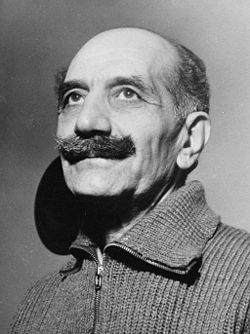
Georgios Grivas
Georgios Grivas (Greek: Γεώργιος Γρίβας; 6 June 1897 – 27 January 1974), also known by his nickname Digenis (Greek: Διγενής), was a Greek Cypriot officer of the Hellenic Army and founder and leader of the Greek and Greek Cypriot paramilitary organisations Organization X (1942–1949), EOKA (1955–1959) and EOKA B (1971–1974). He was also the Commander-in-Chief of the Armed Forces in Cyprus, then-known as the Supreme Military Defence Command of Cyprus (ASDAK), which in the event of war would lead the Cyprus National Guard and the Hellenic Force in Cyprus (ELDYK).
A specialist of guerrilla and asymmetric warfare, he was one of the main actors in the Cypriot War of Independence, securing the independence of Cyprus against the British Empire. He died only six months prior to the 1974 Cypriot coup and subsequent Turkish invasion of Cyprus.
Grivas was born in Trikomo on 23 May 1897 Julian calendar, and was thought to be the fourth child of Greek Cypriot parents Kalomira Hatzimichael and Theodoros Grivas. (Nevertheless later when he enrolled at the Hellenic Military Academy at the age of 19 he stated that his birthday was 23 May 1898 for unknown reasons). He grew up in Trikomo as a child, after attending his village school, he studied at the Pancyprian Gymnasium in Nicosia from 1909 to 1915, living with his grandmother during this time at Chrysaliniotissa, Nicosia.
In 1916, Grivas moved to Greece; according to his obituary in The Times of London, he had left the family home after learning that his father intended him to become a physician. He took Greek citizenship and enrolled at the Hellenic Military Academy. He completed his military studies at the École Militaire in Paris. He graduated in 1919, and joined the Hellenic Army with the rank of Sub-Lieutenant and was immediately posted on the Asia Minor front of the Greco-Turkish War. He served in the Hellenic Army's 10th Division and participated in its advance from Smyrna to Panormos (today Bandirma) and Eskişehir, past Bursa and the Battle of Sakarya. With the subsequent retreat of the Hellenic Army from Asia Minor in 1922 (because of the Treaty of Lausanne), he was placed at Redestos in Thrace. He was decorated for his bravery and promoted to Lieutenant. He was later selected to study at the French Military Academy and upon his return to Greece he served in a number of posts, including that of a lecturer at the Hellenic Military Academy. He was promoted to captain in 1925 and to Major in 1935. In 1938, he married Vasiliki Deka, the daughter of an Athenian pharmacist.
With the beginning of World War II, Grivas was transferred to the operations department of the central headquarters of the Hellenic Army, working on the strategic defensive plans for Northern Greece. When the Greco-Italian War broke out, Grivas was deployed to the Albanian front in December 1940, and served as Chief of Staff of the 2nd Division.
Following the German-Italian-Bulgarian occupation of Greece during World War II, Grivas founded and led the Organisation X, a guerrilla organisation made up of officers of the Greek Army, playing a role in the Greek Resistance to the Axis occupation of Greece. Its activities included spying for the Allied powers and launching attacks and sabotage operations against the occupiers. During the events of December 1944, members of Organisation X, using weapons recovered from the retreating Germans, fought at the Theseon alongside Greek and British monarchist forces to prevent EAM/ELAS fighters to take control of Athens.
In 1946, he retired from the Hellenic Army on his own request with subsequent attempts to enter politics being unsuccessful.
One does not use a tank to catch field mice—a cat will do the job better.
Georgios Grivas
Georgios Grivas (Greek: Γεώργιος Γρίβας; 6 June 1897 – 27 January 1974), also known by his nickname Digenis (Greek: Διγενής), was a Greek Cypriot officer of the Hellenic Army and founder and leader of the Greek and Greek Cypriot paramilitary organisations Organization X (1942–1949), EOKA (1955–1959) and EOKA B (1971–1974). He was also the Commander-in-Chief of the Armed Forces in Cyprus, then-known as the Supreme Military Defence Command of Cyprus (ASDAK), which in the event of war would lead the Cyprus National Guard and the Hellenic Force in Cyprus (ELDYK).
A specialist of guerrilla and asymmetric warfare, he was one of the main actors in the Cypriot War of Independence, securing the independence of Cyprus against the British Empire. He died only six months prior to the 1974 Cypriot coup and subsequent Turkish invasion of Cyprus.
Grivas was born in Trikomo on 23 May 1897 Julian calendar, and was thought to be the fourth child of Greek Cypriot parents Kalomira Hatzimichael and Theodoros Grivas. (Nevertheless later when he enrolled at the Hellenic Military Academy at the age of 19 he stated that his birthday was 23 May 1898 for unknown reasons). He grew up in Trikomo as a child, after attending his village school, he studied at the Pancyprian Gymnasium in Nicosia from 1909 to 1915, living with his grandmother during this time at Chrysaliniotissa, Nicosia.
In 1916, Grivas moved to Greece; according to his obituary in The Times of London, he had left the family home after learning that his father intended him to become a physician. He took Greek citizenship and enrolled at the Hellenic Military Academy. He completed his military studies at the École Militaire in Paris. He graduated in 1919, and joined the Hellenic Army with the rank of Sub-Lieutenant and was immediately posted on the Asia Minor front of the Greco-Turkish War. He served in the Hellenic Army's 10th Division and participated in its advance from Smyrna to Panormos (today Bandirma) and Eskişehir, past Bursa and the Battle of Sakarya. With the subsequent retreat of the Hellenic Army from Asia Minor in 1922 (because of the Treaty of Lausanne), he was placed at Redestos in Thrace. He was decorated for his bravery and promoted to Lieutenant. He was later selected to study at the French Military Academy and upon his return to Greece he served in a number of posts, including that of a lecturer at the Hellenic Military Academy. He was promoted to captain in 1925 and to Major in 1935. In 1938, he married Vasiliki Deka, the daughter of an Athenian pharmacist.
With the beginning of World War II, Grivas was transferred to the operations department of the central headquarters of the Hellenic Army, working on the strategic defensive plans for Northern Greece. When the Greco-Italian War broke out, Grivas was deployed to the Albanian front in December 1940, and served as Chief of Staff of the 2nd Division.
Following the German-Italian-Bulgarian occupation of Greece during World War II, Grivas founded and led the Organisation X, a guerrilla organisation made up of officers of the Greek Army, playing a role in the Greek Resistance to the Axis occupation of Greece. Its activities included spying for the Allied powers and launching attacks and sabotage operations against the occupiers. During the events of December 1944, members of Organisation X, using weapons recovered from the retreating Germans, fought at the Theseon alongside Greek and British monarchist forces to prevent EAM/ELAS fighters to take control of Athens.
In 1946, he retired from the Hellenic Army on his own request with subsequent attempts to enter politics being unsuccessful.
One does not use a tank to catch field mice—a cat will do the job better.
Recent media
Recent media