



Community hub
Recent from talks
Knowledge base stats:
Talk channels stats:
Members stats:
Hayk
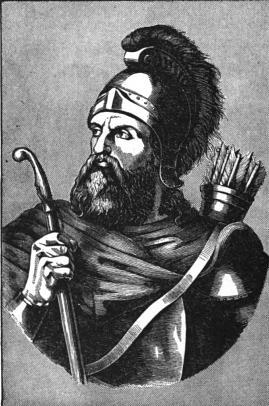
Hayk (Armenian: Հայկ, Armenian pronunciation: [hajk]), also known as Hayk Nahapet (Հայկ Նահապետ, Armenian pronunciation: [hajk nahaˈpɛt], lit. 'Hayk the Patriarch'), is the legendary patriarch and founder of the Armenian nation. He is a central figure in Armenian mythology and national identity, and is traditionally regarded as the eponymous ancestor from whom the Armenian people, the "Hay", derive their name. His tale is recounted in the History of Armenia attributed to the 5th-century historian Movses Khorenatsi, as well as in the Primary History attributed to Sebeos. Additional fragments of his legend survive in other medieval sources and continue to be echoed in Armenian oral tradition and epic poetry.
According to legend, Hayk was a mighty archer and chieftain who defied the tyranny of the Babylonian ruler Bel. After leading his people out of captivity, he established their freedom by slaying Bel in the legendary Battle of Hayots Dzor around 2492 BC, near Lake Van in the Armenian Highlands. This foundational battle, in which Hayk is said to have struck Bel with a powerful arrow, symbolized both the spiritual triumph of justice over despotism and the birth of the Armenian nation.
The name of the patriarch, Hayk (Հայկ), is not exactly homophonous with the Armenian name for "Armenia," Haykʻ (Հայք). In Classical Armenian, Haykʻ is the nominative plural of hay (հայ), the Armenian word for "Armenian." While Robert W. Thomson considers the etymology of Haykʻ (Հայք) from Hayk (Հայկ) to be impossible, other scholars consider the connection between the two to be obvious and derive Hayk from hay/Haykʻ via the suffix -ik. Armen Petrosyan proposes a possible connection between the name Hayk and the Proto-Indo-European *poti- "master, lord, master of the house, husband." Armenian historiography of the Soviet era connected Hayk and hay with Hayasa, a people mentioned in Hittite inscriptions. Some authors derive Hayk and hay from Khaldi/Ḫaldi, the chief god of the Urartian pantheon, and also identify Hayk with the Urartian deity.
The Armenian word haykakan (հայկական, 'that which pertains to Armenians') derives from the name Hayk. Additionally, the poetic names for the Armenian nation, Haykazun (հայկազուն) or Haykazn (հայկազն, consisting of Hayk and azn 'generation, nation, tribe'), also derive from Hayk (Haykazn/Haykaz later became a masculine given name among Armenians).
Integrating the Armenian tradition into biblical tradition, Movses Khorenatsi describes Hayk as a descendant of Noah through the latter's son Japheth: "Yapheth begat Gamer [Gomer]; Gamer begat T‘iras; T‘iras begat T‘orgom [Togarmah]; T‘orgom begat Hayk." Hayk's descendants through his son Aramaneak (Aramanyak) are listed as follows: "Aramaneak begat Aramayis; Aramayis begat Amasya; Amasya begat Gełam [Gegham]; Gełam begat Harmay [Harma]; Harmay begat Aram; Aram begat Ara the Handsome." Hayk's other sons, according to Moses, were Khoṛ and Manavaz. Moses also gives the names of numerous other descendants of Hayk (Haykazunis, "of Hayk's lineage," also known as the Haykids), such as Sisak, Skayordi, Paruyr, and Vahe, some of which he identifies as kings of Armenia. In reference to Hayk's descent from Torgom/Togarmah, medieval Armenian sources sometimes referred to Armenia as T‘orgoma tun ("House of Torgom") and to Armenians as T‘orgomyan azg ("the people of Torgom"). The connection between Hayk and the descendants of Noah was created by Christian authors following the Christianization of Armenia in order to connect Armenians to the biblical narrative of human history.
In the Georgian history attributed to Juansher, Hayk is likewise identified as the son of Torgom/Togarmah and described as "prince of the seven brothers and stood in service to the giant Nimrod (Nebrovt') who first ruled the entire world as king."
One of Hayk's most famous scions, Aram (whose name Moses purports to be the origin of the name Armenia), settled in Eastern Armenia from the Mitanni kingdom (Western Armenia), when Sargon II mentions a king of part of Armenia who bore the (Armenian-Indo-Iranian) name Bagatadi (which, like the Greek-based "Theodore" and the Hebrew-based "Jonathan," means "god-given").[verification needed]
Hayk was a handsome, friendly man, with curly hair, sparkling eyes, and strong arms. He was a man of giant stature, a mighty archer and fearless warrior. Hayk and his people, from the time of their forefathers Noah and Japheth, had migrated south toward the warmer lands near Babylon. In that land there ruled a wicked giant, Bel. Bel tried to impose his tyranny upon Hayk's people. But proud Hayk refused to submit to Bel. As soon as his son Aramaniak was born, Hayk rose up and led his people northward into the land of Ararad. At the foot of the mountain he built a village and gave it his name, calling Haykashen.
Hub AI
Hayk AI simulator
(@Hayk_simulator)
Hayk
Hayk (Armenian: Հայկ, Armenian pronunciation: [hajk]), also known as Hayk Nahapet (Հայկ Նահապետ, Armenian pronunciation: [hajk nahaˈpɛt], lit. 'Hayk the Patriarch'), is the legendary patriarch and founder of the Armenian nation. He is a central figure in Armenian mythology and national identity, and is traditionally regarded as the eponymous ancestor from whom the Armenian people, the "Hay", derive their name. His tale is recounted in the History of Armenia attributed to the 5th-century historian Movses Khorenatsi, as well as in the Primary History attributed to Sebeos. Additional fragments of his legend survive in other medieval sources and continue to be echoed in Armenian oral tradition and epic poetry.
According to legend, Hayk was a mighty archer and chieftain who defied the tyranny of the Babylonian ruler Bel. After leading his people out of captivity, he established their freedom by slaying Bel in the legendary Battle of Hayots Dzor around 2492 BC, near Lake Van in the Armenian Highlands. This foundational battle, in which Hayk is said to have struck Bel with a powerful arrow, symbolized both the spiritual triumph of justice over despotism and the birth of the Armenian nation.
The name of the patriarch, Hayk (Հայկ), is not exactly homophonous with the Armenian name for "Armenia," Haykʻ (Հայք). In Classical Armenian, Haykʻ is the nominative plural of hay (հայ), the Armenian word for "Armenian." While Robert W. Thomson considers the etymology of Haykʻ (Հայք) from Hayk (Հայկ) to be impossible, other scholars consider the connection between the two to be obvious and derive Hayk from hay/Haykʻ via the suffix -ik. Armen Petrosyan proposes a possible connection between the name Hayk and the Proto-Indo-European *poti- "master, lord, master of the house, husband." Armenian historiography of the Soviet era connected Hayk and hay with Hayasa, a people mentioned in Hittite inscriptions. Some authors derive Hayk and hay from Khaldi/Ḫaldi, the chief god of the Urartian pantheon, and also identify Hayk with the Urartian deity.
The Armenian word haykakan (հայկական, 'that which pertains to Armenians') derives from the name Hayk. Additionally, the poetic names for the Armenian nation, Haykazun (հայկազուն) or Haykazn (հայկազն, consisting of Hayk and azn 'generation, nation, tribe'), also derive from Hayk (Haykazn/Haykaz later became a masculine given name among Armenians).
Integrating the Armenian tradition into biblical tradition, Movses Khorenatsi describes Hayk as a descendant of Noah through the latter's son Japheth: "Yapheth begat Gamer [Gomer]; Gamer begat T‘iras; T‘iras begat T‘orgom [Togarmah]; T‘orgom begat Hayk." Hayk's descendants through his son Aramaneak (Aramanyak) are listed as follows: "Aramaneak begat Aramayis; Aramayis begat Amasya; Amasya begat Gełam [Gegham]; Gełam begat Harmay [Harma]; Harmay begat Aram; Aram begat Ara the Handsome." Hayk's other sons, according to Moses, were Khoṛ and Manavaz. Moses also gives the names of numerous other descendants of Hayk (Haykazunis, "of Hayk's lineage," also known as the Haykids), such as Sisak, Skayordi, Paruyr, and Vahe, some of which he identifies as kings of Armenia. In reference to Hayk's descent from Torgom/Togarmah, medieval Armenian sources sometimes referred to Armenia as T‘orgoma tun ("House of Torgom") and to Armenians as T‘orgomyan azg ("the people of Torgom"). The connection between Hayk and the descendants of Noah was created by Christian authors following the Christianization of Armenia in order to connect Armenians to the biblical narrative of human history.
In the Georgian history attributed to Juansher, Hayk is likewise identified as the son of Torgom/Togarmah and described as "prince of the seven brothers and stood in service to the giant Nimrod (Nebrovt') who first ruled the entire world as king."
One of Hayk's most famous scions, Aram (whose name Moses purports to be the origin of the name Armenia), settled in Eastern Armenia from the Mitanni kingdom (Western Armenia), when Sargon II mentions a king of part of Armenia who bore the (Armenian-Indo-Iranian) name Bagatadi (which, like the Greek-based "Theodore" and the Hebrew-based "Jonathan," means "god-given").[verification needed]
Hayk was a handsome, friendly man, with curly hair, sparkling eyes, and strong arms. He was a man of giant stature, a mighty archer and fearless warrior. Hayk and his people, from the time of their forefathers Noah and Japheth, had migrated south toward the warmer lands near Babylon. In that land there ruled a wicked giant, Bel. Bel tried to impose his tyranny upon Hayk's people. But proud Hayk refused to submit to Bel. As soon as his son Aramaniak was born, Hayk rose up and led his people northward into the land of Ararad. At the foot of the mountain he built a village and gave it his name, calling Haykashen.