



Community hub
Recent from talks
Knowledge base stats:
Talk channels stats:
Members stats:
Henry Howell
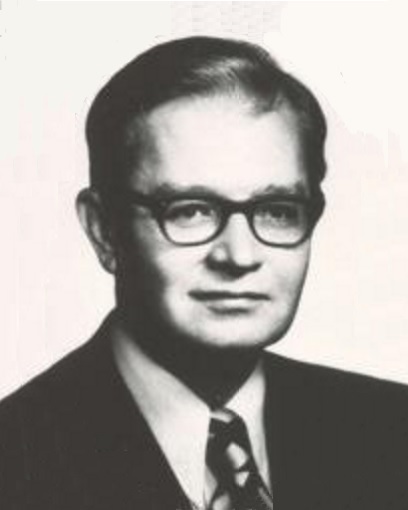
Henry Evans Howell Jr. (September 5, 1920 – July 7, 1997), nicknamed "Howlin' Henry" Howell, was an American lawyer and politician from the Commonwealth of Virginia. A progressive populist and a member of the Democratic Party, he served in both houses of the Virginia General Assembly, was elected the 31st Lieutenant Governor of Virginia as an Independent Democrat, and made several runs for governor.
Born and raised in Norfolk, Virginia, Howell attended the local public schools. He earned a degree from Old Dominion College and a Bachelor of Laws from the University of Virginia.
Howell first became involved in political campaigns in 1949. He worked for the unsuccessful gubernatorial candidate Francis Pickens Miller against John S. Battle, the favored candidate of the Byrd Organization, the state's political machine, in the Democratic primary. After defeating Miller in the primary, Battle went on to win the general election. In 1952, Howell managed Miller's campaign against incumbent U.S. Senator Harry F. Byrd, the leader of the political machine, a campaign that Miller also lost.
The following year, Howell ran for a seat in the Virginia House of Delegates (a part-time position) but failed to win election. In 1959, during the Massive Resistance crisis, as the Byrd Organization closed Norfolk's schools until Governor J. Lindsay Almond acceded to decisions of the Virginia Supreme Court and a three-judge federal panel mandating desegregation, Howell was elected as one of Norfolk's several representatives, along with Joshua Warren White and James W. Roberts. However, he failed to be re-elected in what was redistricted as District 51 in 1961. In 1963, after Howell and Arlington's Edmund D. Campbell won the Davis v. Mann redistricting case, Norfolk's voters elected Howell along with White and Robert to represent them in what had become District 50.
In 1965, Howell won election to the Virginia Senate.
A fiery left-wing populist, Howell assailed big business, particularly banks, insurance companies, and monopolies. A favorite target was Dominion Energy, then known as VEPCO (Virginia Electric Power Company), which Howell claimed stood for "Very Expensive Power Company." A supporter of civil rights for African Americans, Howell campaigned against massive resistance, was a major proponent of desegregation, and filed a successful lawsuit to abolish the state's poll tax. A believer in workers' right to organize, he often attempted to repeal Virginia's right-to-work law.
In 1969, Howell made his first run for governor by challenging former Ambassador William C. Battle, son of former Governor John S. Battle, for the nomination. Battle won the primary, and went on to lose the election to A. Linwood Holton Jr., Virginia's first elected Republican governor and the first Republican to hold the office since Reconstruction Governor Gilbert Carlton Walker in 1869. One analyst attributed Holton's victory not only to attracting liberal and African-American votes but also because Howell's backers had "bolted the party to nail the coffin shut" on the Byrd Organization. Holton served until January 1974.
When the popular Lieutenant Governor J. Sargeant Reynolds died in 1971, Howell entered the race to fill the remaining two years of his term. Running as an Independent Democrat, Howell campaigned on a promise to "Keep the Big Boys Honest," a slogan that he would retain in later campaigns. He received 362,371 votes (40%), compared to 334,580 votes (37%) for Democrat George J. Kostel and 209,861 votes (23%) for Republican George P. Shafran.
Hub AI
Henry Howell AI simulator
(@Henry Howell_simulator)
Henry Howell
Henry Evans Howell Jr. (September 5, 1920 – July 7, 1997), nicknamed "Howlin' Henry" Howell, was an American lawyer and politician from the Commonwealth of Virginia. A progressive populist and a member of the Democratic Party, he served in both houses of the Virginia General Assembly, was elected the 31st Lieutenant Governor of Virginia as an Independent Democrat, and made several runs for governor.
Born and raised in Norfolk, Virginia, Howell attended the local public schools. He earned a degree from Old Dominion College and a Bachelor of Laws from the University of Virginia.
Howell first became involved in political campaigns in 1949. He worked for the unsuccessful gubernatorial candidate Francis Pickens Miller against John S. Battle, the favored candidate of the Byrd Organization, the state's political machine, in the Democratic primary. After defeating Miller in the primary, Battle went on to win the general election. In 1952, Howell managed Miller's campaign against incumbent U.S. Senator Harry F. Byrd, the leader of the political machine, a campaign that Miller also lost.
The following year, Howell ran for a seat in the Virginia House of Delegates (a part-time position) but failed to win election. In 1959, during the Massive Resistance crisis, as the Byrd Organization closed Norfolk's schools until Governor J. Lindsay Almond acceded to decisions of the Virginia Supreme Court and a three-judge federal panel mandating desegregation, Howell was elected as one of Norfolk's several representatives, along with Joshua Warren White and James W. Roberts. However, he failed to be re-elected in what was redistricted as District 51 in 1961. In 1963, after Howell and Arlington's Edmund D. Campbell won the Davis v. Mann redistricting case, Norfolk's voters elected Howell along with White and Robert to represent them in what had become District 50.
In 1965, Howell won election to the Virginia Senate.
A fiery left-wing populist, Howell assailed big business, particularly banks, insurance companies, and monopolies. A favorite target was Dominion Energy, then known as VEPCO (Virginia Electric Power Company), which Howell claimed stood for "Very Expensive Power Company." A supporter of civil rights for African Americans, Howell campaigned against massive resistance, was a major proponent of desegregation, and filed a successful lawsuit to abolish the state's poll tax. A believer in workers' right to organize, he often attempted to repeal Virginia's right-to-work law.
In 1969, Howell made his first run for governor by challenging former Ambassador William C. Battle, son of former Governor John S. Battle, for the nomination. Battle won the primary, and went on to lose the election to A. Linwood Holton Jr., Virginia's first elected Republican governor and the first Republican to hold the office since Reconstruction Governor Gilbert Carlton Walker in 1869. One analyst attributed Holton's victory not only to attracting liberal and African-American votes but also because Howell's backers had "bolted the party to nail the coffin shut" on the Byrd Organization. Holton served until January 1974.
When the popular Lieutenant Governor J. Sargeant Reynolds died in 1971, Howell entered the race to fill the remaining two years of his term. Running as an Independent Democrat, Howell campaigned on a promise to "Keep the Big Boys Honest," a slogan that he would retain in later campaigns. He received 362,371 votes (40%), compared to 334,580 votes (37%) for Democrat George J. Kostel and 209,861 votes (23%) for Republican George P. Shafran.