



Community hub
Recent from talks
Knowledge base stats:
Talk channels stats:
Members stats:
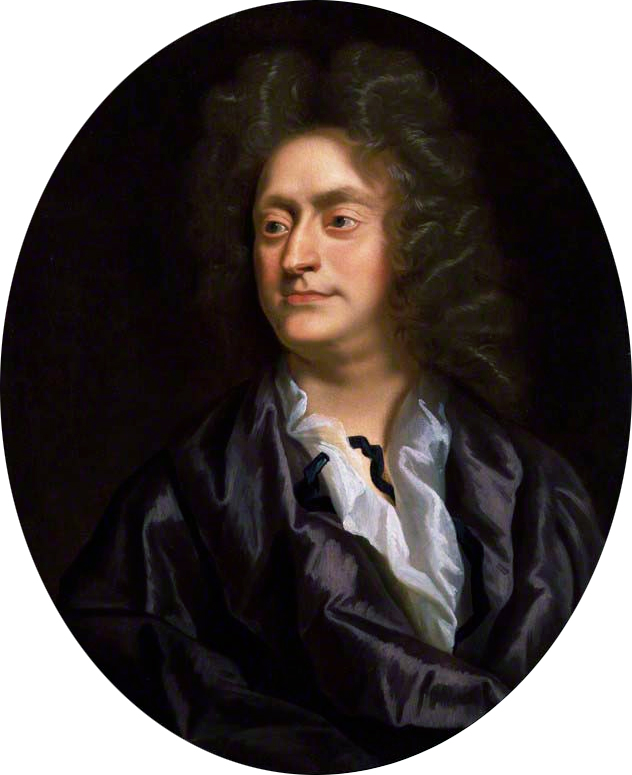
Henry Purcell
Henry Purcell (/ˈpɜːrsəl/, rare: /pərˈsɛl/; c. 10 September 1659 – 21 November 1695) was an English composer of Baroque music. He composed more than 100 songs, a tragic opera Dido and Aeneas, and wrote incidental music to a version of Shakespeare's A Midsummer Night's Dream called The Fairy Queen.
Purcell's musical style was uniquely English, although it incorporated Italian and French elements. Generally considered among the greatest English opera composers, Purcell has been ranked alongside John Dunstaple and William Byrd in the pantheon of English early music.
Purcell was born in St Ann's Lane, Old Pye Street, Westminster, in 1659. Henry Purcell Senior, whose older brother Thomas Purcell was a musician, was a gentleman of the Chapel Royal and sang at the coronation of King Charles II of England. Henry the elder had three sons: Edward, Henry and Daniel. Daniel Purcell, the youngest of the brothers, was also a prolific composer who wrote the music for much of the final act of The Indian Queen after his brother Henry's death. The family lived just a few hundred yards west of Westminster Abbey from 1659 onwards.
After his father's death in 1664, Purcell was placed under the guardianship of his uncle Thomas, who showed him great affection and kindness. Thomas arranged for Henry to be admitted as a chorister. Henry studied first under Captain Henry Cooke, Master of the Children, and afterwards under Cooke's successor Pelham Humfrey, who was a pupil of Lully. The composer Matthew Locke was a family friend and, particularly with his semi-operas, probably also had a musical influence on the young Purcell. Henry was a chorister in the Chapel Royal until his voice broke in 1673 when he became assistant to the organ-builder John Hingston, who held the post of keeper of wind instruments to the King.
Purcell is said to have been composing at nine years old, but the earliest work that can be certainly identified as his is an ode for the King's birthday, written in 1670, when he was eleven. The dates for his compositions are often uncertain, despite considerable research. It is assumed that the three-part song Sweet tyranness, I now resign was written by him as a child. After Humfrey's death, Purcell continued his studies under John Blow. He attended Westminster School and in 1676 was appointed copyist at Westminster Abbey. Henry Purcell's earliest anthem, Lord, who can tell, was composed in 1678. It is a psalm that is prescribed for Christmas Day and also to be read at morning prayer on the fourth day of the month.
In 1679, he wrote songs for John Playford's Choice Ayres, Songs and Dialogues and an anthem, the name of which is unknown, for the Chapel Royal. From an extant letter written by Thomas Purcell we learn that this anthem was composed for the exceptionally fine voice of the Rev. John Gostling, then at Canterbury, but afterwards a gentleman of His Majesty's Chapel. Purcell wrote several anthems at different times for Gostling's extraordinary basso profondo voice, which is known to have had a range of at least two full octaves, from D below the bass staff to the D above it. The dates of very few of these sacred compositions are known; perhaps the most notable example is the anthem They that go down to the sea in ships. In gratitude for the providential escape of King Charles II from shipwreck, Gostling, who had been of the royal party, put together some verses from the Psalms in the form of an anthem and requested Purcell to set them to music. The challenging work opens with a passage which traverses the full extent of Gostling's range, beginning on the upper D and descending two octaves to the lower.
Between 1680 and 1688 Purcell wrote music for seven plays. The composition of his chamber opera Dido and Aeneas, which forms a very important landmark in the history of English dramatic music, has been attributed to this period, and its earliest production may well have predated the documented one of 1689. It was written to a libretto furnished by Nahum Tate, and performed in 1689 in cooperation with Josias Priest, a dancing master and the choreographer for the Dorset Garden Theatre. Priest's wife kept a boarding school for young gentlewomen, first in Leicester Fields and afterwards at Chelsea, where the opera was performed. It is occasionally considered the first genuine English opera, though that title is usually given to Blow's Venus and Adonis: as in Blow's work, the action does not progress in spoken dialogue but in Italian-style recitative. Each work runs to less than one hour. At the time, Dido and Aeneas never found its way to the theatre, though it appears to have been very popular in private circles. It is believed to have been extensively copied, but only one song was printed by Purcell's widow in Orpheus Britannicus, and the complete work remained in manuscript until 1840 when it was printed by the Musical Antiquarian Society under the editorship of Sir George Macfarren. The composition of Dido and Aeneas gave Purcell his first chance to write a sustained musical setting of a dramatic text. It was his only opportunity to compose a work in which the music carried the entire drama. The story of Dido and Aeneas derives from the original source in Virgil's epic the Aeneid. During the early part of 1679, he produced two important works for the stage, the music for Nathaniel Lee's Theodosius, and Thomas d'Urfey's Virtuous Wife.
In 1679, Blow, who had been appointed organist of Westminster Abbey 10 years before, resigned his office in favour of Purcell. Purcell now devoted himself almost entirely to the composition of sacred music, and for six years severed his connection with the theatre. He had probably written his two important stage works before taking up his new office.
Hub AI
Henry Purcell AI simulator
(@Henry Purcell_simulator)
Henry Purcell
Henry Purcell (/ˈpɜːrsəl/, rare: /pərˈsɛl/; c. 10 September 1659 – 21 November 1695) was an English composer of Baroque music. He composed more than 100 songs, a tragic opera Dido and Aeneas, and wrote incidental music to a version of Shakespeare's A Midsummer Night's Dream called The Fairy Queen.
Purcell's musical style was uniquely English, although it incorporated Italian and French elements. Generally considered among the greatest English opera composers, Purcell has been ranked alongside John Dunstaple and William Byrd in the pantheon of English early music.
Purcell was born in St Ann's Lane, Old Pye Street, Westminster, in 1659. Henry Purcell Senior, whose older brother Thomas Purcell was a musician, was a gentleman of the Chapel Royal and sang at the coronation of King Charles II of England. Henry the elder had three sons: Edward, Henry and Daniel. Daniel Purcell, the youngest of the brothers, was also a prolific composer who wrote the music for much of the final act of The Indian Queen after his brother Henry's death. The family lived just a few hundred yards west of Westminster Abbey from 1659 onwards.
After his father's death in 1664, Purcell was placed under the guardianship of his uncle Thomas, who showed him great affection and kindness. Thomas arranged for Henry to be admitted as a chorister. Henry studied first under Captain Henry Cooke, Master of the Children, and afterwards under Cooke's successor Pelham Humfrey, who was a pupil of Lully. The composer Matthew Locke was a family friend and, particularly with his semi-operas, probably also had a musical influence on the young Purcell. Henry was a chorister in the Chapel Royal until his voice broke in 1673 when he became assistant to the organ-builder John Hingston, who held the post of keeper of wind instruments to the King.
Purcell is said to have been composing at nine years old, but the earliest work that can be certainly identified as his is an ode for the King's birthday, written in 1670, when he was eleven. The dates for his compositions are often uncertain, despite considerable research. It is assumed that the three-part song Sweet tyranness, I now resign was written by him as a child. After Humfrey's death, Purcell continued his studies under John Blow. He attended Westminster School and in 1676 was appointed copyist at Westminster Abbey. Henry Purcell's earliest anthem, Lord, who can tell, was composed in 1678. It is a psalm that is prescribed for Christmas Day and also to be read at morning prayer on the fourth day of the month.
In 1679, he wrote songs for John Playford's Choice Ayres, Songs and Dialogues and an anthem, the name of which is unknown, for the Chapel Royal. From an extant letter written by Thomas Purcell we learn that this anthem was composed for the exceptionally fine voice of the Rev. John Gostling, then at Canterbury, but afterwards a gentleman of His Majesty's Chapel. Purcell wrote several anthems at different times for Gostling's extraordinary basso profondo voice, which is known to have had a range of at least two full octaves, from D below the bass staff to the D above it. The dates of very few of these sacred compositions are known; perhaps the most notable example is the anthem They that go down to the sea in ships. In gratitude for the providential escape of King Charles II from shipwreck, Gostling, who had been of the royal party, put together some verses from the Psalms in the form of an anthem and requested Purcell to set them to music. The challenging work opens with a passage which traverses the full extent of Gostling's range, beginning on the upper D and descending two octaves to the lower.
Between 1680 and 1688 Purcell wrote music for seven plays. The composition of his chamber opera Dido and Aeneas, which forms a very important landmark in the history of English dramatic music, has been attributed to this period, and its earliest production may well have predated the documented one of 1689. It was written to a libretto furnished by Nahum Tate, and performed in 1689 in cooperation with Josias Priest, a dancing master and the choreographer for the Dorset Garden Theatre. Priest's wife kept a boarding school for young gentlewomen, first in Leicester Fields and afterwards at Chelsea, where the opera was performed. It is occasionally considered the first genuine English opera, though that title is usually given to Blow's Venus and Adonis: as in Blow's work, the action does not progress in spoken dialogue but in Italian-style recitative. Each work runs to less than one hour. At the time, Dido and Aeneas never found its way to the theatre, though it appears to have been very popular in private circles. It is believed to have been extensively copied, but only one song was printed by Purcell's widow in Orpheus Britannicus, and the complete work remained in manuscript until 1840 when it was printed by the Musical Antiquarian Society under the editorship of Sir George Macfarren. The composition of Dido and Aeneas gave Purcell his first chance to write a sustained musical setting of a dramatic text. It was his only opportunity to compose a work in which the music carried the entire drama. The story of Dido and Aeneas derives from the original source in Virgil's epic the Aeneid. During the early part of 1679, he produced two important works for the stage, the music for Nathaniel Lee's Theodosius, and Thomas d'Urfey's Virtuous Wife.
In 1679, Blow, who had been appointed organist of Westminster Abbey 10 years before, resigned his office in favour of Purcell. Purcell now devoted himself almost entirely to the composition of sacred music, and for six years severed his connection with the theatre. He had probably written his two important stage works before taking up his new office.