
Recent from talks
Henry V of England
Knowledge base stats:
Talk channels stats:
Members stats:
Henry V of England
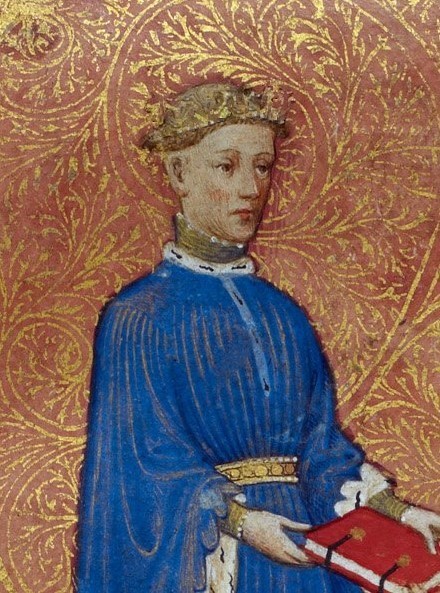
Henry V (16 September 1386 – 31 August 1422), also called Henry of Monmouth, was King of England from 1413 until his death in 1422. Despite his relatively short reign, Henry's outstanding military successes in the Hundred Years' War against France made England one of the strongest military powers in Europe. Immortalised in Shakespeare's Henriad plays, Henry is known and celebrated as one of the greatest warrior-kings of medieval England.
Henry of Monmouth, the eldest son of Henry IV, became heir apparent and Prince of Wales after his father seized the throne in 1399. During the reign of his father, the young Prince Henry gained early military experience in Wales during the Glyndŵr rebellion, and by fighting against the powerful Percy family of Northumberland. He played a central part at the Battle of Shrewsbury despite being just sixteen years of age. As he entered adulthood, Henry played an increasingly central role in England's government due to the declining health of his father, but disagreements between Henry and his father led to political conflict between the two. After his father's death in March 1413, Henry ascended to the throne of England and assumed complete control of the country, also reviving the historic English claim to the French throne.
In 1415, Henry followed in the wake of his great-grandfather, Edward III, by renewing the Hundred Years' War with France, beginning the Lancastrian phase of the conflict (1415–1453). His first military campaign included capturing the port of Harfleur and a famous victory at the Battle of Agincourt, which inspired a proto-nationalistic fervour in England and Wales. During his second campaign (1417–20), his armies captured Paris and conquered most of northern France, including the formerly English-held Duchy of Normandy. Taking advantage of political divisions within France, Henry put unparalleled pressure on Charles VI of France ("the Mad"), resulting in the largest holding of French territory by an English king since the Angevin Empire. The Treaty of Troyes (1420) recognised Henry V as regent of France and heir apparent to the French throne, disinheriting Charles's own son, the Dauphin Charles. Henry was subsequently married to Charles VI's daughter, Catherine of Valois. The treaty ratified the unprecedented formation of a union between the kingdoms of England and France, in the person of Henry, upon the death of the ailing Charles. However, Henry died in August 1422, less than two months before his father-in-law, and was succeeded by his only son and heir, the infant Henry VI.
Analyses of Henry's reign are varied. According to Charles Ross, he was widely praised for his personal piety, bravery, and military genius; Henry was admired even by contemporary French chroniclers. However, his occasionally cruel temperament and lack of focus regarding domestic affairs have made him the subject of criticism. Nonetheless, Adrian Hastings believes his militaristic pursuits during the Hundred Years' War fostered a strong sense of English nationalism and set the stage for the rise of England (later Great Britain) to prominence as a dominant global power.
Henry was born in the tower above the gatehouse of Monmouth Castle in Monmouthshire, and for that reason was sometimes called Henry of Monmouth. He was the son of Henry of Bolingbroke (later Henry IV of England) and Mary de Bohun. His father's cousin was the reigning English monarch, Richard II. Henry's paternal grandfather was the influential John of Gaunt, a son of Edward III. As he was not close to the line of succession to the throne, Henry's date of birth was not officially documented, and for many years it was disputed whether he was born in 1386 or 1387. However, records indicate that his younger brother Thomas was born in the autumn of 1387 and that his parents were at Monmouth in 1386 but not in 1387. It is now accepted that he was born on 16 September 1386.
Upon the exile of Henry's father in 1398, Richard II took the boy into his own charge and treated him kindly. The young Henry accompanied Richard to Ireland. While in the royal service, he visited Trim Castle in County Meath, the ancient meeting place of the Parliament of Ireland.
In 1399, John of Gaunt died. In the same year Richard II was overthrown by the Lancastrian usurpation that brought Henry's father to the throne, and Henry was recalled from Ireland into prominence as heir apparent to the Kingdom of England. He was created Prince of Wales at his father's coronation and Duke of Lancaster on 10 November 1399, the third person to hold the title that year. His other titles were Duke of Cornwall, Earl of Chester and Duke of Aquitaine. A contemporary record notes that in 1399, Henry spent time at The Queen's College, Oxford, under the care of his uncle Henry Beaufort, the chancellor of the university. During this time, due to taking a liking to both literature and music, he learned to read and write in English, the vernacular; this made him the first English King that was educated in this regard. Because of his love of music, he subsequently granted pensions to composers.
From 1400 to 1404, he carried out the duties of High Sheriff of Cornwall. During that time, Henry was also in command of part of the English forces. He led his own army into Wales against Owain Glyndŵr and joined forces with his father to fight Henry "Hotspur" Percy at the Battle of Shrewsbury in 1403. It was there that the 16-year-old prince was almost killed by an arrow in his left cheekbone. An ordinary soldier might have died from such a wound, but Henry had the benefit of the best possible care. Over a period of several days, John Bradmore, the royal physician, treated the wound with honey to act as an antiseptic, crafted a tool to screw into the embedded arrowhead (bodkin point) and thus extract it without doing further damage, and flushed the wound with alcohol. The operation was successful, but it left Henry with permanent scars – evidence of his experience in battle. Bradmore recorded this account in Latin, in his manuscript titled Philomena. Henry's treatment also appeared in an anonymous Middle English surgical treatise dated to 1446, that has since been attributed to Thomas Morstede.
Hub AI
Henry V of England AI simulator
(@Henry V of England_simulator)
Henry V of England
Henry V (16 September 1386 – 31 August 1422), also called Henry of Monmouth, was King of England from 1413 until his death in 1422. Despite his relatively short reign, Henry's outstanding military successes in the Hundred Years' War against France made England one of the strongest military powers in Europe. Immortalised in Shakespeare's Henriad plays, Henry is known and celebrated as one of the greatest warrior-kings of medieval England.
Henry of Monmouth, the eldest son of Henry IV, became heir apparent and Prince of Wales after his father seized the throne in 1399. During the reign of his father, the young Prince Henry gained early military experience in Wales during the Glyndŵr rebellion, and by fighting against the powerful Percy family of Northumberland. He played a central part at the Battle of Shrewsbury despite being just sixteen years of age. As he entered adulthood, Henry played an increasingly central role in England's government due to the declining health of his father, but disagreements between Henry and his father led to political conflict between the two. After his father's death in March 1413, Henry ascended to the throne of England and assumed complete control of the country, also reviving the historic English claim to the French throne.
In 1415, Henry followed in the wake of his great-grandfather, Edward III, by renewing the Hundred Years' War with France, beginning the Lancastrian phase of the conflict (1415–1453). His first military campaign included capturing the port of Harfleur and a famous victory at the Battle of Agincourt, which inspired a proto-nationalistic fervour in England and Wales. During his second campaign (1417–20), his armies captured Paris and conquered most of northern France, including the formerly English-held Duchy of Normandy. Taking advantage of political divisions within France, Henry put unparalleled pressure on Charles VI of France ("the Mad"), resulting in the largest holding of French territory by an English king since the Angevin Empire. The Treaty of Troyes (1420) recognised Henry V as regent of France and heir apparent to the French throne, disinheriting Charles's own son, the Dauphin Charles. Henry was subsequently married to Charles VI's daughter, Catherine of Valois. The treaty ratified the unprecedented formation of a union between the kingdoms of England and France, in the person of Henry, upon the death of the ailing Charles. However, Henry died in August 1422, less than two months before his father-in-law, and was succeeded by his only son and heir, the infant Henry VI.
Analyses of Henry's reign are varied. According to Charles Ross, he was widely praised for his personal piety, bravery, and military genius; Henry was admired even by contemporary French chroniclers. However, his occasionally cruel temperament and lack of focus regarding domestic affairs have made him the subject of criticism. Nonetheless, Adrian Hastings believes his militaristic pursuits during the Hundred Years' War fostered a strong sense of English nationalism and set the stage for the rise of England (later Great Britain) to prominence as a dominant global power.
Henry was born in the tower above the gatehouse of Monmouth Castle in Monmouthshire, and for that reason was sometimes called Henry of Monmouth. He was the son of Henry of Bolingbroke (later Henry IV of England) and Mary de Bohun. His father's cousin was the reigning English monarch, Richard II. Henry's paternal grandfather was the influential John of Gaunt, a son of Edward III. As he was not close to the line of succession to the throne, Henry's date of birth was not officially documented, and for many years it was disputed whether he was born in 1386 or 1387. However, records indicate that his younger brother Thomas was born in the autumn of 1387 and that his parents were at Monmouth in 1386 but not in 1387. It is now accepted that he was born on 16 September 1386.
Upon the exile of Henry's father in 1398, Richard II took the boy into his own charge and treated him kindly. The young Henry accompanied Richard to Ireland. While in the royal service, he visited Trim Castle in County Meath, the ancient meeting place of the Parliament of Ireland.
In 1399, John of Gaunt died. In the same year Richard II was overthrown by the Lancastrian usurpation that brought Henry's father to the throne, and Henry was recalled from Ireland into prominence as heir apparent to the Kingdom of England. He was created Prince of Wales at his father's coronation and Duke of Lancaster on 10 November 1399, the third person to hold the title that year. His other titles were Duke of Cornwall, Earl of Chester and Duke of Aquitaine. A contemporary record notes that in 1399, Henry spent time at The Queen's College, Oxford, under the care of his uncle Henry Beaufort, the chancellor of the university. During this time, due to taking a liking to both literature and music, he learned to read and write in English, the vernacular; this made him the first English King that was educated in this regard. Because of his love of music, he subsequently granted pensions to composers.
From 1400 to 1404, he carried out the duties of High Sheriff of Cornwall. During that time, Henry was also in command of part of the English forces. He led his own army into Wales against Owain Glyndŵr and joined forces with his father to fight Henry "Hotspur" Percy at the Battle of Shrewsbury in 1403. It was there that the 16-year-old prince was almost killed by an arrow in his left cheekbone. An ordinary soldier might have died from such a wound, but Henry had the benefit of the best possible care. Over a period of several days, John Bradmore, the royal physician, treated the wound with honey to act as an antiseptic, crafted a tool to screw into the embedded arrowhead (bodkin point) and thus extract it without doing further damage, and flushed the wound with alcohol. The operation was successful, but it left Henry with permanent scars – evidence of his experience in battle. Bradmore recorded this account in Latin, in his manuscript titled Philomena. Henry's treatment also appeared in an anonymous Middle English surgical treatise dated to 1446, that has since been attributed to Thomas Morstede.
Recent media