
Recent from talks
Herb
Knowledge base stats:
Talk channels stats:
Members stats:
Herb
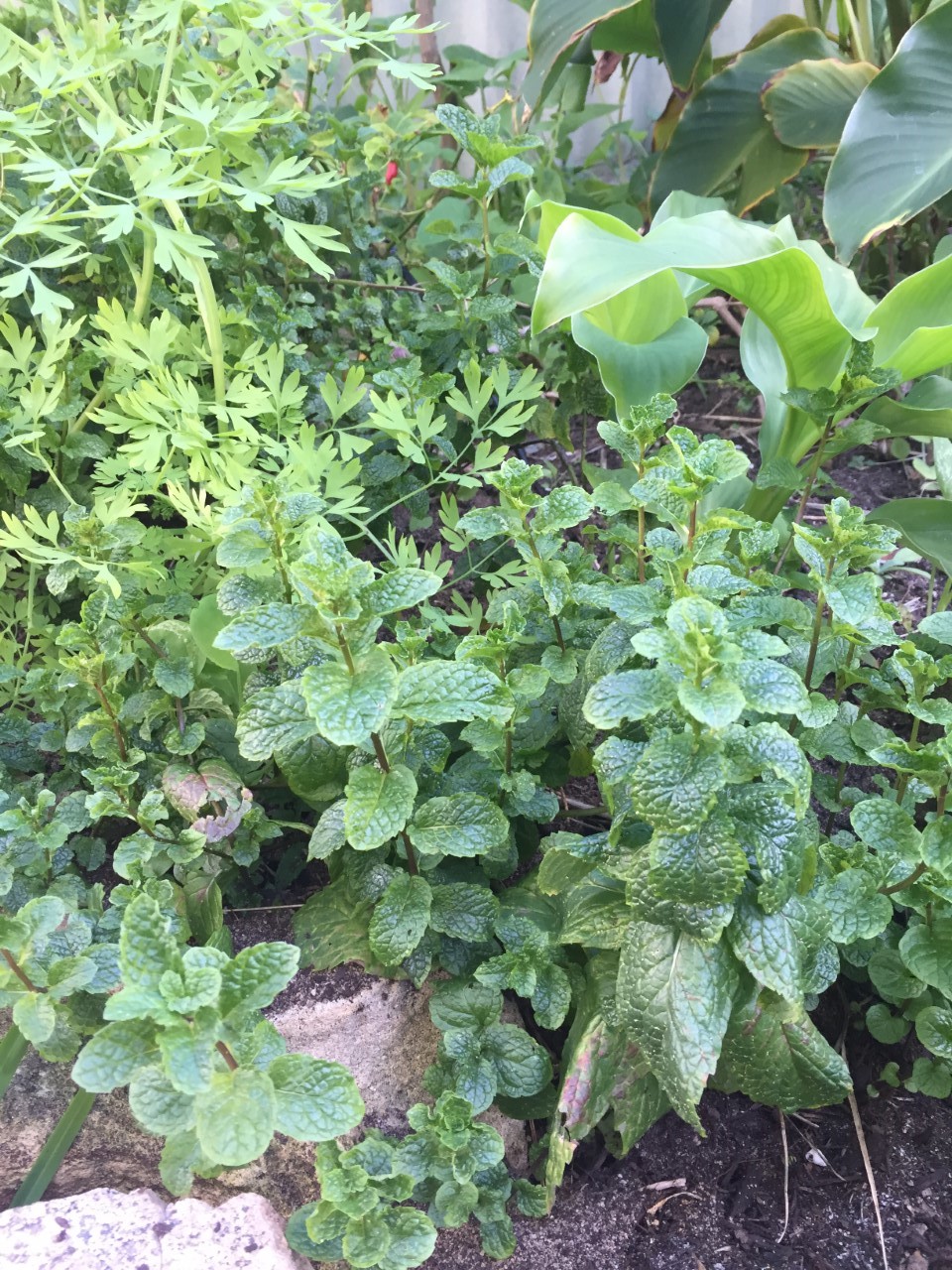
Herbs are a widely distributed and widespread group of plants, excluding vegetables, with savory or aromatic properties that are used for flavoring and garnishing food, for medicinal purposes, or for fragrances. Culinary use typically distinguishes herbs from spices. Herbs generally refers to the leafy green or flowering parts of a plant (either fresh or dried), while spices are usually dried and produced from other parts of the plant, including seeds, bark, roots and fruits.
Herbs have a variety of uses including culinary, medicinal, aromatic and in some cases, spiritual. General usage of the term "herb" differs between culinary herbs and medicinal herbs; in medicinal or spiritual use, any parts of the plant might be considered "herbs", including leaves, roots, flowers, seeds, root bark, inner bark (and cambium), resin and pericarp.
The word "herb" is pronounced /hɜːrb/ in Commonwealth English, but /ɜːrb/ is standard among American English speakers as well as those from regions where h-dropping occurs. In Canadian English, both pronunciations are common. In botany, the noun "herb" refers to a "plant that does not produce a woody stem", and the adjective "herbaceous" means "herb-like", referring to parts of the plant that are green and soft in texture".
"What is a herb?" "The friend of physicians and the praise of cooks."
In botany, the term herb refers to a herbaceous plant, defined as a small, seed-bearing plant without a woody stem in which all aerial parts (i.e. above ground) die back to the ground at the end of each growing season. Usually the term refers to perennials, although herbaceous plants can also be annuals (plants that die at the end of the growing season and grow back from seed next year), or biennials. This term is in contrast to shrubs and trees which possess a woody stem. Shrubs and trees are also defined in terms of size, where shrubs are less than ten meters tall, and trees may grow over ten meters. The word herbaceous is derived from Latin herbāceus meaning "grassy", from herba "grass, herb".
Another sense of the term herb can refer to a much larger range of plants, with culinary, therapeutic or other uses. For example, some of the most commonly described herbs such as sage, rosemary and lavender would be excluded from the botanical definition of an herb as they do not die down each year, and they possess woody stems. In the wider sense, herbs may be herbaceous perennials but also trees, subshrubs, shrubs, annuals, lianas, ferns, mosses, algae, lichens, and fungi. Herbalism can utilize not just stems and leaves but also fruit, roots, bark and gums. Therefore, one suggested definition of an herb is a plant which is of use to humans, although this definition is problematic since it could cover a great many plants that are not commonly described as herbs.
Ancient Greek philosopher Theophrastus divided the plant world into trees, shrubs, and herbs. The Talmud, a foundational Jewish text from antiquity, references approximately fifteen different herbs used for seasoning. Herbs came to be considered in three groups, namely pot herbs (e.g. onions), sweet herbs (e.g. thyme), and salad herbs (e.g. wild celery). During the seventeenth century, as selective breeding changed the plants' size and flavor away from the wild plant, pot herbs began to be referred to as vegetables as they were no longer considered only suitable for the pot.
Botany and the study of herbs were, in their infancy, primarily a study of the pharmacological uses of plants. During the Middle Ages, when humoral theory guided medicine, it was posited that foodstuffs, possessing their own humoral qualities, could alter the humoral temperaments of people. Parsley and sage were often used together in medieval cookery, for example in chicken broth, which had developed a reputation as a therapeutic food by the 14th century. One of the most common sauces of the age, green sauce, was made with parsley and often sage as well. In a 14th-century recipe recorded in Latin "for lords, for settling their temperament and whetting their appetite" green sauce is served with a dish of cheese and whole egg yolks boiled in watered down wine with herbs and spices.
Hub AI
Herb AI simulator
(@Herb_simulator)
Herb
Herbs are a widely distributed and widespread group of plants, excluding vegetables, with savory or aromatic properties that are used for flavoring and garnishing food, for medicinal purposes, or for fragrances. Culinary use typically distinguishes herbs from spices. Herbs generally refers to the leafy green or flowering parts of a plant (either fresh or dried), while spices are usually dried and produced from other parts of the plant, including seeds, bark, roots and fruits.
Herbs have a variety of uses including culinary, medicinal, aromatic and in some cases, spiritual. General usage of the term "herb" differs between culinary herbs and medicinal herbs; in medicinal or spiritual use, any parts of the plant might be considered "herbs", including leaves, roots, flowers, seeds, root bark, inner bark (and cambium), resin and pericarp.
The word "herb" is pronounced /hɜːrb/ in Commonwealth English, but /ɜːrb/ is standard among American English speakers as well as those from regions where h-dropping occurs. In Canadian English, both pronunciations are common. In botany, the noun "herb" refers to a "plant that does not produce a woody stem", and the adjective "herbaceous" means "herb-like", referring to parts of the plant that are green and soft in texture".
"What is a herb?" "The friend of physicians and the praise of cooks."
In botany, the term herb refers to a herbaceous plant, defined as a small, seed-bearing plant without a woody stem in which all aerial parts (i.e. above ground) die back to the ground at the end of each growing season. Usually the term refers to perennials, although herbaceous plants can also be annuals (plants that die at the end of the growing season and grow back from seed next year), or biennials. This term is in contrast to shrubs and trees which possess a woody stem. Shrubs and trees are also defined in terms of size, where shrubs are less than ten meters tall, and trees may grow over ten meters. The word herbaceous is derived from Latin herbāceus meaning "grassy", from herba "grass, herb".
Another sense of the term herb can refer to a much larger range of plants, with culinary, therapeutic or other uses. For example, some of the most commonly described herbs such as sage, rosemary and lavender would be excluded from the botanical definition of an herb as they do not die down each year, and they possess woody stems. In the wider sense, herbs may be herbaceous perennials but also trees, subshrubs, shrubs, annuals, lianas, ferns, mosses, algae, lichens, and fungi. Herbalism can utilize not just stems and leaves but also fruit, roots, bark and gums. Therefore, one suggested definition of an herb is a plant which is of use to humans, although this definition is problematic since it could cover a great many plants that are not commonly described as herbs.
Ancient Greek philosopher Theophrastus divided the plant world into trees, shrubs, and herbs. The Talmud, a foundational Jewish text from antiquity, references approximately fifteen different herbs used for seasoning. Herbs came to be considered in three groups, namely pot herbs (e.g. onions), sweet herbs (e.g. thyme), and salad herbs (e.g. wild celery). During the seventeenth century, as selective breeding changed the plants' size and flavor away from the wild plant, pot herbs began to be referred to as vegetables as they were no longer considered only suitable for the pot.
Botany and the study of herbs were, in their infancy, primarily a study of the pharmacological uses of plants. During the Middle Ages, when humoral theory guided medicine, it was posited that foodstuffs, possessing their own humoral qualities, could alter the humoral temperaments of people. Parsley and sage were often used together in medieval cookery, for example in chicken broth, which had developed a reputation as a therapeutic food by the 14th century. One of the most common sauces of the age, green sauce, was made with parsley and often sage as well. In a 14th-century recipe recorded in Latin "for lords, for settling their temperament and whetting their appetite" green sauce is served with a dish of cheese and whole egg yolks boiled in watered down wine with herbs and spices.
Recent media