



Community hub
Recent from talks
Knowledge base stats:
Talk channels stats:
Members stats:
History of Sylhet
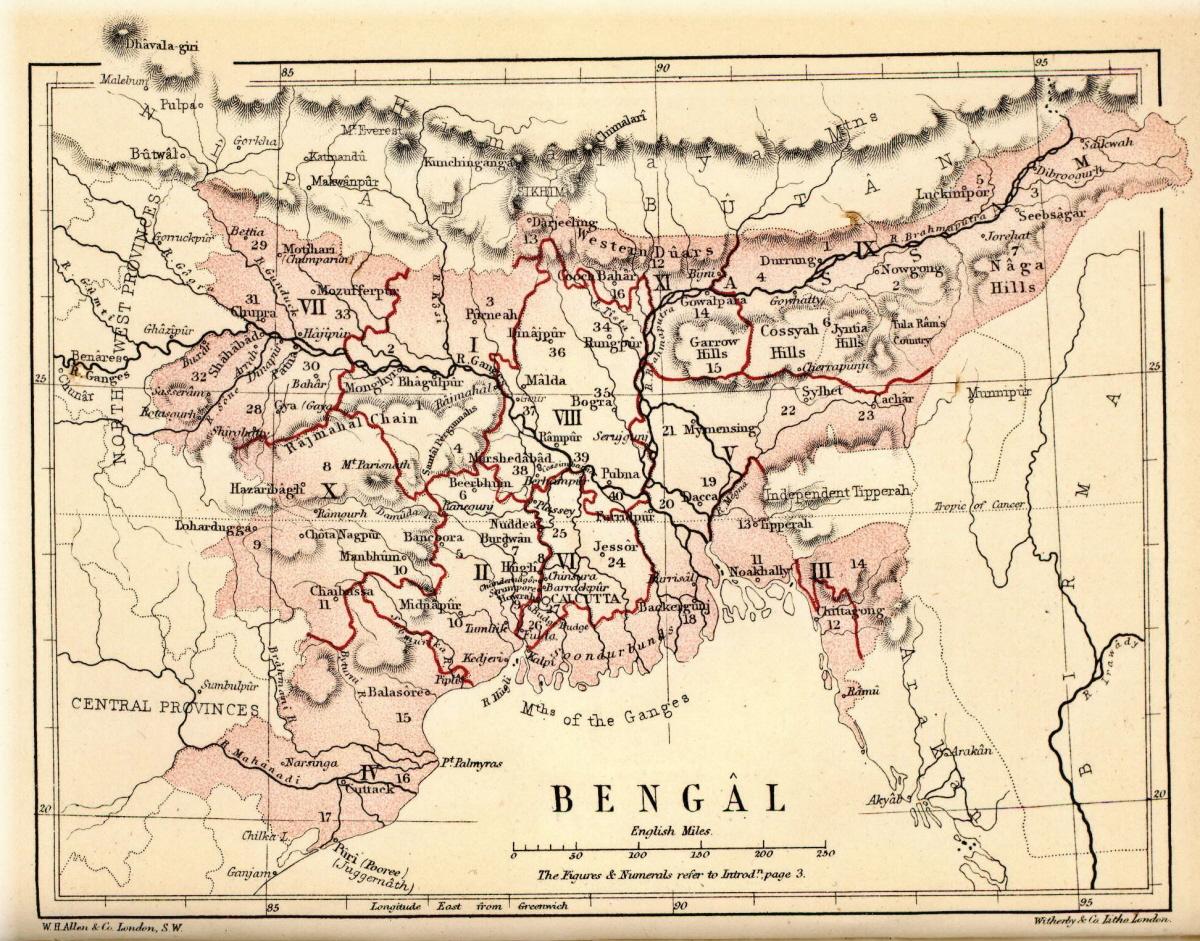
The Greater Sylhet district region predominantly included the Sylhet Division in Bangladesh, and Karimganj district in Assam, India. The history of the Sylhet region begins with the existence of expanded commercial centres in the area that is now Sylhet City. Historically known as Srihatta and Shilhatta, it was ruled by the Hindu and Buddhist kingdoms of Vanga, Harikela and Kamarupa before passing to the control of the Chandra, Sena and Deva dynasties in the early medieval period. Buddhism was prevalent in the first millennium. After the fall of these Buddhist and Hindu principalities, the region became home to many more independent petty kingdoms such as Jaintia, Gour, Laur, and later Taraf, Pratapgarh, Jagannathpur, Chandrapur and Ita. After the Conquest of Sylhet in the 14th century, the region was absorbed into Shamsuddin Firoz Shah's independent principality based in Lakhnauti, Western Bengal. It was then successively ruled by the Muslim sultanates of Delhi and the Bengal Sultanate before collapsing into Muslim petty kingdoms, mostly ruled by Afghan chieftains, after the fall of the Karrani dynasty in 1576. Described as Bengal's Wild East, the Mughals struggled in defeating the chieftains of Sylhet. After the defeat of Khwaja Usman, their most formidable opponent, the area finally came under Mughal rule in 1612. Sylhet emerged as the Mughals' most significant imperial outpost in the east and its importance remained as such throughout the seventeenth century. After the Mughals, the British Empire ruled the region for over 180 years until the independence of Pakistan and India. There was a complete list of the different amils who governed Sylhet which was recorded in the office of the Qanungoh (revenue officers) of Sylhet. However, most complete copies have been lost or destroyed. Dates from letters and seal traces show evidence that the amils were constantly changed. In 1947, when a referendum was held, Sylhet decided to join the Pakistani province of East Bengal. However, when the Radcliffe Line was drawn up, Karimganj district of Barak Valley was given to India by the commission after being pleaded by Abdul Matlib Mazumdar's delegation. Throughout the history of Sylhet, raids and invasions were also common from neighbouring kingdoms as well as tribes such as the Khasis and Kukis.
According to historians, Sylhet was an expanded commercial centre inhabited by Brahmins under the realm of the Harikela and Kamarupa kingdoms of ancient Bengal and Assam. The Nidhanpur copperplate inscription of the 7th-century gives a detailed account 56 gotras of Vaidika Brahmanas settling in and around village of Nidhanpur.
The Hindu epic known as the Mahabharata mentions the marriage of Duryodhana of the Kauravas into a family in Habiganj, Sylhet. The Purana also mentions the hero Arjuna travelling to the Jaintia to regain his horse held captive by a princess. The region is also home to two of the fifty-one body parts of Sati, a form of Durga, that fell on Earth according to accepted legends. Shri Shail and Jayanti are where the neck and left palm of Sati fell and are Shakta pithas.
The Gour Kingdom, established in the 7th century, took part in many battles with its neighbouring states. Eventually it would split into two - Gour (Sylhet) and Brahmachal (South Sylhet/modern-day Moulvibazar). The region was also home to many petty kingdoms such as Laur and Jagannathpur and part of larger kingdoms such as the Jaintia and Twipra Kingdoms. In 640, the Raja of Tripura Dharma Fa planned a ceremony and invited five Brahmans from Etawah, Mithila and Kannauj. To compensate for their long journey, the Raja granted them land in a place which came to be known as Panchakhanda (meaning five parts) in Western Sylhet. Towards the end of the millennium, the Chandras ruled over Bengal.
A 930 AD copper-plate of Srichandra, of the Chandra dynasty of East Bengal, was found in Tengubazar Mandir, Paschimbhag, Rajnagar detailing his successful campaign against the Kingdom of Kamarupa. In the early medieval period, the area was dominated by Hindu principalities, which were under the nominal suzerainty of the Senas and Devas. The history of the dynasties in the region is documented by their copper-plate charters.
Evidence from inscriptions also suggest there was an ancient university in Panchgaon, Rajnagar. A copper-plate inscription of Raja Marundanath in Kalapur, Srimangal was discovered dating back to the 11th century. In 1195, Nidhipati Shastri, a Brahman from Panchakhanda who was descended from Ananda Shastri of Mithila, was given land in Ita (Rajnagar) by the Raja of Tripura. Ita was feudal to the Kingdom of Tripura and part of its Manukul Pradesh. Nidhipati became the founder of the Ita dynasty which would later gain a Raja status and based himself in Bhumiura-Ettolatoli. He established many dighis (ponds) and khamar (fields) which still exist today such as Shoptopar Dighi and Nidhipatir Khamar. He was succeeded over the feudal rule of Ita by his son, Bhudhar and then his grandson, Kandarpadi.
Keshab Misra, a Brahman from Kannauj, migrated to Laur where he established a Hindu kingdom. After the death of Raja Upananda of Brahmachal (modern-day Baramchal, Kulaura), Govardhan of Gour allowed Amar Singh to rule over southern Sylhet. Singh was unable to cope and died shortly after. The Kuki chiefs then annexed Brahmachal (Southern Sylhet) to the Twipra Kingdom ruled by Ratan Manikya. Jaidev Rai was appointed to govern Brahmachal under the Tripura king. The penultimate Raja Govardhan of Gour was killed in a battle against Kuki rebels and the Jaintia Kingdom in 1260. He would be succeeded by his nephew, Gour Govinda, who would reunite Northern Sylhet (Gour) and Southern Sylhet (Brahmachal). Govinda dismissed Govardhan's chief minister Madan Rai and appointed Mona Rai as his minister instead.
During the time of the Delhi Sultanate's conquest of Bengal, Sylhet continued to be made up of petty kingdoms. Ghiyasuddin Iwaz Shah, the governor of Bengal who later claimed independence from Delhi, carried out invasions into neighbouring regions such as Assam, Tripura, Bihar and Sylhet and making them his tributary states. In 1254, Governor of Bengal Malik Ikhtiyaruddin Iuzbak invaded the Azmardan Raj (present-day Ajmiriganj). He defeated the local Raja, and plundered his wealth.
Hub AI
History of Sylhet AI simulator
(@History of Sylhet_simulator)
History of Sylhet
The Greater Sylhet district region predominantly included the Sylhet Division in Bangladesh, and Karimganj district in Assam, India. The history of the Sylhet region begins with the existence of expanded commercial centres in the area that is now Sylhet City. Historically known as Srihatta and Shilhatta, it was ruled by the Hindu and Buddhist kingdoms of Vanga, Harikela and Kamarupa before passing to the control of the Chandra, Sena and Deva dynasties in the early medieval period. Buddhism was prevalent in the first millennium. After the fall of these Buddhist and Hindu principalities, the region became home to many more independent petty kingdoms such as Jaintia, Gour, Laur, and later Taraf, Pratapgarh, Jagannathpur, Chandrapur and Ita. After the Conquest of Sylhet in the 14th century, the region was absorbed into Shamsuddin Firoz Shah's independent principality based in Lakhnauti, Western Bengal. It was then successively ruled by the Muslim sultanates of Delhi and the Bengal Sultanate before collapsing into Muslim petty kingdoms, mostly ruled by Afghan chieftains, after the fall of the Karrani dynasty in 1576. Described as Bengal's Wild East, the Mughals struggled in defeating the chieftains of Sylhet. After the defeat of Khwaja Usman, their most formidable opponent, the area finally came under Mughal rule in 1612. Sylhet emerged as the Mughals' most significant imperial outpost in the east and its importance remained as such throughout the seventeenth century. After the Mughals, the British Empire ruled the region for over 180 years until the independence of Pakistan and India. There was a complete list of the different amils who governed Sylhet which was recorded in the office of the Qanungoh (revenue officers) of Sylhet. However, most complete copies have been lost or destroyed. Dates from letters and seal traces show evidence that the amils were constantly changed. In 1947, when a referendum was held, Sylhet decided to join the Pakistani province of East Bengal. However, when the Radcliffe Line was drawn up, Karimganj district of Barak Valley was given to India by the commission after being pleaded by Abdul Matlib Mazumdar's delegation. Throughout the history of Sylhet, raids and invasions were also common from neighbouring kingdoms as well as tribes such as the Khasis and Kukis.
According to historians, Sylhet was an expanded commercial centre inhabited by Brahmins under the realm of the Harikela and Kamarupa kingdoms of ancient Bengal and Assam. The Nidhanpur copperplate inscription of the 7th-century gives a detailed account 56 gotras of Vaidika Brahmanas settling in and around village of Nidhanpur.
The Hindu epic known as the Mahabharata mentions the marriage of Duryodhana of the Kauravas into a family in Habiganj, Sylhet. The Purana also mentions the hero Arjuna travelling to the Jaintia to regain his horse held captive by a princess. The region is also home to two of the fifty-one body parts of Sati, a form of Durga, that fell on Earth according to accepted legends. Shri Shail and Jayanti are where the neck and left palm of Sati fell and are Shakta pithas.
The Gour Kingdom, established in the 7th century, took part in many battles with its neighbouring states. Eventually it would split into two - Gour (Sylhet) and Brahmachal (South Sylhet/modern-day Moulvibazar). The region was also home to many petty kingdoms such as Laur and Jagannathpur and part of larger kingdoms such as the Jaintia and Twipra Kingdoms. In 640, the Raja of Tripura Dharma Fa planned a ceremony and invited five Brahmans from Etawah, Mithila and Kannauj. To compensate for their long journey, the Raja granted them land in a place which came to be known as Panchakhanda (meaning five parts) in Western Sylhet. Towards the end of the millennium, the Chandras ruled over Bengal.
A 930 AD copper-plate of Srichandra, of the Chandra dynasty of East Bengal, was found in Tengubazar Mandir, Paschimbhag, Rajnagar detailing his successful campaign against the Kingdom of Kamarupa. In the early medieval period, the area was dominated by Hindu principalities, which were under the nominal suzerainty of the Senas and Devas. The history of the dynasties in the region is documented by their copper-plate charters.
Evidence from inscriptions also suggest there was an ancient university in Panchgaon, Rajnagar. A copper-plate inscription of Raja Marundanath in Kalapur, Srimangal was discovered dating back to the 11th century. In 1195, Nidhipati Shastri, a Brahman from Panchakhanda who was descended from Ananda Shastri of Mithila, was given land in Ita (Rajnagar) by the Raja of Tripura. Ita was feudal to the Kingdom of Tripura and part of its Manukul Pradesh. Nidhipati became the founder of the Ita dynasty which would later gain a Raja status and based himself in Bhumiura-Ettolatoli. He established many dighis (ponds) and khamar (fields) which still exist today such as Shoptopar Dighi and Nidhipatir Khamar. He was succeeded over the feudal rule of Ita by his son, Bhudhar and then his grandson, Kandarpadi.
Keshab Misra, a Brahman from Kannauj, migrated to Laur where he established a Hindu kingdom. After the death of Raja Upananda of Brahmachal (modern-day Baramchal, Kulaura), Govardhan of Gour allowed Amar Singh to rule over southern Sylhet. Singh was unable to cope and died shortly after. The Kuki chiefs then annexed Brahmachal (Southern Sylhet) to the Twipra Kingdom ruled by Ratan Manikya. Jaidev Rai was appointed to govern Brahmachal under the Tripura king. The penultimate Raja Govardhan of Gour was killed in a battle against Kuki rebels and the Jaintia Kingdom in 1260. He would be succeeded by his nephew, Gour Govinda, who would reunite Northern Sylhet (Gour) and Southern Sylhet (Brahmachal). Govinda dismissed Govardhan's chief minister Madan Rai and appointed Mona Rai as his minister instead.
During the time of the Delhi Sultanate's conquest of Bengal, Sylhet continued to be made up of petty kingdoms. Ghiyasuddin Iwaz Shah, the governor of Bengal who later claimed independence from Delhi, carried out invasions into neighbouring regions such as Assam, Tripura, Bihar and Sylhet and making them his tributary states. In 1254, Governor of Bengal Malik Ikhtiyaruddin Iuzbak invaded the Azmardan Raj (present-day Ajmiriganj). He defeated the local Raja, and plundered his wealth.