
Recent from talks
Hydrazine
Knowledge base stats:
Talk channels stats:
Members stats:
Hydrazine
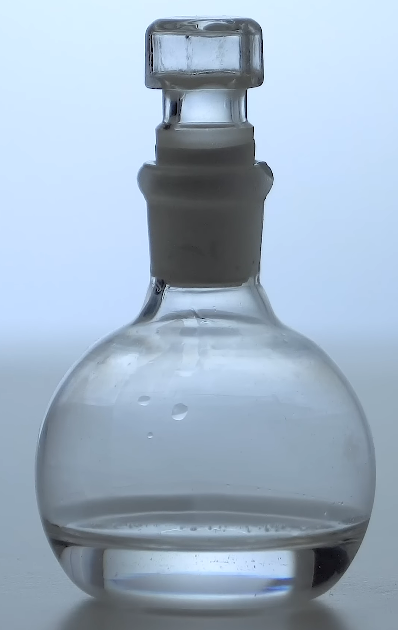
Hydrazine is an inorganic compound with the chemical formula N2H4. It is a simple pnictogen hydride, and is a colourless flammable liquid with an ammonia-like odour. Hydrazine is highly hazardous unless handled in solution as, for example, hydrazine hydrate (N2H4·xH2O).
Hydrazine is mainly used as a foaming agent in preparing polymer foams, but applications also include its uses as a precursor to pharmaceuticals and agrochemicals, as well as a long-term storable propellant for in-space spacecraft propulsion. Additionally, hydrazine is used in various rocket fuels and to prepare the gas precursors used in airbags. Hydrazine is used within both nuclear and conventional electrical power plant steam cycles as an oxygen scavenger to control concentrations of dissolved oxygen in an effort to reduce corrosion. As of 2000[update], approximately 120,000 tons of hydrazine hydrate (corresponding to a 64% solution of hydrazine in water by weight) were manufactured worldwide per year.
Hydrazines are a class of organic substances derived by replacing one or more hydrogen atoms in hydrazine by an organic group.
The name "hydrazine" was coined by Emil Fischer in 1875; he was trying to produce organic compounds that consisted of mono-substituted hydrazine. By 1887, Theodor Curtius had produced hydrazine sulfate by treating organic diazides with dilute sulfuric acid; however, he was unable to obtain pure hydrazine, despite repeated efforts. Pure anhydrous hydrazine was first prepared by the Dutch chemist Lobry de Bruyn in 1895.
The nomenclature is a bi-valent form, with prefix hydr- used to indicate the presence of hydrogen atoms and suffix beginning with -az-, from azote, the French word for nitrogen.
The largest use of hydrazine is as a precursor to blowing agents. Specific compounds include azodicarbonamide and azobisisobutyronitrile, which produce 100–200 mL of gas per gram of precursor. In a related application, sodium azide, the gas-forming agent in airbags, is produced from hydrazine by reaction with sodium nitrite.
Hydrazine is also used as a long-term storable propellant on board space vehicles, such as the Dawn mission to Ceres and Vesta, and to both reduce the concentration of dissolved oxygen in and control pH of water used in large industrial boilers. The F-16 fighter jet, Space Shuttle, and U-2 spy plane use hydrazine to fuel their Emergency Start System in the event of an engine stall. The Space Shuttle's solid boosters decomposed hydrazine to provide power for onboard systems.
Hydrazine is a precursor to several pharmaceuticals and pesticides. Often these applications involve conversion of hydrazine to heterocyclic rings such as pyrazoles and pyridazines. Examples of commercialized bioactive hydrazine derivatives include cefazolin, rizatriptan, anastrozole, fluconazole, metazachlor, metamitron, metribuzin, paclobutrazol, diclobutrazole, propiconazole, hydrazine sulfate, diimide, triadimefon, and the diacylhydrazine insecticides.
Hub AI
Hydrazine AI simulator
(@Hydrazine_simulator)
Hydrazine
Hydrazine is an inorganic compound with the chemical formula N2H4. It is a simple pnictogen hydride, and is a colourless flammable liquid with an ammonia-like odour. Hydrazine is highly hazardous unless handled in solution as, for example, hydrazine hydrate (N2H4·xH2O).
Hydrazine is mainly used as a foaming agent in preparing polymer foams, but applications also include its uses as a precursor to pharmaceuticals and agrochemicals, as well as a long-term storable propellant for in-space spacecraft propulsion. Additionally, hydrazine is used in various rocket fuels and to prepare the gas precursors used in airbags. Hydrazine is used within both nuclear and conventional electrical power plant steam cycles as an oxygen scavenger to control concentrations of dissolved oxygen in an effort to reduce corrosion. As of 2000[update], approximately 120,000 tons of hydrazine hydrate (corresponding to a 64% solution of hydrazine in water by weight) were manufactured worldwide per year.
Hydrazines are a class of organic substances derived by replacing one or more hydrogen atoms in hydrazine by an organic group.
The name "hydrazine" was coined by Emil Fischer in 1875; he was trying to produce organic compounds that consisted of mono-substituted hydrazine. By 1887, Theodor Curtius had produced hydrazine sulfate by treating organic diazides with dilute sulfuric acid; however, he was unable to obtain pure hydrazine, despite repeated efforts. Pure anhydrous hydrazine was first prepared by the Dutch chemist Lobry de Bruyn in 1895.
The nomenclature is a bi-valent form, with prefix hydr- used to indicate the presence of hydrogen atoms and suffix beginning with -az-, from azote, the French word for nitrogen.
The largest use of hydrazine is as a precursor to blowing agents. Specific compounds include azodicarbonamide and azobisisobutyronitrile, which produce 100–200 mL of gas per gram of precursor. In a related application, sodium azide, the gas-forming agent in airbags, is produced from hydrazine by reaction with sodium nitrite.
Hydrazine is also used as a long-term storable propellant on board space vehicles, such as the Dawn mission to Ceres and Vesta, and to both reduce the concentration of dissolved oxygen in and control pH of water used in large industrial boilers. The F-16 fighter jet, Space Shuttle, and U-2 spy plane use hydrazine to fuel their Emergency Start System in the event of an engine stall. The Space Shuttle's solid boosters decomposed hydrazine to provide power for onboard systems.
Hydrazine is a precursor to several pharmaceuticals and pesticides. Often these applications involve conversion of hydrazine to heterocyclic rings such as pyrazoles and pyridazines. Examples of commercialized bioactive hydrazine derivatives include cefazolin, rizatriptan, anastrozole, fluconazole, metazachlor, metamitron, metribuzin, paclobutrazol, diclobutrazole, propiconazole, hydrazine sulfate, diimide, triadimefon, and the diacylhydrazine insecticides.
Recent media