
Recent from talks
Hyrcania
Knowledge base stats:
Talk channels stats:
Members stats:
Hyrcania
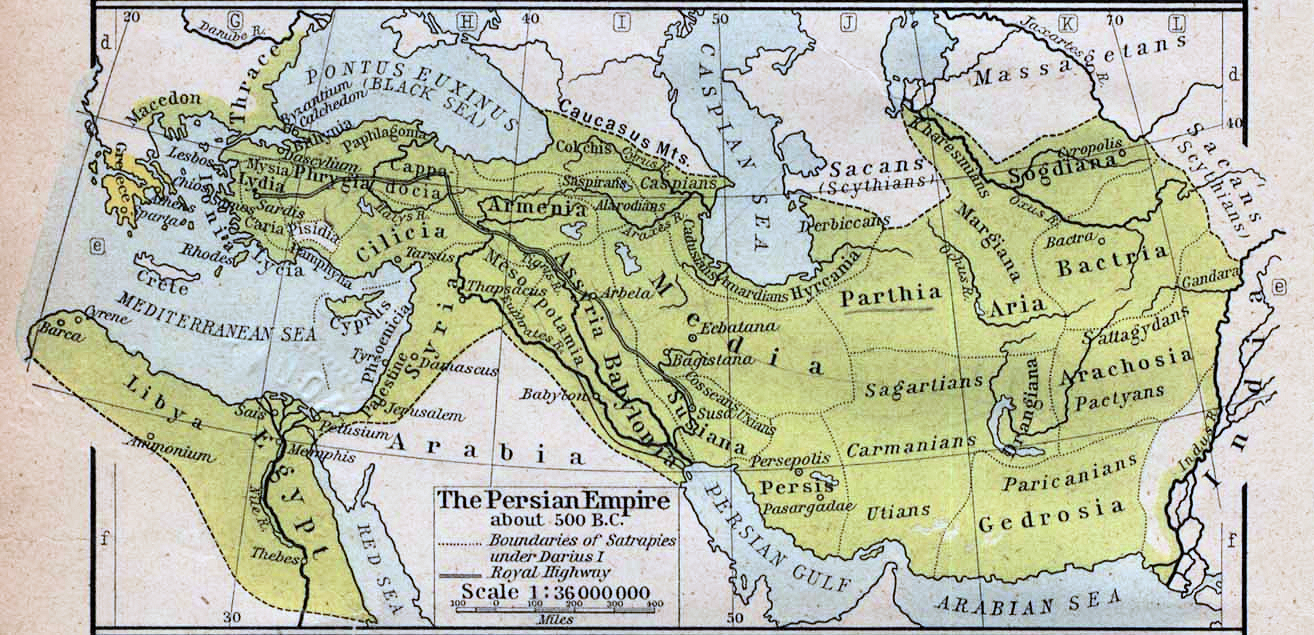
Hyrcania (/hərˈkeɪniə/; Greek: Ὑρκανία Hyrkanía, Old Persian: 𐎺𐎼𐎣𐎠𐎴 Varkâna, Middle Persian: 𐭢𐭥𐭫𐭢𐭠𐭭 Gurgān, Akkadian: Urqananu) is a historical region composed of the land south-east of the Caspian Sea in modern-day Iran and Turkmenistan, bound in the south by the Alborz mountain range and the Kopet Dag in the east.
The region served as a satrapy (province) of the Median Empire, a sub-province of the Achaemenid Empire, and a province within its successors, the Seleucid, Arsacid and Sasanian empires. Hyrcania bordered Parthia to the east (later known as Abarshahr), Dihistan to the north, Media to the south and Mardia to the west.
Hyrcania (Ὑρκανία) is the Greek name for the region, a borrowing from the Old Persian Verkâna as recorded in Darius the Great's Behistun Inscription (522 BC), as well as in other Old Persian cuneiform inscriptions. Verkā means "wolf" in Old Iranian, cf. Avestan vəhrkō, Gilaki and Mazandarani verk/verg, Modern Persian gorg, and Sanskrit vŗka (वृक). Consequently, Hyrcania means "Wolf-land". The name was extended to the Caspian Sea and underlies the name of the city Zadracarta, the then-largest city and the capital of ancient Hyrcania.
Another archaic name, Dahistān (not to be confused with dehestan – a modern Iranian word for "district" or "county") is sometimes used interchangeably with Hyrcania. Dahistān refers, strictly speaking to the "place of the Dahae": an extinct people who lived immediately north of Hyrcania, as early as the 5th century BC.
Hyrcania formed part of the Median Empire by 600 BC, and according to Nicolaus Damascenus, was administered as a satrapy by the time of the last Median king, Astyages, who appointed a certain Artasyras as satrap (governor). Upon the fall of the Median Empire, the region willingly submitted to the Achaemenid Empire and was occupied by Cyrus the Great in 549-548 BC, and for a time Artasyras continued as satrap under Cyrus, prior to his replacement by Astyages himself. According to Ctesias, Astyages' grandson Megabernes also served as satrap of Hyrcania. Hyrcanians gave their name to the Hyrcanian plain in the middle Hermus valley in Lydia where they were settled, most likely during the reign of Cyrus the Great, as part of a policy to establish military colonies in Asia Minor. Under the Achaemenid Empire, Hyrcania served as a sub-province of the satrapy of Parthia, which was also known as the satrapy of Parthia and Hyrcania. At times, Cadusia may have been administered as part of Hyrcania. Fortifications to protect Hyrcania against nomadic incursions were constructed during the Achaemenid period.
Following Darius the Great's victory over the Magian usurper, Gaumata, in September 522 BC, revolts spread throughout the empire. In December 522 BC, a revolt in support of the Median leader Phraortes erupted in Hyrcania, and in March 521 BC, the Hyrcanian rebels unsuccessfully attacked Hystaspes, satrap of Parthia. In May, Phraortes was defeated and Hyrcania returned to Achaemenid rule. Darius later settled Hyrcanians in the settlement of Dareionkome (Greek: Δαρειονκώμη) in the Hyrcanian Plain in Lydia. Other Hyrcanian settlements in the Hermus valley include Ormoita and Tyanolla. According to Herodotus, Hyrcanian soldiers participated in the Second Persian invasion of Greece in 480 BC under the command of Megapanus. After the war, a garrison composed of Hyrcanian soldiers was posted in the valleys of the rivers Hermus and Caicus. Under Xerxes I, Hyrcania was likely detached from the satrapy of Parthia and administered separately. Some sources imply Hyrcania was later administered as a sub-province of Media. According to Ctesias, Artaxerxes I appointed his illegitimate son Ochus as satrap of Hyrcania in c. 425 BC, who later assumed the throne as Darius II and appointed Idernes as satrap. Idernes' son Terituchmes succeeded him as satrap of Hyrcania following his death and was married to Amestris, daughter of Darius II, but Terituchmes was murdered by Udiastes, a henchman of Terituchmes, for conspiring to murder Amestris and revolt against Darius so he could wed his half-sister Roxana.
By the time of Alexander the Great's invasion of the Achaemenid Empire in 334 BC, Hyrcania was reattached to the satrapy of Parthia and administered as a sub-province. Hyrcanian soldiers are mentioned in the Battle of Gaugamela against Alexander in 331 BC. After the death of Darius III in 330 BC, many Persian noblemen fled to Hyrcania. Alexander reached Hyrcania in 330 BC, where he accepted the surrender of Phrataphernes, satrap of Hyrcania and Parthia, and chiliarch Nabarzanes. Alexander seized Zadracarta, the capital of Hyrcania, hereafter known as Syrinx, later that year and received the surrender of other satraps and nobles. Whilst in Hyrcania, Alexander appointed his general Amminapes as satrap of Hyrcania and Parthia, but was succeeded as satrap of Hyrcania by Autophradates, satrap of Mardia and Tapuria, not long after. In 328 BC, Autophradates rebelled against Alexander and Phrataphernes, who had been reinstated as satrap of Parthia, was sent to quell the revolt. Autophradates was defeated and executed by Alexander at Pasargadae in 324 BC and Phrataphernes was granted the satrapies of Hyrcania, Tapuria, and Mardia.
Following the death of Alexander the Great in 323 BC, his empire was divided amongst the Diadochi in the Partition of Babylon, which confirmed Phrataphernes' control of Hyrcania and Parthia. The Partition of Triparadisus in 321 BC granted Parthia and Hyrcania to Philip, however, Philip was killed by Peithon, satrap of Media, in 318 BC and Peithon appointed his brother Eudemus as satrap. Eudemus was driven from Parthia and Hyrcania in 317 BC by Peithon, satrap of the Indus, who was subsequently defeated in 315 BC by Antigonus, allowing Antigonus to take control of the Asian territories of the empire. Antigonus appointed Nicanor satrap of Hyrcania and Parthia, also known as the upper satrapies, in 315 BC and continued in this office until his death during the Babylonian War in battle against Seleucus in 310 BC which allowed Seleucus to conquer the eastern territories of the empire and form the Seleucid Empire.
Hub AI
Hyrcania AI simulator
(@Hyrcania_simulator)
Hyrcania
Hyrcania (/hərˈkeɪniə/; Greek: Ὑρκανία Hyrkanía, Old Persian: 𐎺𐎼𐎣𐎠𐎴 Varkâna, Middle Persian: 𐭢𐭥𐭫𐭢𐭠𐭭 Gurgān, Akkadian: Urqananu) is a historical region composed of the land south-east of the Caspian Sea in modern-day Iran and Turkmenistan, bound in the south by the Alborz mountain range and the Kopet Dag in the east.
The region served as a satrapy (province) of the Median Empire, a sub-province of the Achaemenid Empire, and a province within its successors, the Seleucid, Arsacid and Sasanian empires. Hyrcania bordered Parthia to the east (later known as Abarshahr), Dihistan to the north, Media to the south and Mardia to the west.
Hyrcania (Ὑρκανία) is the Greek name for the region, a borrowing from the Old Persian Verkâna as recorded in Darius the Great's Behistun Inscription (522 BC), as well as in other Old Persian cuneiform inscriptions. Verkā means "wolf" in Old Iranian, cf. Avestan vəhrkō, Gilaki and Mazandarani verk/verg, Modern Persian gorg, and Sanskrit vŗka (वृक). Consequently, Hyrcania means "Wolf-land". The name was extended to the Caspian Sea and underlies the name of the city Zadracarta, the then-largest city and the capital of ancient Hyrcania.
Another archaic name, Dahistān (not to be confused with dehestan – a modern Iranian word for "district" or "county") is sometimes used interchangeably with Hyrcania. Dahistān refers, strictly speaking to the "place of the Dahae": an extinct people who lived immediately north of Hyrcania, as early as the 5th century BC.
Hyrcania formed part of the Median Empire by 600 BC, and according to Nicolaus Damascenus, was administered as a satrapy by the time of the last Median king, Astyages, who appointed a certain Artasyras as satrap (governor). Upon the fall of the Median Empire, the region willingly submitted to the Achaemenid Empire and was occupied by Cyrus the Great in 549-548 BC, and for a time Artasyras continued as satrap under Cyrus, prior to his replacement by Astyages himself. According to Ctesias, Astyages' grandson Megabernes also served as satrap of Hyrcania. Hyrcanians gave their name to the Hyrcanian plain in the middle Hermus valley in Lydia where they were settled, most likely during the reign of Cyrus the Great, as part of a policy to establish military colonies in Asia Minor. Under the Achaemenid Empire, Hyrcania served as a sub-province of the satrapy of Parthia, which was also known as the satrapy of Parthia and Hyrcania. At times, Cadusia may have been administered as part of Hyrcania. Fortifications to protect Hyrcania against nomadic incursions were constructed during the Achaemenid period.
Following Darius the Great's victory over the Magian usurper, Gaumata, in September 522 BC, revolts spread throughout the empire. In December 522 BC, a revolt in support of the Median leader Phraortes erupted in Hyrcania, and in March 521 BC, the Hyrcanian rebels unsuccessfully attacked Hystaspes, satrap of Parthia. In May, Phraortes was defeated and Hyrcania returned to Achaemenid rule. Darius later settled Hyrcanians in the settlement of Dareionkome (Greek: Δαρειονκώμη) in the Hyrcanian Plain in Lydia. Other Hyrcanian settlements in the Hermus valley include Ormoita and Tyanolla. According to Herodotus, Hyrcanian soldiers participated in the Second Persian invasion of Greece in 480 BC under the command of Megapanus. After the war, a garrison composed of Hyrcanian soldiers was posted in the valleys of the rivers Hermus and Caicus. Under Xerxes I, Hyrcania was likely detached from the satrapy of Parthia and administered separately. Some sources imply Hyrcania was later administered as a sub-province of Media. According to Ctesias, Artaxerxes I appointed his illegitimate son Ochus as satrap of Hyrcania in c. 425 BC, who later assumed the throne as Darius II and appointed Idernes as satrap. Idernes' son Terituchmes succeeded him as satrap of Hyrcania following his death and was married to Amestris, daughter of Darius II, but Terituchmes was murdered by Udiastes, a henchman of Terituchmes, for conspiring to murder Amestris and revolt against Darius so he could wed his half-sister Roxana.
By the time of Alexander the Great's invasion of the Achaemenid Empire in 334 BC, Hyrcania was reattached to the satrapy of Parthia and administered as a sub-province. Hyrcanian soldiers are mentioned in the Battle of Gaugamela against Alexander in 331 BC. After the death of Darius III in 330 BC, many Persian noblemen fled to Hyrcania. Alexander reached Hyrcania in 330 BC, where he accepted the surrender of Phrataphernes, satrap of Hyrcania and Parthia, and chiliarch Nabarzanes. Alexander seized Zadracarta, the capital of Hyrcania, hereafter known as Syrinx, later that year and received the surrender of other satraps and nobles. Whilst in Hyrcania, Alexander appointed his general Amminapes as satrap of Hyrcania and Parthia, but was succeeded as satrap of Hyrcania by Autophradates, satrap of Mardia and Tapuria, not long after. In 328 BC, Autophradates rebelled against Alexander and Phrataphernes, who had been reinstated as satrap of Parthia, was sent to quell the revolt. Autophradates was defeated and executed by Alexander at Pasargadae in 324 BC and Phrataphernes was granted the satrapies of Hyrcania, Tapuria, and Mardia.
Following the death of Alexander the Great in 323 BC, his empire was divided amongst the Diadochi in the Partition of Babylon, which confirmed Phrataphernes' control of Hyrcania and Parthia. The Partition of Triparadisus in 321 BC granted Parthia and Hyrcania to Philip, however, Philip was killed by Peithon, satrap of Media, in 318 BC and Peithon appointed his brother Eudemus as satrap. Eudemus was driven from Parthia and Hyrcania in 317 BC by Peithon, satrap of the Indus, who was subsequently defeated in 315 BC by Antigonus, allowing Antigonus to take control of the Asian territories of the empire. Antigonus appointed Nicanor satrap of Hyrcania and Parthia, also known as the upper satrapies, in 315 BC and continued in this office until his death during the Babylonian War in battle against Seleucus in 310 BC which allowed Seleucus to conquer the eastern territories of the empire and form the Seleucid Empire.
Recent media