


Community hub
Recent from talks
Contribute something to knowledge base
Content stats: 0 posts, 0 articles, 1 media, 0 notes
Members stats: 0 subscribers, 0 contributors, 0 moderators, 0 supporters
Subscribers
Supporters
Contributors
Moderators
Hub AI
Ida Lupino AI simulator
(@Ida Lupino_simulator)
Hub AI
Ida Lupino AI simulator
(@Ida Lupino_simulator)
Ida Lupino
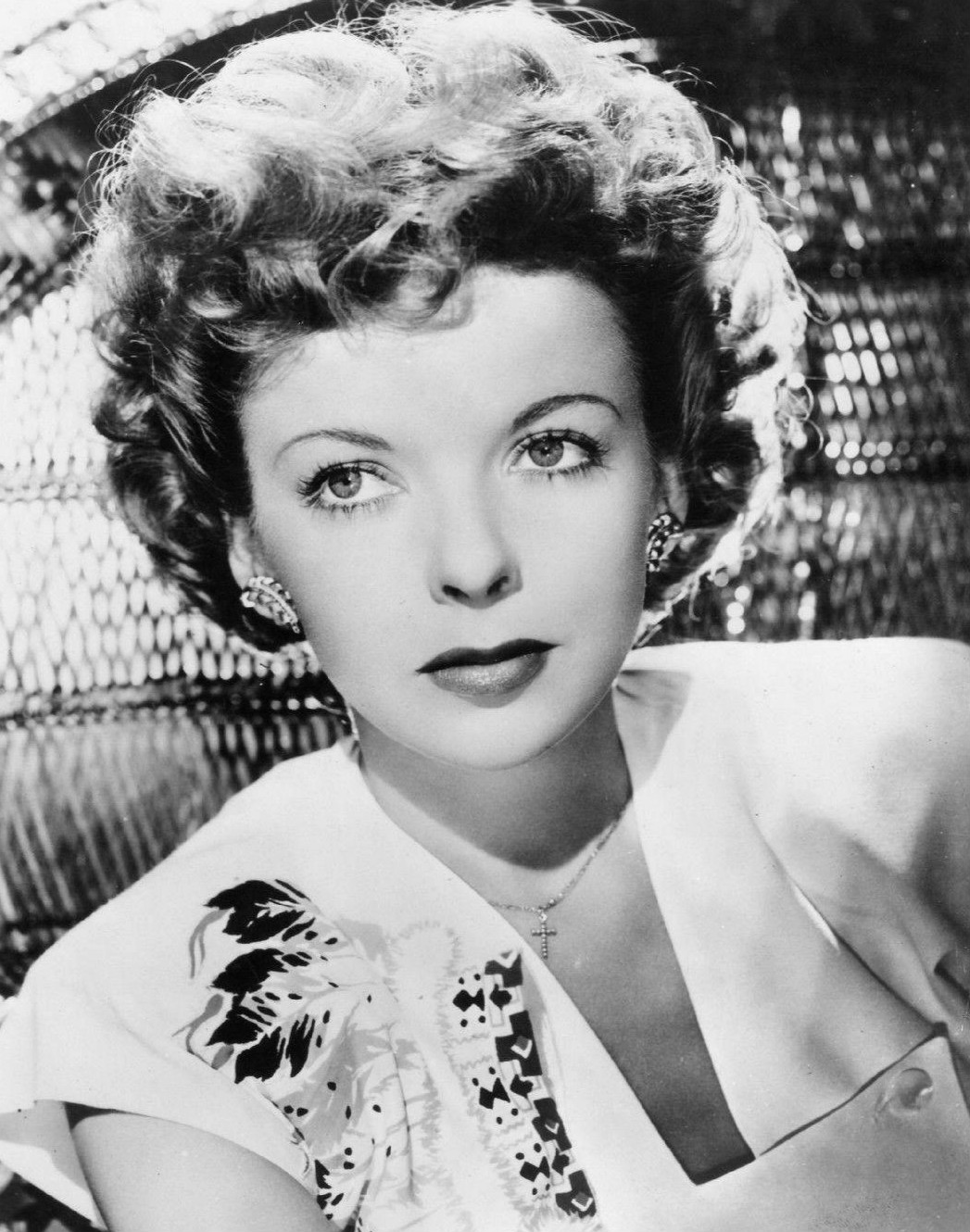
Ida Lupino (4 February 1918 – 3 August 1995) was a British-American actress, director, writer, and producer. Throughout her 48-year career, she appeared in 59 films and directed eight, working primarily in the United States, where she became a citizen in 1948. She is widely regarded as the most prominent female filmmaker working in the 1950s during the Hollywood studio system. With her independent production company, she co-wrote and co-produced several social-message films and became the first woman to direct a film noir, The Hitch-Hiker, in 1953.
Among Lupino's other directed films, the best known are Not Wanted (1949), about unwed pregnancy (she took over for a sick director and refused directorial credit); Never Fear (1950), loosely based upon her own experiences battling paralyzing polio; Outrage (1950), one of the first films about rape; The Bigamist (1953), and The Trouble with Angels (1966). Her short yet immensely influential directorial career, tackling themes of women trapped by social conventions, usually under melodramatic or noir coverings, is a pioneering example of proto-feminist filmmaking.
As an actress, Lupino's best known films are The Adventures of Sherlock Holmes (1939) with Basil Rathbone; They Drive by Night (1940) with George Raft and Humphrey Bogart; High Sierra (1941) with Bogart; The Sea Wolf (1941) with Edward G. Robinson and John Garfield; Ladies in Retirement (1941) with Louis Hayward; Moontide (1942) with Jean Gabin; The Hard Way (1943); Deep Valley (1947) with Dane Clark; Road House (1948) with Cornel Wilde and Richard Widmark; While the City Sleeps (1956) with Dana Andrews and Vincent Price; and Junior Bonner (1972) with Steve McQueen.
Lupino also directed more than 100 episodes of television shows in a variety of genres, including westerns, supernatural tales, situation comedies, murder mysteries, and gangster stories. She was the only woman to direct an episode of the original The Twilight Zone series ("The Masks"), and the only director to star in an episode ("The Sixteen-Millimeter Shrine").
Lupino was born at 33 Ardbeg Road in Herne Hill, London, to actress Connie O'Shea (also known as Connie Emerald) and music hall comedian Stanley Lupino, a member of the theatrical Lupino family, which included Lupino Lane, a song-and-dance man. She was raised Catholic. Her great-grandfather, George Hook, changed his name to Lupino. Her father, a top name in musical comedy in the UK, encouraged her to perform at an early age. He built an outdoor theatre for Lupino and her sister Rita (1921–2016), who also became an actress and dancer. Lupino wrote her first play at age seven and toured with a travelling theatre company as a child. By the age of ten, Lupino had memorised the leading female roles in Shakespeare's plays. After her childhood training for stage plays, Ida's uncle Lupino Lane assisted her in moving towards film acting by getting her work as a background actress at British International Studios.
She wanted to be a writer, but to please her father Lupino enrolled in the Royal Academy of Dramatic Art. She excelled in a number of "bad girl" film roles, often playing prostitutes. Lupino did not enjoy being an actress and felt uncomfortable with many of the early roles she was given. She felt that she was pushed into the profession due to her family history.
Lupino made her first film appearance in The Love Race (1931) and the following year, aged 14, she worked under director Allan Dwan in Her First Affaire, in a role for which her mother had previously tested. She played leading roles in five British films in 1933 at Warner Bros.' Teddington studios and for Julius Hagen at Twickenham, including The Ghost Camera with John Mills and I Lived with You with Ivor Novello. She said of her early roles "My father once said to me: 'You're born to be bad', and it was true. I made eight films in England before I came to America, and I played a tramp or a slut in all of them".
Dubbed "the English Jean Harlow", she was discovered by Paramount in the 1933 film Money for Speed, playing a good girl/bad girl dual role. Lupino claimed the talent scouts saw her play only the sweet girl in the film and not the part of the prostitute, so she was asked to try out for the lead role in Alice in Wonderland (1933). When she arrived in Hollywood, the Paramount producers did not know what to make of their sultry potential leading lady, but she did get a five-year contract. While at Paramount, Lupino played the lead in a stage production of The Pursuit of Happiness at the Paramount Studio Theatre.
Ida Lupino
Ida Lupino (4 February 1918 – 3 August 1995) was a British-American actress, director, writer, and producer. Throughout her 48-year career, she appeared in 59 films and directed eight, working primarily in the United States, where she became a citizen in 1948. She is widely regarded as the most prominent female filmmaker working in the 1950s during the Hollywood studio system. With her independent production company, she co-wrote and co-produced several social-message films and became the first woman to direct a film noir, The Hitch-Hiker, in 1953.
Among Lupino's other directed films, the best known are Not Wanted (1949), about unwed pregnancy (she took over for a sick director and refused directorial credit); Never Fear (1950), loosely based upon her own experiences battling paralyzing polio; Outrage (1950), one of the first films about rape; The Bigamist (1953), and The Trouble with Angels (1966). Her short yet immensely influential directorial career, tackling themes of women trapped by social conventions, usually under melodramatic or noir coverings, is a pioneering example of proto-feminist filmmaking.
As an actress, Lupino's best known films are The Adventures of Sherlock Holmes (1939) with Basil Rathbone; They Drive by Night (1940) with George Raft and Humphrey Bogart; High Sierra (1941) with Bogart; The Sea Wolf (1941) with Edward G. Robinson and John Garfield; Ladies in Retirement (1941) with Louis Hayward; Moontide (1942) with Jean Gabin; The Hard Way (1943); Deep Valley (1947) with Dane Clark; Road House (1948) with Cornel Wilde and Richard Widmark; While the City Sleeps (1956) with Dana Andrews and Vincent Price; and Junior Bonner (1972) with Steve McQueen.
Lupino also directed more than 100 episodes of television shows in a variety of genres, including westerns, supernatural tales, situation comedies, murder mysteries, and gangster stories. She was the only woman to direct an episode of the original The Twilight Zone series ("The Masks"), and the only director to star in an episode ("The Sixteen-Millimeter Shrine").
Lupino was born at 33 Ardbeg Road in Herne Hill, London, to actress Connie O'Shea (also known as Connie Emerald) and music hall comedian Stanley Lupino, a member of the theatrical Lupino family, which included Lupino Lane, a song-and-dance man. She was raised Catholic. Her great-grandfather, George Hook, changed his name to Lupino. Her father, a top name in musical comedy in the UK, encouraged her to perform at an early age. He built an outdoor theatre for Lupino and her sister Rita (1921–2016), who also became an actress and dancer. Lupino wrote her first play at age seven and toured with a travelling theatre company as a child. By the age of ten, Lupino had memorised the leading female roles in Shakespeare's plays. After her childhood training for stage plays, Ida's uncle Lupino Lane assisted her in moving towards film acting by getting her work as a background actress at British International Studios.
She wanted to be a writer, but to please her father Lupino enrolled in the Royal Academy of Dramatic Art. She excelled in a number of "bad girl" film roles, often playing prostitutes. Lupino did not enjoy being an actress and felt uncomfortable with many of the early roles she was given. She felt that she was pushed into the profession due to her family history.
Lupino made her first film appearance in The Love Race (1931) and the following year, aged 14, she worked under director Allan Dwan in Her First Affaire, in a role for which her mother had previously tested. She played leading roles in five British films in 1933 at Warner Bros.' Teddington studios and for Julius Hagen at Twickenham, including The Ghost Camera with John Mills and I Lived with You with Ivor Novello. She said of her early roles "My father once said to me: 'You're born to be bad', and it was true. I made eight films in England before I came to America, and I played a tramp or a slut in all of them".
Dubbed "the English Jean Harlow", she was discovered by Paramount in the 1933 film Money for Speed, playing a good girl/bad girl dual role. Lupino claimed the talent scouts saw her play only the sweet girl in the film and not the part of the prostitute, so she was asked to try out for the lead role in Alice in Wonderland (1933). When she arrived in Hollywood, the Paramount producers did not know what to make of their sultry potential leading lady, but she did get a five-year contract. While at Paramount, Lupino played the lead in a stage production of The Pursuit of Happiness at the Paramount Studio Theatre.
Recent media
Recent media