
Recent from talks
Incense trade route
Knowledge base stats:
Talk channels stats:
Members stats:
Incense trade route
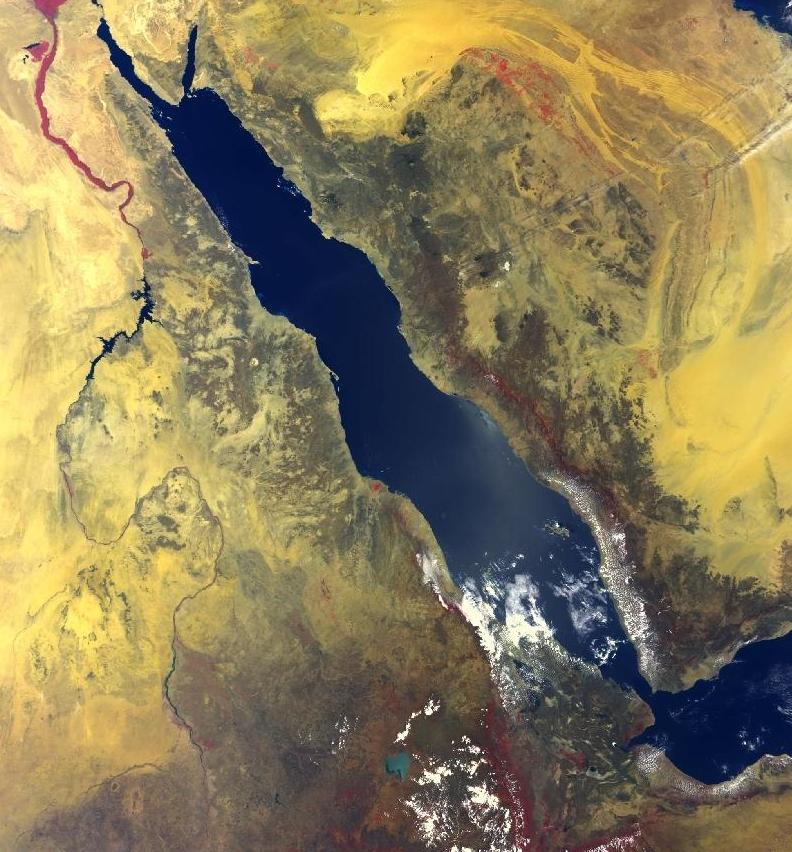
The incense trade route was an ancient network of major land and sea trading routes linking the Mediterranean world with eastern and southern sources of incense, spices and other luxury goods, stretching from Mediterranean ports across the Levant and Egypt through Northeast Africa and Arabia —through both the sea and the land along the Red Sea— to India and beyond. These routes collectively served as channels for the trading of goods such as Arabian frankincense and myrrh; Indian spices, precious stones, pearls, ebony, silk and fine textiles; and from the Horn of Africa, rare woods, feathers, animal skins, Somali frankincense, gold, and slaves. The incense land trade from South Arabia to the Mediterranean flourished between roughly the 3rd century BC and the 2nd century AD.
The Egyptians had traded in the Red Sea, importing spices, gold and exotic wood from the "Land of Punt" and from Arabia. Indian goods were brought in Arabian and Indian vessels to Aden. Rawlinson identifies the long-debated "ships of Tarshish," as a Tyrian fleet equipped at Ezion-Geber that made several trading voyages to the east bringing back gold, silver, ivory and precious stones. These goods were transshipped at the port of Ophir.
One historian said:
In the ancient period, it would seem that South Arabia and the Horn of Africa were the major suppliers of incense, while in modern times the commercial centre for the trade in gums has been Aden and Oman. Early ritual texts from Egypt show that incense was being brought to the upper Nile by land traders, but perhaps the most spectacular evidence of this trade is provided by the frescos dated to around 1500 BC on the walls of the temple at Thebes commemorating the journey of a fleet that the Queen of Egypt had sent to the Land of Punt. Five ships are depicted in these reliefs, piled high with treasure, and one of them shows thirty-one small incense trees in tubs being carried on board.
The Periplus Maris Erythraei and other Greek texts refer to several coastal sites in Somalia, Southern Arabia and India involved with trade in frankincense, myrrh, cassia, bdellium and a range of gum resins termed duaka and kankamon and mok rotu.
Among the most important trading points of the incense trade route from the Persian Gulf to the Mediterranean Sea was Gerrha in the Persian Gulf, reported by the historian Strabo to have been founded by Babylonian exiles as a Chaldean colony. Gerrha exercised influence over the incense trade routes across Arabia to the Mediterranean and controlled the aromatics trade to Babylon in the 1st century BC. Gerrha was one of the important entry ports for goods shipped from India.
Due to its prominent position in the incense trade, Yemen attracted settlers from the Fertile Crescent. The frankincense and myrrh trees were crucial to the economy of Yemen and were recognized as a source of wealth by its rulers. Recent exploration discovered an ancient trade route through eastern Yemen in the Mahra region.
Assyrian documents indicate that Tiglath-Pileser III advanced through Phoenicia to Gaza. Gaza was eventually sacked and the ruler of Gaza escaped to Egypt but later continued to act as a vassal administrator. The motive behind the attack was to gain control of the South Arabian incense trade which had prospered along the region.
Hub AI
Incense trade route AI simulator
(@Incense trade route_simulator)
Incense trade route
The incense trade route was an ancient network of major land and sea trading routes linking the Mediterranean world with eastern and southern sources of incense, spices and other luxury goods, stretching from Mediterranean ports across the Levant and Egypt through Northeast Africa and Arabia —through both the sea and the land along the Red Sea— to India and beyond. These routes collectively served as channels for the trading of goods such as Arabian frankincense and myrrh; Indian spices, precious stones, pearls, ebony, silk and fine textiles; and from the Horn of Africa, rare woods, feathers, animal skins, Somali frankincense, gold, and slaves. The incense land trade from South Arabia to the Mediterranean flourished between roughly the 3rd century BC and the 2nd century AD.
The Egyptians had traded in the Red Sea, importing spices, gold and exotic wood from the "Land of Punt" and from Arabia. Indian goods were brought in Arabian and Indian vessels to Aden. Rawlinson identifies the long-debated "ships of Tarshish," as a Tyrian fleet equipped at Ezion-Geber that made several trading voyages to the east bringing back gold, silver, ivory and precious stones. These goods were transshipped at the port of Ophir.
One historian said:
In the ancient period, it would seem that South Arabia and the Horn of Africa were the major suppliers of incense, while in modern times the commercial centre for the trade in gums has been Aden and Oman. Early ritual texts from Egypt show that incense was being brought to the upper Nile by land traders, but perhaps the most spectacular evidence of this trade is provided by the frescos dated to around 1500 BC on the walls of the temple at Thebes commemorating the journey of a fleet that the Queen of Egypt had sent to the Land of Punt. Five ships are depicted in these reliefs, piled high with treasure, and one of them shows thirty-one small incense trees in tubs being carried on board.
The Periplus Maris Erythraei and other Greek texts refer to several coastal sites in Somalia, Southern Arabia and India involved with trade in frankincense, myrrh, cassia, bdellium and a range of gum resins termed duaka and kankamon and mok rotu.
Among the most important trading points of the incense trade route from the Persian Gulf to the Mediterranean Sea was Gerrha in the Persian Gulf, reported by the historian Strabo to have been founded by Babylonian exiles as a Chaldean colony. Gerrha exercised influence over the incense trade routes across Arabia to the Mediterranean and controlled the aromatics trade to Babylon in the 1st century BC. Gerrha was one of the important entry ports for goods shipped from India.
Due to its prominent position in the incense trade, Yemen attracted settlers from the Fertile Crescent. The frankincense and myrrh trees were crucial to the economy of Yemen and were recognized as a source of wealth by its rulers. Recent exploration discovered an ancient trade route through eastern Yemen in the Mahra region.
Assyrian documents indicate that Tiglath-Pileser III advanced through Phoenicia to Gaza. Gaza was eventually sacked and the ruler of Gaza escaped to Egypt but later continued to act as a vassal administrator. The motive behind the attack was to gain control of the South Arabian incense trade which had prospered along the region.
Recent media