



Community hub
Recent from talks
Knowledge base stats:
Talk channels stats:
Members stats:
Irish indentured servants
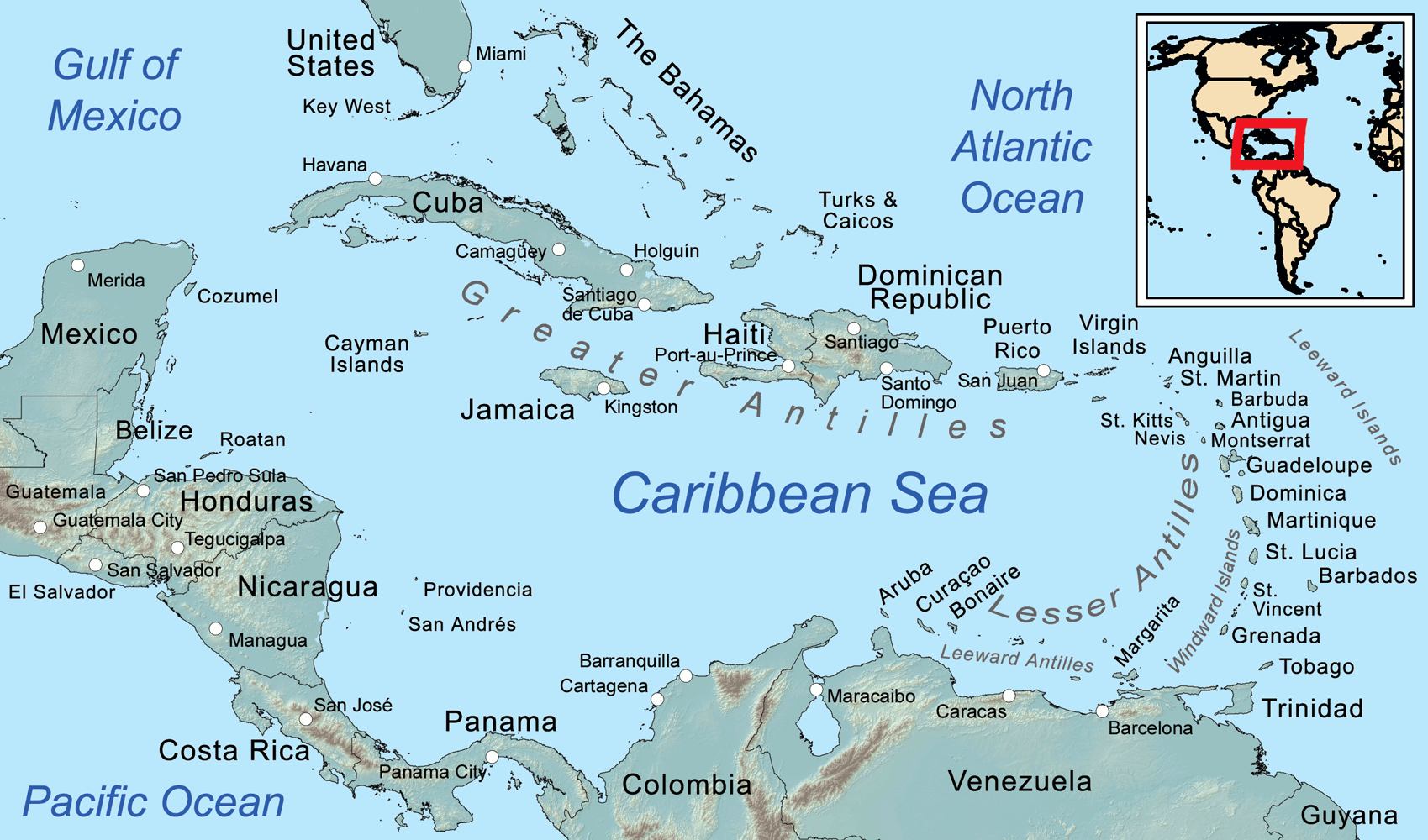
Irish indentured servants were Irish people who became indentured servants in territories under the control of the British Empire, such as the British West Indies (particularly Barbados, Jamaica, Bermuda, Antigua and Barbuda, Saint Kitts and Nevis and other Leeward Islands), British North America and later Australia.
Indentures agreed to provide up to seven years of labor in return for passage to the New World and food, housing, and shelter during their indenture. At the end of this period, their masters were legally required to grant them "freedom dues" in the form of either land or capital. An indentured servant's contract could be extended as punishment for breaking a law, such as running away, or in the case of female servants, becoming pregnant.
Those transported unwillingly were not indentures. They were political prisoners, vagrants, or people who had been defined as "undesirable" by the English state. Penal transportation of Irish people was at its height during the 17th century, during the Cromwellian conquest and settlement of Ireland (1649–1653). During this period, thousands of Irish people were sent to the Caribbean, or "Barbadosed", against their will. Similar practices continued as late as the Victorian period, with Irish political prisoners sent to imperial British penal colonies in Australia. Indentures and transportees have been conflated, though they were different.
Like the movement of other European people to the Americas, Irish migration to the Caribbean and British North America had complex causes. The late sixteenth and early seventeenth century were a time of upheaval in Ireland, while English conquest and colonisation, resultant religious persecution, and crop failures (some as a deliberate result of the Tudor conquest of Ireland) drove many Irish people to seek a better life, or survival, elsewhere. Like their English and Scottish counterparts, Irish people were active participants in the "rush for American colonies" during the early seventeenth century. Most travelled to the New World as indentured servants, but others were merchants and landholders who were key players in a variety of different trade and settlement enterprises.
Many of the Irish laborers who travelled across the Atlantic from the 1620s did so by choice. However, convict labor had been used in English colonies since the early 1600s, and the forceful transportation of "undesirables" from Ireland to the West Indies had begun under Charles I. The practice took place on a much larger scale during the rule of Oliver Cromwell in the years 1649–58. In the ensuing conquest of Ireland, many prisoners were forcibly sent to the Caribbean islands, particularly to Barbados.
Some of the first Irish people to travel to the New World did so as members of the Spanish garrison in Florida during the 1560s, and small numbers of Irish colonists were involved in efforts to establish colonies in the Amazon region, in Newfoundland, and in Virginia between 1604 and the 1630s. According to historian Donald Akenson, there were "few if any" Irish being forcibly transported to the New World during this period. Widespread use of forced transportation by the English state did not take place until the 1650s.
Significant numbers of Irish laborers began traveling to colonies such as Virginia, the Leeward Islands, and Barbados in the 1620s. Between 1627 and 1660, laborers from Ireland and Britain crossed the Atlantic in large numbers, with as many as 60 to 65 percent of seventeenth-century migrants being indentured servants. By 1640, large numbers of Irish settlers were present in the West Indies, making up more than half the population of the region by some estimates. Most were indentured laborers, small farmers, or artisans.
The type of labor being used in American colonies shifted dramatically after 1642, as the Irish Rebellion of 1641, the Irish Confederate Wars, and the Wars of the Three Kingdoms led to a reduction in the number of voluntary migrants, while growing numbers of prisoners of war, political prisoners, felons, and other "undesirables" were sent to labor in the colonies against their will. After the Siege of Drogheda, for example, Cromwell ordered most of the Irish military prisoners who surrendered to be shipped to Barbados. In 1654, the governors of several Irish counties were ordered to arrest "all wanderers, men and women, and such other Irish within their precincts as should not prove they had such a settled course of industry as yielded them a means of their own to maintain them, all such children as were in hospitals or workhouses, all prisoners, men and women, to be transported to the West Indies."
Hub AI
Irish indentured servants AI simulator
(@Irish indentured servants_simulator)
Irish indentured servants
Irish indentured servants were Irish people who became indentured servants in territories under the control of the British Empire, such as the British West Indies (particularly Barbados, Jamaica, Bermuda, Antigua and Barbuda, Saint Kitts and Nevis and other Leeward Islands), British North America and later Australia.
Indentures agreed to provide up to seven years of labor in return for passage to the New World and food, housing, and shelter during their indenture. At the end of this period, their masters were legally required to grant them "freedom dues" in the form of either land or capital. An indentured servant's contract could be extended as punishment for breaking a law, such as running away, or in the case of female servants, becoming pregnant.
Those transported unwillingly were not indentures. They were political prisoners, vagrants, or people who had been defined as "undesirable" by the English state. Penal transportation of Irish people was at its height during the 17th century, during the Cromwellian conquest and settlement of Ireland (1649–1653). During this period, thousands of Irish people were sent to the Caribbean, or "Barbadosed", against their will. Similar practices continued as late as the Victorian period, with Irish political prisoners sent to imperial British penal colonies in Australia. Indentures and transportees have been conflated, though they were different.
Like the movement of other European people to the Americas, Irish migration to the Caribbean and British North America had complex causes. The late sixteenth and early seventeenth century were a time of upheaval in Ireland, while English conquest and colonisation, resultant religious persecution, and crop failures (some as a deliberate result of the Tudor conquest of Ireland) drove many Irish people to seek a better life, or survival, elsewhere. Like their English and Scottish counterparts, Irish people were active participants in the "rush for American colonies" during the early seventeenth century. Most travelled to the New World as indentured servants, but others were merchants and landholders who were key players in a variety of different trade and settlement enterprises.
Many of the Irish laborers who travelled across the Atlantic from the 1620s did so by choice. However, convict labor had been used in English colonies since the early 1600s, and the forceful transportation of "undesirables" from Ireland to the West Indies had begun under Charles I. The practice took place on a much larger scale during the rule of Oliver Cromwell in the years 1649–58. In the ensuing conquest of Ireland, many prisoners were forcibly sent to the Caribbean islands, particularly to Barbados.
Some of the first Irish people to travel to the New World did so as members of the Spanish garrison in Florida during the 1560s, and small numbers of Irish colonists were involved in efforts to establish colonies in the Amazon region, in Newfoundland, and in Virginia between 1604 and the 1630s. According to historian Donald Akenson, there were "few if any" Irish being forcibly transported to the New World during this period. Widespread use of forced transportation by the English state did not take place until the 1650s.
Significant numbers of Irish laborers began traveling to colonies such as Virginia, the Leeward Islands, and Barbados in the 1620s. Between 1627 and 1660, laborers from Ireland and Britain crossed the Atlantic in large numbers, with as many as 60 to 65 percent of seventeenth-century migrants being indentured servants. By 1640, large numbers of Irish settlers were present in the West Indies, making up more than half the population of the region by some estimates. Most were indentured laborers, small farmers, or artisans.
The type of labor being used in American colonies shifted dramatically after 1642, as the Irish Rebellion of 1641, the Irish Confederate Wars, and the Wars of the Three Kingdoms led to a reduction in the number of voluntary migrants, while growing numbers of prisoners of war, political prisoners, felons, and other "undesirables" were sent to labor in the colonies against their will. After the Siege of Drogheda, for example, Cromwell ordered most of the Irish military prisoners who surrendered to be shipped to Barbados. In 1654, the governors of several Irish counties were ordered to arrest "all wanderers, men and women, and such other Irish within their precincts as should not prove they had such a settled course of industry as yielded them a means of their own to maintain them, all such children as were in hospitals or workhouses, all prisoners, men and women, to be transported to the West Indies."