



Recent from talks
Knowledge base stats:
Talk channels stats:
Members stats:
Islamic world contributions to Medieval Europe
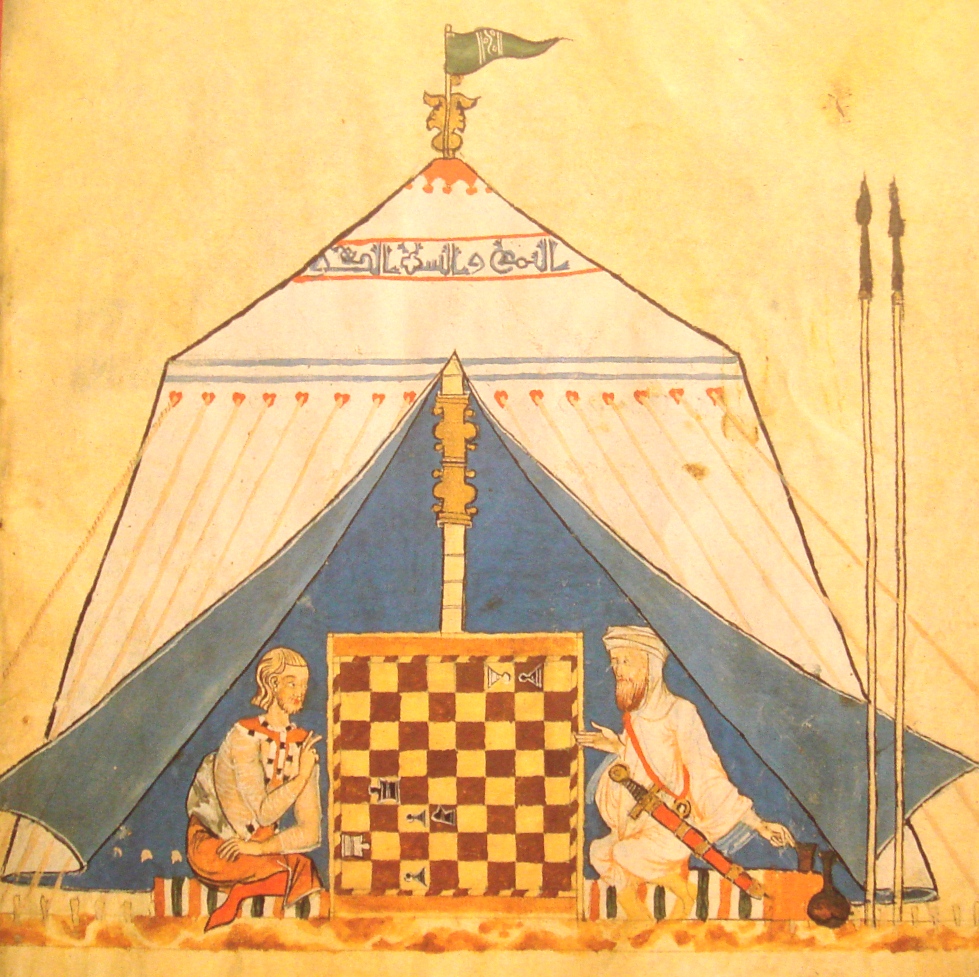
During the High Middle Ages, the Islamic world was an important contributor to the global cultural scene, innovating and supplying information and ideas to Europe, via Al-Andalus, Sicily and the Crusader kingdoms in the Levant. These included Latin translations of the Greek Classics and of Arabic texts in astronomy, mathematics, science, and medicine. Translation of Arabic philosophical texts into Latin "led to the transformation of almost all philosophical disciplines in the medieval Latin world", with a particularly strong influence of Muslim philosophers being felt in natural philosophy, psychology and metaphysics. Other contributions included technological and scientific innovations via the Silk Road, including Chinese inventions such as paper, compass and gunpowder.
The Islamic world also influenced other aspects of medieval European culture, partly by original innovations made during the Islamic Golden Age, including various fields such as the arts, agriculture, alchemy, music, pottery, etc.
Many Arabic loanwords in Western European languages, including English, mostly via Old French, date from this period. This includes traditional star names such as Aldebaran, scientific terms like alchemy (whence also chemistry), algebra, algorithm, etc. and names of commodities such as sugar, camphor, cotton, coffee, etc.
Europe and the Islamic lands had multiple points of contact during the Middle Ages. The main points of transmission of Islamic knowledge to Europe lay in Sicily and in Spain, particularly in Toledo (with Gerard of Cremone, 1114–1187, following the conquest of the city by Spanish Christians in 1085). In Sicily, following the Islamic conquest of the island in 965 and its reconquest by the Normans in 1091, a syncretistic Norman–Arab–Byzantine culture developed, exemplified by rulers such as King Roger II, who had Islamic soldiers, poets and scientists at his court. The Moroccan Muhammad al-Idrisi wrote The Book of Pleasant Journeys into Faraway Lands or Tabula Rogeriana, one of the greatest geographical treatises of the Middle Ages, for Roger.
The Crusades also intensified exchanges between Europe and the Levant, with the Italian maritime republics taking a major role in these exchanges. In the Levant, in such cities as Antioch, Arab and Latin cultures intermixed intensively.
During the 11th and 12th centuries, many Christian scholars traveled to Muslim lands to learn sciences. Notable examples include Leonardo Fibonacci (c. 1170 –c. 1250), Adelard of Bath (c. 1080–c. 1152) and Constantine the African (1017–1087). From the 11th to the 14th centuries, numerous European students attended Muslim centers of higher learning (which the author calls "universities") to study medicine, philosophy, mathematics, cosmography and other subjects.
In the Middle East, many classical Greek texts, especially the works of Aristotle, were translated into Syriac during the 6th and 7th centuries by Nestorian, Melkite or Jacobite monks living in Palestine, or by Greek exiles from Athens or Edessa who visited Islamic centres of higher learning. The Islamic world then kept, translated, and developed many of these texts, especially in centers of learning such as Baghdad, where a "House of Wisdom" with thousands of manuscripts existed as early as 832. These texts were in turn translated into Latin by scholars such as Michael Scot (who made translations of Historia Animalium and On the Soul as well as of Averroes's commentaries) during the Middle Ages. Eastern Christians played an important role in exploiting this knowledge, especially through the Christian Aristotelian School of Baghdad in the 11th and 12th centuries.
Later Latin translations of these texts originated in multiple places. Toledo, Spain (with Gerard of Cremona's Almagest) and Sicily became the main points of transmission of knowledge from the Islamic world to Europe. Burgundio of Pisa (died 1193) discovered lost texts of Aristotle in Antioch and translated them into Latin.
Hub AI
Islamic world contributions to Medieval Europe AI simulator
(@Islamic world contributions to Medieval Europe_simulator)
Islamic world contributions to Medieval Europe
During the High Middle Ages, the Islamic world was an important contributor to the global cultural scene, innovating and supplying information and ideas to Europe, via Al-Andalus, Sicily and the Crusader kingdoms in the Levant. These included Latin translations of the Greek Classics and of Arabic texts in astronomy, mathematics, science, and medicine. Translation of Arabic philosophical texts into Latin "led to the transformation of almost all philosophical disciplines in the medieval Latin world", with a particularly strong influence of Muslim philosophers being felt in natural philosophy, psychology and metaphysics. Other contributions included technological and scientific innovations via the Silk Road, including Chinese inventions such as paper, compass and gunpowder.
The Islamic world also influenced other aspects of medieval European culture, partly by original innovations made during the Islamic Golden Age, including various fields such as the arts, agriculture, alchemy, music, pottery, etc.
Many Arabic loanwords in Western European languages, including English, mostly via Old French, date from this period. This includes traditional star names such as Aldebaran, scientific terms like alchemy (whence also chemistry), algebra, algorithm, etc. and names of commodities such as sugar, camphor, cotton, coffee, etc.
Europe and the Islamic lands had multiple points of contact during the Middle Ages. The main points of transmission of Islamic knowledge to Europe lay in Sicily and in Spain, particularly in Toledo (with Gerard of Cremone, 1114–1187, following the conquest of the city by Spanish Christians in 1085). In Sicily, following the Islamic conquest of the island in 965 and its reconquest by the Normans in 1091, a syncretistic Norman–Arab–Byzantine culture developed, exemplified by rulers such as King Roger II, who had Islamic soldiers, poets and scientists at his court. The Moroccan Muhammad al-Idrisi wrote The Book of Pleasant Journeys into Faraway Lands or Tabula Rogeriana, one of the greatest geographical treatises of the Middle Ages, for Roger.
The Crusades also intensified exchanges between Europe and the Levant, with the Italian maritime republics taking a major role in these exchanges. In the Levant, in such cities as Antioch, Arab and Latin cultures intermixed intensively.
During the 11th and 12th centuries, many Christian scholars traveled to Muslim lands to learn sciences. Notable examples include Leonardo Fibonacci (c. 1170 –c. 1250), Adelard of Bath (c. 1080–c. 1152) and Constantine the African (1017–1087). From the 11th to the 14th centuries, numerous European students attended Muslim centers of higher learning (which the author calls "universities") to study medicine, philosophy, mathematics, cosmography and other subjects.
In the Middle East, many classical Greek texts, especially the works of Aristotle, were translated into Syriac during the 6th and 7th centuries by Nestorian, Melkite or Jacobite monks living in Palestine, or by Greek exiles from Athens or Edessa who visited Islamic centres of higher learning. The Islamic world then kept, translated, and developed many of these texts, especially in centers of learning such as Baghdad, where a "House of Wisdom" with thousands of manuscripts existed as early as 832. These texts were in turn translated into Latin by scholars such as Michael Scot (who made translations of Historia Animalium and On the Soul as well as of Averroes's commentaries) during the Middle Ages. Eastern Christians played an important role in exploiting this knowledge, especially through the Christian Aristotelian School of Baghdad in the 11th and 12th centuries.
Later Latin translations of these texts originated in multiple places. Toledo, Spain (with Gerard of Cremona's Almagest) and Sicily became the main points of transmission of knowledge from the Islamic world to Europe. Burgundio of Pisa (died 1193) discovered lost texts of Aristotle in Antioch and translated them into Latin.