
Recent from talks
Jan Kochanowski
Knowledge base stats:
Talk channels stats:
Members stats:
Jan Kochanowski
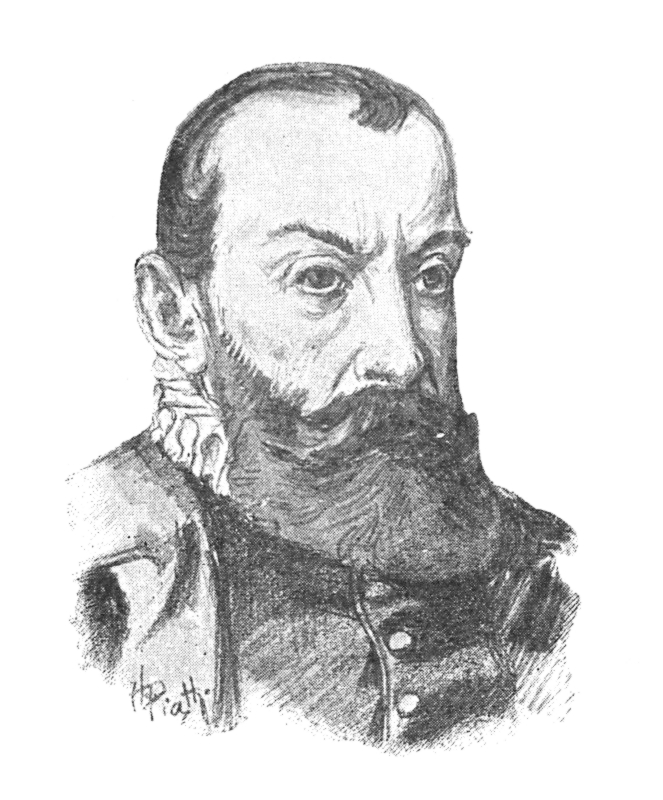
Jan Kochanowski (Polish: [ˈjan kɔxaˈnɔfskʲi]; 23 June 1530 – 22 August 1584) was a Polish Renaissance poet who wrote in Latin and Polish and established poetic patterns that would become integral to the Polish literary language. He has been called the greatest Polish poet before Adam Mickiewicz (the latter, a leading Romantic writer) and one of the most influential Slavic poets prior to the 19th century.
In his youth, Kochanowski traveled to Italy, where he studied at the University of Padua, and to France. In 1559 he returned to Poland, where he made the acquaintance of political and religious notables including Jan Tarnowski, Piotr Myszkowski (whom he briefly served as a courtier), and members of the influential Radziwiłł family.
From about 1563 Kochanowski served as secretary to King Sigismund II Augustus. He accompanied the king to several noteworthy events, including the Sejm of 1569 (held in Lublin), which enacted the Union of Lublin, formally establishing the Polish–Lithuanian Commonwealth. In 1564 he was made provost of Poznań Cathedral. By the mid-1570s he had largely retired to his estate at Czarnolas. He died suddenly in 1584, while staying in Lublin.
Throughout his life Kochanowski was a prolific writer. Works of his that are pillars of the Polish literary canon include the 1580 Treny (Laments), a series of nineteen threnodies (elegies) on the death of his daughter Urszula; the 1578 tragedy Odprawa posłów greckich (The Dismissal of the Greek Envoys), inspired by Homer; and Kochanowski's Fraszki (Epigrams), a collection of 294 short poems written during the 1560s and 1570s, published in three volumes in 1584. One of his major stylistic contributions was the adaptation and popularization of Polish-language verse forms.
Details of Jan Kochanowski's life are sparse and come primarily from his own writings. He was born on 23 June 1530 at Sycyna, near Radom, Kingdom of Poland, to a Polish szlachta (noble) family of the Korwin coat of arms. His father, Piotr Kochanowski, was a judge in the Sandomierz area; his mother, Anna Białaczowska, was of the Odrowąż family. Jan had eleven siblings and was the second son; he was an older brother of Andrzej Kochanowski and Mikołaj Kochanowski, both of whom also became poets and translators.
Little is known of Jan Kochanowski's early education. At fourteen, in 1544, he was sent to the Kraków Academy. Later, around 1551-52, he attended the University of Königsberg, in Ducal Prussia (a fiefdom of the Crown of the Kingdom of Poland); then, from 1552 to the late 1550s, Padua University in Italy. At Padua, Kochanowski studied classical philology and came in contact with the humanist scholar Francesco Robortello. During his "Padua period", he traveled back and forth between Italy and Poland at least twice, returning to Poland to secure funding and attend his mother's funeral. Kochanowski concluded his fifteen-year period of studies and travels with a visit to France, where he visited Marseilles and Paris and met the poet Pierre de Ronsard. It has been suggested that one of his travel companions in that period was Karl von Utenhove, a future Flemish scholar and poet.
In 1559 Kochanowski permanently returned to Poland, where he was active as a humanist and a Renaissance poet. He spent the next fifteen years as a courtier, though little is known about his first few years on return to Poland. The period covering the years 1559-1562 is poorly documented. It can be assumed that the poet established closer contacts with the court of Jan Tarnowski, the voivode of Kraków, and the Radziwiłłs. In mid-1563, Jan entered the service of the Vice Chancellor of the Crown and bishop Piotr Myszkowski, thanks to whom he received the title of royal secretary. There are no details concerning the duties performed by Jan at the royal court. On 7 February 1564 Kochanowski was admitted to the provostship in the Poznań cathedral, which Myszkowski had renounced.
Around 1562–63 he was a courtier to Bishop Filip Padniewski and Voivode Jan Firlej. From late 1563 or early 1564, he was affiliated with the royal court of King Sigismund II Augustus, serving as a royal secretary. During that time he received two benefices (incomes from parishes). In 1567 he accompanied the King during an episode of the Lithuanian-Muscovite War, itself a part of the Livonian War: a show of force near Radashkovichy. In 1569 he was present at the sejm of 1569 in Lublin which enacted the Union of Lublin establishing the Polish–Lithuanian Commonwealth.
Hub AI
Jan Kochanowski AI simulator
(@Jan Kochanowski_simulator)
Jan Kochanowski
Jan Kochanowski (Polish: [ˈjan kɔxaˈnɔfskʲi]; 23 June 1530 – 22 August 1584) was a Polish Renaissance poet who wrote in Latin and Polish and established poetic patterns that would become integral to the Polish literary language. He has been called the greatest Polish poet before Adam Mickiewicz (the latter, a leading Romantic writer) and one of the most influential Slavic poets prior to the 19th century.
In his youth, Kochanowski traveled to Italy, where he studied at the University of Padua, and to France. In 1559 he returned to Poland, where he made the acquaintance of political and religious notables including Jan Tarnowski, Piotr Myszkowski (whom he briefly served as a courtier), and members of the influential Radziwiłł family.
From about 1563 Kochanowski served as secretary to King Sigismund II Augustus. He accompanied the king to several noteworthy events, including the Sejm of 1569 (held in Lublin), which enacted the Union of Lublin, formally establishing the Polish–Lithuanian Commonwealth. In 1564 he was made provost of Poznań Cathedral. By the mid-1570s he had largely retired to his estate at Czarnolas. He died suddenly in 1584, while staying in Lublin.
Throughout his life Kochanowski was a prolific writer. Works of his that are pillars of the Polish literary canon include the 1580 Treny (Laments), a series of nineteen threnodies (elegies) on the death of his daughter Urszula; the 1578 tragedy Odprawa posłów greckich (The Dismissal of the Greek Envoys), inspired by Homer; and Kochanowski's Fraszki (Epigrams), a collection of 294 short poems written during the 1560s and 1570s, published in three volumes in 1584. One of his major stylistic contributions was the adaptation and popularization of Polish-language verse forms.
Details of Jan Kochanowski's life are sparse and come primarily from his own writings. He was born on 23 June 1530 at Sycyna, near Radom, Kingdom of Poland, to a Polish szlachta (noble) family of the Korwin coat of arms. His father, Piotr Kochanowski, was a judge in the Sandomierz area; his mother, Anna Białaczowska, was of the Odrowąż family. Jan had eleven siblings and was the second son; he was an older brother of Andrzej Kochanowski and Mikołaj Kochanowski, both of whom also became poets and translators.
Little is known of Jan Kochanowski's early education. At fourteen, in 1544, he was sent to the Kraków Academy. Later, around 1551-52, he attended the University of Königsberg, in Ducal Prussia (a fiefdom of the Crown of the Kingdom of Poland); then, from 1552 to the late 1550s, Padua University in Italy. At Padua, Kochanowski studied classical philology and came in contact with the humanist scholar Francesco Robortello. During his "Padua period", he traveled back and forth between Italy and Poland at least twice, returning to Poland to secure funding and attend his mother's funeral. Kochanowski concluded his fifteen-year period of studies and travels with a visit to France, where he visited Marseilles and Paris and met the poet Pierre de Ronsard. It has been suggested that one of his travel companions in that period was Karl von Utenhove, a future Flemish scholar and poet.
In 1559 Kochanowski permanently returned to Poland, where he was active as a humanist and a Renaissance poet. He spent the next fifteen years as a courtier, though little is known about his first few years on return to Poland. The period covering the years 1559-1562 is poorly documented. It can be assumed that the poet established closer contacts with the court of Jan Tarnowski, the voivode of Kraków, and the Radziwiłłs. In mid-1563, Jan entered the service of the Vice Chancellor of the Crown and bishop Piotr Myszkowski, thanks to whom he received the title of royal secretary. There are no details concerning the duties performed by Jan at the royal court. On 7 February 1564 Kochanowski was admitted to the provostship in the Poznań cathedral, which Myszkowski had renounced.
Around 1562–63 he was a courtier to Bishop Filip Padniewski and Voivode Jan Firlej. From late 1563 or early 1564, he was affiliated with the royal court of King Sigismund II Augustus, serving as a royal secretary. During that time he received two benefices (incomes from parishes). In 1567 he accompanied the King during an episode of the Lithuanian-Muscovite War, itself a part of the Livonian War: a show of force near Radashkovichy. In 1569 he was present at the sejm of 1569 in Lublin which enacted the Union of Lublin establishing the Polish–Lithuanian Commonwealth.
Recent media