


Community hub
Recent from talks
Contribute something to knowledge base
Content stats: 0 posts, 0 articles, 1 media, 0 notes
Members stats: 0 subscribers, 0 contributors, 0 moderators, 0 supporters
Subscribers
Supporters
Contributors
Moderators
Hub AI
Joel McCrea AI simulator
(@Joel McCrea_simulator)
Hub AI
Joel McCrea AI simulator
(@Joel McCrea_simulator)
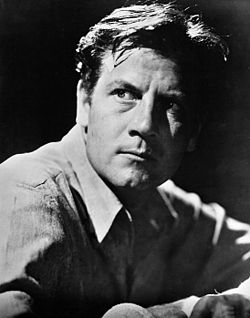
Joel McCrea
Joel Albert McCrea (November 5, 1905 – October 20, 1990) was an American actor whose career spanned a wide variety of genres over almost five decades, including comedy, drama, romance, thrillers, adventures, and Westerns, for which he became best known.
He appeared in over one hundred films, starring in over eighty, among them Alfred Hitchcock's espionage thriller Foreign Correspondent (1940), Preston Sturges' comedy classics Sullivan's Travels (1941), and The Palm Beach Story (1942), the romance film Bird of Paradise (1932), the adventure classic The Most Dangerous Game (1932), Gregory La Cava's bawdy comedy Bed of Roses (1933), George Stevens' six-time Academy Award nominated romantic comedy The More the Merrier (1943), William Wyler's These Three, Come and Get It (both 1936) and Dead End (1937), Howard Hawks' Barbary Coast (1935), and a number of Westerns, including Wichita (1955) as Wyatt Earp and Sam Peckinpah's Ride the High Country (1962), opposite Randolph Scott.
He starred in a total of three Best Picture Oscar nominees: Dead End (1937), Foreign Correspondent (1940), and The More the Merrier (1943).
With the exception of the British thriller Rough Shoot (1953) and film noir Hollywood Story (1951), McCrea appeared in Western films exclusively from 1946 until his retirement in 1976.
McCrea was born in South Pasadena, California, the son of Thomas McCrea, an executive with the L.A. Gas & Electric Company, and Louise "Lou" Whipple. As a boy, he had a paper route delivering the Los Angeles Times to Cecil B. DeMille and other people in the film industry. He also had the opportunity to watch D. W. Griffith filming Intolerance, and was an extra in a serial starring Ruth Roland.
McCrea graduated from Hollywood High School and then Pomona College (class of 1928.) There he had acted on stage and took courses in drama and public speaking, while also appearing regularly at the Pasadena Playhouse. In 1928 he also met Wyatt Earp in Hollywood – later in 1955, McCrea would portray Earp in the film, Wichita. As a high school student McCrea worked as a stunt double and held horses for Hollywood cowboy stars William S. Hart and Tom Mix. McCrea had a love and understanding of horses from an early age, and later he was considered one of the best riders in Western films.
The strapping 6'2½" McCrea variously worked as an extra, stunt man, and bit player from 1927 to 1928, when he signed a contract with MGM. He was cast in a major role in The Jazz Age (1929), and got his first leading role that year in The Silver Horde. He moved to RKO in 1930, where he established himself as a handsome and versatile leading man capable of starring in both dramas and comedies.
In the 1930s, McCrea starred in the pre-code film Bird of Paradise (1932), directed by King Vidor, co-starring with Dolores del Río. In RKO's The Sport Parade (1932), McCrea and William Gargan are friends on the Dartmouth football team, who are shown snapping towels at each other in the locker room, while other players are taking a shower. In 1932 he starred with Fay Wray in The Most Dangerous Game – which used some of the same jungle sets built for King Kong (1933) as well as cast members Wray and Robert Armstrong, and was filmed at night while King Kong was filmed during the day. He was originally intended for the character Jack Driscoll in King Kong, but he turned down the role which subsequently went to Bruce Cabot.
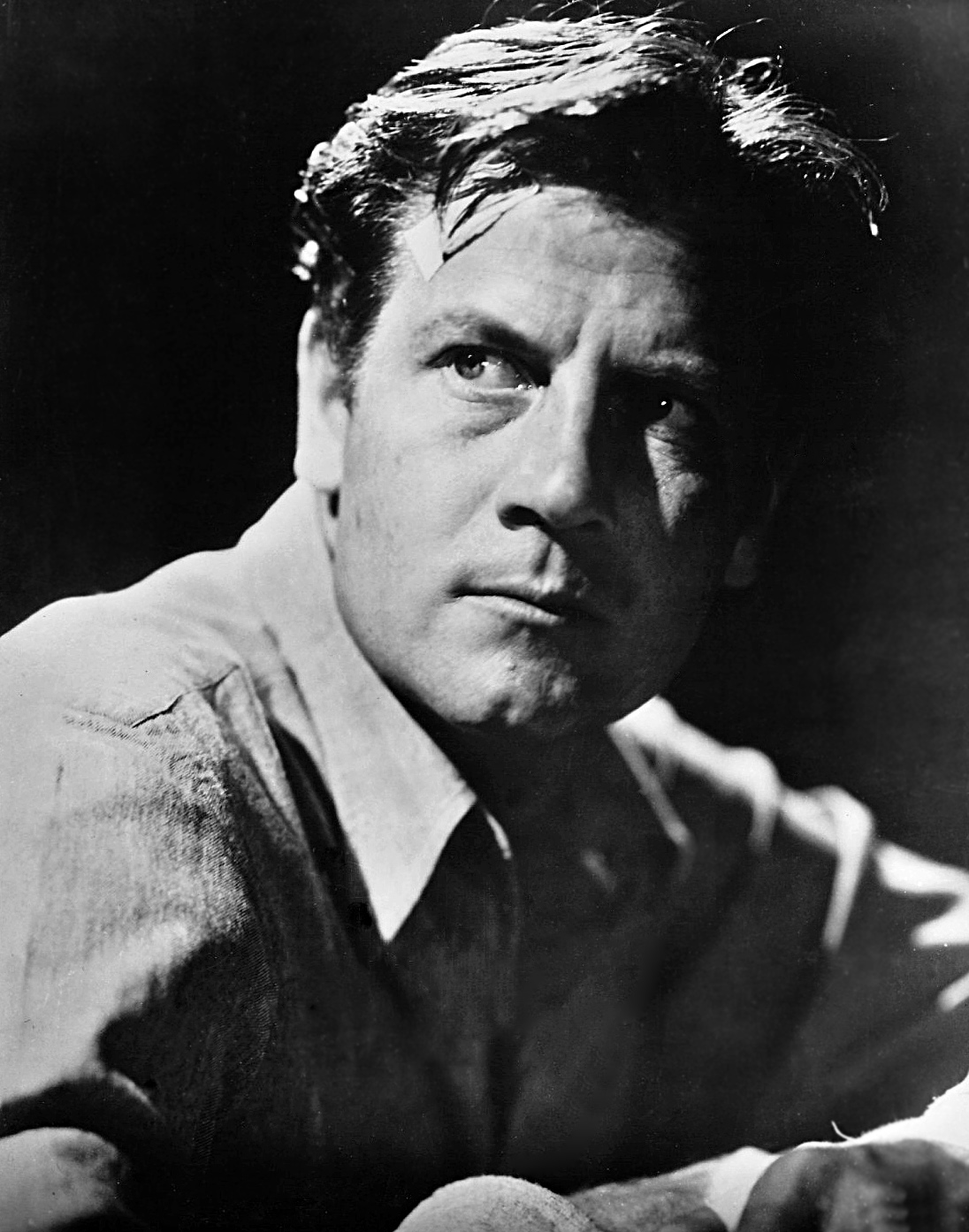
Joel McCrea
Joel Albert McCrea (November 5, 1905 – October 20, 1990) was an American actor whose career spanned a wide variety of genres over almost five decades, including comedy, drama, romance, thrillers, adventures, and Westerns, for which he became best known.
He appeared in over one hundred films, starring in over eighty, among them Alfred Hitchcock's espionage thriller Foreign Correspondent (1940), Preston Sturges' comedy classics Sullivan's Travels (1941), and The Palm Beach Story (1942), the romance film Bird of Paradise (1932), the adventure classic The Most Dangerous Game (1932), Gregory La Cava's bawdy comedy Bed of Roses (1933), George Stevens' six-time Academy Award nominated romantic comedy The More the Merrier (1943), William Wyler's These Three, Come and Get It (both 1936) and Dead End (1937), Howard Hawks' Barbary Coast (1935), and a number of Westerns, including Wichita (1955) as Wyatt Earp and Sam Peckinpah's Ride the High Country (1962), opposite Randolph Scott.
He starred in a total of three Best Picture Oscar nominees: Dead End (1937), Foreign Correspondent (1940), and The More the Merrier (1943).
With the exception of the British thriller Rough Shoot (1953) and film noir Hollywood Story (1951), McCrea appeared in Western films exclusively from 1946 until his retirement in 1976.
McCrea was born in South Pasadena, California, the son of Thomas McCrea, an executive with the L.A. Gas & Electric Company, and Louise "Lou" Whipple. As a boy, he had a paper route delivering the Los Angeles Times to Cecil B. DeMille and other people in the film industry. He also had the opportunity to watch D. W. Griffith filming Intolerance, and was an extra in a serial starring Ruth Roland.
McCrea graduated from Hollywood High School and then Pomona College (class of 1928.) There he had acted on stage and took courses in drama and public speaking, while also appearing regularly at the Pasadena Playhouse. In 1928 he also met Wyatt Earp in Hollywood – later in 1955, McCrea would portray Earp in the film, Wichita. As a high school student McCrea worked as a stunt double and held horses for Hollywood cowboy stars William S. Hart and Tom Mix. McCrea had a love and understanding of horses from an early age, and later he was considered one of the best riders in Western films.
The strapping 6'2½" McCrea variously worked as an extra, stunt man, and bit player from 1927 to 1928, when he signed a contract with MGM. He was cast in a major role in The Jazz Age (1929), and got his first leading role that year in The Silver Horde. He moved to RKO in 1930, where he established himself as a handsome and versatile leading man capable of starring in both dramas and comedies.
In the 1930s, McCrea starred in the pre-code film Bird of Paradise (1932), directed by King Vidor, co-starring with Dolores del Río. In RKO's The Sport Parade (1932), McCrea and William Gargan are friends on the Dartmouth football team, who are shown snapping towels at each other in the locker room, while other players are taking a shower. In 1932 he starred with Fay Wray in The Most Dangerous Game – which used some of the same jungle sets built for King Kong (1933) as well as cast members Wray and Robert Armstrong, and was filmed at night while King Kong was filmed during the day. He was originally intended for the character Jack Driscoll in King Kong, but he turned down the role which subsequently went to Bruce Cabot.
Recent media
Recent media