
Recent from talks
William Wyler
Knowledge base stats:
Talk channels stats:
Members stats:
William Wyler
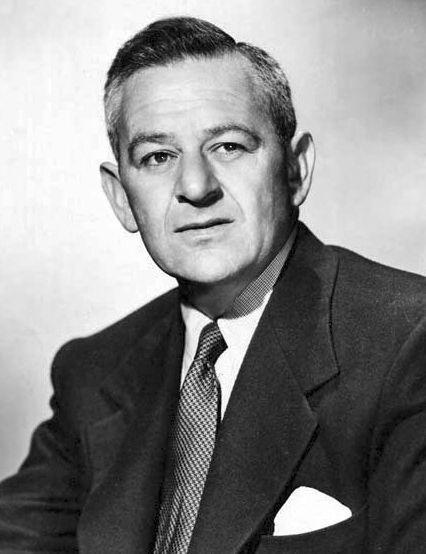
William Wyler (/ˈwaɪlər/; born Willi Wyler (German: [ˈvɪli ˈvi:lɐ]); July 1, 1902 – July 27, 1981) was a German-born American film director and producer. Known for his work in numerous genres over five decades, he received numerous awards and accolades, including three Academy Awards. He holds the record of twelve nominations for the Academy Award for Best Director. For his oeuvre of work, Wyler was awarded the Irving G. Thalberg Memorial Award, the Directors Guild of America Lifetime Achievement Award, and the American Film Institute Life Achievement Award.
Wyler emigrated to the United States in 1921 where he worked first for Universal Studios in New York before moving to Los Angeles. By 1925, he was the youngest director at Universal, and in 1929 he directed Hell's Heroes, Universal's first sound production filmed entirely on location. Wyler went on to win the Academy Award for Best Director three times, for Mrs. Miniver (1942), The Best Years of Our Lives (1946), and Ben-Hur (1959), all of which also won for Best Picture. He was Oscar-nominated for Dodsworth (1936), Wuthering Heights (1939), The Letter (1940), The Little Foxes (1941), The Heiress (1949), Detective Story (1952), Roman Holiday (1953), Friendly Persuasion (1956), and The Collector (1965).
Film historian Ian Freer calls Wyler a "bona fide perfectionist", whose penchant for retakes and an attempt to hone every last nuance "became the stuff of legend." His ability to direct a string of classic literary adaptations into huge box-office and critical successes made him one of "Hollywood's most bankable moviemakers" from the 1930s to the 1960s. Through his talent for staging, editing, and camera movement, he turned dynamic theatrical spaces into cinematic ones. Wyler is also known for his work as an actors' director, often propelling them to stardom.
Wyler was born to a Jewish family in Mulhouse, Alsace-Lorraine (then part of the German Empire, now France). His Swiss-born father Leopold started as a traveling salesman but later became a thriving haberdasher in Mulhouse. His mother, Melanie (née Auerbach; died February 13, 1955, Los Angeles, aged 77), was German-born, and a cousin of Carl Laemmle, founder of Universal Pictures. During Wyler's childhood, he attended a number of schools and developed a reputation as "something of a hellraiser", being expelled more than once for misbehavior. His mother often took him and his older brother Robert to concerts, opera, and the theatre, as well as the early cinema. Sometimes at home his family and their friends would stage amateur theatricals for personal enjoyment.
Wyler was supposed to inherit the family haberdashery business in Mulhouse. After World War I and the ceding of Alsace-Lorraine to France, he spent a dismal year working in Paris at 100.000 Chemises selling shirts and ties. He was so poor that he often spent his time wandering around the Pigalle district. After realizing that Willy was not interested in the haberdashery business, his mother, Melanie, contacted her distant cousin, Carl Laemmle, who owned Universal Studios, about opportunities for him.
Laemmle was in the habit of coming to Europe each year, searching for promising young men who would work in the United States. In 1921, Wyler, while traveling as a Swiss citizen (his father's status automatically conferred Swiss citizenship on his sons), met Laemmle who hired him to work at Universal Studios in New York. As Wyler said: "America seemed as far away as the moon." Booked onto a ship to New York with Laemmle for his return voyage, Wyler met a young Czech man, Paul Kohner (later the famous independent agent), aboard the same ship. Their enjoyment of the first class trip was short-lived, however, as they found they had to repay the cost of the passage out of their $25 weekly income as messengers to Universal Pictures. After working in New York for several years, and even serving in the New York Army National Guard for a year, Wyler moved to Hollywood to become a director.
Around 1923, Wyler arrived in Los Angeles and began work on the Universal Studios lot in the swing gang, cleaning the stages and moving the sets. His break came when he was hired as a second assistant editor. But his work ethic was uneven, and he would often sneak off and play billiards in a pool hall across the street from the studio, or organize card games during working hours. After some ups and downs (including getting fired), Wyler put all his efforts into becoming a director. He started as a third assistant director and by 1925 he became the youngest director on the Universal lot directing the westerns that Universal was famed for turning out. Wyler was so engrossed in his work that he would dream about "different ways (for an actor) to get on a horse". In several of the one-reelers, he would join the posse in the inevitable chase of the 'bad man'.
He directed his first non-Western, the lost Anybody Here Seen Kelly?, in 1928. This was followed by his first part-talkie films, The Shakedown and The Love Trap. He proved himself an able craftsman. In 1928 he became a naturalized United States citizen. His first all-talking film, and Universal's first sound production to be filmed entirely on location, was Hell's Heroes, filmed in the Mojave Desert in 1929.
Hub AI
William Wyler AI simulator
(@William Wyler_simulator)
William Wyler
William Wyler (/ˈwaɪlər/; born Willi Wyler (German: [ˈvɪli ˈvi:lɐ]); July 1, 1902 – July 27, 1981) was a German-born American film director and producer. Known for his work in numerous genres over five decades, he received numerous awards and accolades, including three Academy Awards. He holds the record of twelve nominations for the Academy Award for Best Director. For his oeuvre of work, Wyler was awarded the Irving G. Thalberg Memorial Award, the Directors Guild of America Lifetime Achievement Award, and the American Film Institute Life Achievement Award.
Wyler emigrated to the United States in 1921 where he worked first for Universal Studios in New York before moving to Los Angeles. By 1925, he was the youngest director at Universal, and in 1929 he directed Hell's Heroes, Universal's first sound production filmed entirely on location. Wyler went on to win the Academy Award for Best Director three times, for Mrs. Miniver (1942), The Best Years of Our Lives (1946), and Ben-Hur (1959), all of which also won for Best Picture. He was Oscar-nominated for Dodsworth (1936), Wuthering Heights (1939), The Letter (1940), The Little Foxes (1941), The Heiress (1949), Detective Story (1952), Roman Holiday (1953), Friendly Persuasion (1956), and The Collector (1965).
Film historian Ian Freer calls Wyler a "bona fide perfectionist", whose penchant for retakes and an attempt to hone every last nuance "became the stuff of legend." His ability to direct a string of classic literary adaptations into huge box-office and critical successes made him one of "Hollywood's most bankable moviemakers" from the 1930s to the 1960s. Through his talent for staging, editing, and camera movement, he turned dynamic theatrical spaces into cinematic ones. Wyler is also known for his work as an actors' director, often propelling them to stardom.
Wyler was born to a Jewish family in Mulhouse, Alsace-Lorraine (then part of the German Empire, now France). His Swiss-born father Leopold started as a traveling salesman but later became a thriving haberdasher in Mulhouse. His mother, Melanie (née Auerbach; died February 13, 1955, Los Angeles, aged 77), was German-born, and a cousin of Carl Laemmle, founder of Universal Pictures. During Wyler's childhood, he attended a number of schools and developed a reputation as "something of a hellraiser", being expelled more than once for misbehavior. His mother often took him and his older brother Robert to concerts, opera, and the theatre, as well as the early cinema. Sometimes at home his family and their friends would stage amateur theatricals for personal enjoyment.
Wyler was supposed to inherit the family haberdashery business in Mulhouse. After World War I and the ceding of Alsace-Lorraine to France, he spent a dismal year working in Paris at 100.000 Chemises selling shirts and ties. He was so poor that he often spent his time wandering around the Pigalle district. After realizing that Willy was not interested in the haberdashery business, his mother, Melanie, contacted her distant cousin, Carl Laemmle, who owned Universal Studios, about opportunities for him.
Laemmle was in the habit of coming to Europe each year, searching for promising young men who would work in the United States. In 1921, Wyler, while traveling as a Swiss citizen (his father's status automatically conferred Swiss citizenship on his sons), met Laemmle who hired him to work at Universal Studios in New York. As Wyler said: "America seemed as far away as the moon." Booked onto a ship to New York with Laemmle for his return voyage, Wyler met a young Czech man, Paul Kohner (later the famous independent agent), aboard the same ship. Their enjoyment of the first class trip was short-lived, however, as they found they had to repay the cost of the passage out of their $25 weekly income as messengers to Universal Pictures. After working in New York for several years, and even serving in the New York Army National Guard for a year, Wyler moved to Hollywood to become a director.
Around 1923, Wyler arrived in Los Angeles and began work on the Universal Studios lot in the swing gang, cleaning the stages and moving the sets. His break came when he was hired as a second assistant editor. But his work ethic was uneven, and he would often sneak off and play billiards in a pool hall across the street from the studio, or organize card games during working hours. After some ups and downs (including getting fired), Wyler put all his efforts into becoming a director. He started as a third assistant director and by 1925 he became the youngest director on the Universal lot directing the westerns that Universal was famed for turning out. Wyler was so engrossed in his work that he would dream about "different ways (for an actor) to get on a horse". In several of the one-reelers, he would join the posse in the inevitable chase of the 'bad man'.
He directed his first non-Western, the lost Anybody Here Seen Kelly?, in 1928. This was followed by his first part-talkie films, The Shakedown and The Love Trap. He proved himself an able craftsman. In 1928 he became a naturalized United States citizen. His first all-talking film, and Universal's first sound production to be filmed entirely on location, was Hell's Heroes, filmed in the Mojave Desert in 1929.
Recent media