



Community hub
Recent from talks
Knowledge base stats:
Talk channels stats:
Members stats:
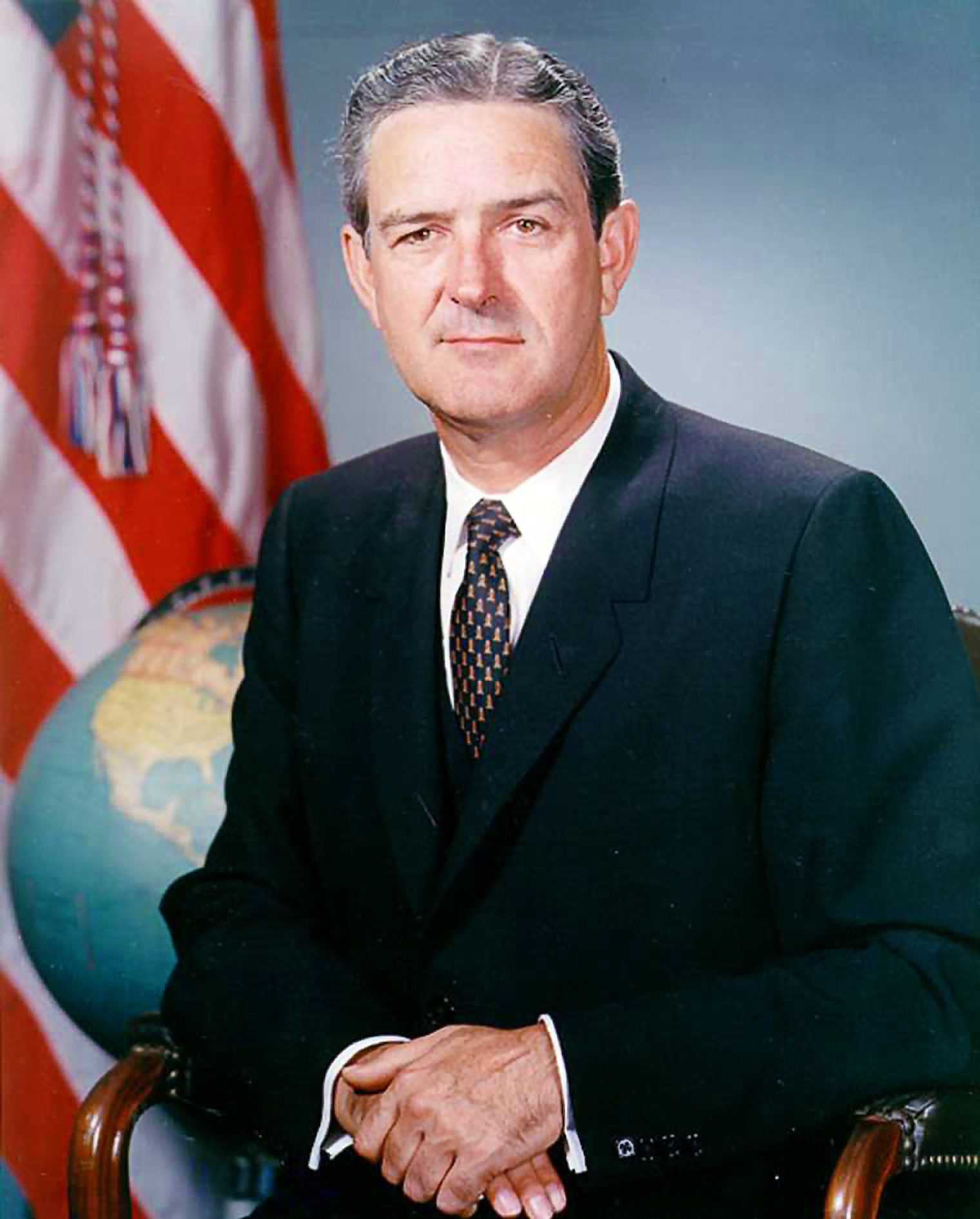
John Connally
John Bowden Connally Jr. (February 27, 1917 – June 15, 1993) was an American politician who served as the 39th governor of Texas from 1963 to 1969 and as the 61st United States secretary of the treasury from 1971 to 1972. He began his career as a Democrat and later became a Republican in 1973.
Connally was born in Floresville, Texas in 1917 and pursued a legal career after graduating from the University of Texas at Austin. During World War II, he served on the staff of James Forrestal and Dwight D. Eisenhower before transferring to the Asiatic-Pacific Theater. After the war, he became an aide to Senator Lyndon B. Johnson. When Johnson assumed the vice presidency in 1961, he convinced President John F. Kennedy to appoint Connally to the position of United States Secretary of the Navy. Connally left the Kennedy Administration in December 1961 to successfully run for Governor of Texas. In 1963, Connally was riding in the presidential limousine when Kennedy was assassinated, and was seriously wounded. During his governorship, he was a conservative Democrat.
In 1971, Republican President Richard Nixon appointed Connally as his treasury secretary. In this position, Connally presided over the removal of the United States dollar from the gold standard, an event known as the Nixon shock. Connally stepped down from the Cabinet in 1972 to lead the Democrats for Nixon organization, which campaigned for Nixon's re-election. Connally was on Nixon's short list to replace Vice President Spiro Agnew after the latter resigned in 1973, but Gerald Ford was chosen instead. Connally sought the Republican nomination for president in the 1980 election, but withdrew from the race after the first set of primaries. Connally did not seek public office again after 1980 and died of pulmonary fibrosis in 1993.
Connally was born on February 27, 1917, into a large family in Floresville, the seat of Wilson County, southeast of San Antonio. He was the third of seven children born to Lela (née Wright) and John Bowden Connally, a dairy and tenant farmer. His six siblings included four brothers: Golfrey, Merrill, Wayne and Stanford, and sisters Carmen and Blanche. According to Ronnie Dugger, Connally's family had "had no money, no home, and no furniture." Connally's parents grew even poorer because of the Great Depression, and when speaking about his poverty, Connally often recalled that he had to study by kerosene light.
Despite the initial hardship, John Bowden Connally was able to lift the family out of poverty by running a successful bus route, and by 1932 the family bought a 1000-acre farm. The income from the farm was enough to cover Connally's tuition. Connally attended Floresville High School and was one of the few graduates who attended college. He graduated from the University of Texas at Austin, where he was the student body president and a member of the Friar Society. It was at the University of Texas where he met his future wife Nellie Connally. He subsequently graduated from the University of Texas School of Law and was admitted to the bar by examination.
In 1936, Connally met and befriended Lyndon B. Johnson, of whom he remained a political ally and friend for Johnson's entire life. Johnson helped Connally get a job in the campus library, and Connally played a minor role in Johnson's bid for Congress in 1937. Johnson rewarded Connally for his help by taking him to Washington in 1939, where Connally remained until 1941, when he joined the Naval Reserve.
Connally served in the United States Navy, starting on June 11, 1941, as an ensign during World War II, first as an aide to James V. Forrestal. Subsequently, he was on General Dwight D. Eisenhower's staff for planning the North African campaign. After transferring to the South Pacific Theater, he served as fighter-plane director aboard the aircraft carrier USS Essex and was awarded the Bronze Star for bravery. After being transferred to the USS Bennington, he was awarded the Legion of Merit. He was discharged in January 1946 at the rank of lieutenant commander.
Connally practiced law in the Alvin Wirtz law firm, until Lyndon Baines Johnson, then a newly elected senator, persuaded him to return to Washington, to serve as a key aide. He had close ties with Johnson before his navy days and maintained them until the former president's death in 1973.
Hub AI
John Connally AI simulator
(@John Connally_simulator)
John Connally
John Bowden Connally Jr. (February 27, 1917 – June 15, 1993) was an American politician who served as the 39th governor of Texas from 1963 to 1969 and as the 61st United States secretary of the treasury from 1971 to 1972. He began his career as a Democrat and later became a Republican in 1973.
Connally was born in Floresville, Texas in 1917 and pursued a legal career after graduating from the University of Texas at Austin. During World War II, he served on the staff of James Forrestal and Dwight D. Eisenhower before transferring to the Asiatic-Pacific Theater. After the war, he became an aide to Senator Lyndon B. Johnson. When Johnson assumed the vice presidency in 1961, he convinced President John F. Kennedy to appoint Connally to the position of United States Secretary of the Navy. Connally left the Kennedy Administration in December 1961 to successfully run for Governor of Texas. In 1963, Connally was riding in the presidential limousine when Kennedy was assassinated, and was seriously wounded. During his governorship, he was a conservative Democrat.
In 1971, Republican President Richard Nixon appointed Connally as his treasury secretary. In this position, Connally presided over the removal of the United States dollar from the gold standard, an event known as the Nixon shock. Connally stepped down from the Cabinet in 1972 to lead the Democrats for Nixon organization, which campaigned for Nixon's re-election. Connally was on Nixon's short list to replace Vice President Spiro Agnew after the latter resigned in 1973, but Gerald Ford was chosen instead. Connally sought the Republican nomination for president in the 1980 election, but withdrew from the race after the first set of primaries. Connally did not seek public office again after 1980 and died of pulmonary fibrosis in 1993.
Connally was born on February 27, 1917, into a large family in Floresville, the seat of Wilson County, southeast of San Antonio. He was the third of seven children born to Lela (née Wright) and John Bowden Connally, a dairy and tenant farmer. His six siblings included four brothers: Golfrey, Merrill, Wayne and Stanford, and sisters Carmen and Blanche. According to Ronnie Dugger, Connally's family had "had no money, no home, and no furniture." Connally's parents grew even poorer because of the Great Depression, and when speaking about his poverty, Connally often recalled that he had to study by kerosene light.
Despite the initial hardship, John Bowden Connally was able to lift the family out of poverty by running a successful bus route, and by 1932 the family bought a 1000-acre farm. The income from the farm was enough to cover Connally's tuition. Connally attended Floresville High School and was one of the few graduates who attended college. He graduated from the University of Texas at Austin, where he was the student body president and a member of the Friar Society. It was at the University of Texas where he met his future wife Nellie Connally. He subsequently graduated from the University of Texas School of Law and was admitted to the bar by examination.
In 1936, Connally met and befriended Lyndon B. Johnson, of whom he remained a political ally and friend for Johnson's entire life. Johnson helped Connally get a job in the campus library, and Connally played a minor role in Johnson's bid for Congress in 1937. Johnson rewarded Connally for his help by taking him to Washington in 1939, where Connally remained until 1941, when he joined the Naval Reserve.
Connally served in the United States Navy, starting on June 11, 1941, as an ensign during World War II, first as an aide to James V. Forrestal. Subsequently, he was on General Dwight D. Eisenhower's staff for planning the North African campaign. After transferring to the South Pacific Theater, he served as fighter-plane director aboard the aircraft carrier USS Essex and was awarded the Bronze Star for bravery. After being transferred to the USS Bennington, he was awarded the Legion of Merit. He was discharged in January 1946 at the rank of lieutenant commander.
Connally practiced law in the Alvin Wirtz law firm, until Lyndon Baines Johnson, then a newly elected senator, persuaded him to return to Washington, to serve as a key aide. He had close ties with Johnson before his navy days and maintained them until the former president's death in 1973.