
Recent from talks
John B. Magruder
Knowledge base stats:
Talk channels stats:
Members stats:
John B. Magruder
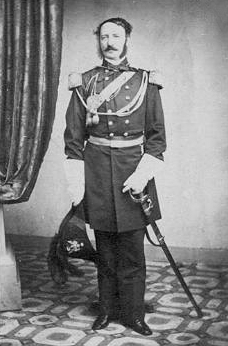
John Bankhead Magruder (May 1, 1807 – February 18, 1871) often referred to as "Prince John Magruder", was an American and Confederate military officer. A graduate of West Point, Magruder served with distinction during the Mexican–American War (1846–1848) and was a prominent Confederate Army general during the American Civil War (1861–1865). As a major general, he received recognition for delaying the advance of Maj. Gen. George B. McClellan's Army of the Potomac, during the 1862 Peninsula Campaign, as well as recapturing Galveston, Texas the following year.
When the Civil War began in 1861, Magruder left the Union Army to accept a commission in the Confederacy. As commander of the Army of the Peninsula, he fortified the Virginia Peninsula and won the Battle of Big Bethel. In the Peninsula Campaign, he stalled McClellan's Army of the Potomac outside Yorktown, allowing Maj. Gen. Joseph E. Johnston to arrive with reinforcements, organize a retreat, and defend the Confederate capital, Richmond. Magruder was criticized for his leadership in battles at Savage's Station and Malvern Hill during the Seven Days Battles. He spent the remainder of the war administering the District of Texas, New Mexico, and Arizona and the Department of Arkansas; in his tenure, Magruder lifted the naval blockade over Galveston and recaptured the city in 1863.
After surrendering the Trans-Mississippi Department in June 1865, Magruder fled to Mexico. He worked in an administrative role under Emperor Maximillian I before returning to the United States in 1867. In 1869, he embarked on a lecture tour, speaking on the Mexican monarchy. Magruder died in Houston in 1871.
John Bankhead Magruder was born in Port Royal, Virginia, on May 1, 1807 He was the fifth child of ten, eight of whom lived past infancy. Magruder's father Thomas was from a family of Scottish plantation owners; on June 22, 1797, he married Elizabeth Bankhead, the eldest daughter of "noted millers" in Albemarle County. Thomas Magruder was an attorney and practiced in the Chancery Court of Fredericksburg, but he was negligent in his duties and a constant debtor. By 1820, he lost ownership of all his slaves, and his homestead was sold at public auction five years later. Thomas was eventually reduced to living on Elizabeth's property in Aberfoyle with his daughter Isabella, while his wife lived with their son Allan in Albemarle County.
John Magruder was not interested in the law but loved the idea of soldiering. His uncle James Bankhead, a military officer during the War of 1812, is assumed to have instilled in Magruder a fascination with combat, in large part because of the war stories that he and Colonel James Bankhead – Magruder's American Revolutionary War veteran grandfather – told. In 1825, on letters of recommendation from his father, uncle, and Virginian congressman Robert S. Garnett, Magruder was notified of his appointment to West Point where he was to report a year later. He spent one semester at the University of Virginia in the interim.
At West Point, Magruder was a hyperactive and ambitious cadet who was often at odds with superintendent Sylvanus Thayer's regulations. His closest friends were William N. Pendleton and Alexander J. Swift; the former was later a Confederate officer and the latter distinguished himself as top of Magruder's class. He graduated in 1830, fifteenth in his class of 42 cadets, and was commissioned as a brevet second lieutenant in the 7th Infantry Regiment.
Magruder spent most of his furlough in the company of 20 year-old Henrietta von Kapff (March 27, 1810 – January 1, 1884), the wealthy daughter of businessman Johann von Kapff. The couple soon began a romance and married on May 18, 1831. They had three children; Isabella (1833 – July 20, 1869); Katherine Elizabeth (1836 – April 26, 1896); and Henry R. (1841 – January 31, 1907).
His family occasionally traveled with Magruder during his various assignments but, because of the unfavorable conditions in the various remote locales, Henrietta found it more practical to live in Baltimore where she could raise their children and stay close to her business interests. Thereafter, Magruder infrequently spent time with his family; he last saw them as he tended to Isabella during an illness that led to her death in 1869. Despite his absences, close family friends noted that Henrietta remained "in love with [her husband] to an uncommon degree".
Hub AI
John B. Magruder AI simulator
(@John B. Magruder_simulator)
John B. Magruder
John Bankhead Magruder (May 1, 1807 – February 18, 1871) often referred to as "Prince John Magruder", was an American and Confederate military officer. A graduate of West Point, Magruder served with distinction during the Mexican–American War (1846–1848) and was a prominent Confederate Army general during the American Civil War (1861–1865). As a major general, he received recognition for delaying the advance of Maj. Gen. George B. McClellan's Army of the Potomac, during the 1862 Peninsula Campaign, as well as recapturing Galveston, Texas the following year.
When the Civil War began in 1861, Magruder left the Union Army to accept a commission in the Confederacy. As commander of the Army of the Peninsula, he fortified the Virginia Peninsula and won the Battle of Big Bethel. In the Peninsula Campaign, he stalled McClellan's Army of the Potomac outside Yorktown, allowing Maj. Gen. Joseph E. Johnston to arrive with reinforcements, organize a retreat, and defend the Confederate capital, Richmond. Magruder was criticized for his leadership in battles at Savage's Station and Malvern Hill during the Seven Days Battles. He spent the remainder of the war administering the District of Texas, New Mexico, and Arizona and the Department of Arkansas; in his tenure, Magruder lifted the naval blockade over Galveston and recaptured the city in 1863.
After surrendering the Trans-Mississippi Department in June 1865, Magruder fled to Mexico. He worked in an administrative role under Emperor Maximillian I before returning to the United States in 1867. In 1869, he embarked on a lecture tour, speaking on the Mexican monarchy. Magruder died in Houston in 1871.
John Bankhead Magruder was born in Port Royal, Virginia, on May 1, 1807 He was the fifth child of ten, eight of whom lived past infancy. Magruder's father Thomas was from a family of Scottish plantation owners; on June 22, 1797, he married Elizabeth Bankhead, the eldest daughter of "noted millers" in Albemarle County. Thomas Magruder was an attorney and practiced in the Chancery Court of Fredericksburg, but he was negligent in his duties and a constant debtor. By 1820, he lost ownership of all his slaves, and his homestead was sold at public auction five years later. Thomas was eventually reduced to living on Elizabeth's property in Aberfoyle with his daughter Isabella, while his wife lived with their son Allan in Albemarle County.
John Magruder was not interested in the law but loved the idea of soldiering. His uncle James Bankhead, a military officer during the War of 1812, is assumed to have instilled in Magruder a fascination with combat, in large part because of the war stories that he and Colonel James Bankhead – Magruder's American Revolutionary War veteran grandfather – told. In 1825, on letters of recommendation from his father, uncle, and Virginian congressman Robert S. Garnett, Magruder was notified of his appointment to West Point where he was to report a year later. He spent one semester at the University of Virginia in the interim.
At West Point, Magruder was a hyperactive and ambitious cadet who was often at odds with superintendent Sylvanus Thayer's regulations. His closest friends were William N. Pendleton and Alexander J. Swift; the former was later a Confederate officer and the latter distinguished himself as top of Magruder's class. He graduated in 1830, fifteenth in his class of 42 cadets, and was commissioned as a brevet second lieutenant in the 7th Infantry Regiment.
Magruder spent most of his furlough in the company of 20 year-old Henrietta von Kapff (March 27, 1810 – January 1, 1884), the wealthy daughter of businessman Johann von Kapff. The couple soon began a romance and married on May 18, 1831. They had three children; Isabella (1833 – July 20, 1869); Katherine Elizabeth (1836 – April 26, 1896); and Henry R. (1841 – January 31, 1907).
His family occasionally traveled with Magruder during his various assignments but, because of the unfavorable conditions in the various remote locales, Henrietta found it more practical to live in Baltimore where she could raise their children and stay close to her business interests. Thereafter, Magruder infrequently spent time with his family; he last saw them as he tended to Isabella during an illness that led to her death in 1869. Despite his absences, close family friends noted that Henrietta remained "in love with [her husband] to an uncommon degree".
Recent media