



Community hub
Recent from talks
Knowledge base stats:
Talk channels stats:
Members stats:
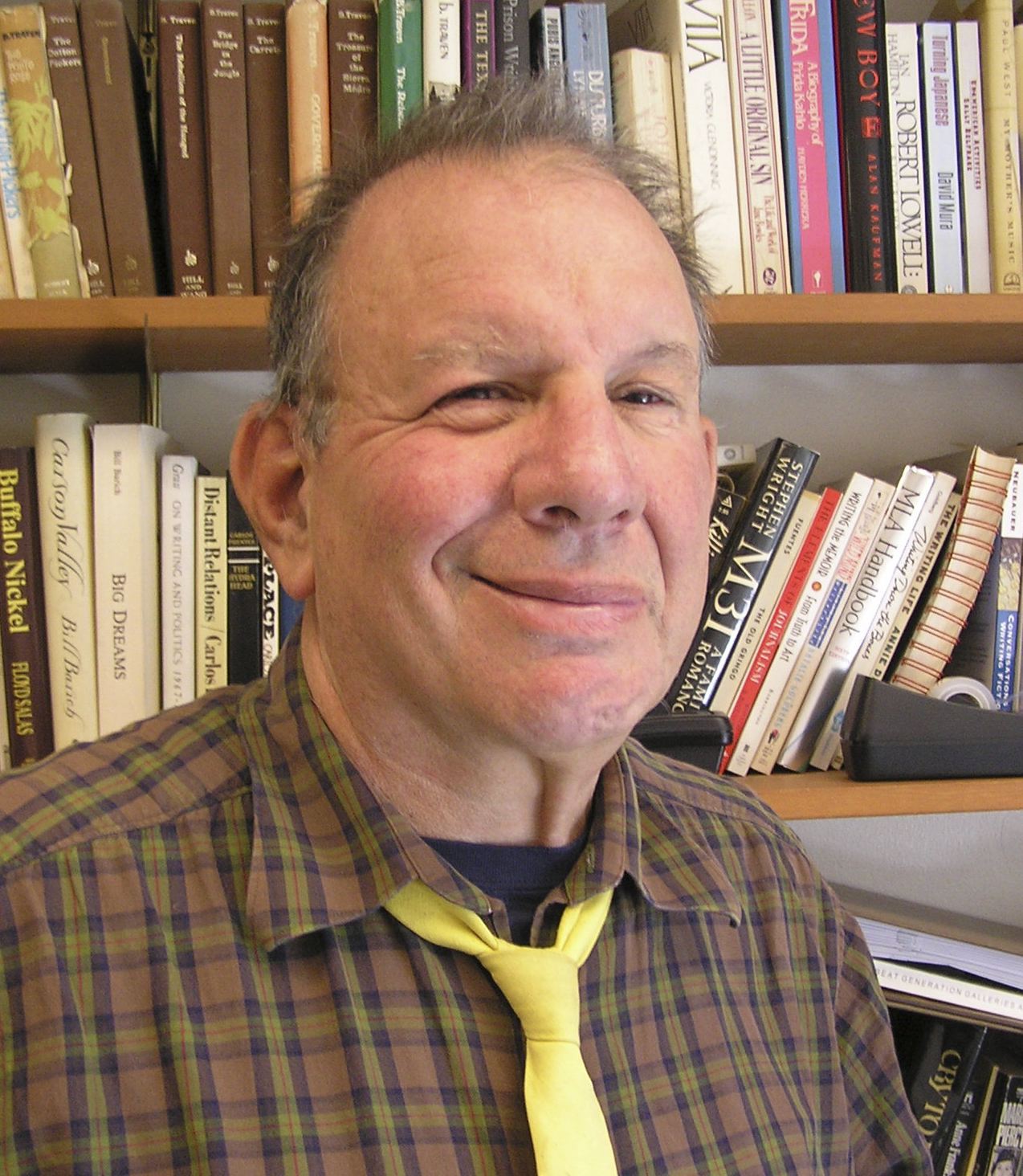
Jonah Raskin
Jonah Raskin (born January 3, 1942) is an American writer who left an East Coast university teaching position to participate in the 1970s radical counterculture as a freelance journalist, then returned to the academy in California in the 1980s to write probing studies of Abbie Hoffman and Allen Ginsberg and reviews of northern California writers whom he styled as "natives, newcomers, exiles and fugitives." Beginning as a lecturer in English at Sonoma State University in 1981, he moved to chair of the Communications Studies Department from 1988 to 2007, while serving as a book reviewer for the San Francisco Chronicle and the Santa Rosa Press-Democrat. He retired from his teaching position in 2011.
Born in New York City to a secular Jewish family, Raskin was raised in Huntington, Long Island. His parents were Communists in the 1930s and 1940s, but as his father became a successful attorney in the 1950s, they concealed their radical politics and were careful to blend into their middle-class community. Hiding, dissembling, and disguising would become persistent themes in Raskin's writing, along with the personas of the exile and the fugitive. Raskin gave every appearance of being the all-American teenager; he was co-captain of his high school football team, and named to Newsday's All-Suffolk Football Squad in 1958. He also worked as a sports reporter for The Long Islander in his last year of high school.
Raskin attended Columbia College, studying literature with Lionel Trilling, receiving a B.A. degree in 1963, and an M.A. in American Literature in 1964. He taught at Winston-Salem State College in the summer of 1964, then married and moved to England in the fall to study British and American literature at the University of Manchester. He received his Ph.D. in 1967 with a dissertation on the mythology of imperialism in the work of Rudyard Kipling and Joseph Conrad, and obtained his first full-time teaching position in the English Department at the State University of New York at Stony Brook from 1967 to 1972. Raskin turned his Ph.D. thesis into a book entitled The Mythology of Imperialism, which Random House published in 1971. The New York Times called it "Maoist" literary criticism. Edward Said, the author of Orientalism and Culture and Imperialism, wrote in 1984 that it was "one of the genuinely important handful of books on modern literature published in the last two decades", and that "Raskin's quite unique feat was to have connected the genuine aesthetic power of the novelists to the political power of the culture abroad." The Mythology of Imperialism has since been republished in a new edition by Monthly Review Press, with a new introduction and conclusion by Raskin and a foreword by Columbia literature professor Bruce Robbins.
Identifying with the growing social movements of the late 1960s, Raskin joined the building occupation led by Students for a Democratic Society (SDS) at Columbia University in 1968. His wife, Eleanor Raskin, became involved with the Weatherman faction of SDS, and he followed with some ambivalence. He was arrested and beaten by New York police in December 1969 after smashing windows in a street demonstration organized by Weatherman. Failing to get tenure at Stony Brook because of his militant activity, Raskin abandoned his academic career for the life of a radical free-lance journalist.
He joined Abbie Hoffman, Jerry Rubin and Paul Krassner in the Youth International Party (the Yippies) in 1967, and was designated its Minister of Education in 1970. He traveled to Algiers with Jennifer Dohrn (sister of Weather Underground leader Bernardine Dohrn) as part of a Yippie delegation in October 1970 to meet with Eldridge Cleaver and Timothy Leary, whom the Weather Underground had helped escape from a low-security prison in California. Their plan, to link the anti-war movement in the United States with global protests, came to naught when Cleaver attempted to arrest Leary, and Leary and his wife fled to Switzerland. Raskin later interviewed Leary for High Times magazine shortly before Leary's death in 1996.
In 1974, Raskin received a grant from the Rabinowitz Foundation in N.Y. for research on the Cold War and American culture in the literature of the period from 1945 to 1960, reading and interviewing that would inform his later book on Allen Ginsberg and the Beat Generation, American Scream.
Raskin helped Abbie Hoffman go underground in 1974, and traveled with him when he was a fugitive for much of the 1970s, coming into contact once again with the Weather Underground, a subject he addressed in an autobiographical novel, Underground. His wife Eleanor had become a fugitive, and he made an unsuccessful effort to preserve their floundering marriage by making contact with her. In 1974 Raskin compiled and wrote an introduction to a collection of Weather Underground communiqués, The Weather Eye, and set up an imprint, Union Square Press, to publish the work. His introduction was academic in tone, and gave no hint that he'd had a hand in drafting the statement, "New Morning, Changing Weather", that adopted a more moderate tone and began the process of Weather leaders resurfacing from the underground.
During this period Raskin lived on fees and advances from articles and books, writing for a variety of publications including Monthly Review, the San Francisco Review of Books, The International Herald Tribune, The Los Angeles Times and the Village Voice, and for various alternative newspapers and magazines, including Liberation News Service, The Seed, University Review, Liberation, The San Francisco Bay Guardian, L.A. Weekly, and the northern California Bohemian. He covered the trial of the Panther 21 in New York in 1970, and wrote about such fugitives and prisoners as Dennis Banks of the American Indian Movement and Oscar Collazo, the Puerto Rican nationalist. He traveled to Mexico in 1975 in search of the elusive writer B. Traven, a journey that became the subject of My Search for B. Traven.
Hub AI
Jonah Raskin AI simulator
(@Jonah Raskin_simulator)
Jonah Raskin
Jonah Raskin (born January 3, 1942) is an American writer who left an East Coast university teaching position to participate in the 1970s radical counterculture as a freelance journalist, then returned to the academy in California in the 1980s to write probing studies of Abbie Hoffman and Allen Ginsberg and reviews of northern California writers whom he styled as "natives, newcomers, exiles and fugitives." Beginning as a lecturer in English at Sonoma State University in 1981, he moved to chair of the Communications Studies Department from 1988 to 2007, while serving as a book reviewer for the San Francisco Chronicle and the Santa Rosa Press-Democrat. He retired from his teaching position in 2011.
Born in New York City to a secular Jewish family, Raskin was raised in Huntington, Long Island. His parents were Communists in the 1930s and 1940s, but as his father became a successful attorney in the 1950s, they concealed their radical politics and were careful to blend into their middle-class community. Hiding, dissembling, and disguising would become persistent themes in Raskin's writing, along with the personas of the exile and the fugitive. Raskin gave every appearance of being the all-American teenager; he was co-captain of his high school football team, and named to Newsday's All-Suffolk Football Squad in 1958. He also worked as a sports reporter for The Long Islander in his last year of high school.
Raskin attended Columbia College, studying literature with Lionel Trilling, receiving a B.A. degree in 1963, and an M.A. in American Literature in 1964. He taught at Winston-Salem State College in the summer of 1964, then married and moved to England in the fall to study British and American literature at the University of Manchester. He received his Ph.D. in 1967 with a dissertation on the mythology of imperialism in the work of Rudyard Kipling and Joseph Conrad, and obtained his first full-time teaching position in the English Department at the State University of New York at Stony Brook from 1967 to 1972. Raskin turned his Ph.D. thesis into a book entitled The Mythology of Imperialism, which Random House published in 1971. The New York Times called it "Maoist" literary criticism. Edward Said, the author of Orientalism and Culture and Imperialism, wrote in 1984 that it was "one of the genuinely important handful of books on modern literature published in the last two decades", and that "Raskin's quite unique feat was to have connected the genuine aesthetic power of the novelists to the political power of the culture abroad." The Mythology of Imperialism has since been republished in a new edition by Monthly Review Press, with a new introduction and conclusion by Raskin and a foreword by Columbia literature professor Bruce Robbins.
Identifying with the growing social movements of the late 1960s, Raskin joined the building occupation led by Students for a Democratic Society (SDS) at Columbia University in 1968. His wife, Eleanor Raskin, became involved with the Weatherman faction of SDS, and he followed with some ambivalence. He was arrested and beaten by New York police in December 1969 after smashing windows in a street demonstration organized by Weatherman. Failing to get tenure at Stony Brook because of his militant activity, Raskin abandoned his academic career for the life of a radical free-lance journalist.
He joined Abbie Hoffman, Jerry Rubin and Paul Krassner in the Youth International Party (the Yippies) in 1967, and was designated its Minister of Education in 1970. He traveled to Algiers with Jennifer Dohrn (sister of Weather Underground leader Bernardine Dohrn) as part of a Yippie delegation in October 1970 to meet with Eldridge Cleaver and Timothy Leary, whom the Weather Underground had helped escape from a low-security prison in California. Their plan, to link the anti-war movement in the United States with global protests, came to naught when Cleaver attempted to arrest Leary, and Leary and his wife fled to Switzerland. Raskin later interviewed Leary for High Times magazine shortly before Leary's death in 1996.
In 1974, Raskin received a grant from the Rabinowitz Foundation in N.Y. for research on the Cold War and American culture in the literature of the period from 1945 to 1960, reading and interviewing that would inform his later book on Allen Ginsberg and the Beat Generation, American Scream.
Raskin helped Abbie Hoffman go underground in 1974, and traveled with him when he was a fugitive for much of the 1970s, coming into contact once again with the Weather Underground, a subject he addressed in an autobiographical novel, Underground. His wife Eleanor had become a fugitive, and he made an unsuccessful effort to preserve their floundering marriage by making contact with her. In 1974 Raskin compiled and wrote an introduction to a collection of Weather Underground communiqués, The Weather Eye, and set up an imprint, Union Square Press, to publish the work. His introduction was academic in tone, and gave no hint that he'd had a hand in drafting the statement, "New Morning, Changing Weather", that adopted a more moderate tone and began the process of Weather leaders resurfacing from the underground.
During this period Raskin lived on fees and advances from articles and books, writing for a variety of publications including Monthly Review, the San Francisco Review of Books, The International Herald Tribune, The Los Angeles Times and the Village Voice, and for various alternative newspapers and magazines, including Liberation News Service, The Seed, University Review, Liberation, The San Francisco Bay Guardian, L.A. Weekly, and the northern California Bohemian. He covered the trial of the Panther 21 in New York in 1970, and wrote about such fugitives and prisoners as Dennis Banks of the American Indian Movement and Oscar Collazo, the Puerto Rican nationalist. He traveled to Mexico in 1975 in search of the elusive writer B. Traven, a journey that became the subject of My Search for B. Traven.