


Community hub
Recent from talks
Contribute something to knowledge base
Content stats: 0 posts, 0 articles, 1 media, 0 notes
Members stats: 0 subscribers, 0 contributors, 0 moderators, 0 supporters
Subscribers
Supporters
Contributors
Moderators
Hub AI
Joseph Plumb Martin AI simulator
(@Joseph Plumb Martin_simulator)
Hub AI
Joseph Plumb Martin AI simulator
(@Joseph Plumb Martin_simulator)
Joseph Plumb Martin
Joseph Plumb Martin (also spelled Joseph Plum Martin; November 21, 1760 – May 2, 1850) was a soldier in the Connecticut Militia and Continental Army during the American Revolutionary War, and was mustered out as a 23-year-old Sergeant in a Sapper company. His published narrative of his experiences, re-discovered in the 1950s, has become a valuable resource for historians in understanding the conditions of a common soldier of that era, as well as the battles in which Martin participated.
Joseph Plumb Martin was born in Becket, Massachusetts on November 21, 1760, to the Reverend Ebenezer Martin and Susannah Plumb. At the age of seven, he was sent to live with his affluent grandparents in Milford, Connecticut. Because his family was well-to-do (his father studied at Yale), Martin was able to receive a well-rounded education, including reading and writing.
When Martin was 15, in 1775, he was eager to join the war effort following the Battles of Lexington and Concord. His grandparents initially opposed the idea, but agreed after Martin vowed to run away and join a naval ship as a privateer if he was not allowed to join. He joined the Connecticut Militia in June 1776 and was assigned duty in the New York City area, then under General George Washington's command, arriving just before the opening of the British Long Island Campaign. His first tour of duty ended in December 1776, and he returned home just prior to the Battles of Trenton and Princeton.
After a restless winter and spring back in Connecticut, the 16-year-old veteran enlisted in the Continental Army on April 22, 1777, signing on for the duration of the American Revolutionary War. He served with the 17th Continental Regiment under the command of General James Varnum.
Martin participated in such notable engagements as the Battle of Brooklyn, the Battle of White Plains, the siege of Fort Mifflin and the Battle of Monmouth. He encamped at Valley Forge, witnessed John Andre being escorted to his execution and was also present during the climactic Siege of Yorktown. He was assigned to the Light Infantry in 1778, attaining the rank of Corporal. In the summer of 1780, under Washington's order to form a Corps of Sappers and Miners, he was recommended by his superior officers to be a non-commissioned officer of this regiment, and in being selected, was promoted to Sergeant. Prior to Yorktown, the corps was responsible for digging the entrenchments for the Continental Army.
During the battle, they were also a vanguard for a regiment commanded by Alexander Hamilton, clearing the field of sharpened logs called abatis so that Hamilton's regiment could capture Redoubt #10.
Martin was discharged from duty in June 1783, a few months before the Continental Army disbanded the following October. He taught in New York State for a year, and eventually settled on Maine's frontier, becoming one of the founders of the town of Prospect, near modern-day Stockton Springs. Over the years, he was known locally for being a farmer, selectman, Justice of the Peace and Town Clerk (the last position being held for over 25 years).
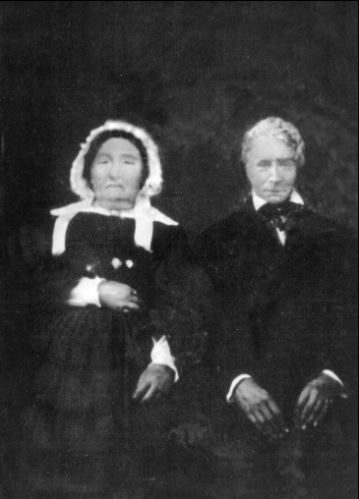
He married Lucy Clewley (born 1776) in 1794 with whom he had five children: Joseph (born 1799), Nathan and Thomas (twins, born 1803), James Sullivan (born 1810), and Susan (born 1812). He also wrote many stories and poems over the years, most famously a narrative of his experiences during the war in 1830, apparently sourced from a journal that he had kept, but that is now lost.
Joseph Plumb Martin
Joseph Plumb Martin (also spelled Joseph Plum Martin; November 21, 1760 – May 2, 1850) was a soldier in the Connecticut Militia and Continental Army during the American Revolutionary War, and was mustered out as a 23-year-old Sergeant in a Sapper company. His published narrative of his experiences, re-discovered in the 1950s, has become a valuable resource for historians in understanding the conditions of a common soldier of that era, as well as the battles in which Martin participated.
Joseph Plumb Martin was born in Becket, Massachusetts on November 21, 1760, to the Reverend Ebenezer Martin and Susannah Plumb. At the age of seven, he was sent to live with his affluent grandparents in Milford, Connecticut. Because his family was well-to-do (his father studied at Yale), Martin was able to receive a well-rounded education, including reading and writing.
When Martin was 15, in 1775, he was eager to join the war effort following the Battles of Lexington and Concord. His grandparents initially opposed the idea, but agreed after Martin vowed to run away and join a naval ship as a privateer if he was not allowed to join. He joined the Connecticut Militia in June 1776 and was assigned duty in the New York City area, then under General George Washington's command, arriving just before the opening of the British Long Island Campaign. His first tour of duty ended in December 1776, and he returned home just prior to the Battles of Trenton and Princeton.
After a restless winter and spring back in Connecticut, the 16-year-old veteran enlisted in the Continental Army on April 22, 1777, signing on for the duration of the American Revolutionary War. He served with the 17th Continental Regiment under the command of General James Varnum.
Martin participated in such notable engagements as the Battle of Brooklyn, the Battle of White Plains, the siege of Fort Mifflin and the Battle of Monmouth. He encamped at Valley Forge, witnessed John Andre being escorted to his execution and was also present during the climactic Siege of Yorktown. He was assigned to the Light Infantry in 1778, attaining the rank of Corporal. In the summer of 1780, under Washington's order to form a Corps of Sappers and Miners, he was recommended by his superior officers to be a non-commissioned officer of this regiment, and in being selected, was promoted to Sergeant. Prior to Yorktown, the corps was responsible for digging the entrenchments for the Continental Army.
During the battle, they were also a vanguard for a regiment commanded by Alexander Hamilton, clearing the field of sharpened logs called abatis so that Hamilton's regiment could capture Redoubt #10.
Martin was discharged from duty in June 1783, a few months before the Continental Army disbanded the following October. He taught in New York State for a year, and eventually settled on Maine's frontier, becoming one of the founders of the town of Prospect, near modern-day Stockton Springs. Over the years, he was known locally for being a farmer, selectman, Justice of the Peace and Town Clerk (the last position being held for over 25 years).
He married Lucy Clewley (born 1776) in 1794 with whom he had five children: Joseph (born 1799), Nathan and Thomas (twins, born 1803), James Sullivan (born 1810), and Susan (born 1812). He also wrote many stories and poems over the years, most famously a narrative of his experiences during the war in 1830, apparently sourced from a journal that he had kept, but that is now lost.
Recent media
Recent media