
Recent from talks
Julius Evola
Knowledge base stats:
Talk channels stats:
Members stats:
Julius Evola
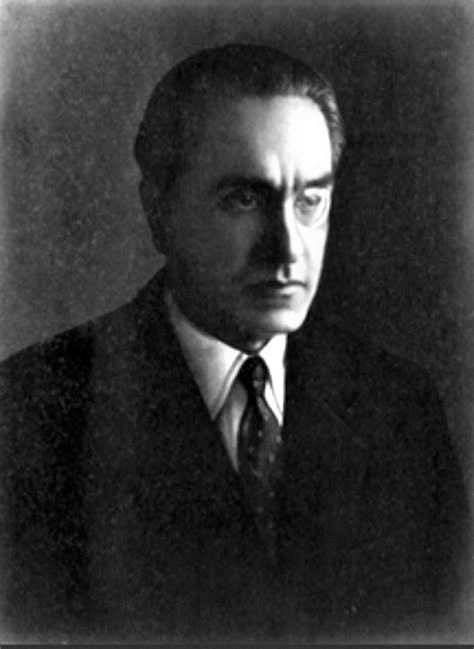
Giulio Cesare Andrea "Julius" Evola (Italian: [ˈɛːvola]; 19 May 1898 – 11 June 1974) was an Italian far-right philosopher, esotericist and writer. Evola regarded his values as traditionalist, aristocratic, martial and imperialist. His relationship with Fascist Italy and Nazi Germany was complex, ambiguous, and often critical, though he maintained intellectual contacts with both regimes. In the post-war era, he was an ideological mentor of the Italian neo-fascist and militant right.
Evola was born in Rome and served as an artillery officer in the First World War. He became an artist within the Dada movement but abandoned painting in his twenties. According to his later account, he contemplated suicide before experiencing a revelation while reading a Buddhist text. In the 1920s he delved into the occult; he wrote on Western esotericism and Eastern mysticism, developing his doctrine of "magical idealism". His writings blend various ideas of German idealism, Eastern doctrines, traditionalism and the Conservative Revolution of the interwar period. Evola adopted the Hindu concept of the Kali Yuga to describe modernity as an age of spiritual decline characterized by materialism and the dissolution of traditional hierarchies. Against this, he articulated what he termed the 'world of Tradition'—a perennial metaphysical framework he claimed existed across ancient civilizations prior to their decline. Evola distinguished Tradition from conventional religion, particularly Christianity, rejecting personal theism and faith-based belief in favor of what he considered a more primordial metaphysics centered on an impersonal transcendent Absolute, and initiatic, supra-rational knowledge. His conception of Tradition emphasized hierarchical cosmology, qualitative differentiation of being, spiritual authority derived from transcendent realization, and social structures reflecting these metaphysical principles through order, discipline, and hierarchical organization.
Evola advocated for the Italian racial laws, and became the leading Italian "racial philosopher". Autobiographical remarks allude to his having worked for the Sicherheitsdienst (SD), which was the intelligence agency of the Schutzstaffel (SS) and the Nazi Party. He fled to Nazi Germany in 1943 when the Italian Fascist regime fell, but returned to Rome under the Italian Social Republic, a German puppet state, to organise a radical-right group. In 1945 in Vienna a Soviet shell fragment permanently paralysed him from the waist down. On trial for glorifying fascism in 1951, Evola denied being a fascist, instead declaring himself "superfascista" (lit. 'superfascist'), which he meant as “beyond Fascism”. Evola was acquitted.
Evola has been called the "chief ideologue" of the Italian radical right after the Second World War, and his philosophy has been characterised as one of the most consistently "antiegalitarian, antiliberal, antidemocratic, and antipopular systems in the twentieth century". His writings contain misogyny, racism, antisemitism and attacks on Christianity and the Catholic Church. He continues to influence contemporary traditionalist and neo-fascist movements.
Giulio Cesare Andrea Evola was born in Rome to Sicilian parents on 19 May 1898. His family were members of the Sicilian aristocracy and devout Roman Catholics; he is sometimes described as a baron. Evola considered details about his early life irrelevant, and is noted for hiding some details of his personal life. He adopted the name Julius in homage to Ancient Rome in his mid twenties.[when?]
Evola rebelled against his Catholic upbringing. He studied engineering at the Istituto Tecnico Leonardo da Vinci in Rome, but did not complete his course, later claiming this was because he did not want to be associated with "bourgeois academic recognition" and titles such as "doctor and engineer". In his teenage years he immersed himself in painting—which he considered one of his natural talents—and literature, including Oscar Wilde and Gabriele d'Annunzio. He was introduced to philosophers such as Friedrich Nietzsche and Otto Weininger. Other early philosophical influences included the Italian man of letters Carlo Michelstaedter and the German post-Hegelian thinker Max Stirner.
He was attracted to the avant-garde, and briefly associated with the Italian poet Filippo Tommaso Marinetti's Futurist movement during his time at university. He broke with Marinetti in 1916 as Evola disagreed with his extreme nationalism and advocacy of industry. In the First World War, Evola served as an artillery officer in the Italian Army on the Asiago plateau. Despite reservations that Italy was fighting on the wrong side (against Germany, which Evola admired for its discipline and hierarchy), Evola volunteered in 1917 and briefly saw frontline service the following year. Evola returned to civilian life after the war and became a painter in the Italian Dadaist movement; he described his paintings as "inner landscapes". He wrote his poetry in French and recited it in cabarets accompanied by classical music. Through his painting and poetry, and his work on the short-lived journal Revue Bleue, he became a prominent representative of Dadaism in Italy. (In his autobiography he described his Dadaism as an attack on rationalist cultural values.) In 1922, after concluding that avant-garde art was becoming commercialised and stiffened by academic conventions, he gave up painting and renounced poetry. Evola was a keen mountaineer, describing it as a source of revelatory spiritual experience.
Evola reportedly went through a "spiritual crisis" through the intolerance of civilian life and his need to "transcend the emptiness" of normal human activity. He experimented with hallucinogenics and magic, which, he wrote, almost brought him to madness. In 1922, at 23 years old, he considered suicide, he wrote in The Cinnabar Path. He said he avoided suicide thanks to a revelation he had while reading an early Buddhist text that dealt with shedding all forms of identity other than absolute transcendence.
Hub AI
Julius Evola AI simulator
(@Julius Evola_simulator)
Julius Evola
Giulio Cesare Andrea "Julius" Evola (Italian: [ˈɛːvola]; 19 May 1898 – 11 June 1974) was an Italian far-right philosopher, esotericist and writer. Evola regarded his values as traditionalist, aristocratic, martial and imperialist. His relationship with Fascist Italy and Nazi Germany was complex, ambiguous, and often critical, though he maintained intellectual contacts with both regimes. In the post-war era, he was an ideological mentor of the Italian neo-fascist and militant right.
Evola was born in Rome and served as an artillery officer in the First World War. He became an artist within the Dada movement but abandoned painting in his twenties. According to his later account, he contemplated suicide before experiencing a revelation while reading a Buddhist text. In the 1920s he delved into the occult; he wrote on Western esotericism and Eastern mysticism, developing his doctrine of "magical idealism". His writings blend various ideas of German idealism, Eastern doctrines, traditionalism and the Conservative Revolution of the interwar period. Evola adopted the Hindu concept of the Kali Yuga to describe modernity as an age of spiritual decline characterized by materialism and the dissolution of traditional hierarchies. Against this, he articulated what he termed the 'world of Tradition'—a perennial metaphysical framework he claimed existed across ancient civilizations prior to their decline. Evola distinguished Tradition from conventional religion, particularly Christianity, rejecting personal theism and faith-based belief in favor of what he considered a more primordial metaphysics centered on an impersonal transcendent Absolute, and initiatic, supra-rational knowledge. His conception of Tradition emphasized hierarchical cosmology, qualitative differentiation of being, spiritual authority derived from transcendent realization, and social structures reflecting these metaphysical principles through order, discipline, and hierarchical organization.
Evola advocated for the Italian racial laws, and became the leading Italian "racial philosopher". Autobiographical remarks allude to his having worked for the Sicherheitsdienst (SD), which was the intelligence agency of the Schutzstaffel (SS) and the Nazi Party. He fled to Nazi Germany in 1943 when the Italian Fascist regime fell, but returned to Rome under the Italian Social Republic, a German puppet state, to organise a radical-right group. In 1945 in Vienna a Soviet shell fragment permanently paralysed him from the waist down. On trial for glorifying fascism in 1951, Evola denied being a fascist, instead declaring himself "superfascista" (lit. 'superfascist'), which he meant as “beyond Fascism”. Evola was acquitted.
Evola has been called the "chief ideologue" of the Italian radical right after the Second World War, and his philosophy has been characterised as one of the most consistently "antiegalitarian, antiliberal, antidemocratic, and antipopular systems in the twentieth century". His writings contain misogyny, racism, antisemitism and attacks on Christianity and the Catholic Church. He continues to influence contemporary traditionalist and neo-fascist movements.
Giulio Cesare Andrea Evola was born in Rome to Sicilian parents on 19 May 1898. His family were members of the Sicilian aristocracy and devout Roman Catholics; he is sometimes described as a baron. Evola considered details about his early life irrelevant, and is noted for hiding some details of his personal life. He adopted the name Julius in homage to Ancient Rome in his mid twenties.[when?]
Evola rebelled against his Catholic upbringing. He studied engineering at the Istituto Tecnico Leonardo da Vinci in Rome, but did not complete his course, later claiming this was because he did not want to be associated with "bourgeois academic recognition" and titles such as "doctor and engineer". In his teenage years he immersed himself in painting—which he considered one of his natural talents—and literature, including Oscar Wilde and Gabriele d'Annunzio. He was introduced to philosophers such as Friedrich Nietzsche and Otto Weininger. Other early philosophical influences included the Italian man of letters Carlo Michelstaedter and the German post-Hegelian thinker Max Stirner.
He was attracted to the avant-garde, and briefly associated with the Italian poet Filippo Tommaso Marinetti's Futurist movement during his time at university. He broke with Marinetti in 1916 as Evola disagreed with his extreme nationalism and advocacy of industry. In the First World War, Evola served as an artillery officer in the Italian Army on the Asiago plateau. Despite reservations that Italy was fighting on the wrong side (against Germany, which Evola admired for its discipline and hierarchy), Evola volunteered in 1917 and briefly saw frontline service the following year. Evola returned to civilian life after the war and became a painter in the Italian Dadaist movement; he described his paintings as "inner landscapes". He wrote his poetry in French and recited it in cabarets accompanied by classical music. Through his painting and poetry, and his work on the short-lived journal Revue Bleue, he became a prominent representative of Dadaism in Italy. (In his autobiography he described his Dadaism as an attack on rationalist cultural values.) In 1922, after concluding that avant-garde art was becoming commercialised and stiffened by academic conventions, he gave up painting and renounced poetry. Evola was a keen mountaineer, describing it as a source of revelatory spiritual experience.
Evola reportedly went through a "spiritual crisis" through the intolerance of civilian life and his need to "transcend the emptiness" of normal human activity. He experimented with hallucinogenics and magic, which, he wrote, almost brought him to madness. In 1922, at 23 years old, he considered suicide, he wrote in The Cinnabar Path. He said he avoided suicide thanks to a revelation he had while reading an early Buddhist text that dealt with shedding all forms of identity other than absolute transcendence.
Recent media