
Recent from talks
Karol Szymanowski
Knowledge base stats:
Talk channels stats:
Members stats:
Karol Szymanowski
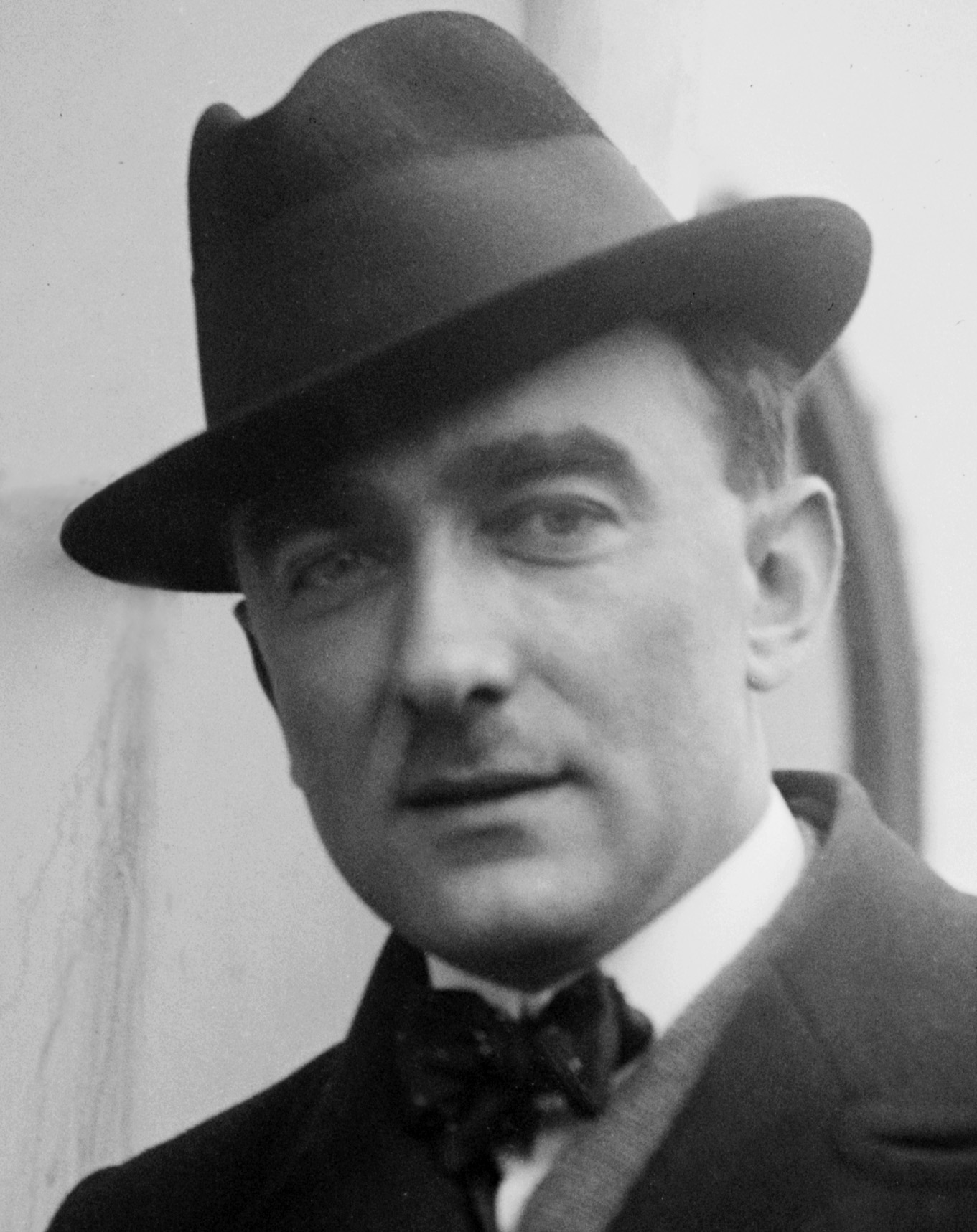
Karol Maciej Szymanowski (Polish pronunciation: [ˈkarɔl ˈmat͡ɕɛj ʂɨmaˈnɔfskʲi]; 3 October 1882 – 29 March 1937) was a Polish composer, pianist and writer. He was a member of the modernist Young Poland movement that flourished in the late 19th and early 20th century.
Szymanowski's early works show the influence of the late Romantic German school as well as the early works of Alexander Scriabin, as exemplified by his Étude Op. 4 No. 3 and his first two symphonies. Later, he developed an impressionistic and partially atonal style, represented by such works as the Third Symphony and his Violin Concerto No. 1. His third period was influenced by the folk music of the Polish Górale people, including the ballet Harnasie, the Fourth Symphony, and his sets of Mazurkas for piano. King Roger, composed between 1918 and 1924, remains Szymanowski's most popular opera. His other significant works include Hagith, Symphony No. 2, The Love Songs of Hafiz, and Stabat Mater.
Szymanowski was awarded the highest national honors, including the Officer's Cross of the Order of Polonia Restituta, the Order of Merit of the Republic of Poland and other distinctions, both Polish and foreign.
Karol Szymanowski was born into the Korwin-Szymanowski family who were members of wealthy Polish nobility from the Mazovia region, the capital of which is Warsaw. After the fall of Kościuszko Uprising (1794), his great-great grandfather Dominik was exiled from Poland to Dnieper Ukraine. Karol's grandfather Feliks later settled in the village of Tymoszówka, which was then in the Kiev Governorate of the Russian Empire and is now Tymoshivka in Cherkasy Oblast of Ukraine. His mother came from a Baltic German family that originated in Courland. He studied music privately with his father before enrolling at the Gustav Neuhaus Elisavetgrad School of Music in 1892. From 1901 until 1905, he attended the State Conservatory in Warsaw, of which he was later director from 1926 until retiring in 1930. During that time, he met a number of prominent Polish artists such as Arthur Rubinstein, Grzegorz Fitelberg, Stanisław Ignacy Witkiewicz and Stefan Żeromski. Since musical opportunities in Congress Poland were quite limited, he traveled throughout Europe and North Africa.
In Berlin, Szymanowski founded the Young Polish Composers’ Publishing Company (1905–12), whose primary aim was to publish new works by his countrymen. During his stay in Vienna (1911-1914), he wrote the opera Hagith and two song cycles, The Love Songs of Hafiz, which represent a transition between his first and second stylistic periods. Being lame in one knee made Szymanowski unsuitable for military service in World War I, and between 1914 and 1917, he composed many works and devoted himself to studying Islamic culture, ancient Greek drama, and philosophy. His works from this period, such as Mity (1914; Myths), Metopy (1915; Métopes), and Maski (1916; Masques), are characterized by great originality and diversity of style. The dynamic extremes in Szymanowski's music lessened, and the composer started to employ coloristic orchestration and use polytonal and atonal material while preserving the expressive melodic style of his previous works.
In 1918, Szymanowski completed the manuscript of a two-volume novel, Efebos, which took homosexuality as its subject. ("Efebos" or ephebos is the Greek term for a male adolescent.) His travels, especially those to the Mediterranean area, provided him with new experience, both personal and artistic. Arthur Rubinstein found Szymanowski different when they met in Paris in 1921: "Karol had changed; I had already begun to be aware of it before the war when a wealthy friend and admirer of his invited him twice to visit Sicily. After his return, he raved about Sicily, especially Taormina. 'There,' he said, 'I saw a few young men bathing who could be models for Antinous. I couldn't take my eyes off them.' Now he was a confirmed homosexual. He told me all this with burning eyes."
Of his works created or first imagined, such as Król Roger (King Roger), during 1917-21, both musical and literary, one critic has written: "we have a body of work representing a dazzling personal synthesis of cultural references, crossing the boundaries of nation, race and gender to form an affirmative belief in an international society of the future based on the artistic freedom granted by Eros." Szymanowski settled in Warsaw in 1919.
In 1926, Szymanowski accepted the position of Director of the Warsaw Conservatory, though he had little administrative experience. He became seriously ill in 1928 and temporarily lost his post. He was diagnosed with an acute form of tuberculosis, and in 1929 traveled to Davos, Switzerland, for medical treatment. Szymanowski resumed his position at the Conservatory in 1930, but the school was closed two years later by a ministerial decision. He moved to Villa Atma in Zakopane where he composed fervently. In Zakopane, Szymanowski developed a keen interest in the Polish folk idiom and undertook to create a Polish national style, an endeavour not attempted since the times of Chopin. He immersed himself in the culture of the Polish Highlanders (Gorals) and embraced their tonal language, syncopated rhythms, and winding melodies in his music. In 1936, Szymanowski received more treatment at a sanatorium in Grasse, but it was no longer effective. He died at a sanatorium in Lausanne on 29 March 1937. His body was brought back to Poland by his sister Stanisława and laid to rest at Skałka in Kraków, the "national Panthéon" for the most distinguished Poles.
Hub AI
Karol Szymanowski AI simulator
(@Karol Szymanowski_simulator)
Karol Szymanowski
Karol Maciej Szymanowski (Polish pronunciation: [ˈkarɔl ˈmat͡ɕɛj ʂɨmaˈnɔfskʲi]; 3 October 1882 – 29 March 1937) was a Polish composer, pianist and writer. He was a member of the modernist Young Poland movement that flourished in the late 19th and early 20th century.
Szymanowski's early works show the influence of the late Romantic German school as well as the early works of Alexander Scriabin, as exemplified by his Étude Op. 4 No. 3 and his first two symphonies. Later, he developed an impressionistic and partially atonal style, represented by such works as the Third Symphony and his Violin Concerto No. 1. His third period was influenced by the folk music of the Polish Górale people, including the ballet Harnasie, the Fourth Symphony, and his sets of Mazurkas for piano. King Roger, composed between 1918 and 1924, remains Szymanowski's most popular opera. His other significant works include Hagith, Symphony No. 2, The Love Songs of Hafiz, and Stabat Mater.
Szymanowski was awarded the highest national honors, including the Officer's Cross of the Order of Polonia Restituta, the Order of Merit of the Republic of Poland and other distinctions, both Polish and foreign.
Karol Szymanowski was born into the Korwin-Szymanowski family who were members of wealthy Polish nobility from the Mazovia region, the capital of which is Warsaw. After the fall of Kościuszko Uprising (1794), his great-great grandfather Dominik was exiled from Poland to Dnieper Ukraine. Karol's grandfather Feliks later settled in the village of Tymoszówka, which was then in the Kiev Governorate of the Russian Empire and is now Tymoshivka in Cherkasy Oblast of Ukraine. His mother came from a Baltic German family that originated in Courland. He studied music privately with his father before enrolling at the Gustav Neuhaus Elisavetgrad School of Music in 1892. From 1901 until 1905, he attended the State Conservatory in Warsaw, of which he was later director from 1926 until retiring in 1930. During that time, he met a number of prominent Polish artists such as Arthur Rubinstein, Grzegorz Fitelberg, Stanisław Ignacy Witkiewicz and Stefan Żeromski. Since musical opportunities in Congress Poland were quite limited, he traveled throughout Europe and North Africa.
In Berlin, Szymanowski founded the Young Polish Composers’ Publishing Company (1905–12), whose primary aim was to publish new works by his countrymen. During his stay in Vienna (1911-1914), he wrote the opera Hagith and two song cycles, The Love Songs of Hafiz, which represent a transition between his first and second stylistic periods. Being lame in one knee made Szymanowski unsuitable for military service in World War I, and between 1914 and 1917, he composed many works and devoted himself to studying Islamic culture, ancient Greek drama, and philosophy. His works from this period, such as Mity (1914; Myths), Metopy (1915; Métopes), and Maski (1916; Masques), are characterized by great originality and diversity of style. The dynamic extremes in Szymanowski's music lessened, and the composer started to employ coloristic orchestration and use polytonal and atonal material while preserving the expressive melodic style of his previous works.
In 1918, Szymanowski completed the manuscript of a two-volume novel, Efebos, which took homosexuality as its subject. ("Efebos" or ephebos is the Greek term for a male adolescent.) His travels, especially those to the Mediterranean area, provided him with new experience, both personal and artistic. Arthur Rubinstein found Szymanowski different when they met in Paris in 1921: "Karol had changed; I had already begun to be aware of it before the war when a wealthy friend and admirer of his invited him twice to visit Sicily. After his return, he raved about Sicily, especially Taormina. 'There,' he said, 'I saw a few young men bathing who could be models for Antinous. I couldn't take my eyes off them.' Now he was a confirmed homosexual. He told me all this with burning eyes."
Of his works created or first imagined, such as Król Roger (King Roger), during 1917-21, both musical and literary, one critic has written: "we have a body of work representing a dazzling personal synthesis of cultural references, crossing the boundaries of nation, race and gender to form an affirmative belief in an international society of the future based on the artistic freedom granted by Eros." Szymanowski settled in Warsaw in 1919.
In 1926, Szymanowski accepted the position of Director of the Warsaw Conservatory, though he had little administrative experience. He became seriously ill in 1928 and temporarily lost his post. He was diagnosed with an acute form of tuberculosis, and in 1929 traveled to Davos, Switzerland, for medical treatment. Szymanowski resumed his position at the Conservatory in 1930, but the school was closed two years later by a ministerial decision. He moved to Villa Atma in Zakopane where he composed fervently. In Zakopane, Szymanowski developed a keen interest in the Polish folk idiom and undertook to create a Polish national style, an endeavour not attempted since the times of Chopin. He immersed himself in the culture of the Polish Highlanders (Gorals) and embraced their tonal language, syncopated rhythms, and winding melodies in his music. In 1936, Szymanowski received more treatment at a sanatorium in Grasse, but it was no longer effective. He died at a sanatorium in Lausanne on 29 March 1937. His body was brought back to Poland by his sister Stanisława and laid to rest at Skałka in Kraków, the "national Panthéon" for the most distinguished Poles.
Recent media