Hubbry Logo
Session (Presbyterianism)Session (Presbyterianism)Main
Open search
Session (Presbyterianism)
Community hub
Session (Presbyterianism)
logo
8 pages, 0 posts
0 subscribers
Be the first to start a discussion here.
Session (Presbyterianism)
from Wikipedia
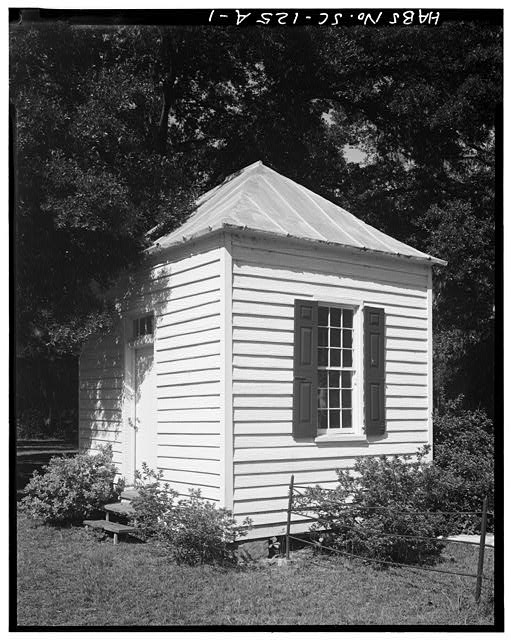
The "Session House" of the Edisto Island Presbyterian Church was used by the Session and for small meetings.

A session (from the Latin word sessio, which means "to sit", as in sitting to deliberate or talk about something; sometimes called consistory or church board) is a body of elected elders governing a particular church within presbyterian polity.

Organization

[edit]

These groups of elders make decisions for the local parish through a ruling body called the Kirk session (Latin. sessio from sedere "to sit"), sometimes the Session, church session, or (in Continental Reformed usage) consistory. The members of the session are the pastor (Teaching Elder) of that congregation, and the other ruling elders (sometimes called "lay elders"). Elders are ordained for life, so if they are subsequently elected or appointed to Sessions at later points in their lives, they are inducted, there being no second ordination. In most denominations, the pastor serves as Moderator of the Session and thus convenes or presides over the session. All elders have an equal vote in the session.[1]

In some denominations, the pastor is given no vote. However, in a sitting body of an even number or with a quorum of the session counted, the pastor can break a tie with a casting vote. In the Polity of the Presbyterian Church (USA) and the Evangelical Presbyterian Church (United States), the pastor and associate pastor have a vote as members of the session on any matters.[2] However, the pastor will often refrain from voting except in tie situations. The Pastor is not a voting member of the congregation.[3]

The Ordination of Elders in a Scottish Kirk, by John Henry Lorimer, 1891. National Gallery of Scotland

The elders who are members of Session have both executive powers as a group and pastoral responsibility. Many elders will be in regular pastoral contact with a group of the members of the congregation and their families. In the pastoral function, elders rarely bring issues to Session meetings, resolving them privately or with the aid of the minister or other counsellor.

In executive function a number of Sessions have complete authority (under presbytery) for the ordering of all business, spiritual and temporal, of their congregation. This condition is known in the Church of Scotland as "quoad omnia". Other congregations have a separate "congregational board", "deacons' court" or "management committee" which deals with financial details and the maintenance of the property. The financial board thus relieves the Session of much routine responsibility but remains under the direction of the Session.[4]

The Kirk Session remains the first court of the Presbyterian Church. It is under the jurisdiction of the presbytery of the bounds to which they commission the minister and at least one ruling elder. The minister is a member of the presbytery rather than the congregation and is, therefore, under the spiritual oversight of the presbytery. The members of the congregation, including the ruling elders, are under the spiritual oversight of the Kirk Session.

This is a practical manifestation of the Protestant doctrine of the priesthood of all believers, and as all elders are ordained, some to rule and others to teach, the Moderator of the Kirk Session sits as a chairman of the elders primus inter pares.

Clerk of Session

[edit]

The person who takes minutes for the Session and maintains all of the church's ledgers of membership, births, baptisms, deaths, and elders is known as the Clerk of Session. However, the role takes on a special significance well beyond its stated duties. In leadership and influence across the congregation, the Session Clerk is a partner with the Minister and often speaks for the Congregation and Elders in offering words of guidance and encouragement to the Minister as well as being the key to marshalling resources and support to implement the Minister's projects.[5][6]

See also

[edit]

References

[edit]
Revisions and contributorsEdit on WikipediaRead on Wikipedia
from Grokipedia
In , the session is the primary governing body of a local congregation, consisting of elected ruling elders and installed teaching elders (pastors), tasked with exercising full legislative, judicial, and administrative authority over the church's spiritual and temporal affairs. The term derives from the Latin sessio, meaning "a sitting," reflecting its role in deliberating and governing as a collective body of elders. The session's composition varies slightly by denomination but generally includes all active ruling elders, who are lay members elected by the congregation, typically for staggered terms to ensure continuity in many denominations, though some provide for indefinite service, and all installed s serving as moderators. In the Presbyterian Church (U.S.A.), for example, the number of ruling elders is set by the congregation, and if no is available, the presbytery appoints a moderator; ruling elders partner with teaching elders and deacons in ministry leadership. Similarly, in the , the session comprises elders ordained by the presbytery, emphasizing their role in pastoral oversight and discipline. Among its core responsibilities, the session oversees worship services, ensuring the preaching of the Word and administration of sacraments such as and the Lord's Supper (at least quarterly); it also maintains membership rolls, provides , nurtures faith through education, manages finances and property, and enforces when necessary. The session approves budgets, authorizes offerings, supervises staff and deacons, and promotes mission and stewardship, while challenging the congregation to fulfill its calling. It holds ultimate authority over the congregation's programs and policies, except for matters like property transactions or calling a , which require congregational vote. Sessions operate within a , accountable to higher governing bodies such as the presbytery, which reviews minutes annually and can intervene if needed; they typically meet monthly or quarterly in stated sessions, with special meetings called for urgent matters, with a defined by the denomination's rules, typically the moderator and a of ruling elders, for decisions by vote. A , typically an elder, records proceedings and maintains registers of baptisms, elders, and members to ensure transparency and continuity. This structure embodies Presbyterian polity's emphasis on shared authority among elders, fostering discernment of Christ's will in local church life.

Overview

Definition and Role

In Presbyterianism, the session is defined as the and lowest court of a particular congregation, responsible for its spiritual and temporal affairs under Christ's authority. It serves as the council that oversees the local church's mission, ensuring fidelity to God's Word through collective discernment by its members. This structure reflects the presbyterian principle of shared governance, where authority is exercised collegially rather than hierarchically by individuals. The primary role of the session involves spiritual oversight of the congregation, including nurturing the faith community by promoting the preaching of the Word, the administration of sacraments, and the Christian of members. It guides the church's witness to God's activity in the world by equipping members for ministry, fostering mission efforts, and maintaining orderly church life through decisions on , membership, and resources. These functions emphasize the session's commitment to building a covenant community where members grow in faith and service. Unlike higher governing bodies such as the presbytery, which addresses regional matters across multiple congregations, the session's authority is confined exclusively to the affairs of its single local church, providing focused and administration without broader jurisdictional oversight. Composed of elected ruling elders alongside installed pastors, it operates through regular meetings to deliberate and act on congregational needs.

Place in Presbyterian Polity

In Presbyterian polity, the system of church government is structured as a representative democracy, characterized by interconnected governing bodies or "courts" that exercise authority at ascending levels of jurisdiction. The session serves as the foundational local court, governing a single congregation, while the presbytery oversees multiple congregations in a regional area, the synod coordinates several presbyteries across a broader territory, and the general assembly functions as the highest national or denominational body. This hierarchical arrangement ensures unity and mutual accountability, with each court deriving its authority from Christ as the head of the church and operating in submission to Scripture and confessional standards. The session holds primary autonomy in making decisions concerning the spiritual and administrative affairs of its congregation, such as program policies and local , though it remains accountable to higher courts for review, appeals, and oversight. Appeals from session decisions can be lodged with the presbytery, which may review and potentially reverse rulings, while the session must comply with directives from presbyteries, synods, or the general assembly on matters of , standards, or inter-church relations. However, certain powers, like the election of officers or major property decisions, are reserved to the congregation itself, preserving a balance between elder-led and congregational involvement. This structure prevents isolation of local churches while affirming the session's role as the immediate governing authority on site. A core principle of is the parity of elders, whereby teaching elders (ministers) and ruling elders (lay leaders) possess equal authority in across all courts, including the session. This equality underscores the representative nature of the system, ensuring that no clerical dominates and that diverse voices from the congregation shape church life. In the session, this parity manifests through joint participation of both elder types in deliberations and votes, fostering collaborative without subordination.

Composition

Teaching and Ruling Elders

In , the session is composed of two categories of elders: teaching elders and ruling elders, both ordained as presbyters to exercise shared in the of the congregation. Teaching elders, also known as ministers of the Word and Sacrament, are ordained who serve as permanent members of the session in their installed pastoral roles, such as pastors or associate pastors. They are responsible for preaching , administering the sacraments of and the Lord's Supper, and providing , equipping the congregation for ministry through teaching and spiritual guidance. Ruling elders, in contrast, are lay members elected from the congregation to serve as spiritual leaders focused on and oversight, without performing the clerical duties reserved for ordained ministers. They discern the congregation's fidelity to God's Word, nurture its faith and life, and participate in to guide , service, and . While their service is typically term-limited, ruling elders remain ordained for life and may be re-elected, emphasizing their ongoing call to ministry in partnership with teaching elders. Despite their distinct roles, and ruling elders hold equal within the session, possessing the same voting rights and eligibility for in church councils. This parity reflects the Presbyterian of shared , where both collaborate in spiritual oversight and decision-making for the congregation's well-being. The size of the session varies by congregation, comprising the installed teaching elders and an elected body of ruling elders determined by the church's needs.

Election and Ordination

In Presbyterian churches, the of ruling elders typically begins with a nominating , elected by the congregation, which identifies and proposes candidates from among the congregation's active members based on demonstrated gifts for and service. This ensures a diverse slate reflecting the church's composition, in line with constitutional principles of inclusivity. Additional nominations may be made from the floor during the congregational meeting, provided the candidates consent, allowing broader participation in the selection process. The itself occurs at a congregational meeting, where active members vote by to choose the nominees, ensuring that the session represents the community's collective discernment of God's call to leadership. Following , the session examines candidates for their personal in Jesus Christ, moral character, and knowledge of essential Presbyterian doctrines, including the Scriptures, the Book of Confessions, church polity, and the Book of Order. This examination, conducted through questions and discussion, verifies the candidates' willingness to uphold the church's standards and serve faithfully, with approval required before proceeding to . Ordination and installation for newly elected ruling elders take place in a public worship service, often integrated into the or a dedicated gathering, emphasizing the communal affirmation of their calling. The service includes a on ministry, the posing of constitutional questions to the candidates—such as their trust in Christ, adherence to Reformed confessions, and commitment to gospel obedience—and the by session members accompanied by . For those previously ordained in another congregation, installation replaces with a similar of dedication, culminating in the moderator's declaration of their assumption of office. The congregation responds by affirming support for the new elders. Ruling elders generally serve terms of up to three years, with the possibility of renewal for a total of six consecutive years to foster and prevent entrenchment, after which they must observe a one-year ineligibility period unless waived by the presbytery for smaller congregations. This structure promotes fresh perspectives while maintaining continuity in session . In contrast, teaching elders, who lead in preaching and sacraments, are ordained by the presbytery upon completion of their candidacy process and installed by the session for a pastorate, serving indefinitely unless transferred to another call or released by the presbytery.

Officers

Moderator

In the Presbyterian tradition, the moderator of the session serves as the presiding officer, providing to ensure the of the congregation operates effectively and in accordance with its constitutional standards. Typically, the installed —referred to as a teaching elder—holds this position, presiding over meetings and guiding deliberations among the elders. If the pastor is unavailable or the congregation lacks an installed pastor, a ruling elder or another minister authorized by the presbytery may assume the role. This arrangement underscores the collaborative nature of , where is shared among ordained elders while maintaining pastoral oversight. The primary duties of the moderator include calling both regular and special meetings of the session, chairing these gatherings, and maintaining order through established parliamentary procedures, such as . The moderator also represents the session in external capacities, such as during judicial processes or interactions with higher church bodies, acting as the official voice of the council. In cases of tied votes, the moderator casts the deciding vote to resolve the matter, ensuring decisions can be reached without deadlock. While the commonly serves continuously as moderator in denominations like the Presbyterian Church (U.S.A.), some traditions emphasize to foster broader participation in leadership. For instance, in the , the session selects its moderator annually from among its members, often the but potentially a ruling elder, to promote shared and prevent concentration of authority. This practice aligns with the presbyterian of parity among elders, allowing for distributed responsibility while upholding the session's collective authority.

Clerk of Session

In Presbyterian polity, the clerk of session is elected by the session from among its ruling elders to serve an indefinite term, or for a duration determined by the session, until a successor is chosen. This role, mandated by the Book of Order (G-3.0104), ensures continuity in administrative functions, with the clerk eligible for reelection for additional terms as determined by the session. The 's primary responsibilities include recording the minutes and transactions of session meetings, maintaining the rolls of active, inactive, and affiliate members, and handling correspondence with higher governing bodies such as presbyteries. They preserve all official documents, including registers of baptisms, confirmations, marriages, and dismissals, serving as the custodian of the congregation's historical records. Additionally, the clerk certifies extracts from these records when requested by other councils or members, which hold evidentiary value in proceedings, and manages the handling of appeals or complaints by notifying relevant parties and transmitting documents as required. Qualifications for the position emphasize trustworthiness to safeguard sensitive records impartially, strong organizational skills for efficient docket management and archival preservation, and a solid knowledge of as outlined in the Book of Order. The clerk often functions informally as the congregation's , documenting its ministry and decisions for future reference under the moderator's general oversight.

Responsibilities

Worship and Sacraments

In Presbyterian churches, the session holds primary responsibility for overseeing corporate , ensuring that services align with Reformed theological principles and biblical mandates. This includes approving the order of , which typically encompasses , Scripture reading, preaching, and congregational participation, often led by the minister but requiring session concurrence to maintain doctrinal fidelity. The session ensures that preaching centers on the exposition of Scripture, drawing from confessional standards such as the Westminster Confession, and may commission ruling elders to proclaim the Word when appropriately prepared. The session also establishes policies for the administration of the sacraments—baptism and the Lord's Supper—authorizing their celebration to foster spiritual nurture within the congregation. For , the session examines candidates or parents, providing instruction on its covenantal significance as a and seal of God's grace, and maintains registers of those baptized. Regarding the Lord's Supper, in the Presbyterian Church (U.S.A.) the session mandates its observance at least quarterly; it approves its frequency and elements (such as the use of and non-alcoholic wine where applicable), and ensures invitations extend to all baptized members in , excluding those under for unrepentant . These authorizations extend to special contexts, such as weddings or funerals, while upholding the sacraments' role in communal remembrance of Christ's work. To cultivate vibrant congregational life, the session promotes regular attendance at services and observances, viewing them as essential for formation. This involves supervising educational programs, such as classes on liturgical practices and the meaning of the sacraments, to deepen understanding and encourage active participation among members, including and families. By integrating oversight with nurture, the session guides the congregation toward holistic spiritual growth aligned with .

Church Discipline

In Presbyterianism, the session serves as the primary judicial body for a local congregation, responsible for maintaining doctrinal and moral integrity through . This involves addressing offenses that contravene Scripture or the church's constitution, with the goal of fostering and restoring the individual to full participation in the community. The process is guided by principles outlined in the Book of Order of the Presbyterian Church (U.S.A.), emphasizing within a framework of . The disciplinary process begins with an investigation triggered by a written submitted to the session , alleging an offense by a church member. The session may appoint an investigating of three to , excluding current session elders, to the facts, notify the accused and accuser, and determine within one year whether formal charges are warranted. If the matter can be resolved informally, the session may opt for private admonition, an initial step of correction and reconciliation inspired by Matthew 18:15-17, which encourages direct dialogue and mediation to achieve without escalation. This approach prioritizes restoration over punishment, as articulated in the Book of Order: "The purpose of church discipline is to correct or restrain wrongdoing in order to bring members to and restoration." Should private fail, the session proceeds to a formal , functioning as the judicial commission for the congregation. A pretrial is held no later than 30 days after the filing of charges, followed by a where is presented, and a decision of guilt requires a two-thirds vote of the session members present. Outcomes, known as censures, include public rebuke for lesser offenses, temporary suspension from sacraments or office, or for grave unrepentant wrongdoing, always with the intent to redeem and rebuild the rather than merely penalize. The Book of Order underscores this redemptive focus in sections like D-1.0102: "Power [of discipline] is one for building up the , not for destroying it, for redeeming, not for punishing." Decisions may be appealed within 45 days to the presbytery's permanent judicial commission, which reviews for errors in procedure or , potentially affirming, reversing, or modifying the session's ruling. Throughout, the clerk of session maintains detailed records of all proceedings, including allegations, transcripts, and final decisions, preserved for ten years to ensure transparency and ; electronic methods for meetings and records are permitted under G-3.0105. Restoration remains possible at any stage, such as through reaffirmation of or reversal of guilt on , aligning with the overarching aim of unity and healing in the church.

Congregational Governance

The session holds primary responsibility for the administrative oversight of the congregation's daily operations, ensuring that financial, programmatic, and personnel matters align with the church's mission and constitutional standards. This includes preparing and adopting an annual budget, determining the distribution of benevolence funds, and managing financial resources to support congregational activities. falls under the session's purview as well, where it treats church assets as tools for mission, supervises their use, and maintains them in coordination with trustees, while seeking approval from higher governing bodies like the presbytery for significant actions such as sales, mortgages, or long-term leases. In terms of personnel, the session hires, employs, evaluates, and supervises non-pastoral staff, including administrative personnel and treasurers, ensuring compliance with fair employment practices and denominational guidelines. It also develops and approves programs for , spiritual nurture, and mission , fostering initiatives that build congregational life and extend the church's witness in the community. To facilitate these duties, the session oversees standing committees such as those for , personnel, and trustees, delegating tasks while maintaining ultimate and ensuring all activities conform to the Presbyterian . Beyond internal administration, the session promotes by encouraging generous use of time, talents, and resources among members, challenging the congregation to faithful giving and responsible . It further fosters through service-oriented programs and addresses local social issues by guiding the congregation in prophetic , reconciliation efforts, and responses to needs for and , thereby integrating missional into everyday .

Meetings and Procedures

Frequency and Quorum

In , the session, as the of a local congregation, convenes stated meetings at least quarterly to conduct regular business, with the exact schedule determined by the session's rules to address ongoing pastoral and administrative needs. Special meetings may be called by the moderator as circumstances require or upon the written request of two session members (PCUSA, PCA) or one-fourth of session members (EPC), limited to the purposes specified in the call to ensure focused deliberation. Reasonable advance notice must be provided to all members, stating the time, place, and agenda to allow adequate preparation. Electronic meetings are permitted provided technology allows all participants to see and hear clearly (PCUSA G-3.0105). A quorum for session meetings generally consists of the moderator and a majority of the active or installed ruling elders, ensuring representative participation while accommodating smaller sessions with provisions for a minimum of one or two elders alongside the moderator. Sessions may adopt rules to define their quorum more precisely, but actions taken without a full complement of elders due to vacancies remain valid, provided the established quorum is met, thereby maintaining continuity in governance. Preparation for meetings includes the distribution of an agenda in advance by the , outlining items for discussion such as reports, nominations, or administrative matters, to promote orderly proceedings. Each meeting opens and closes with , led by the moderator or a designated elder, underscoring the spiritual foundation of the session's deliberations.

Decision-Making Process

In Presbyterian session meetings, the decision-making process emphasizes prayerful discernment and consensus-seeking , guided by the moderator who recognizes speakers, alternates perspectives for and against a motion, and ensures orderly discussion in accordance with unless contradicted by the church's constitution. This approach fosters among teaching and ruling elders, with deliberations often conducted in private to maintain trust, particularly in sensitive matters. Following discussion, decisions are typically made by , where the moderator calls for "aye" or "no," or by for in elections or confidential issues; a simple majority of votes cast governs most actions, though a two-thirds majority is required for limiting debate or specific approvals like presbytery waivers. In the , a three-fourths vote applies to removing certain censures, but remains the default. Abstentions are not counted in the tally, ensuring decisions reflect the will of participating members without compelling participation. Proxies are generally prohibited, requiring personal attendance by session members for voting, which upholds of direct representation by ordained presbyters. Deliberations remain confidential, with minutes—prepared by the —recording only actions, orders, and vote outcomes rather than full debates to protect and focus on results. Ratification occurs upon the vote's approval, with decisions effective immediately unless appealed or subject to review by the presbytery, ensuring accountability within the connectional structure.

Historical Development

Origins in the Reformation

The session in Presbyterianism traces its origins to the theological and reforms of the , rooted in a scriptural emphasis on elder-led as an alternative to episcopal hierarchies. Reformed thinkers drew upon biblical precedents, particularly the Jerusalem Council in , where apostles and elders collectively deliberated and issued authoritative decisions on doctrinal and practical matters for the early church, establishing a model of shared among presbyters rather than singular bishopric rule. Similarly, 1 Timothy 5:17 highlights the role of elders in ruling the church well, underscoring their authority in oversight and discipline, which became foundational for the presbyterian system of government. A pivotal influence was John Calvin's establishment of the consistory in in 1541, as outlined in his Ordinances, which served as a for the session by integrating spiritual discipline with communal oversight. The consistory consisted of the city's pastors and twelve elders—laymen selected annually from Geneva's councils—to monitor moral conduct, admonish offenders, and maintain church order through weekly meetings, often involving civil authorities for enforcement. This structure combined ecclesiastical and civic elements, allowing elders to address "superstitions" and scandals while limiting to spiritual realms, with appeals possible to the , thus modeling a balanced elder governance that influenced broader Reformed practices. This Genevan model was adapted in Scotland through John Knox's First Book of Discipline (1560), which formalized sessions in local kirks as bodies of ministers and elected elders to govern congregations. Knox, having experienced Calvin's system during his exile in , prescribed that elders—chosen annually from men of "best knowledge in God’s word, clean life, and honest conversation"—assist ministers in judging causes, admonishing misconduct, and overseeing the church's spiritual health, with deacons aiding in practical matters. The document mandated sessions in every parish to ensure disciplined worship and moral order, embedding in the newly reformed and laying the groundwork for its expansion.

Development in Presbyterianism

The , convened in the 1640s amid the , played a pivotal role in codifying Presbyterian church government through its production of the Form of Presbyterial Church-Government in 1645. This document formalized the session as the governing body of a local congregation, comprising the minister and ruling elders who convene regularly to oversee worship, sacraments, discipline, and administrative affairs, ensuring each officer acts according to their role while the minister typically moderates meetings. The assembly's standards, including this form of government, were adopted by the and later influenced Presbyterian bodies worldwide, providing a blueprint for session operations that emphasized elder parity and congregational oversight. In colonial America, Presbyterianism adapted these to the new context, beginning with the formation of the Presbytery of in 1706 and culminating in the Synod of Philadelphia's Adopting Act of 1729. This act embraced the , Larger and Shorter Catechisms, and Directory for the Public Worship of as doctrinal standards, while allowing ministers and elders to state exceptions to non-essential points, thus accommodating diverse theological views without compromising core polity like the session's authority. Following independence, American Presbyterians unified under the Presbyterian Church in the United States of America (PCUSA) in 1789, adopting a revised that included a Form of Government, Directory for Worship, and Rules of Discipline. These documents retained the Westminster framework for the session but incorporated American revisions, such as affirming religious liberty and separating church from state influence, which facilitated the session's role in local governance amid rapid congregational growth. Twentieth-century reforms in the PCUSA further evolved the session through revisions to the Book of Order, emphasizing democratic participation and broader representation. A key adaptation in many congregations was the of ruling elders for specific terms, often three years, to broaden participation in . The 1983 reunion of northern and southern Presbyterian branches produced a unified Book of Order that strengthened inclusivity, mandating parity between teaching and ruling elders in governing bodies and promoting diverse representation in sessions to reflect the church's commitment to justice and shared decision-making. These changes, informed by social movements and ecumenical dialogues, enhanced the session's adaptability while preserving its foundational oversight functions.

Variations in Practice

Presbyterian Church (USA)

In the Presbyterian Church (USA) (PC(USA), the session serves as the governing council for each congregation, composed of elected ruling elders and installed ministers of the Word and Sacrament, with the pastor acting as moderator. As outlined in G-3.02 of the Book of Order, the session holds primary responsibility for the congregation's mission, spiritual nurture, worship, education, witness, service, and management of property and finances, ensuring alignment with the broader PC(USA) Constitution. This includes overseeing the administration of sacraments like Baptism and the Lord's Supper, maintaining membership rolls, and fostering programs for community care and Christian education. The session exercises authority over matters not reserved to higher councils, such as developing and approving program policies that reflect the congregation's mission and PC(USA) standards on issues like , , and . For instance, it adopts policies for , harassment prevention, and inclusive practices, while submitting financial and membership reports annually to the presbytery. In elder elections, the session oversees nominations and voting to ensure representation that embodies the church's commitment to , as affirmed in F-1.0403, which guarantees full participation regardless of race, , age, , or other dimensions of personhood. A 2024 amendment to F-1.0403, approved by a of presbyteries in 2025, explicitly added protections for and , reinforcing diverse leadership in sessions. Regarding , the session functions as the permanent judicial commission for its congregation, exercising with a focus on aimed at reconciliation and healing rather than punishment. Processes emphasize correction through and community involvement, per the Rules of Discipline (D-1 to D-10), to maintain the church's peace and purity. Recent constitutional amendments in the have shaped session oversight of , redefining it in W-4.0601 as "a unique commitment between two people, traditionally ," thereby authorizing same-sex marriages where legally permitted. This change, stemming from 14-F approved by the 221st (2014) and ratified by presbyteries, allows teaching elders to perform such ceremonies at their discretion while protecting conscience clauses; sessions must approve the use of church for weddings but cannot compel participation. As a result, sessions now supervise preparation and services to ensure theological fidelity and pastoral support, integrating these into broader responsibilities under G-3.0201.

Other Denominations

In the (PCA), the session adheres to stricter confessional standards than some other Presbyterian bodies, requiring officers to affirm the and Catechisms as containing the system of doctrine taught in Scripture during . This commitment extends to a strong emphasis on the inerrancy of Scripture, with candidates and officers explicitly affirming the as the "inerrant Word of God, the only infallible and practice." Regarding elder terms, the PCA's Book of Church Order does not mandate rotation; ruling elders hold perpetual and serve indefinitely unless they resign, are removed, or granted status due to age or infirmity, allowing for continuity in local governance. The 's kirk sessions reflect a historical integration with the state, established as the through parliamentary acts like the Church of Scotland Act 1921, which preserved its Presbyterian structure while clarifying boundaries between spiritual and civil authority. sessions, consisting of the minister and elected ruling elders, operate under presbyteries that provide oversight and hear appeals, ensuring hierarchical accountability in governance. Civil law influences persist, as sessions must comply with Scottish charity, employment, and safeguarding regulations, and historically, in the , some received commissions to adjudicate civil matters alongside ecclesiastical discipline. Internationally, variations in session practices adapt to cultural contexts, as seen in the (Gereformeerde Kerke in Suid-Afrika, GKSA). The GKSA's church order maintains a presbyterian session model with ministers and elders overseeing local congregations, but emphasizes unity amid cultural diversity, particularly in integrating white and black churches through shared synods while addressing historical racial divisions from apartheid-era separations. These adaptations promote multi-cultural ministry without altering core doctrinal governance, contrasting with more uniform models like that of the .

References

Add your contribution
Related Hubs
User Avatar
No comments yet.