



Community hub
Recent from talks
Knowledge base stats:
Talk channels stats:
Members stats:
Kurdish refugees
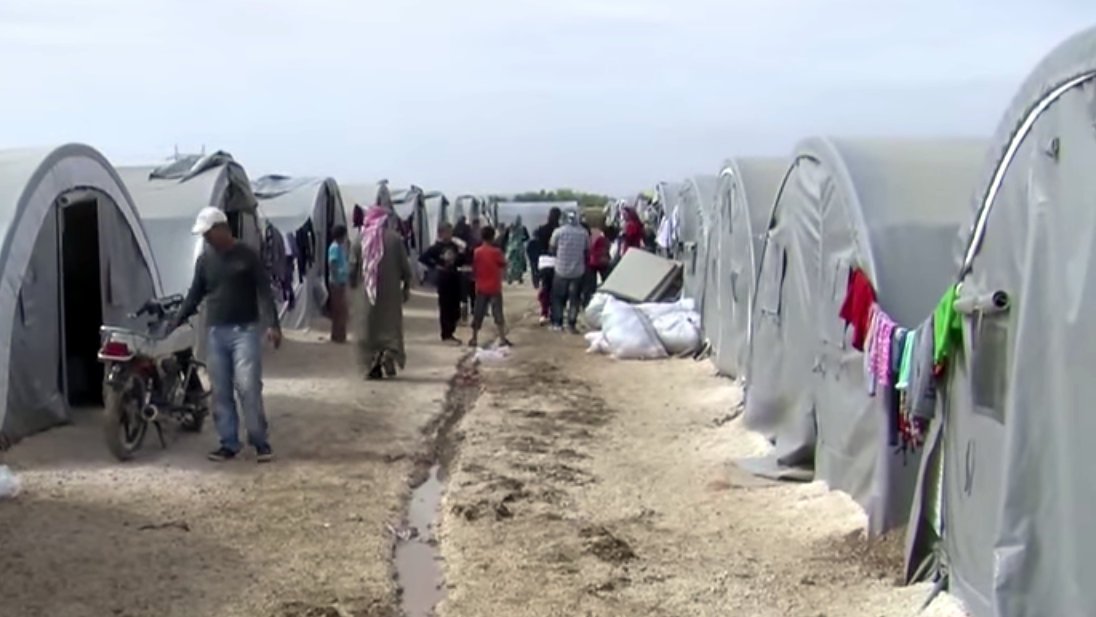
The problem of Kurdish refugees and displaced people arose in the 20th century in West Asia, and continues today. The Kurds, are an ethnic group mostly inhabiting a region known as Kurdistan, which includes adjacent parts of Iran, Iraq, Syria, and Turkey.
Displacements of Kurds had already been happening within the Ottoman Empire, on the pretext of suppressing Kurdish rebellions, over the period of its domination of the northern Fertile Crescent and the adjacent areas of the Zagros and Taurus Mountains. In the early 20th century, the Christian minorities of the Ottoman Empire suffered genocide (especially during World War I and the Turkish War of Independence), and many Kurds whose tribes were perceived to oppose the Turks were displaced at the same time.
In Iraq, suppression of Kurdish aspirations for autonomy and independence have descended into armed conflict since the 1919 Mahmud Barzanji revolts. Displacement of people became most severe during the Iraqi–Kurdish conflict and the parallel Arabization programs of the Ba'athist regime, which looked to cleanse Iraqi Kurdistan of its Kurdish majority. Tens of thousands of Kurds became displaced and fled the war zones following the First and Second Iraqi–Kurdish War in the 1960s and 1970s. The Iran–Iraq War of the 1980s, the first Gulf War in the early 1990s, and subsequent rebellions altogether created several million primarily Kurdish refugees, who mostly found refuge in Iran, while others dispersed into the Kurdish diaspora in Europe and the Americas. Iran alone provided asylum for 1,400,000 Iraqi refugees, mostly Kurds, who had been uprooted as a result of the first Gulf War (1990–91) and the subsequent rebellions. Today, a large portion of the Kurdish population is composed of displaced Kurdish refugees and their descendants.
For decades, Saddam Hussein 'Arabized' northern Iraq. Sunni Arabs have driven out at least 70,000 Kurds from the Mosul’s western half. Currently, eastern Mosul is Kurdish and western Mosul is Sunni Arab.
1.5 to 2 million Kurds were forcibly displaced by Arabization campaigns in Iraq between 1963 and 1987; resulting in 10,000 to 100,000 deaths during the displacement. This is not withstanding cases in which Kurds were outright executed such as during the Anfal genocide or other events.
In 1991, when suppression of Kurdish rebellion in the north was initiated by Saddam and massacres of the Kurdish population appeared, Turkey ended being host to 200,000 Iraqi Kurds in a few days. Four days later, 1,500 refugees had died from exposure. One month later, the vast majority of refugees returned to Iraq. Following the 1991 uprising of the Iraqi people against Saddam Hussein, many Kurds were forced to flee the country to become refugees in bordering regions of Iran and Turkey. A northern no-fly zone was established following the First Gulf War in 1991 to facilitate the return of Kurdish refugees.
1.5 million Kurds were displaced during the 1991 Iraqi uprisings with cities like Tuz Khormato having a rate of displacement as high as 90%; at least 48,400 Kurds starved to death due to displacements possibly 140,600.
In total up to 3,000,000 people (mainly Kurds) have been displaced in the Kurdish–Turkish conflict, an estimated 1,000,000 of which were still internally displaced as of 2009.
Hub AI
Kurdish refugees AI simulator
(@Kurdish refugees_simulator)
Kurdish refugees
The problem of Kurdish refugees and displaced people arose in the 20th century in West Asia, and continues today. The Kurds, are an ethnic group mostly inhabiting a region known as Kurdistan, which includes adjacent parts of Iran, Iraq, Syria, and Turkey.
Displacements of Kurds had already been happening within the Ottoman Empire, on the pretext of suppressing Kurdish rebellions, over the period of its domination of the northern Fertile Crescent and the adjacent areas of the Zagros and Taurus Mountains. In the early 20th century, the Christian minorities of the Ottoman Empire suffered genocide (especially during World War I and the Turkish War of Independence), and many Kurds whose tribes were perceived to oppose the Turks were displaced at the same time.
In Iraq, suppression of Kurdish aspirations for autonomy and independence have descended into armed conflict since the 1919 Mahmud Barzanji revolts. Displacement of people became most severe during the Iraqi–Kurdish conflict and the parallel Arabization programs of the Ba'athist regime, which looked to cleanse Iraqi Kurdistan of its Kurdish majority. Tens of thousands of Kurds became displaced and fled the war zones following the First and Second Iraqi–Kurdish War in the 1960s and 1970s. The Iran–Iraq War of the 1980s, the first Gulf War in the early 1990s, and subsequent rebellions altogether created several million primarily Kurdish refugees, who mostly found refuge in Iran, while others dispersed into the Kurdish diaspora in Europe and the Americas. Iran alone provided asylum for 1,400,000 Iraqi refugees, mostly Kurds, who had been uprooted as a result of the first Gulf War (1990–91) and the subsequent rebellions. Today, a large portion of the Kurdish population is composed of displaced Kurdish refugees and their descendants.
For decades, Saddam Hussein 'Arabized' northern Iraq. Sunni Arabs have driven out at least 70,000 Kurds from the Mosul’s western half. Currently, eastern Mosul is Kurdish and western Mosul is Sunni Arab.
1.5 to 2 million Kurds were forcibly displaced by Arabization campaigns in Iraq between 1963 and 1987; resulting in 10,000 to 100,000 deaths during the displacement. This is not withstanding cases in which Kurds were outright executed such as during the Anfal genocide or other events.
In 1991, when suppression of Kurdish rebellion in the north was initiated by Saddam and massacres of the Kurdish population appeared, Turkey ended being host to 200,000 Iraqi Kurds in a few days. Four days later, 1,500 refugees had died from exposure. One month later, the vast majority of refugees returned to Iraq. Following the 1991 uprising of the Iraqi people against Saddam Hussein, many Kurds were forced to flee the country to become refugees in bordering regions of Iran and Turkey. A northern no-fly zone was established following the First Gulf War in 1991 to facilitate the return of Kurdish refugees.
1.5 million Kurds were displaced during the 1991 Iraqi uprisings with cities like Tuz Khormato having a rate of displacement as high as 90%; at least 48,400 Kurds starved to death due to displacements possibly 140,600.
In total up to 3,000,000 people (mainly Kurds) have been displaced in the Kurdish–Turkish conflict, an estimated 1,000,000 of which were still internally displaced as of 2009.