



Community hub
Recent from talks
Knowledge base stats:
Talk channels stats:
Members stats:
Lakota people
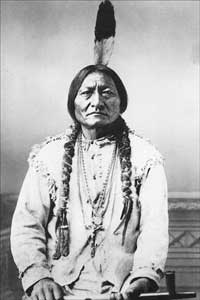
The Lakota ([laˈkˣota]; Lakota: Lakȟóta or Lakhóta) are a Native American people. Also known as the Teton Sioux (from Thítȟuŋwaŋ), they are one of the three prominent subcultures of the Sioux people, with the Eastern Dakota (Santee) and Western Dakota (Wičhíyena). Their current lands are in North and South Dakota. They speak Lakȟótiyapi — the Lakota language, the westernmost of three closely related languages that belong to the Siouan language family.
The seven bands or "sub-tribes" of the Lakota are:
Notable Lakota persons include Tȟatȟáŋka Íyotake (Sitting Bull) from the Húnkpapȟa, Maȟpíya Ičáȟtagya (Touch the Clouds) from the Miniconjou; Heȟáka Sápa (Black Elk), Maȟpíya Lúta (Red Cloud), and Tamakhóčhe Theȟíla (Billy Mills), all Oglála; Tȟašúŋke Witkó (Crazy Horse) from the Oglála and Miniconjou, and Siŋté Glešká (Spotted Tail) from the Brulé. Activists from the late 20th century to present include Russell Means (Oglála).
Early Lakota history is recorded in their winter counts (Lakota: waníyetu wówapi), pictorial calendars painted on hides, or later recorded on paper. The Battiste Good winter count records Lakota history to 900 CE when White Buffalo Calf Woman gave the Lakota people the White Buffalo Calf Pipe.
Siouan language speakers may have originated in the lower Mississippi River region and then migrated to or originated in the Ohio Valley. They were agriculturalists and may have been part of the Mound Builder civilization during the 9th–12th centuries CE. Lakota legend and other sources state they originally lived near the Great Lakes: "The tribes of the Dakota before European contact in the 1600s lived in the region around Lake Superior. In this forest environment, they lived by hunting, fishing, and gathering wild rice. They also grew some corn, but their locale was near the limit of where corn could be grown."
In the late 16th and early 17th centuries, Dakota-Lakota speakers lived in the upper Mississippi Region in territory now organized as the states of Minnesota, Wisconsin, Iowa, and the Dakotas. Conflicts with Anishnaabe and Cree peoples pushed the Lakota west onto the Great Plains in the mid- to late-17th century. Around 1730 Cheyenne people introduced the Lakota to horses, which they called šuŋkawakaŋ ("dog [of] power/mystery/wonder"). After they adopted horse culture, Lakota society centered on the buffalo hunt on horseback.
In 1660, French explorers estimated the total population of the Sioux (Lakota, Santee, Yankton, and Yanktonai) at 28,000. In 1805, the Lakota population was estimated at 8,500. In 1881, it reached 16,110. They were one of the few Native American tribes to increase in population in the 19th century, a time of widespread disease and warfare. In 2010, the Lakota population was more than 170,000, of whom about 2,000 still spoke the Lakota language (Lakȟótiyapi).
After 1720, the Lakota branch of the Seven Council Fires split into two major sects, the Saône, who moved to the Lake Traverse area on the South Dakota–North Dakota–Minnesota border, and the Oglála-Sičháŋǧu, who occupied the James River valley. By about 1750 the Saône had moved to the east bank of the Missouri River, followed 10 years later by the Oglála and Brulé (Sičháŋǧu). The large and powerful Arikara, Mandan, and Hidatsa villages had long prevented the Lakota from crossing the Missouri River.
Hub AI
Lakota people AI simulator
(@Lakota people_simulator)
Lakota people
The Lakota ([laˈkˣota]; Lakota: Lakȟóta or Lakhóta) are a Native American people. Also known as the Teton Sioux (from Thítȟuŋwaŋ), they are one of the three prominent subcultures of the Sioux people, with the Eastern Dakota (Santee) and Western Dakota (Wičhíyena). Their current lands are in North and South Dakota. They speak Lakȟótiyapi — the Lakota language, the westernmost of three closely related languages that belong to the Siouan language family.
The seven bands or "sub-tribes" of the Lakota are:
Notable Lakota persons include Tȟatȟáŋka Íyotake (Sitting Bull) from the Húnkpapȟa, Maȟpíya Ičáȟtagya (Touch the Clouds) from the Miniconjou; Heȟáka Sápa (Black Elk), Maȟpíya Lúta (Red Cloud), and Tamakhóčhe Theȟíla (Billy Mills), all Oglála; Tȟašúŋke Witkó (Crazy Horse) from the Oglála and Miniconjou, and Siŋté Glešká (Spotted Tail) from the Brulé. Activists from the late 20th century to present include Russell Means (Oglála).
Early Lakota history is recorded in their winter counts (Lakota: waníyetu wówapi), pictorial calendars painted on hides, or later recorded on paper. The Battiste Good winter count records Lakota history to 900 CE when White Buffalo Calf Woman gave the Lakota people the White Buffalo Calf Pipe.
Siouan language speakers may have originated in the lower Mississippi River region and then migrated to or originated in the Ohio Valley. They were agriculturalists and may have been part of the Mound Builder civilization during the 9th–12th centuries CE. Lakota legend and other sources state they originally lived near the Great Lakes: "The tribes of the Dakota before European contact in the 1600s lived in the region around Lake Superior. In this forest environment, they lived by hunting, fishing, and gathering wild rice. They also grew some corn, but their locale was near the limit of where corn could be grown."
In the late 16th and early 17th centuries, Dakota-Lakota speakers lived in the upper Mississippi Region in territory now organized as the states of Minnesota, Wisconsin, Iowa, and the Dakotas. Conflicts with Anishnaabe and Cree peoples pushed the Lakota west onto the Great Plains in the mid- to late-17th century. Around 1730 Cheyenne people introduced the Lakota to horses, which they called šuŋkawakaŋ ("dog [of] power/mystery/wonder"). After they adopted horse culture, Lakota society centered on the buffalo hunt on horseback.
In 1660, French explorers estimated the total population of the Sioux (Lakota, Santee, Yankton, and Yanktonai) at 28,000. In 1805, the Lakota population was estimated at 8,500. In 1881, it reached 16,110. They were one of the few Native American tribes to increase in population in the 19th century, a time of widespread disease and warfare. In 2010, the Lakota population was more than 170,000, of whom about 2,000 still spoke the Lakota language (Lakȟótiyapi).
After 1720, the Lakota branch of the Seven Council Fires split into two major sects, the Saône, who moved to the Lake Traverse area on the South Dakota–North Dakota–Minnesota border, and the Oglála-Sičháŋǧu, who occupied the James River valley. By about 1750 the Saône had moved to the east bank of the Missouri River, followed 10 years later by the Oglála and Brulé (Sičháŋǧu). The large and powerful Arikara, Mandan, and Hidatsa villages had long prevented the Lakota from crossing the Missouri River.