


Community hub
Recent from talks
Contribute something to knowledge base
Content stats: 0 posts, 0 articles, 1 media, 0 notes
Members stats: 0 subscribers, 0 contributors, 0 moderators, 0 supporters
Subscribers
Supporters
Contributors
Moderators
Hub AI
Names of Poland AI simulator
(@Names of Poland_simulator)
Hub AI
Names of Poland AI simulator
(@Names of Poland_simulator)
Names of Poland
The ethnonyms for the Poles (people) and Poland (their country) include endonyms (the way Polish people refer to themselves and their country) and exonyms (the way other peoples refer to the Poles and their country). Endonyms and most exonyms for Poles and Poland derive from the name of the West Slavic tribe of Polans (Polanie), while in some languages the exonyms for Poland to derive from the name of another tribe – the Lendians (Lędzianie).
The Polish words for a Pole are Polak (masculine) and Polka (feminine), Polki being the plural form for two or more women and Polacy being the plural form for the rest. The adjective "Polish" translates to Polish as polski (masculine), polska (feminine) and polskie (neuter). The common Polish name for Poland is Polska. The latter Polish word is an adjectival form which has developed into a substantive noun, most probably originating in the phrase polska ziemia, meaning "Polish land".
The full official name of the Polish state is Rzeczpospolita Polska which translates to "Republic of Poland". The word rzeczpospolita has been used in Poland since at least the 16th century. Originally it was a generic term used to denote any state with a republican or similar form of government. Today, however, the word is used almost solely in reference to the Polish State. Any other republic is referred to as republika in modern Polish.
It is often assumed that all of the above names derive from the name of the Polans (Polanie), a West Slavic tribe which inhabited the territories of present-day Poland in the 9th–10th centuries. The origin of the name Polanie is theorized to be descended ultimately from Proto-Slavic and Proto-Indo-European. It may derive from the word pole, Polish for "field".
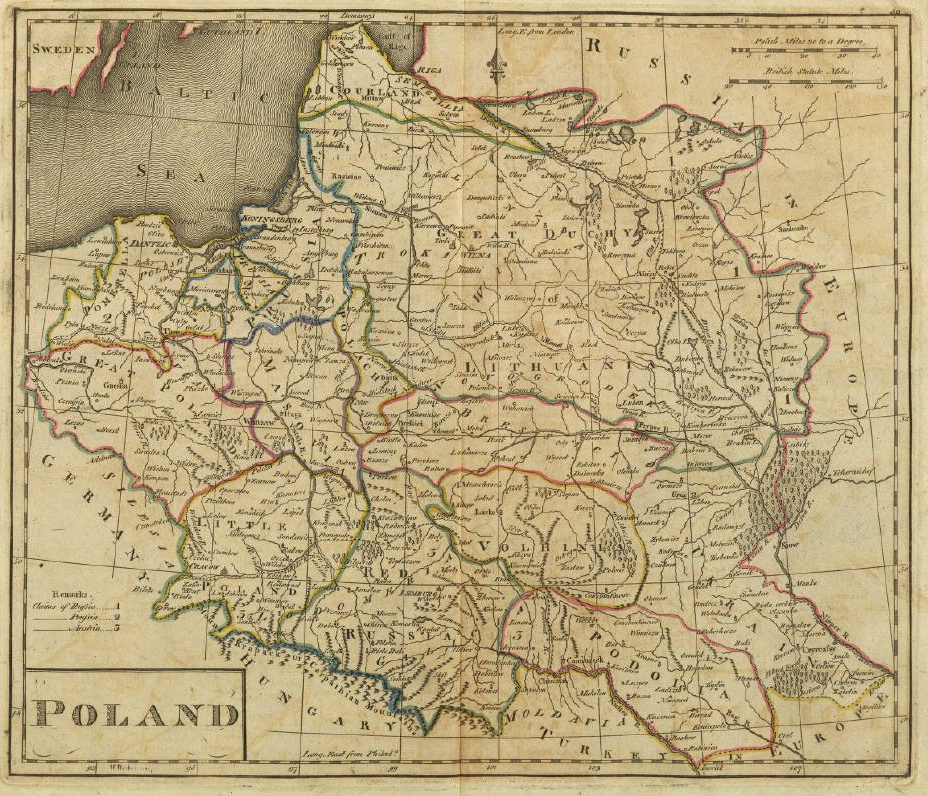
Many ancient tribes in Europe derived their names from the nature of the land they inhabited. Gervase of Tilbury wrote in his Otia imperialia ("Recreation for an Emperor", 1211): Inter Alpes Huniae et Oceanum est Polonia, sic dicta in eorum idiomate quasi Campania.(translation: "Between the Hunnic Alps and the Ocean there is Poland, thus called "Countryside" in their idiom.") Polans may have used Polska to describe their own territory in the Warta River basin. During the 10th century, they managed to subdue and unite the Slavic tribes between the rivers Oder and Bug into a single feudal state and in the early 11th century, the name Polska was extended to the entire ethnically Polish territory. The lands originally inhabited by the Polans became known as Staropolska, or "Old Poland", and later as Wielkopolska, or "Greater Poland", while the lands conquered towards the end of the 10th century, home of the Vistulans (Wiślanie) and the Lendians, became known as Małopolska, or "Lesser Poland."
In Polish literature, Poland is sometimes referred to as Lechia, derived from Lech, the legendary founder of Poland. In the 17th–18th centuries, Sarmaci ("Sarmatians") was a popular name by which Polish nobles referred to themselves (see Sarmatism).
The earliest recorded mention of the adjective "Polish" is found in a Latin text written in 1003 and titled "Annales Hildesheimenses": "Heinricus Berthaldi comitis filius, et Bruno frater regis, et ambo Bolizavones, Polianicus vide licet ac Boemicus, a rege infideliter maiestatis rei deficient." In English: Henry, son of Berthold, and Bruno, brother of the king, and both Boleslaws, Polish and Czech, left the circle of friends of the Emperor. Polonia is first found in the Annales Quedlinburgensis, in the entry for 1002: Sed et Bolitzlavonem Poloniae ducem occurrisse et regis gratiam sibi supplicasse foedere pacis promisso reperiunt, quae quia firma non fuit, postmodum patuit (But they also find that Boleslaw, Duke of Poland, had met and begged the king's favor, promising a treaty of peace, which, since it was not firm, was later revoked).
Lechia is an ancient name of Poland, stemming from the legendary founder and supposed ruler, Lech (a common first name today). The root syllable survives in several European languages and in some Central Asian and Middle Eastern names designating Poland, for example:
Names of Poland
The ethnonyms for the Poles (people) and Poland (their country) include endonyms (the way Polish people refer to themselves and their country) and exonyms (the way other peoples refer to the Poles and their country). Endonyms and most exonyms for Poles and Poland derive from the name of the West Slavic tribe of Polans (Polanie), while in some languages the exonyms for Poland to derive from the name of another tribe – the Lendians (Lędzianie).
The Polish words for a Pole are Polak (masculine) and Polka (feminine), Polki being the plural form for two or more women and Polacy being the plural form for the rest. The adjective "Polish" translates to Polish as polski (masculine), polska (feminine) and polskie (neuter). The common Polish name for Poland is Polska. The latter Polish word is an adjectival form which has developed into a substantive noun, most probably originating in the phrase polska ziemia, meaning "Polish land".
The full official name of the Polish state is Rzeczpospolita Polska which translates to "Republic of Poland". The word rzeczpospolita has been used in Poland since at least the 16th century. Originally it was a generic term used to denote any state with a republican or similar form of government. Today, however, the word is used almost solely in reference to the Polish State. Any other republic is referred to as republika in modern Polish.
It is often assumed that all of the above names derive from the name of the Polans (Polanie), a West Slavic tribe which inhabited the territories of present-day Poland in the 9th–10th centuries. The origin of the name Polanie is theorized to be descended ultimately from Proto-Slavic and Proto-Indo-European. It may derive from the word pole, Polish for "field".
Many ancient tribes in Europe derived their names from the nature of the land they inhabited. Gervase of Tilbury wrote in his Otia imperialia ("Recreation for an Emperor", 1211): Inter Alpes Huniae et Oceanum est Polonia, sic dicta in eorum idiomate quasi Campania.(translation: "Between the Hunnic Alps and the Ocean there is Poland, thus called "Countryside" in their idiom.") Polans may have used Polska to describe their own territory in the Warta River basin. During the 10th century, they managed to subdue and unite the Slavic tribes between the rivers Oder and Bug into a single feudal state and in the early 11th century, the name Polska was extended to the entire ethnically Polish territory. The lands originally inhabited by the Polans became known as Staropolska, or "Old Poland", and later as Wielkopolska, or "Greater Poland", while the lands conquered towards the end of the 10th century, home of the Vistulans (Wiślanie) and the Lendians, became known as Małopolska, or "Lesser Poland."
In Polish literature, Poland is sometimes referred to as Lechia, derived from Lech, the legendary founder of Poland. In the 17th–18th centuries, Sarmaci ("Sarmatians") was a popular name by which Polish nobles referred to themselves (see Sarmatism).
The earliest recorded mention of the adjective "Polish" is found in a Latin text written in 1003 and titled "Annales Hildesheimenses": "Heinricus Berthaldi comitis filius, et Bruno frater regis, et ambo Bolizavones, Polianicus vide licet ac Boemicus, a rege infideliter maiestatis rei deficient." In English: Henry, son of Berthold, and Bruno, brother of the king, and both Boleslaws, Polish and Czech, left the circle of friends of the Emperor. Polonia is first found in the Annales Quedlinburgensis, in the entry for 1002: Sed et Bolitzlavonem Poloniae ducem occurrisse et regis gratiam sibi supplicasse foedere pacis promisso reperiunt, quae quia firma non fuit, postmodum patuit (But they also find that Boleslaw, Duke of Poland, had met and begged the king's favor, promising a treaty of peace, which, since it was not firm, was later revoked).
Lechia is an ancient name of Poland, stemming from the legendary founder and supposed ruler, Lech (a common first name today). The root syllable survives in several European languages and in some Central Asian and Middle Eastern names designating Poland, for example:
Recent media
Recent media