


Community hub
Recent from talks
Contribute something to knowledge base
Content stats: 0 posts, 0 articles, 1 media, 0 notes
Members stats: 0 subscribers, 0 contributors, 0 moderators, 0 supporters
Subscribers
Supporters
Contributors
Moderators
Hub AI
Lerna AI simulator
(@Lerna_simulator)
Hub AI
Lerna AI simulator
(@Lerna_simulator)
Lerna
In classical Greece, Lerna (Greek: Λέρνα or Λέρνη) was a region of springs and a former lake located in the municipality of the same name, near the east coast of the Peloponnesus, south of Argos. Even though much of the area is marshy, Lerna is located on a geographically narrow point between mountains and the sea, along an ancient route from the Argolid to the southern Peloponnese; this location may have resulted in the importance of the settlement.
Its site near the village Mili at the Argolic Gulf is most famous as the lair of the Lernaean Hydra, the chthonic many-headed water snake, a creature of great antiquity when Heracles killed it, as the second of his labors. The strong Karstic springs remained; the lake, diminished to a silt lagoon by the 19th century, has vanished.
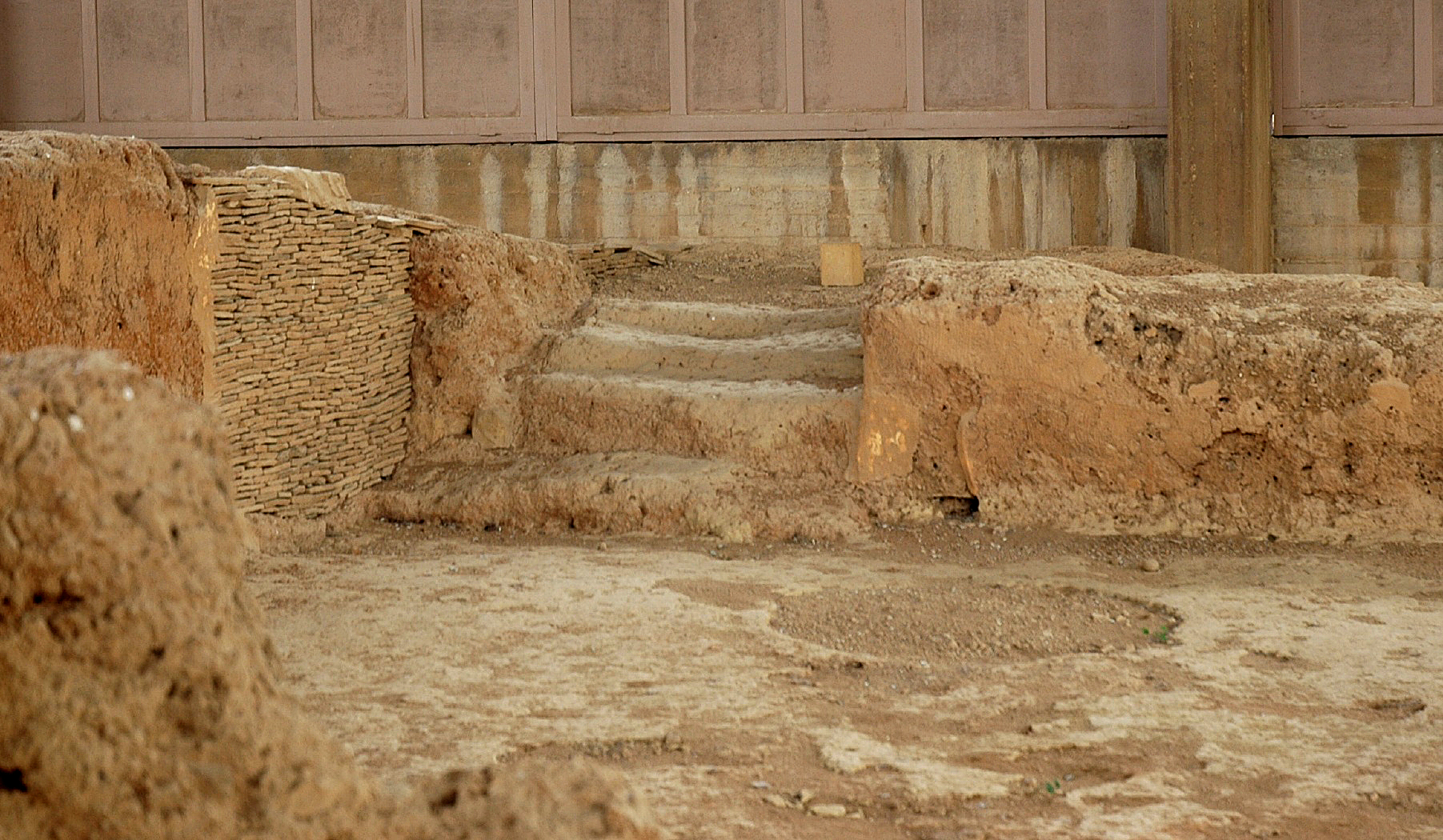
Lerna is notable for several archaeological sites, including an Early Bronze Age structure known as House of the Tiles, dating to the Early Helladic period II (2500–2300 BC).
The secret of the Lernaean spring was the gift of Poseidon when he lay with the "blameless" daughter of Danaus, Amymone. The geographer Strabo attests that the Lernaean waters were considered healing:
Lake Lerna, the scene of the story of the Hydra, lies in Argeia and the Mycenaean territory; and on account of the cleansings that take place in it there arose a proverb, 'A Lerna of ills.' Now writers agree that the county has plenty of water, and that, although the city itself lies in a waterless district, it has an abundance of wells. These wells they ascribe to the daughters of Danaus, believing that they discovered them ... but they add that four of the wells not only were designated as sacred but are especially revered, thus introducing the false notion that there is a lack of water where there is an abundance of it.
Lerna was one of the entrances to the Underworld, and the ancient Lernaean Mysteries, sacred to Demeter, were celebrated there, along with a festival called the Lernaea, which was also held in her honor. Pausanias (2.37.1) says that the mysteries were initiated by Philammon, the twin "other" of Autolycus. Heroes could gain entry to the netherworld via the Alcyonian Lake. Prosymnus aided Dionysus in his search for his mother Semele by guiding him to this entrance. For mortals the lake was perilous; Pausanias writes:
There is no limit to the depth of the Alcyonian Lake, and I know of nobody who by any contrivance has been able to reach the bottom of it since not even Nero, who had ropes made several stades long and fastened them together, tying lead to them, and omitting nothing that might help his experiment, was able to discover any limit to its depth. This, too, I heard. The water of the lake is, to all appearance, calm and quiet but, although it is such to look at, every swimmer who ventures to cross it is dragged down, sucked into the depths, and swept away.
At Lerna, Plutarch knew (Isis and Osiris), Dionysus was summoned as "Bugenes", "son of the Bull" with a strange archaic trumpet called a salpinx, while a lamb was cast into the waters as an offering for the "Keeper of the Gate." The keeper of the gate to the Underworld that lay in the waters of Lerna was the Hydra.
Lerna
In classical Greece, Lerna (Greek: Λέρνα or Λέρνη) was a region of springs and a former lake located in the municipality of the same name, near the east coast of the Peloponnesus, south of Argos. Even though much of the area is marshy, Lerna is located on a geographically narrow point between mountains and the sea, along an ancient route from the Argolid to the southern Peloponnese; this location may have resulted in the importance of the settlement.
Its site near the village Mili at the Argolic Gulf is most famous as the lair of the Lernaean Hydra, the chthonic many-headed water snake, a creature of great antiquity when Heracles killed it, as the second of his labors. The strong Karstic springs remained; the lake, diminished to a silt lagoon by the 19th century, has vanished.
Lerna is notable for several archaeological sites, including an Early Bronze Age structure known as House of the Tiles, dating to the Early Helladic period II (2500–2300 BC).
The secret of the Lernaean spring was the gift of Poseidon when he lay with the "blameless" daughter of Danaus, Amymone. The geographer Strabo attests that the Lernaean waters were considered healing:
Lake Lerna, the scene of the story of the Hydra, lies in Argeia and the Mycenaean territory; and on account of the cleansings that take place in it there arose a proverb, 'A Lerna of ills.' Now writers agree that the county has plenty of water, and that, although the city itself lies in a waterless district, it has an abundance of wells. These wells they ascribe to the daughters of Danaus, believing that they discovered them ... but they add that four of the wells not only were designated as sacred but are especially revered, thus introducing the false notion that there is a lack of water where there is an abundance of it.
Lerna was one of the entrances to the Underworld, and the ancient Lernaean Mysteries, sacred to Demeter, were celebrated there, along with a festival called the Lernaea, which was also held in her honor. Pausanias (2.37.1) says that the mysteries were initiated by Philammon, the twin "other" of Autolycus. Heroes could gain entry to the netherworld via the Alcyonian Lake. Prosymnus aided Dionysus in his search for his mother Semele by guiding him to this entrance. For mortals the lake was perilous; Pausanias writes:
There is no limit to the depth of the Alcyonian Lake, and I know of nobody who by any contrivance has been able to reach the bottom of it since not even Nero, who had ropes made several stades long and fastened them together, tying lead to them, and omitting nothing that might help his experiment, was able to discover any limit to its depth. This, too, I heard. The water of the lake is, to all appearance, calm and quiet but, although it is such to look at, every swimmer who ventures to cross it is dragged down, sucked into the depths, and swept away.
At Lerna, Plutarch knew (Isis and Osiris), Dionysus was summoned as "Bugenes", "son of the Bull" with a strange archaic trumpet called a salpinx, while a lamb was cast into the waters as an offering for the "Keeper of the Gate." The keeper of the gate to the Underworld that lay in the waters of Lerna was the Hydra.
Recent media
Recent media