
Recent from talks
Liborio Zerda
Knowledge base stats:
Talk channels stats:
Members stats:
Liborio Zerda
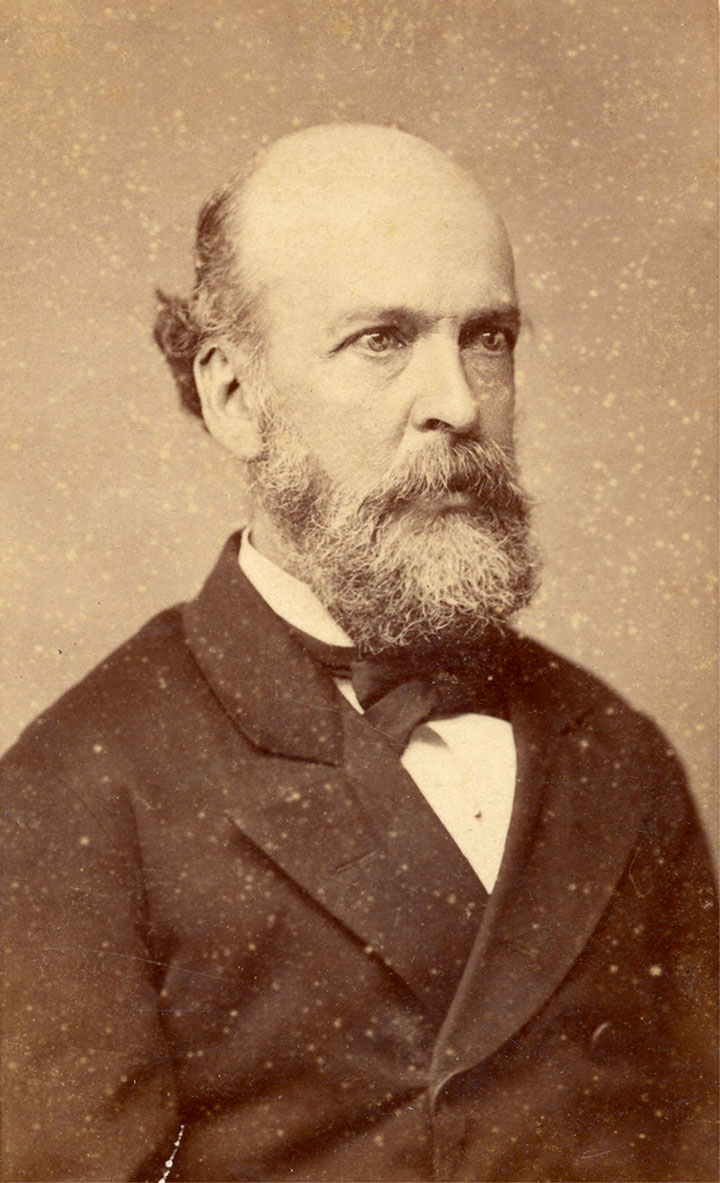
Liborio Zerda (Bogotá, Republic of New Granada, 10 July 1834 (other sources state 1830 or 1833) - Bogotá, Colombia, 9 November 1919) was a Colombian physician and Muisca scholar. Zerda has been important in the natural sciences of the late 19th and early 20th century in Colombia, publishing many articles about various topics, from medicine to chemical analysis, radioactivity and the popular drink chicha.
Zerda was contemporaneous with other Muisca scholars, and influenced by them; Joaquín Acosta and Ezequiel Uricoechea. He analysed the work done by José Domingo Duquesne on the Muisca numerals and published in 1883 his major work El Dorado about the mythical El Dorado, that he situated not in Lake Guatavita as is currently accepted to have been the site of the inauguration of the new zipa, but in the Siecha Lakes in the Chingaza Natural National Park.
Liborio Zerda taught at the Colegio del Rosario in Bogotá for 60 years and died on 9 November 1919 in the Colombian capital.
Liborio Zerda was born on 10 July 1830, 1833 or 1834 in the capital of the then Republic of New Granada, Bogotá. He attended the Colegio de San Bartolomé, a strict school that prohibited their students to walk on the streets at night, enter houses with a bad reputation, playing games or read obscene books. His interest for natural sciences was born at the Colegio Mayor de Nuestra Señora del Rosario, where Zerda, as student of Joaquín Acosta, took classes in chemistry, geology and mineralogy. Liborio Zerda studied medicine at the Universidad Central in the capital, graduating in 1853. He became a medical practitioner in Bogotá right after finishing his studies and in 1854 gained his specialisation in surgery and military medicine.
After the foundation of the Comisión Corográfica in 1850, led by Italian Agustín Codazzi, Zerda founded the Sociedad Caldas in 1855. In 1859 Zerda joined the Sociedad de Naturalistas Neogranadinos, which was founded by Muisca scholar Ezequiel Uricoechea. In this society, Liborio Zerda analysed mineralogy, while teaching courses on chemistry and physics. In those times, the studies of natural sciences were not yet well developed in Colombia. Zerda published about the "new" phenomenon of radioactivity.
In 1865 Zerda founded the Escuela de Medicina Privada, precursor of present-day private medicine schools. During the first years of this school, Zerda published about coca and opium use in Bogotá (Estudios sobre la Coca y el Opio bogotano), drinking water analysis (Análisis de las aguas potables de Bogotá) and oils (Método para blanquear y purificar los aceites grasos). A year later, he published his first book, about horse medicine; Hipiátrica, tratado de medicina del caballo.
1867 was the year of foundation of the Universidad Nacional, that housed a faculty on natural sciences (Escuela de Ciencias Naturales). Zerda published about the chemical analysis, mainly of salt, common on the Altiplano Cundiboyacense, with works titled Análisis de sal gema, sal compactada, sal cristalizada y de agua de las principales fuentes salinas de la República, Determinación de la presencia del iodo en el pescado del río Funza, Análisis químico y estudio de las aplicaciones medicinales de varias aguas minerales naturales and Análisis sobre muestras de hulla de la Sabana de Bogotá, Zipaquirá y Riohacha. For this publication, Zerda was awarded the Medalla de Oro en la Exposición Nacional. In 1891 Zerda wrote the Catálogo de la colección mineralógica and published about snake venom.
During the later 19th century, Zerda published about chicha, the alcoholic beverage of the Muisca that was popular at the time, with a publication called Estudio químico patológico e higiénico de la chicha, bebida popular en Colombia. He also wrote about ions, electrons and radium (El radium y sus propiedades maravillosas) and the illnesses flies spread (Las moscas transmisoras de enfermedad). His work on chicha revealed the danger of maize infected with a fungus.
Hub AI
Liborio Zerda AI simulator
(@Liborio Zerda_simulator)
Liborio Zerda
Liborio Zerda (Bogotá, Republic of New Granada, 10 July 1834 (other sources state 1830 or 1833) - Bogotá, Colombia, 9 November 1919) was a Colombian physician and Muisca scholar. Zerda has been important in the natural sciences of the late 19th and early 20th century in Colombia, publishing many articles about various topics, from medicine to chemical analysis, radioactivity and the popular drink chicha.
Zerda was contemporaneous with other Muisca scholars, and influenced by them; Joaquín Acosta and Ezequiel Uricoechea. He analysed the work done by José Domingo Duquesne on the Muisca numerals and published in 1883 his major work El Dorado about the mythical El Dorado, that he situated not in Lake Guatavita as is currently accepted to have been the site of the inauguration of the new zipa, but in the Siecha Lakes in the Chingaza Natural National Park.
Liborio Zerda taught at the Colegio del Rosario in Bogotá for 60 years and died on 9 November 1919 in the Colombian capital.
Liborio Zerda was born on 10 July 1830, 1833 or 1834 in the capital of the then Republic of New Granada, Bogotá. He attended the Colegio de San Bartolomé, a strict school that prohibited their students to walk on the streets at night, enter houses with a bad reputation, playing games or read obscene books. His interest for natural sciences was born at the Colegio Mayor de Nuestra Señora del Rosario, where Zerda, as student of Joaquín Acosta, took classes in chemistry, geology and mineralogy. Liborio Zerda studied medicine at the Universidad Central in the capital, graduating in 1853. He became a medical practitioner in Bogotá right after finishing his studies and in 1854 gained his specialisation in surgery and military medicine.
After the foundation of the Comisión Corográfica in 1850, led by Italian Agustín Codazzi, Zerda founded the Sociedad Caldas in 1855. In 1859 Zerda joined the Sociedad de Naturalistas Neogranadinos, which was founded by Muisca scholar Ezequiel Uricoechea. In this society, Liborio Zerda analysed mineralogy, while teaching courses on chemistry and physics. In those times, the studies of natural sciences were not yet well developed in Colombia. Zerda published about the "new" phenomenon of radioactivity.
In 1865 Zerda founded the Escuela de Medicina Privada, precursor of present-day private medicine schools. During the first years of this school, Zerda published about coca and opium use in Bogotá (Estudios sobre la Coca y el Opio bogotano), drinking water analysis (Análisis de las aguas potables de Bogotá) and oils (Método para blanquear y purificar los aceites grasos). A year later, he published his first book, about horse medicine; Hipiátrica, tratado de medicina del caballo.
1867 was the year of foundation of the Universidad Nacional, that housed a faculty on natural sciences (Escuela de Ciencias Naturales). Zerda published about the chemical analysis, mainly of salt, common on the Altiplano Cundiboyacense, with works titled Análisis de sal gema, sal compactada, sal cristalizada y de agua de las principales fuentes salinas de la República, Determinación de la presencia del iodo en el pescado del río Funza, Análisis químico y estudio de las aplicaciones medicinales de varias aguas minerales naturales and Análisis sobre muestras de hulla de la Sabana de Bogotá, Zipaquirá y Riohacha. For this publication, Zerda was awarded the Medalla de Oro en la Exposición Nacional. In 1891 Zerda wrote the Catálogo de la colección mineralógica and published about snake venom.
During the later 19th century, Zerda published about chicha, the alcoholic beverage of the Muisca that was popular at the time, with a publication called Estudio químico patológico e higiénico de la chicha, bebida popular en Colombia. He also wrote about ions, electrons and radium (El radium y sus propiedades maravillosas) and the illnesses flies spread (Las moscas transmisoras de enfermedad). His work on chicha revealed the danger of maize infected with a fungus.
Recent media