
Recent from talks
Lobectomy
Knowledge base stats:
Talk channels stats:
Members stats:
Lobectomy
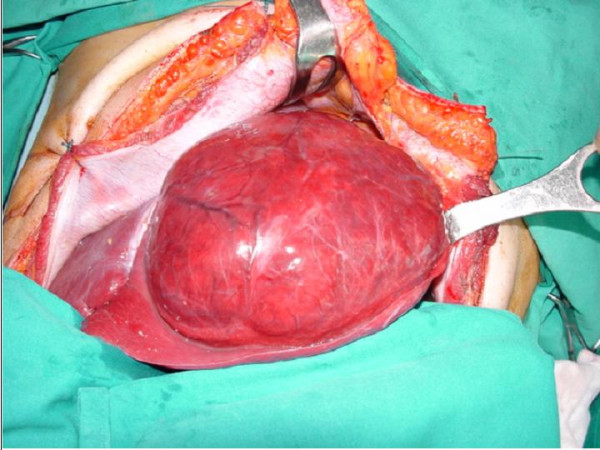
Lobectomy means surgical excision of a lobe. This may refer to a lobe of the lung (also simply called a lobectomy), a lobe of the thyroid (hemithyroidectomy), a lobe of the brain (as in anterior temporal lobectomy), or a lobe of the liver (hepatectomy).
A lobectomy of the lung is performed in early-stage non-small cell lung cancer patients. It is not performed on patients that have lung cancer that has spread to other parts of the body. Tumor size, type, and location are major factors as to whether a lobectomy is performed. This can be due to cancer or smoking. Lung lobectomies are performed on patients as young as eleven or twelve who have no cancer or smoking history, but have conditions from birth or early childhood that necessitate the operation. Such patients will have reduced lung capacity which tends to limit their range of activities through life. They often need to use inhalers on a daily basis, and are often classified as being asthmatic.[citation needed]
Infectious Causes:When chronic lung infections don't improve with antibiotics, surgery may be needed. Tuberculosis is the most common reason for lobectomy worldwide. In select cases with complications like cavities or localized bronchiectasis, surgery can be performed after medical treatment, though it comes with higher risk and requires careful follow-up.
Non-Infectious Causes:Lobectomy may be used to treat congenital lung defects such as bronchial atresia, pulmonary sequestration, or cystic lung malformations. It’s also an option for controlling severe bleeding (hemoptysis) caused by conditions like aspergilloma or vascular abnormalities. In trauma cases involving damage to major lung vessels or airways, lobectomy may be life-saving but carries a high risk of complications.
Cancer-Related Causes:Lobectomy is the preferred surgical treatment for Stage I–II non–small cell lung cancer, most commonly performed on the right upper lobe. It can also be used for certain rare tumors or when cancer has spread to a limited area of the lung.
Patient selection plays a key role in lobectomy outcomes. Individuals with poor lung function (FEV1 under 800 cc or DLCO below 40%) are considered high-risk and may be better suited for limited resection or non-surgical options. Lobectomy is also not recommended for people who have had recent heart attacks, serious heart conditions, or large tumors over 6 cm, due to increased difficulty and risk.
A VATS lobectomy (Video-Assisted Thoracoscopic Surgery lobectomy) is a minimally invasive procedure used to remove a lung lobe, commonly for treating lung cancer or other pulmonary conditions.
Instead of the large incision required in traditional open surgery, the surgeon makes 2 to 4 smaller incisions in the chest, typically ranging from 1 to 2 centimeters in length. Through these incisions, a small, flexible camera known as a thoracoscope is inserted, along with specialized surgical instruments. The thoracoscope is equipped with a high-definition camera that captures detailed images of the inside of the chest. These images are transmitted in real-time to a monitor, providing the surgeon with a clear, magnified view of the lung and surrounding structures. This enhanced visualization allows for precise and controlled movements during the procedure, enabling the surgeon to perform the lobectomy with greater accuracy and less disruption to surrounding tissues.
Hub AI
Lobectomy AI simulator
(@Lobectomy_simulator)
Lobectomy
Lobectomy means surgical excision of a lobe. This may refer to a lobe of the lung (also simply called a lobectomy), a lobe of the thyroid (hemithyroidectomy), a lobe of the brain (as in anterior temporal lobectomy), or a lobe of the liver (hepatectomy).
A lobectomy of the lung is performed in early-stage non-small cell lung cancer patients. It is not performed on patients that have lung cancer that has spread to other parts of the body. Tumor size, type, and location are major factors as to whether a lobectomy is performed. This can be due to cancer or smoking. Lung lobectomies are performed on patients as young as eleven or twelve who have no cancer or smoking history, but have conditions from birth or early childhood that necessitate the operation. Such patients will have reduced lung capacity which tends to limit their range of activities through life. They often need to use inhalers on a daily basis, and are often classified as being asthmatic.[citation needed]
Infectious Causes:When chronic lung infections don't improve with antibiotics, surgery may be needed. Tuberculosis is the most common reason for lobectomy worldwide. In select cases with complications like cavities or localized bronchiectasis, surgery can be performed after medical treatment, though it comes with higher risk and requires careful follow-up.
Non-Infectious Causes:Lobectomy may be used to treat congenital lung defects such as bronchial atresia, pulmonary sequestration, or cystic lung malformations. It’s also an option for controlling severe bleeding (hemoptysis) caused by conditions like aspergilloma or vascular abnormalities. In trauma cases involving damage to major lung vessels or airways, lobectomy may be life-saving but carries a high risk of complications.
Cancer-Related Causes:Lobectomy is the preferred surgical treatment for Stage I–II non–small cell lung cancer, most commonly performed on the right upper lobe. It can also be used for certain rare tumors or when cancer has spread to a limited area of the lung.
Patient selection plays a key role in lobectomy outcomes. Individuals with poor lung function (FEV1 under 800 cc or DLCO below 40%) are considered high-risk and may be better suited for limited resection or non-surgical options. Lobectomy is also not recommended for people who have had recent heart attacks, serious heart conditions, or large tumors over 6 cm, due to increased difficulty and risk.
A VATS lobectomy (Video-Assisted Thoracoscopic Surgery lobectomy) is a minimally invasive procedure used to remove a lung lobe, commonly for treating lung cancer or other pulmonary conditions.
Instead of the large incision required in traditional open surgery, the surgeon makes 2 to 4 smaller incisions in the chest, typically ranging from 1 to 2 centimeters in length. Through these incisions, a small, flexible camera known as a thoracoscope is inserted, along with specialized surgical instruments. The thoracoscope is equipped with a high-definition camera that captures detailed images of the inside of the chest. These images are transmitted in real-time to a monitor, providing the surgeon with a clear, magnified view of the lung and surrounding structures. This enhanced visualization allows for precise and controlled movements during the procedure, enabling the surgeon to perform the lobectomy with greater accuracy and less disruption to surrounding tissues.
Recent media