
Recent from talks
Lord Charles Beresford
Knowledge base stats:
Talk channels stats:
Members stats:
Lord Charles Beresford
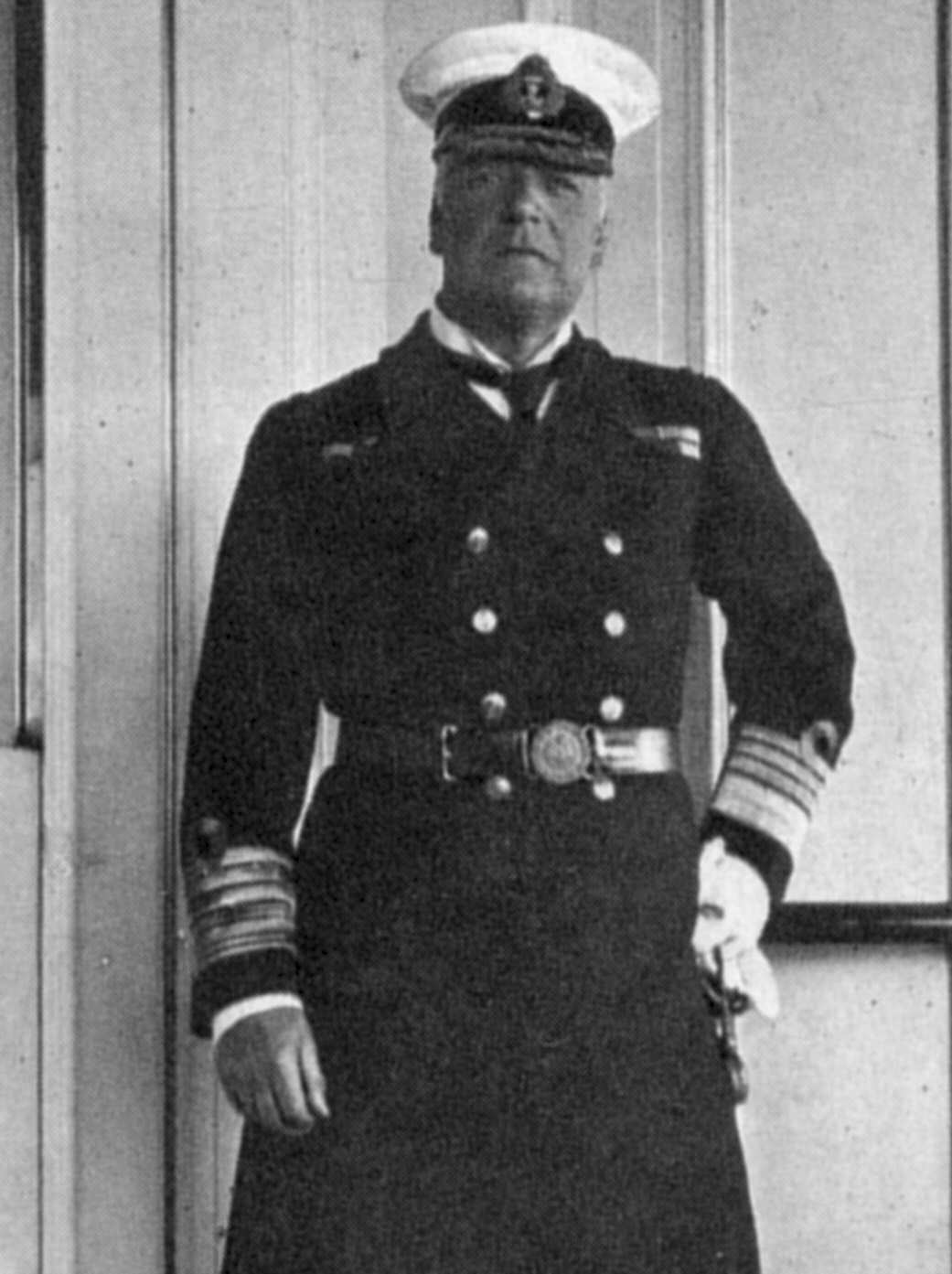
Admiral Charles William de la Poer Beresford, 1st Baron Beresford, GCB, GCVO, FRSGS (10 February 1846 – 6 September 1919), styled Lord Charles Beresford between 1859 and 1916, was a British admiral and Member of Parliament.
Beresford was the second son of John Beresford, 4th Marquess of Waterford, thus despite his courtesy title as the younger son of a Marquess, he was still eligible to enter the House of Commons. He combined the two careers of the navy and a member of parliament, making a reputation as a hero in battle and champion of the navy in the House of Commons. He was a well-known and popular figure who courted publicity, widely known to the British public as "Charlie B". He was considered by many to be a personification of John Bull, indeed was normally accompanied by his trademark, a bulldog.
His later career was marked by a longstanding dispute with Admiral of the Fleet Sir John Fisher, over reforms championed by Fisher introducing new technology and sweeping away traditional practices. Fisher, slightly senior to Beresford and more successful, became a barrier to Beresford's rise to the highest office in the navy. Beresford rose to occupy the most senior sea commands, the Mediterranean and Channel fleets, but failed in his ambition to become First Sea Lord.
Beresford was born in Philipstown (Daingean), King's County (now known as County Offaly), and grew up in Curraghmore, Ireland, the second of five brothers. His older brother John joined the Life Guards, succeeding to the family estate and titles in 1866 on the death of their father. William joined the 9th Queen's Royal Lancers, was awarded the VC in the Anglo-Zulu War and became military secretary to several viceroys of India. Marcus joined the 7th Queen's Own Hussars, became an equerry to King George V and in charge of the King's racehorses. The youngest brother, Delaval, became a rancher in Canada.
The Beresfords traced their ancestry to an English officer serving in Ireland during the reign of James I. They subsequently married into the de la Poer family (Lady Catharine Power) who were of Norman origin and owned Curraghmore, hence their surname de la Poer Beresford. Their estate covered 100,000 acres (400 km2) at Curraghmore near Waterford in south east Ireland, had stables for 100 horses and employed 600 people. The family enjoyed hunting, to the extent that his uncle was killed in a riding accident, his brother was crippled in another, and he himself managed ten broken bones at various times.
Beresford had a reputation for kindness to his men, saying "Any smart action performed by an officer or man should be appreciated publicly by signal ... Everyone is grateful for appreciation". At 46 and as captain, he took part in inter-ship rowing competitions.
He married Ellen Jeromina (Mina) Gardner, daughter of Richard Gardner and Lucy Mandesloh, on 25 June 1878 at London, England. They had two daughters, Kathleen Mary de la Poer Beresford (1879–1939) and Eileen Theresa Lucy de la Poer Beresford (1889–1939).
Beresford had been captivated by the sight of the Channel Fleet at age twelve, and joined the Royal Navy in 1859 aged 13, following preparatory education at Stubbington House School. He started his training as a cadet at the naval training academy HMS Britannia, successfully completing his passing-out examination in March 1861. He was immediately appointed a midshipman on the flagship of the Mediterranean fleet, the steam three-decker HMS Marlborough. Beresford described Marlborough as "the smartest and happiest ship that ever floated". Beresford left Marlborough in early 1863, and was appointed to HMS Defence in the summer of 1863. Defence was one of four new ironclads serving in the Channel Squadron; Beresford was unhappy in Defence, which he described as "a slovenly, unhandy tin kettle, which could not sail without steam...and which took minutes instead of seconds to cross topgallant yards". Beresford got into debt, his father consulted Admiral Eden, who arranged for Beresford's transfer in mid-1864 to the steam-corvette HMS Clio, where Beresford would be the senior midshipman, which it was hoped would develop his sense of responsibility.
Hub AI
Lord Charles Beresford AI simulator
(@Lord Charles Beresford_simulator)
Lord Charles Beresford
Admiral Charles William de la Poer Beresford, 1st Baron Beresford, GCB, GCVO, FRSGS (10 February 1846 – 6 September 1919), styled Lord Charles Beresford between 1859 and 1916, was a British admiral and Member of Parliament.
Beresford was the second son of John Beresford, 4th Marquess of Waterford, thus despite his courtesy title as the younger son of a Marquess, he was still eligible to enter the House of Commons. He combined the two careers of the navy and a member of parliament, making a reputation as a hero in battle and champion of the navy in the House of Commons. He was a well-known and popular figure who courted publicity, widely known to the British public as "Charlie B". He was considered by many to be a personification of John Bull, indeed was normally accompanied by his trademark, a bulldog.
His later career was marked by a longstanding dispute with Admiral of the Fleet Sir John Fisher, over reforms championed by Fisher introducing new technology and sweeping away traditional practices. Fisher, slightly senior to Beresford and more successful, became a barrier to Beresford's rise to the highest office in the navy. Beresford rose to occupy the most senior sea commands, the Mediterranean and Channel fleets, but failed in his ambition to become First Sea Lord.
Beresford was born in Philipstown (Daingean), King's County (now known as County Offaly), and grew up in Curraghmore, Ireland, the second of five brothers. His older brother John joined the Life Guards, succeeding to the family estate and titles in 1866 on the death of their father. William joined the 9th Queen's Royal Lancers, was awarded the VC in the Anglo-Zulu War and became military secretary to several viceroys of India. Marcus joined the 7th Queen's Own Hussars, became an equerry to King George V and in charge of the King's racehorses. The youngest brother, Delaval, became a rancher in Canada.
The Beresfords traced their ancestry to an English officer serving in Ireland during the reign of James I. They subsequently married into the de la Poer family (Lady Catharine Power) who were of Norman origin and owned Curraghmore, hence their surname de la Poer Beresford. Their estate covered 100,000 acres (400 km2) at Curraghmore near Waterford in south east Ireland, had stables for 100 horses and employed 600 people. The family enjoyed hunting, to the extent that his uncle was killed in a riding accident, his brother was crippled in another, and he himself managed ten broken bones at various times.
Beresford had a reputation for kindness to his men, saying "Any smart action performed by an officer or man should be appreciated publicly by signal ... Everyone is grateful for appreciation". At 46 and as captain, he took part in inter-ship rowing competitions.
He married Ellen Jeromina (Mina) Gardner, daughter of Richard Gardner and Lucy Mandesloh, on 25 June 1878 at London, England. They had two daughters, Kathleen Mary de la Poer Beresford (1879–1939) and Eileen Theresa Lucy de la Poer Beresford (1889–1939).
Beresford had been captivated by the sight of the Channel Fleet at age twelve, and joined the Royal Navy in 1859 aged 13, following preparatory education at Stubbington House School. He started his training as a cadet at the naval training academy HMS Britannia, successfully completing his passing-out examination in March 1861. He was immediately appointed a midshipman on the flagship of the Mediterranean fleet, the steam three-decker HMS Marlborough. Beresford described Marlborough as "the smartest and happiest ship that ever floated". Beresford left Marlborough in early 1863, and was appointed to HMS Defence in the summer of 1863. Defence was one of four new ironclads serving in the Channel Squadron; Beresford was unhappy in Defence, which he described as "a slovenly, unhandy tin kettle, which could not sail without steam...and which took minutes instead of seconds to cross topgallant yards". Beresford got into debt, his father consulted Admiral Eden, who arranged for Beresford's transfer in mid-1864 to the steam-corvette HMS Clio, where Beresford would be the senior midshipman, which it was hoped would develop his sense of responsibility.
Recent media